How to Use Shingle Spray Paint: A Comprehensive Application and Maintenance Guide
Using shingle spray paint requires careful surface preparation, correct weather conditions, and proper application techniques to ensure adhesion, color uniformity, and long-lasting protection on asphalt, slate, or wood roofing and sidi...
Using shingle spray paint requires careful surface preparation, correct weather conditions, and proper application techniques to ensure adhesion, color uniformity, and long-lasting protection on asphalt, slate, or wood roofing and siding materials.
Contents
Understanding Shingle Spray Paint and Its Purpose
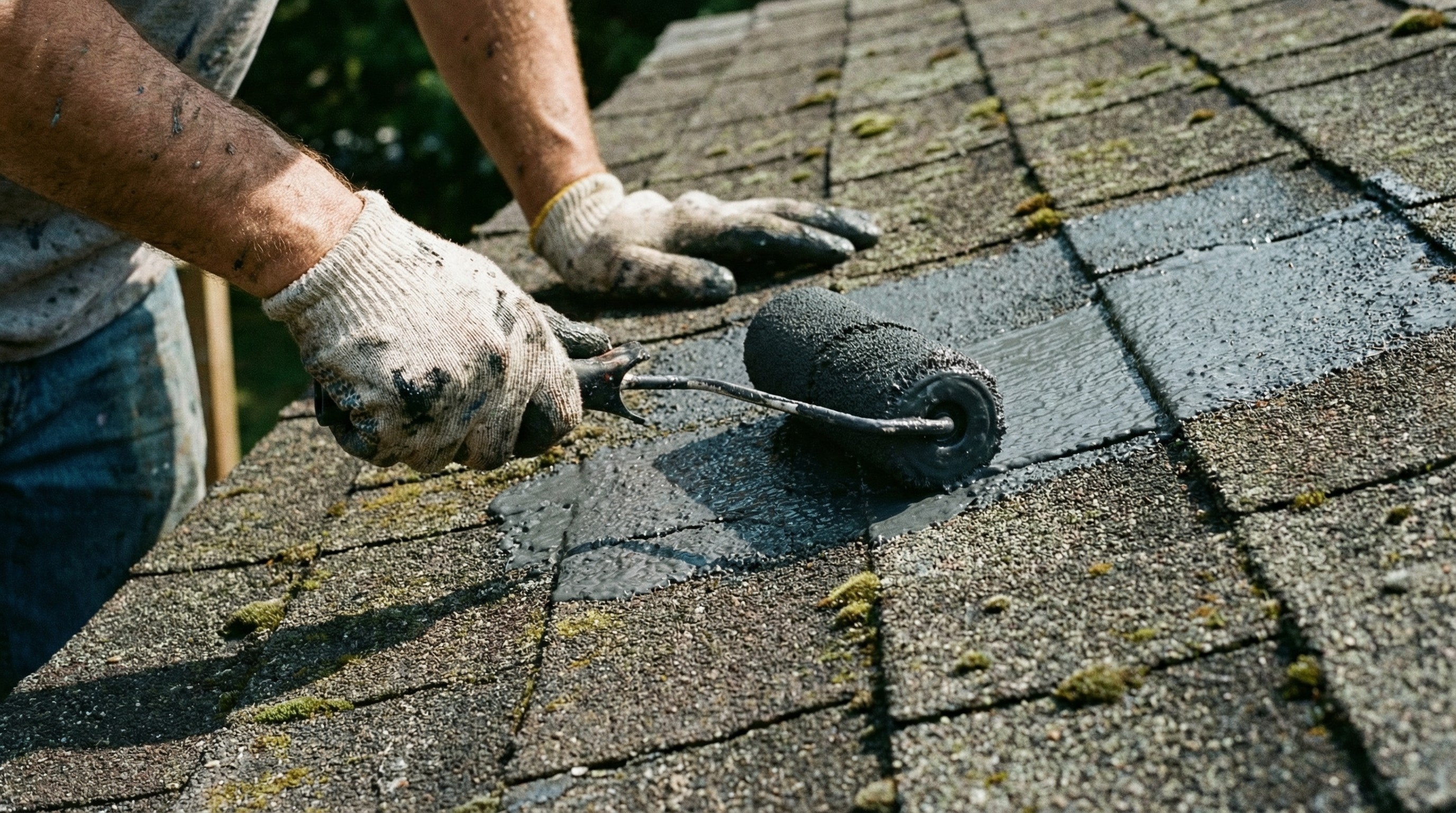
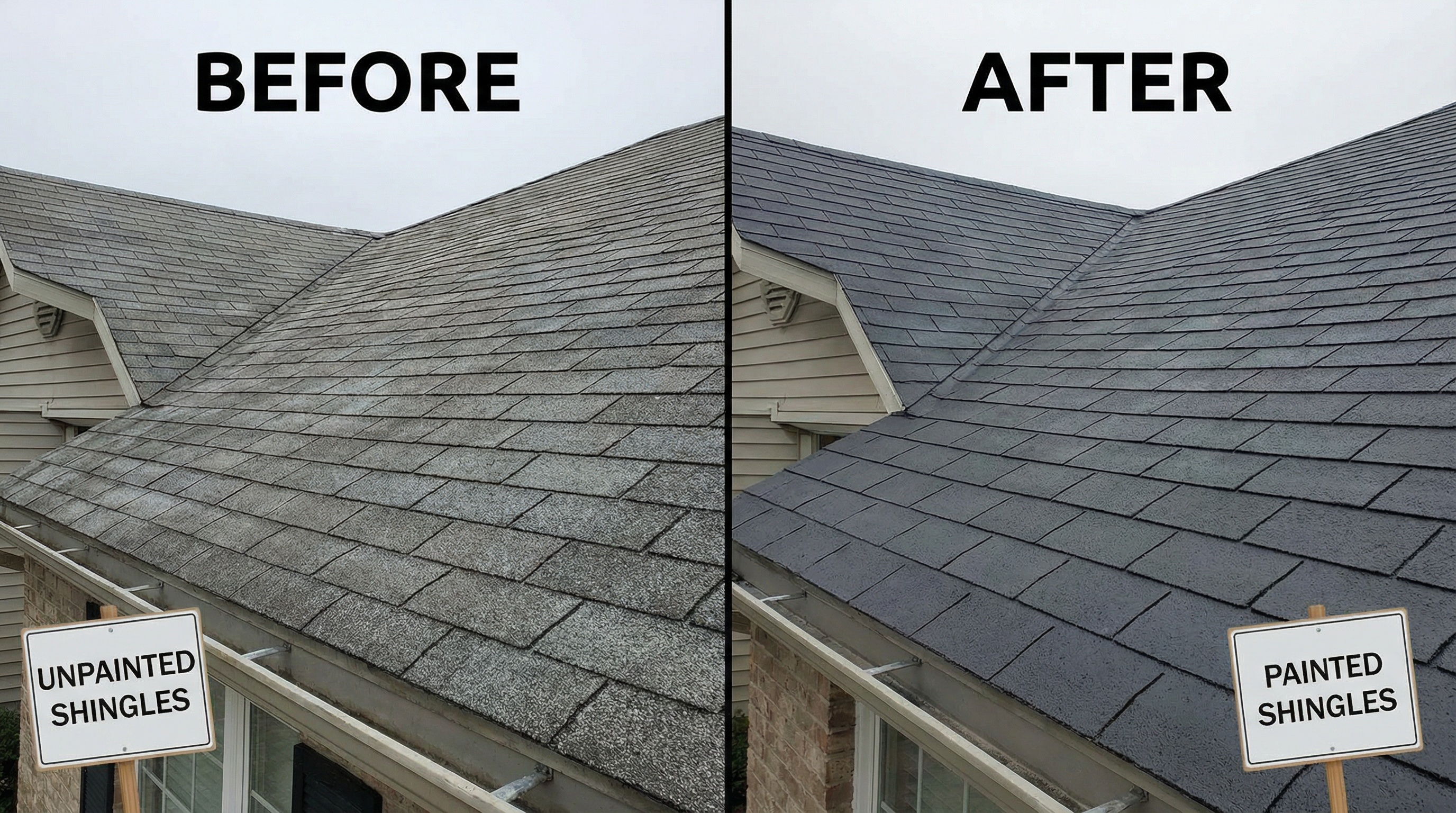
Shingle spray paint—often formulated as an elastomeric or acrylic coating—is designed to rejuvenate, protect, and color-fade-correct residential and commercial roofing shingles or vertical siding. Over time, UV radiation, thermal shock, moisture, and biological growth (such as algae and moss) degrade asphalt and composite shingles, leading to brittle edges, granule loss, and a chalky appearance. Applying a specialized shingle coating creates a seamless, flexible membrane that locks in remaining granules, blocks UV rays, and restores uniform curb appeal.
Unlike traditional house paint or standard exterior latex, quality shingle paint is engineered to expand and contract with extreme temperature fluctuations without cracking or peeling. It must possess high breathability to allow trapped interior moisture to escape while remaining waterproof enough to repel driving rain.
Common Applications
- Asphalt Composite Shingles: Restoring color uniformity and binding loose granules on aging roofs.
- Cedar Shakes and Wood Shingles: Adding a protective, breathable layer that deters moisture rot while enhancing natural grain.
- Slate and Concrete Tiles: Refreshing faded pigments and sealing micro-fissures against freeze-thaw cycles.
Prerequisites and Surface Preparation
Skipping preparation is the primary cause of coating failure. Because roofs and vertical shingle walls endure harsh environmental conditions, any residual dirt, oils, or loose material will prevent the spray paint from bonding.
1. Thorough Cleaning and Debris Removal
Begin by clearing away leaves, pine needles, and organic debris from valleys and gutters. Sweep the surface with a soft-bristle broom. For roofs, use a pressure washer cautiously or—preferably—a low-pressure garden hose paired with a specialized roof-cleaning solution. High-pressure washing (above 1,500 PSI) can strip away vital asphalt granules and damage the substrate.
2. Treating Mold, Mildew, and Algae
If green or black streaks (Gloeocapsa magma) are present, apply a fungicidal wash or a mixture of water and oxygen bleach. Allow the solution to dwell according to manufacturer instructions, then rinse thoroughly. Avoid chlorine bleach solutions if runoff will damage surrounding landscaping, or ensure plants are thoroughly pre-wetted and covered.
3. Repairs and Replacements
Spray paint is a cosmetic and protective coating, not a structural fix. Inspect the surface for cracked, curled, or missing shingles. Replace damaged units and secure loose tabs with roof cement before proceeding. Ensure all flashings, vents, and penetrations are properly sealed.
4. Complete Drying Time
The surface must be completely dry before application. Moisture trapped beneath an impermeable elastomeric coating will quickly bubble, blister, and peel. Allow a minimum of 24 to 48 hours of dry weather following any cleaning or rain.
Environmental and Safety Requirements
Working with aerosolized or spray-applied coatings requires strict adherence to environmental parameters and personal safety protocols.
- Weather Conditions: Apply shingle spray paint when ambient temperatures are between 50°F and 85°F (10°C to 29°C). Avoid application under direct, intense midday sun, which can cause the paint to flash-dry and fail to bond. Do not spray if rain is forecast within 24 to 48 hours. Wind speeds should remain below 10 mph to prevent overspray drift.
- Personal Protective Equipment (PPE): Wear an organic vapor respirator (NIOSH-approved), safety goggles, disposable coveralls, and slip-resistant footwear (such as soft-soled shoes to avoid damaging shingles).
- Overspray Protection: Protect adjacent surfaces—including siding, windows, landscaping, vehicles, and pathways—using heavy-duty drop cloths, plastic sheeting, and painter's tape. Wind drift can carry fine mist particles significant distances.
Step-by-Step Application Guide
Whether utilizing aerosol cans for touch-ups or an airless paint sprayer for large roof surfaces, methodical execution ensures professional results.
| Step | Action Item | Key Consideration |
|---|---|---|
| 1. Masking & Prep | Cover surrounding property and secure loose items. | Prevent costly overspray cleanup on vehicles and siding. |
| 2. Priming (If Needed) | Apply a bonding primer on bare asphalt or chalky surfaces. | Enhances adhesion for high-porosity or severely weathered substrates. |
| 3. Agitation | Thoroughly mix or shake the product container. | Ensures pigment and binder consistency throughout application. |
| 4. First Pass | Spray even, overlapping horizontal or vertical strokes. | Maintain a consistent distance (10–12 inches) from the surface. |
| 5. Curing | Allow recommended recoat and cure times between layers. | Rushing layers traps solvents and compromises elasticity. |
Loading and Setting Up Equipment
If using an airless paint sprayer, select a tip size recommended by the paint manufacturer (typically a .015 to .017 tip for heavy elastomeric coatings). Strain the paint to prevent nozzle clogs. Prime the pump and adjust pressure until a clean, even fan pattern is achieved without heavy edges.
Spray Technique
Hold the spray gun perpendicular to the shingle surface, maintaining a constant distance of 10 to 12 inches. Do not fan your wrist, as this deposits uneven amounts of paint—heavier in the center and thin at the edges. Overlap each pass by 50% to ensure uniform coverage.
Work systematically from the ridge down to the eaves on roofs, or top-to-bottom on vertical siding. Ensure paint penetrates beneath overlapping shingle tabs without flooding the gaps, which can block necessary drainage paths.
Applying Multiple Coats
Most restoration projects require two thin coats rather than one heavy layer. Apply the second coat perpendicular to the first (cross-hatching) if permitted by the product guidelines, once the initial coat is tack-free (usually 2 to 4 hours depending on humidity).
Curing, Maintenance, and Post-Application Inspection
Once application is complete, proper curing is essential for long-term durability.
- Curing Phase: Keep foot traffic on the newly coated surface to an absolute minimum for at least 72 hours. Full chemical cure may take up to 14 days, during which time the coating achieves its maximum tensile strength and flexibility.
- Cleanup: Clean airless sprayers immediately using mineral spirits or water, depending on whether the formulation is oil- or water-based. Dispose of empty containers and solvent rags in accordance with local environmental regulations.
- Ongoing Maintenance: Inspect coated shingles annually for signs of wear, physical damage from falling branches, or biological regrowth. Promptly touch up minor abrasions with a matching aerosol formulation to prevent moisture ingress.
Frequently Asked Questions
Can I use regular exterior spray paint on roof shingles?
No. Standard exterior spray paints lack the necessary elastomeric properties required to withstand the severe thermal expansion and contraction of roofs. They will quickly crack, chalk, and peel under direct UV exposure. Always use a dedicated shingle or roof coating.
How long does shingle spray paint last?
High-quality elastomeric shingle coatings typically last between 5 and 10 years, depending on climate severity, roof pitch, sun exposure, and the thoroughness of the initial surface preparation.
Will painting my roof shingles reduce energy costs?
If you select a light-colored or solar-reflective (cool roof) shingle coating, it can significantly reduce solar heat absorption, lowering indoor cooling loads and extending the lifespan of the underlying roofing material.
Can I spray paint composite shingles that are curling?
Curled shingles indicate advanced aging and structural failure. While spray paint can temporarily improve aesthetics, it will not flatten or structurally repair curled or brittle shingles, which should be replaced prior to coating.
Is an airless sprayer required, or can I use aerosol cans?
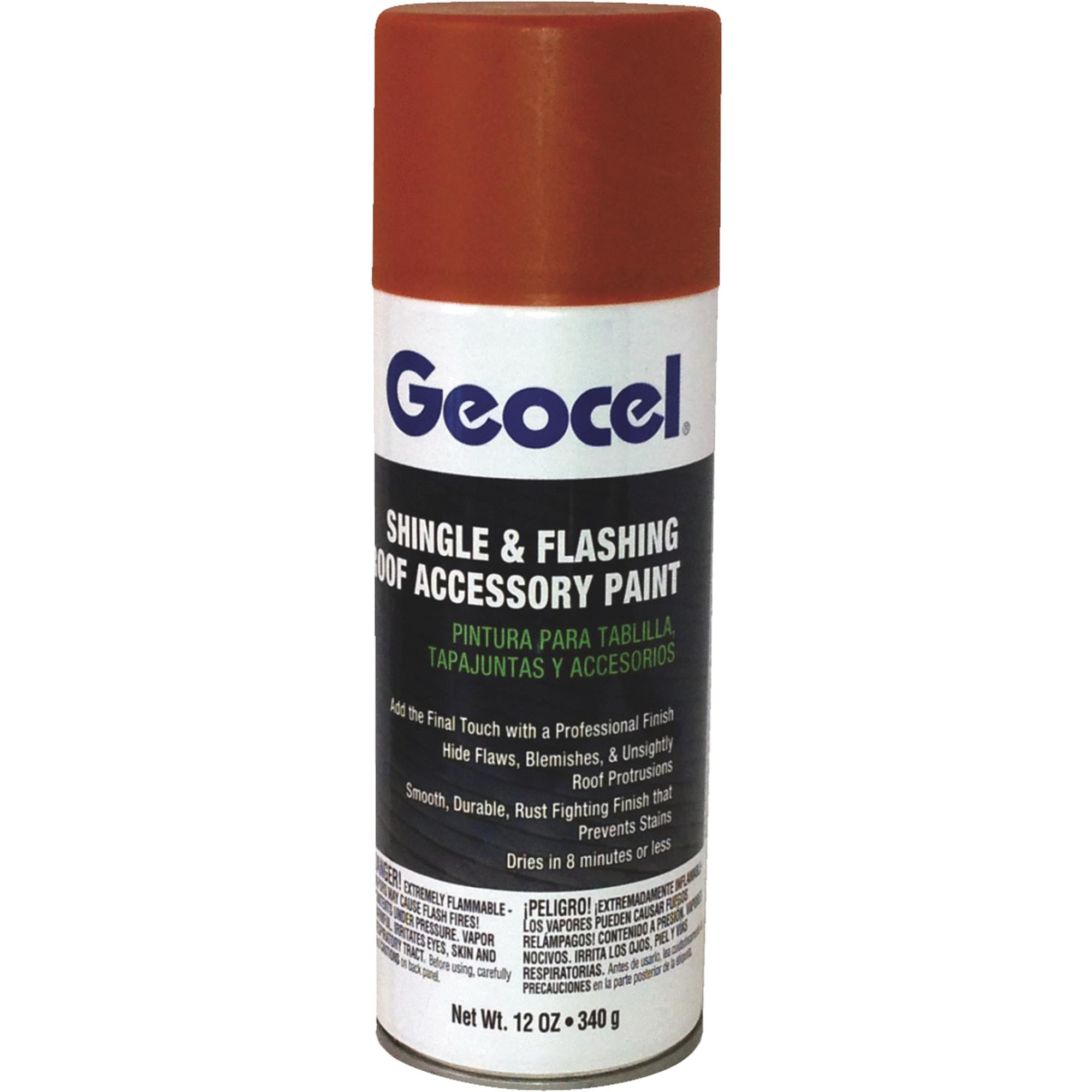
Aerosol cans are strictly suited for small touch-ups, ridge caps, or minor repairs. For entire roofs or large siding sections, an airless paint sprayer or professional HVLP system is necessary to achieve uniform coverage and efficiency.
Ensure all safety guidelines are followed and check local building codes or homeowner association rules regarding exterior color changes before starting your shingle painting project.
Image Gallery