When Does My Car Insurance Go Down? A Complete Guide to Lowering Your Rates
Car insurance rates typically start to drop significantly once a driver turns 25, provided they maintain a clean driving record. Additional decreases occur as drivers gain experience, move past at-fault accidents or traffic violations...
Car insurance rates typically start to drop significantly once a driver turns 25, provided they maintain a clean driving record. Additional decreases occur as drivers gain experience, move past at-fault accidents or traffic violations after three to five years, and age into senior brackets where annual mileage often drops.
Contents
Navigating the financial landscape of automotive coverage can often feel frustrating, particularly when premiums seem high despite years of consistent payments. Understanding the precise timeline and underlying mechanics of how and when insurance rates decrease allows policyholders to proactively manage their expenses. Rather than passively waiting for time to pass, recognizing the milestones, risk algorithms, and policy adjustments that trigger lower rates empowers drivers to take control of their auto insurance costs.
The Age Factor: Key Milestones in Driver Aging
Age remains one of the primary variables underwriters use to calculate risk. Insurance companies analyze centuries of actuarial data that consistently demonstrate a statistical correlation between age, driving experience, and the likelihood of filing a claim.
Younger drivers, particularly teenagers, represent the highest statistical risk bracket. Lacking behind-the-wheel experience, adolescent drivers are more prone to distraction, misjudging road conditions, and severe accidents. Consequently, adding a teenager to a policy often doubles or triples the premium. However, this high-cost phase shifts at specific age milestones.
Underage and Teen Drivers (Ages 16–19)
During these formative years, insurance rates sit at their absolute peak. Insurers view drivers under 20 as high-risk due to a lack of situational awareness and underdeveloped hazard-detection skills. Rates can remain extraordinarily high unless parents utilize discounts such as good student programs or driver's education courses.
The Early Twenties Shift (Ages 21–24)
As drivers enter their early twenties, rates begin a gradual, incremental decline. By age 21, most states permit individuals to rent vehicles without young-driver surcharges, and insurance companies begin recognizing several years of continuous licensed driving history. While still elevated compared to mature adults, the sharp spike of the teenage years begins to flatten.
The Major Milestone: Turning 25
The twenty-fifth birthday is widely recognized as the watershed moment for auto insurance reductions. Actuarial tables show that by age 25, the human brain’s prefrontal cortex—responsible for risk assessment and impulse control—is fully developed. Coupled with at least seven to nine years of driving experience, policyholders typically experience a noticeable drop in their premiums, assuming no major tickets or claims have occurred.
Mature Drivers and Senior Brackets (Ages 50–69)
Rates often reach their lowest and most stable plateau between ages 40 and 60. During this window, drivers are established, have long-term driving records, and often commute shorter distances. However, once drivers cross age 70 or 75, rates may begin to tick upward again. Insurers view advanced age through the lens of potential medical fragility and slower reaction times, prompting slight rate adjustments even for historically safe drivers.
Driving Record and Incident Decay Timelines
While aging naturally reduces risk over time, incidents on a driving record can temporarily spike premiums. Insurance companies do not hold violations against policyholders indefinitely; every state and carrier operates under specific look-back periods that dictate when an infraction "falls off" the record.
Minor traffic infractions, such as speeding tickets, rolling through a stop sign, or minor parking violations, typically affect rates for three to five years. During this window, the associated safe-driver discount may be forfeited, and a surcharge may apply. Once the look-back window closes, the violation drops off the Motor Vehicle Record (MVR), and base rates naturally decrease.
Major infractions, such as Driving Under the Influence (DUI), Reckless Driving, or hit-and-run incidents, carry much longer consequences. These severe marks can impact insurance rates for seven to ten years, and in some jurisdictions, require high-risk pool coverage known as an SR-22 or FR-44 filing.
Similarly, at-fault accidents generally remain rating factors for three to six years, depending on the state regulations and the payout amount of the claim. Non-fault accidents—where another driver hits you and their insurance covers the damage—should not legally or practically increase your rates in most jurisdictions, though multiple claims of any type can occasionally flag a policyholder as a higher risk.
Credit History and Policy Tenure Milestones
Beyond age and driving history, financial stability and loyalty metrics heavily influence when and how fast insurance rates decrease.
Credit-Based Insurance Scores
In the majority of U.S. states, insurers use credit-based insurance scores to predict the likelihood of a claim. Drivers who actively manage their credit, pay bills on time, and lower their debt-to-income ratios will see their insurance scores improve. As these scores step up into higher tiers, annual policy renewals reflect the improved financial risk profile, resulting in lower rates. (Note: States such as California, Hawaii, Massachusetts, and Michigan prohibit the use of credit scores in auto insurance rating).
Tenure and Loyalty Discounts
Insurance companies value retention. Policyholders who maintain continuous coverage with the same provider for consecutive years often earn distinct loyalty tiers. Furthermore, maintaining continuous insurance coverage without gaps—even if switching between carriers—prevents drivers from falling into the high-risk "uninsured period" penalty bracket, which triggers steep introductory rates.
Vehicle Depreciation and Coverage Adjustments
The physical asset being insured plays a direct role in the cost of coverage. As a vehicle ages, its actual cash value (ACV) decreases, which directly impacts the cost of comprehensive and collision coverages.
| Vehicle Age / State | High Value / New Vehicle | Older / Fully Depreciated Vehicle |
|---|---|---|
| Comprehensive Cost | Higher (Expensive parts) | Lower (Matches lower market value) |
| Collision Cost | Higher (Cost to repair/replace) | Lower (Capped by vehicle's ACV) |
| Strategic Action | Keep full coverage | Consider dropping collision |
When a car is brand new, comprehensive and collision insurance cost significantly more because replacing or repairing factory parts on a modern vehicle is expensive. As the car depreciates over 5 to 10 years, the maximum payout the insurer would issue in a total loss shrinks.
Once a vehicle drops below a certain market value—often cited as when the annual cost of comprehensive and collision coverage equals or exceeds 10% of the car's total book value—policyholders can drop these optional coverages. Eliminating collision on an older vehicle causes an immediate, permanent reduction in the overall insurance premium.
Proactive Steps to Lower Your Insurance Today
Waiting for age or time to naturally reduce insurance rates can be slow. Drivers can take active measures at any point during their policy lifecycle to force a reduction in premiums.
- Shop Around and Compare Quotes: Insurance markets fluctuate constantly. Requesting quotes from at least three different carriers every 12 to 24 months ensures your rate remains competitive.
- Increase Your Deductibles: Raising a comprehensive or collision deductible from $500 to $1,000 can reduce your physical damage premium by 15% to 30%. Ensure you have the higher deductible amount saved in an emergency fund to cover potential out-of-pocket costs.
- Enroll in Telematics Programs: Many modern insurers offer app-based or plug-in device tracking programs (such as Progressive Snapshot or State Farm Drive Safe & Save). Safe driving habits—such as avoiding sudden braking, minimizing late-night driving, and keeping speeds within legal limits—can yield discounts of up to 30% or more.
- Bundle Policies: Combining auto insurance with homeowners, renters, or umbrella policies through a single carrier almost always triggers multi-policy discounts.
- Request Annual Mileage Audits: If you have transitioned to remote work, retired, or changed jobs closer to home, your annual mileage may have dropped significantly. Informing your insurer of lower mileage reduces your risk exposure rating.
Frequently Asked Questions
Does car insurance automatically go down on your 25th birthday?
No, insurance does not automatically drop the day you turn 25. While reaching age 25 shifts you into a lower statistical risk tier, carriers adjust rates at the time of your policy renewal. You may need to call your agent or run a policy review once your birthday passes to ensure the updated age bracket is fully factored into your current rates.
How long do speeding tickets stay on my insurance record?
Speeding tickets typically affect your insurance rates for three to five years, depending on state laws and your insurance provider's underwriting guidelines. Once that specific look-back period expires, the point or infraction is removed from your motor vehicle report, and associated surcharges disappear from your billing statement.
Does getting married lower my car insurance?
Yes, in most cases. Actuarial data shows that married couples statistically file fewer claims and engage in fewer high-risk driving behaviors than single drivers. Combining policies with a spouse or simply updating your marital status with your current provider frequently results in an immediate drop in rates.
Why did my car insurance go up even though I didn't get any tickets?
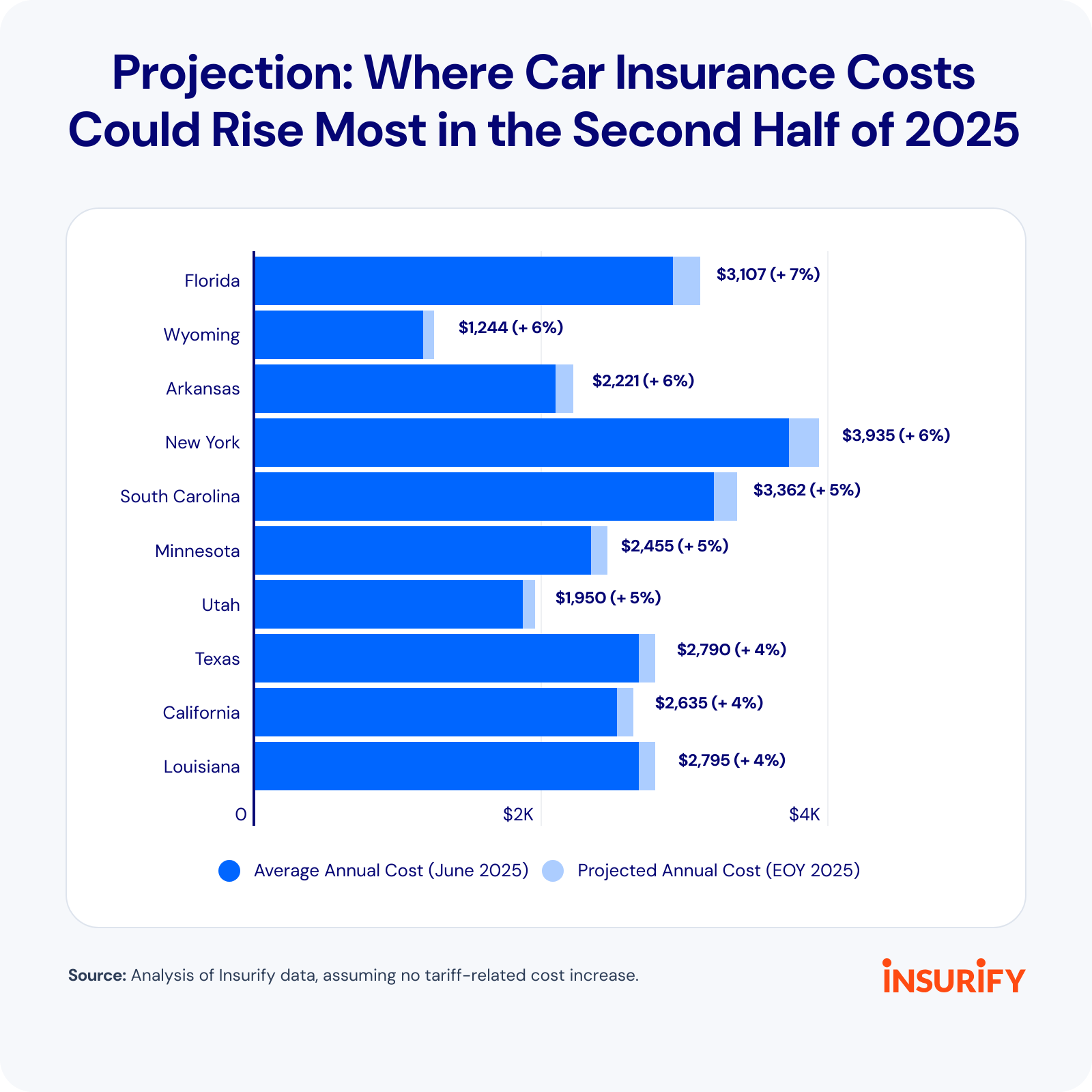
Even with a pristine driving record, premiums can rise due to macro-economic factors. Increases in vehicle repair costs (due to advanced sensors and technology in modern cars), rising medical inflation, higher local accident frequencies, and natural disaster claims in your region affect the broader risk pool, causing rates to increase across the board.
Is it worth keeping full coverage on an older car?
Generally, if your car is worth less than $3,000 to $4,000, paying for comprehensive and collision coverage often makes little financial sense. If the cost of the coverage combined with your deductible approaches the total market value of the vehicle, you are paying for protection that will yield a very small payout in the event of a total loss.
Next Steps and Action Plan
To capitalize on rate reductions, review your current insurance declaration page today. Identify your vehicle's current market value, check your renewal date, and verify whether any past tickets or accidents have cleared their three-to-five-year windows. Contact your insurance agent to ask for an audit of your annual mileage, inquire about unclaimed discounts, and request comparative quotes to ensure you are receiving the best possible rate for your current driver profile.
Image Gallery