How to Read Billiard Table Reviews to Find the Best Quality
Reading billiard table reviews effectively requires looking past marketing buzzwords and star ratings to evaluate critical structural elements like slate thickness, frame construction, and professional installation feedback. By analyzi...
Reading billiard table reviews effectively requires looking past marketing buzzwords and star ratings to evaluate critical structural elements like slate thickness, frame construction, and professional installation feedback. By analyzing user experiences, expert assessments, and material specifications, buyers can distinguish between high-end furniture designed for decades of precise play and inexpensive decorative tables prone to warping.
Contents
Purchasing a billiard or pool table represents a significant investment in home recreation. Unlike traditional furniture, a billiard table functions primarily as a precision sports apparatus where structural integrity dictates game performance. A high-quality review does not merely praise the aesthetics of a wooden cabinet; it examines the foundational engineering that keeps the playing surface level over years of use. Navigating the landscape of consumer feedback, buyer guides, and technical critiques requires a strategic approach. Readers must understand how to extract objective data from subjective commentary, spot sponsored bias, and recognize the specific manufacturing benchmarks that separate a tournament-grade table from a disposable toy.
Understanding the Core Components of Billiard Table Reviews
Before analyzing individual reviews, a buyer must establish a baseline understanding of what makes a pool table perform well. Professional and enthusiast reviews typically focus on a few non-negotiable structural elements. When reading evaluations, look for detailed commentary on slate quality, cabinet construction, frame reinforcement, and rail rubber performance. If a review omits these technical details and focuses entirely on the color of the felt or the sleekness of the legs, it lacks the depth required to make an informed purchase.
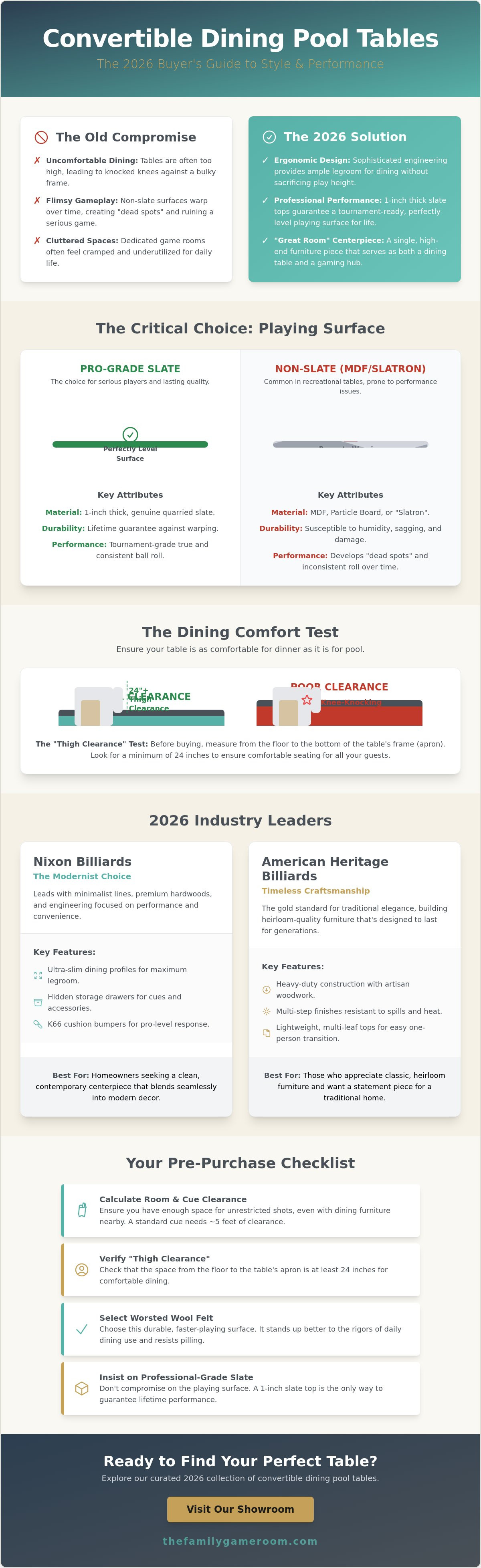
Slate is universally recognized as the gold standard for playing surfaces. Authentic reviews will explicitly state whether a table uses genuine slate or alternative materials like MDF (Medium-Density Fiberboard), slate-like composite, or particle board. Genuine slate reviews should further specify thickness—typically 3/4-inch for residential casual play and 1-inch (or tournament-grade 1-inch backed by sturdy frames) for serious enthusiasts. MDF surfaces warp over time under humidity and the weight of resting arms, a critical flaw that detailed reviews will unmask through long-term owner updates.
Furthermore, frame and cabinet construction determine how well the table maintains its level surface. Heavy-duty tables utilize solid hardwood or heavy engineered wood with internal cross-beams. Reviews that mention wobbling during heavy leaning or accidental bumps indicate inferior cabinet bracing. Similarly, the cushions—often referred to as rail cushions or bumpers—must be made of high-grade gum rubber. Low-quality rubber hardens and deadens ball bounce over a few years, a degradation issue frequently highlighted by experienced players in consumer feedback forums.
Analyzing Expert Critiques Versus User Testimonials
A balanced approach to researching billiard tables involves reading two distinct types of evaluations: structured expert reviews and unfiltered consumer testimonials. Each serves a specific purpose in the purchasing journey, and understanding their biases prevents costly mistakes.
Expert reviews, often published on specialized gaming sites or interior design platforms, typically evaluate a table under controlled conditions. These reviews excel at breaking down technical specifications, measuring dimensions accurately, and assessing assembly complexity. However, experts may spend only a few hours with a product, meaning they cannot report on long-term durability, cloth wear under heavy usage, or how seasonal humidity affects the slate seams.
| Review Type | Primary Strengths | Common Limitations | Best Used For |
|---|---|---|---|
| Expert Critiques | Technical specs, assembly analysis, brand comparisons | Short testing window, potential manufacturer bias | Initial filtering and technical validation |
| Consumer Testimonials | Long-term wear, delivery reliability, real-world durability | Subjective bias, variable user assembly skill | Uncovering hidden defects and customer service quality |
Consumer testimonials found on e-commerce marketplaces and enthusiast forums provide the missing long-term perspective. Owners who have lived with a table for six months to five years can speak directly to how the felt holds up against pet claws or aggressive play, whether the slate stays level through seasonal temperature shifts, and how the manufacturer handles warranty claims. However, consumer reviews often suffer from user error. A one-star review complaining about a rolling ball or an unlevel surface is frequently the result of improper DIY installation rather than a manufacturing defect. Cross-referencing expert specifications with consumer experiences allows buyers to separate genuine product flaws from assembly mistakes.
Red Flags and Warning Signs in Online Reviews
Navigating online feedback requires a discerning eye for misleading information. Manufacturers and retailers occasionally manipulate review sections, while frustrated buyers may vent unfairly due to shipping complications rather than product quality. Learning to spot suspicious patterns protects buyers from making poor investments.
The most common red flag in product reviews is an unnatural concentration of generic five-star ratings posted within a very short timeframe, often lacking specific details about gameplay or construction. Conversely, an influx of one-star reviews complaining exclusively about freight delivery delays, missing hardware packages, or damaged outer packaging should be evaluated carefully. While delivery logistics matter, a damaged box does not necessarily reflect structural flaws in the slate or cabinet. Buyers must separate logistics complaints from structural performance feedback.
Look for specific mentions of recurring technical failures. If multiple verified purchasers report that the rail bolts strip easily during assembly, that the slate arrived pre-cracked, or that the cloth pills and tears within weeks of normal play, these systemic manufacturing flaws serve as reliable warning signs. Detailed reviews that feature photographs of warped seams, misaligned pockets, or sagging frames carry significantly more weight than generic written complaints.
Evaluating Installation and Logistics Feedback
Purchasing a billiard table is entirely different from buying a standard piece of furniture. Weighing anywhere from 650 to over 1,000 pounds, these tables require specialized freight delivery, professional room dimension planning, and expert leveling using machinist levels and beeswax or epoxy for slate seams. Therefore, reading reviews that address the logistics and installation process is just as crucial as reading about the table itself.
Reviews often highlight whether a brand includes white-glove professional installation or if the buyer is expected to assemble the multi-piece slate system independently. Attempting to install a three-piece slate table without professional experience almost always results in an unlevel playing surface, ruined seams, and frustrated gameplay. When reading customer feedback, pay close attention to comments regarding customer service responsiveness if parts arrive damaged. A reputable billiard manufacturer will seamlessly replace cracked slate or missing hardware, whereas low-tier drop-shippers often leave customers stranded with expensive, unplayable crates of materials.
Furthermore, reviewers frequently discuss room size requirements that manufacturers recommend versus what is practically usable. While a manufacturer might claim a room needs to be 13 by 17 feet for a standard 8-foot table, user reviews often clarify whether standard 58-inch cues will comfortably clear walls and room obstacles, or if shorter 48-inch cues are required for tight corners. This practical, real-world spatial feedback helps buyers avoid purchasing a table that physically fits into a room but remains unplayable due to wall interference.
Frequently Asked Questions About Billiard Table Reviews
How can I tell if a billiard table review is sponsored or biased?
Sponsored reviews or affiliate-driven roundups often lack critical commentary, feature exaggerated praise, and frequently link directly to purchasing platforms without discussing competitor alternatives. To verify authenticity, look for independent forum discussions where owners share unedited photos and discuss both the pros and cons of their purchase over a multi-year period.
Why do some reviews complain about unlevel tables even when buying high-end models?
A billiard table is rarely unlevel due to a factory defect; instead, 95% of leveling issues stem from improper installation or the natural settling of residential subfloors. Professional slate tables require precise shimming and leveling with specialized tools. Reviews complaining about a rolling ball often reflect poor DIY installation rather than bad manufacturing.
Are MDF playing surfaces ever acceptable according to expert reviews?
Expert reviews generally discourage MDF playing surfaces for anyone looking for authentic billiard physics. While MDF tables are lighter, less expensive, and easier to move, they lack the structural rigidity of slate and are highly susceptible to moisture damage and sagging over time. MDF is only recommended for casual game rooms where precision play is not a priority.
What slate thickness should I look for in positive consumer reviews?
Positive reviews for long-lasting, serious play almost universally recommend 1-inch thick backed slate. Three-quarter-inch slate is acceptable for lighter residential tables, but tournament standards and professional-grade durability require a full 1-inch thickness to absorb heavy ball impacts and maintain absolute flatness.
How do I weigh negative reviews when most ratings are positive?
Filter negative reviews by technical substance. Ignore complaints regarding delivery driver attitudes or minor scuffs on hidden interior wood, but pay immediate attention to recurring reports of structural failure, such as split wood frames, warping slate, or dead rail cushions that fail within the first year of ownership.
Making the Final Purchasing Decision
Successfully reading billiard table reviews ultimately culminates in a well-informed purchasing decision tailored to your specific space, budget, and play style. Once you have filtered out marketing fluff and isolated authentic long-term owner feedback, cross-reference the specifications with your room dimensions and recreational goals. Prioritize structural integrity—specifically genuine slate and solid framing—over cosmetic embellishments. By approaching reviews with a critical, technical eye, you ensure that your investment delivers decades of precise, reliable gameplay rather than frustrating maintenance challenges.
Image Gallery