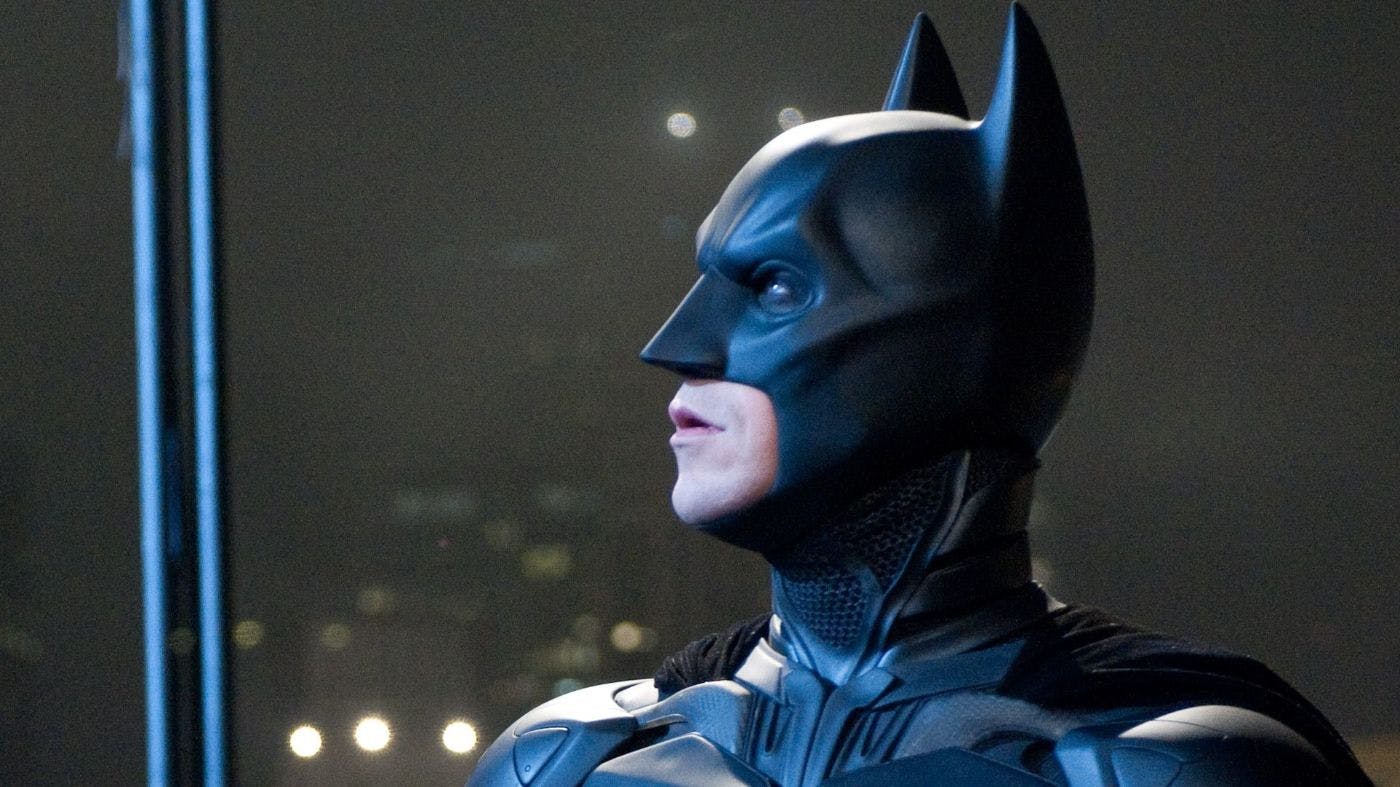
Why The Dark Knight Movie Awards Still Matter in Modern Cinema
The legacy of The Dark Knight endures because its unprecedented awards recognition shattered industry prejudices against comic book cinema, transforming how major voting bodies evaluate blockbuster filmmaking, technical craft, and tran...
The legacy of The Dark Knight endures because its unprecedented awards recognition shattered industry prejudices against comic book cinema, transforming how major voting bodies evaluate blockbuster filmmaking, technical craft, and transcendent acting performances.
Contents
When Christopher Nolan’s The Dark Knight entered the 2008–2009 awards season, the cinematic landscape treated superhero films as high-revenue commercial products fundamentally separate from "prestigious" dramatic art. Major guilds, critics associations, and the Academy of Motion Picture Arts and Sciences historically relegated comic book adaptations to technical categories like sound editing or visual effects. The Dark Knight disrupted this entrenched paradigm. By examining why these specific movie awards still matter, we uncover a pivotal turning point that redefined the modern cinematic canon, altered industry voting psychology, and established a new benchmark for how commercial blockbusters achieve enduring critical validation.
The 2008–2009 Awards Landscape: A Paradigm Shift
To understand why the accolades earned by The Dark Knight continue to resonate, one must examine the institutional status quo of the late 2000s. Traditional prestige cinema relied on historical dramas, independent biographies, and gritty crime thrillers to dominate major ceremonies. Studio blockbusters were expected to pull heavy box-office numbers while remaining invisible to high-brow voters.
When The Dark Knight grossed over $1 billion worldwide, it proved that massive commercial appeal could coexist with uncompromising auteur direction and thematic depth. However, the true shockwave hit when the film was famously snubbed for a Best Picture nomination at the 81st Academy Awards—a controversial omission that directly triggered the Academy's decision to expand the Best Picture category from five nominees to up to ten the very next year.
This structural reform stands as a tangible, long-lasting consequence of the film's awards campaign. Voters realized that ignoring a culturally seismic, critically acclaimed picture alienated mainstream audiences and undermined the relevance of the ceremonies themselves. The awards conversation surrounding the film forced a modern reckoning: artistic merit cannot and should not be measured solely by budget size, genre boundaries, or distribution scale.
Heath Ledger’s Posthumous Triumph and Acting Credibility
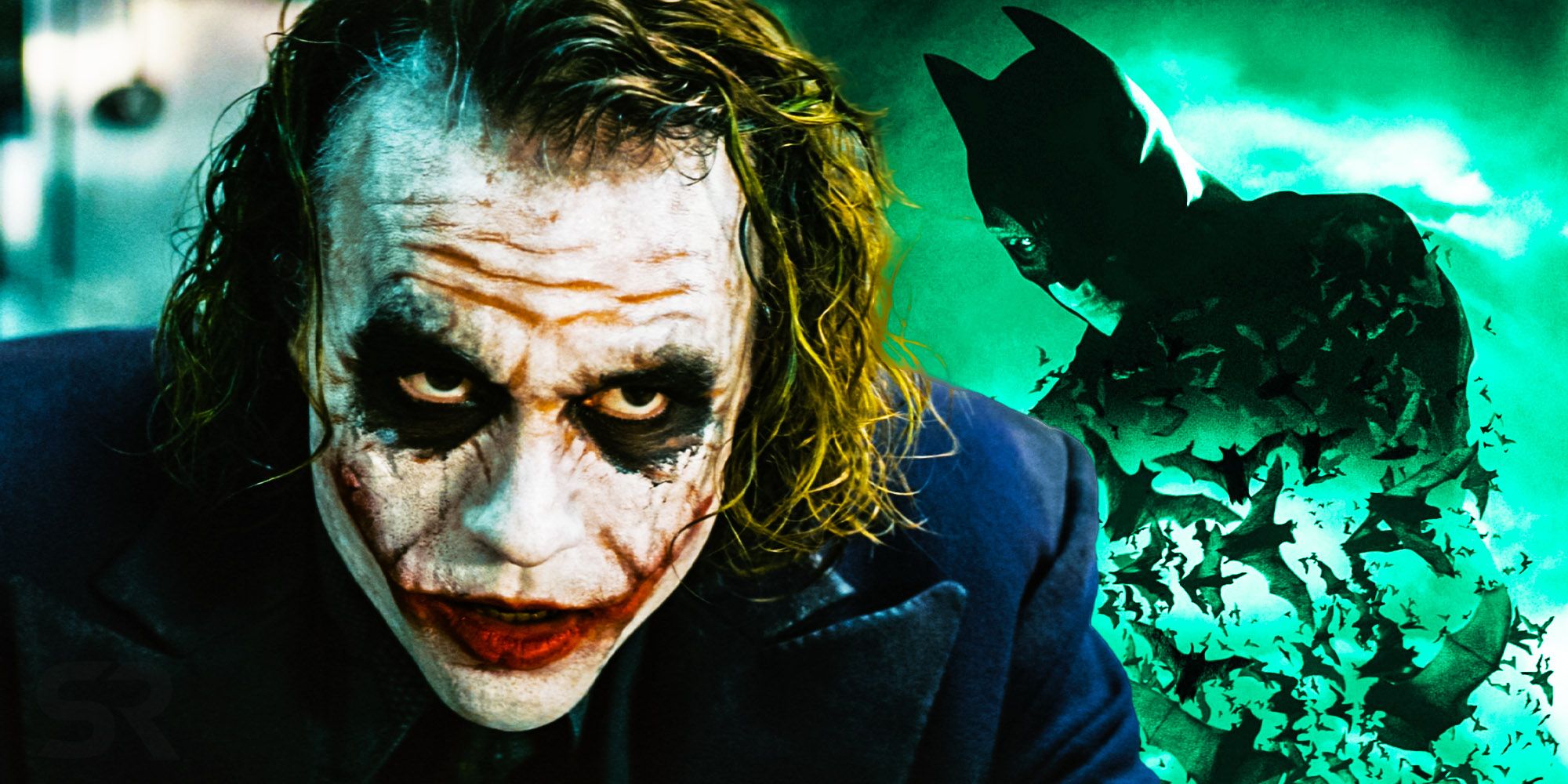
No single element anchors the enduring significance of The Dark Knight awards legacy quite like Heath Ledger's performance as the Joker. Capturing the Academy Award for Best Supporting Actor, along with the Golden Globe, BAFTA, and Screen Actors Guild awards, Ledger’s win broke a profound industry barrier.
| Award Body | Category | Result | Historical Significance |
|---|---|---|---|
| Academy Awards | Best Supporting Actor | Won | First posthumous acting win for a lead/supporting comic book role. |
| Golden Globe Awards | Best Supporting Actor – Motion Picture | Won | First major precursor to validate a comic book performance as high art. |
| BAFTA Awards | Best Actor in a Supporting Role | Won | Demonstrated international critical consensus across cultural borders. |
| SAG Awards | Outstanding Performance by a Male Actor in a Supporting Role | Won | Validated by peer actors who recognized the intense physical and psychological craft. |
Prior to Ledger's sweep, comic book villains were frequently dismissed as campy caricatures or one-note genre antagonists. Ledger imbued the Joker with anarchic philosophy, physical tics, and terrifying realism, elevating the character study to classical theatrical levels. His sweep across the major four ceremonies proved that peer-voted guilds could look past genre snobbery and evaluate sheer performance quality on its own merits. This victory paved the way for subsequent gritty character studies, ultimately creating a pathway for actors like Joaquin Phoenix in Joker (2019) and Robert Downey Jr. in Oppenheimer to claim similar high-tier recognition.
Technical Mastery and Craft Recognition
Beyond acting honors, The Dark Knight matters in award history because it validated state-of-the-art technical craftsmanship executed under practical parameters. Cinematographer Wally Pfister utilized high-resolution IMAX cameras for key sequences, capturing large-format clarity that transformed action cinematography.
The film won the Academy Award for Best Sound Editing and secured nominations for Best Art Direction, Best Cinematography, Best Film Editing, Best Makeup, and Best Sound Mixing. By securing nominations across these critical technical branches, the film demonstrated that blockbuster action choreography and practical stunt work required the same precise artistic collaboration as period pieces and historical epics.
| Craft Category | Recognition Status | Industry Impact |
|---|---|---|
| Cinematography | Academy Award Nominee | Proved IMAX large-format capture belongs in prestige cinematography discussions. |
| Sound Editing | Academy Award Winner | Set a modern benchmark for immersive auditory world-building in action cinema. |
| Film Editing | Academy Award Nominee | Demonstrated how rapid, high-stakes narrative pacing maintains spatial coherence. |
| Makeup | Academy Award Nominee | Validated practical prosthetic design over reliance on digital alteration. |
These technical nods matter because they established a precedent: modern blockbusters could win or compete for craft awards not just because they had expensive budgets, but because their technical execution elevated the storytelling medium forward.
Long-Term Impact on Modern Blockbuster Awards Strategy
The enduring relevance of The Dark Knight movie awards footprint is visible in every modern studio campaign that positions a tentpole film for prestige season consideration. Before 2008, summer blockbusters and winter awards contenders occupied completely different universes. Today, studios routinely map out dual-target release and campaign strategies designed to capture both opening-weekend box office and late-year guild attention.
Furthermore, the film's legacy forced critics' circles and voting bodies to formalize genre categories and take science fiction, fantasy, and comic book adaptations seriously. When modern films like Black Panther secure a Best Picture nomination or technical innovators like Avatar sweep production design categories, they are navigating a pathway cleared by the institutional battles fought during The Dark Knight campaign.
Frequently Asked Questions
Did The Dark Knight win any Academy Awards?
Yes, The Dark Knight won two Academy Awards out of eight nominations. Heath Ledger won Best Supporting Actor, and Richard King won Best Sound Editing.
Why was the Best Picture snub of The Dark Knight so important?
The film's omission from the five-slot Best Picture lineup in 2009 caused immediate public backlash and industry debate. This directly prompted the Academy of Motion Picture Arts and Sciences to expand the Best Picture category to up to ten nominees, allowing popular, critically acclaimed commercial films a fairer path to top-tier recognition.
How did Heath Ledger’s award change comic book movie perception?
Ledger’s sweep across the Oscars, Golden Globes, BAFTAs, and SAG Awards proved that genre performances could achieve the absolute highest level of critical validation, breaking long-standing industry prejudices against comic book adaptations.
What technical innovations were recognized by awards bodies in The Dark Knight?
The film was heavily recognized for its pioneering use of IMAX cameras for feature-film sequences, practical stunt coordination, and immersive sound design, proving that blockbusters could achieve elite technical artistry.
Does The Dark Knight hold up in contemporary awards discussions?
It remains a foundational case study for film historians and studio executives examining how a commercial tentpole can successfully bridge the gap between mass market appeal and high-art critical consensus.
Next Actions for Film Enthusiasts and Researchers
To fully appreciate the historical weight of these accolades, examine the original 2008–2009 guild ballots, read contemporary trade analysis from publications like Variety and The Hollywood Reporter, and rewatch the film with an eye toward Wally Pfister's IMAX framing and Heath Ledger's micro-expressions. Understanding this awards cycle offers clear insight into how critical validation transforms popular culture into enduring cinematic history.
Image Gallery