How Solar Panel and Battery Installation in Amersham Works: A 2026 Guide
Solar panel and battery installation in Amersham involves a structured process of site-specific design, local planning compliance for the Chilterns, and technical integration with the National Grid. The workflow transitions from a stru...
Solar panel and battery installation in Amersham involves a structured process of site-specific design, local planning compliance for the Chilterns, and technical integration with the National Grid. The workflow transitions from a structural roof assessment to the physical mounting of photovoltaic (PV) modules and the synchronization of lithium-iron-phosphate (LFP) storage systems.
Contents
As we move through 2026, the transition toward decentralized energy in Buckinghamshire has accelerated. For residents of Amersham, from the historic streets of Old Amersham to the residential hubs of Amersham-on-the-Hill, installing a solar-plus-storage system is no longer just an environmental statement; it is a calculated financial strategy to mitigate volatile energy markets. However, the process is uniquely influenced by the local geography, specifically the constraints of the Chilterns Area of Outstanding Natural Beauty (AONB) and the specific requirements of the local distribution network operators.
The Preliminary Phase: Feasibility and Local Constraints
Before a single bracket is fixed to a roof, the installation process begins with a comprehensive feasibility study. In Amersham, this is more complex than in many other UK towns due to the prevalence of Conservation Areas and listed buildings.
Structural and Solar Assessment
A qualified surveyor or solar engineer must first determine if your roof can support the static load of the panels and the dynamic load of wind and snow. In many older Amersham properties, rafters may require strengthening. The assessment also calculates the "solar window"—the amount of unobstructed sunlight the roof receives. While South-facing roofs remain the "gold standard," 2026-era high-efficiency monocrystalline panels make East-West splits highly effective for capturing energy during the morning and evening peaks.
Navigating Planning Permission in the Chilterns
For most homes in Amersham, solar installations fall under Permitted Development (PD) rights. However, if you reside in the Old Amersham Conservation Area or your property is a listed building, you must obtain Planning Permission or Listed Building Consent. The Buckinghamshire Council guidelines in 2026 remain strict regarding the visual impact on the AONB. Installers often recommend "all-black" modules or "in-roof" (integrated) systems that sit flush with the tiles to satisfy aesthetic requirements.
Core Components of a 2026 Solar and Battery System
To understand how the installation works, one must understand the hardware. By 2026, the technology has shifted toward smarter, modular units that prioritize longevity and safety.
- Photovoltaic (PV) Modules: Modern panels typically utilize N-Type TOPCon or HJT (Heterojunction) cells, pushing efficiency levels above 22%. These are designed to perform better in the diffused light conditions common in the South East of England.
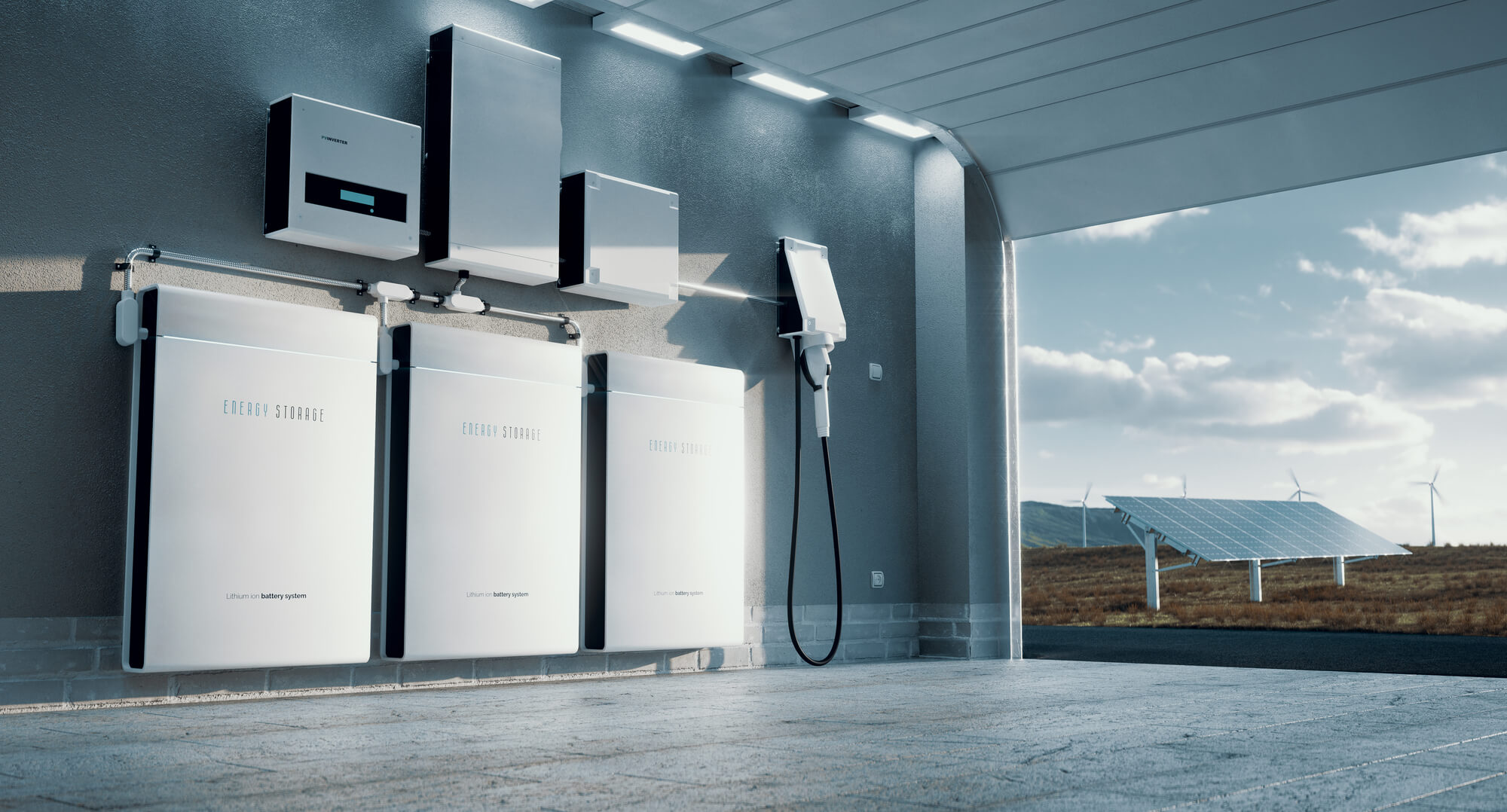
- Hybrid Inverters: The "brain" of the system. In 2026, hybrid inverters are the standard for Amersham installs, managing power flow between the panels, the battery, the home, and the grid within a single unit.
- Battery Storage: Most Amersham installations now utilize Lithium Iron Phosphate (LiFePO4) technology. LFP batteries are preferred for residential use because they offer a higher cycle life (often 6,000–10,000 cycles) and superior thermal stability compared to older cobalt-based lithium-ion alternatives.
- Optimizers and Microinverters: Given the mature treelines in areas like Chesham Bois and Bois Moor Road, shading is a frequent challenge. Power optimizers are often fitted to individual panels to ensure that one shaded module does not bottleneck the entire string’s performance.
The Step-by-Step Installation Process
Once the design is finalized and any necessary permissions are secured, the physical installation typically takes two to three days.
Step 1: Scaffolding and Site Preparation
Health and safety regulations require full scaffolding around the perimeter of the roof work area. In the narrow streets of Amersham, this may require a skip permit or temporary pavement license from the local council if the scaffolding encroaches on public land.
Step 2: Roof Mounting System
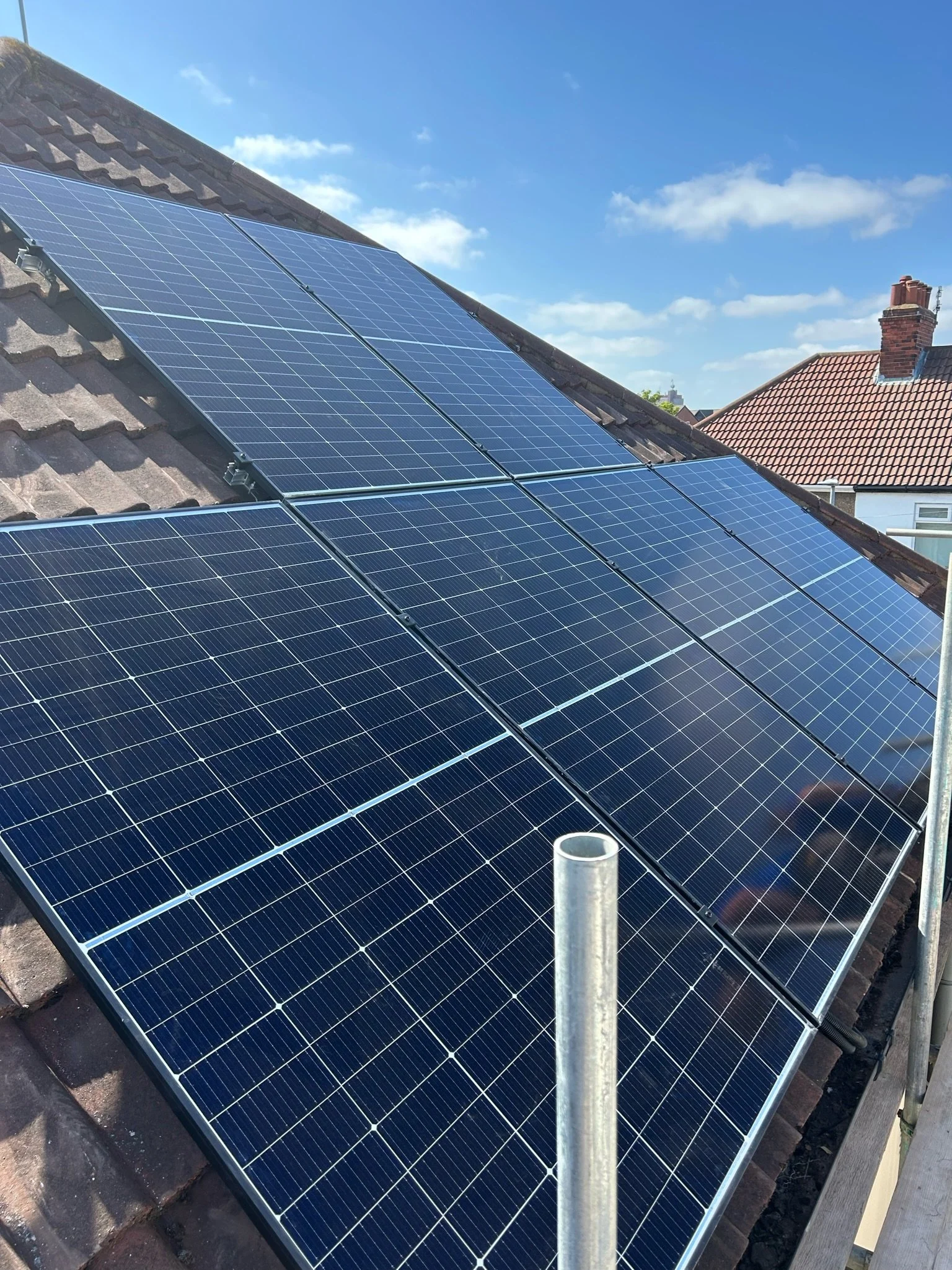
The crew installs the mounting hardware. For a standard clay or slate tile roof—common in Buckinghamshire—the installers will lift specific tiles to screw stainless steel roof hooks into the rafters. An aluminum rail system is then attached to these hooks. This creates a ventilated gap between the roof and the panels, which is essential for cooling; as panels get hotter, their efficiency drops.
Step 3: Panel Installation and DC Wiring
The solar panels are clamped onto the rails. Each panel is daisy-chained together using MC4 connectors. The resulting DC (Direct Current) wiring is fed through a fire-rated conduit into the loft space or down the side of the property to the inverter location.
Step 4: Battery and Inverter Integration
The inverter and battery are usually installed in a garage, utility room, or a sheltered outdoor location (if IP65-rated). In 2026, many homeowners prefer a "modular" battery setup, allowing them to start with 5kWh of storage and expand to 15kWh or 20kWh as their needs (such as an EV purchase) grow.
Step 5: AC Connection and Commissioning
The final step involves connecting the inverter to the home’s consumer unit (fuse box). This must be performed by an MCS-certified (Microgeneration Certification Scheme) electrician. A Generation Meter is installed to track exactly how much electricity the system produces.
Grid Connection and the DNO Process
How your system interacts with the wider grid is governed by the Distribution Network Operator (DNO). In Amersham, the DNO is typically Scottish and Southern Electricity Networks (SSEN) or UK Power Networks (UKPN), depending on your exact location.
| Application Type | System Size Limit | Approval Timeline | Requirement |
|---|---|---|---|
| G98 | Up to 3.68kW (Single Phase) | Post-Installation | Notification only; no prior approval needed for small systems. |
| G99 (Fast Track) | Up to 7kW | 10–15 Working Days | Required for most modern systems with large battery storage. |
| G99 (Full) | Over 7kW | 45–65 Working Days | Required for large homes or commercial installs; may involve grid upgrades. |
In 2026, with the rise of heat pumps and Electric Vehicles (EVs) in Amersham, most residential systems exceed the 3.68kW threshold, meaning a G99 application is standard. The installer handles this paperwork, ensuring the grid can handle the potential export of surplus energy without destabilizing the local substation.
Financial Dynamics and the 2026 Energy Market
The "how" of solar installation is inextricably linked to the "why." In 2026, the financial landscape for Amersham residents is defined by the Smart Export Guarantee (SEG) and dynamic time-of-use tariffs.
Maximizing ROI with Battery Arbitrage
The primary function of the battery in an Amersham home is to facilitate "load shifting." The system is programmed to charge from the solar panels during the day and, if necessary, from the grid during cheap off-peak hours (e.g., 2 AM to 5 AM). The stored energy is then used during the expensive evening peak. By 2026, smart AI-driven software integrated into the inverter automatically checks weather forecasts and energy prices to optimize this charging cycle.
The Role of MCS Certification
For a system to be legal and eligible for export payments, it must be signed off by an MCS-accredited installer. This certification ensures the equipment meets UK safety standards and that the installation follows best practices. Without this, you cannot access SEG payments from suppliers like Octopus Energy or British Gas, which in 2026 provide essential revenue for surplus energy sent back to the grid.
Maintenance and Monitoring
Solar systems are remarkably low-maintenance because they have no moving parts. However, to ensure a 25-year lifespan, certain protocols are followed:
- Monitoring Apps: Almost all 2026 systems come with a mobile app. Homeowners in Amersham can track real-time production, battery health, and household consumption.
- Cleaning: While the UK's rainfall generally keeps panels clean, properties near the A413 or railway lines may experience dust buildup. A professional clean every 2–3 years is recommended.
- Inverter Replacement: While panels last 25+ years, the inverter—the most hardworking component—typically requires replacement after 12–15 years. Many installers now offer extended 20-year warranties as part of the package.
Common Obstacles in Amersham Installations
Despite the benefits, local installers frequently encounter specific challenges in the Amersham area:
- Pigeon Nesting: The gap between the panels and the tiles is an attractive nesting site for pigeons. "Bird proofing"—a mesh skirt around the perimeter of the array—is a highly recommended add-on for Amersham homes to prevent debris buildup and noise.
- Three-Phase Power: Some larger detached homes in areas like Amersham Common have three-phase electricity. This requires a specific (and more expensive) three-phase inverter to ensure energy is balanced across all three incoming lines.
- Internet Connectivity: Modern inverters require a stable Wi-Fi or LAN connection for firmware updates and monitoring. In some older houses with thick flint or brick walls, signal boosters are often required in the loft or garage.
Frequently Asked Questions
Do I need planning permission for solar in Amersham?
Most installations fall under Permitted Development. However, if you are in a Conservation Area (like parts of Old Amersham) or own a listed building, you must apply for planning permission. In these cases, "black-on-black" panels or integrated roof systems are more likely to be approved.
How does the system perform during a Buckinghamshire winter?
While production is lower in December and January, the system still generates power from diffused light. In 2026, high-efficiency panels are specifically designed to capture a broader spectrum of light. The battery becomes even more important in winter, as it can be topped up using cheap overnight grid electricity.
Can I go "off-grid" in Amersham?
While technically possible with a very large battery bank and solar array, it is rarely practical for most Amersham homes. Remaining connected to the grid allows you to sell surplus energy in the summer and provides a safety net during prolonged periods of low light in winter.
What is the expected payback period in 2026?
For a standard 4kWp system with a 5kWh battery, the typical payback period in the Amersham area is currently between 6 and 9 years. This is influenced by your self-consumption rate—the more of your own solar energy you use (rather than buying from the grid), the faster the system pays for itself.
Is my roof too old for solar panels?
If your roof is over 40 years old and has not been refurbished, it is wise to have a structural survey. If the tiles are failing or the rafters are sagging, it is much more cost-effective to replace or repair the roof at the same time the scaffolding is up for the solar installation.
Taking the Next Step
If you are considering solar and battery installation in Amersham, your first action should be to request a shading analysis and a structural survey from an MCS-certified provider. Given the local planning sensitivities in the Chilterns, ensure your installer is familiar with the Buckinghamshire Council’s 2026 climate action mandates. Moving forward, the integration of solar storage will likely become a prerequisite for maintaining property value as the UK progresses toward its Net Zero targets.
Image Gallery