Understanding What Travelers Insurance for Auto Detailers Provides
Travelers insurance for auto detailers provides a robust framework of commercial coverage designed to mitigate the unique financial risks inherent in the automotive appearance industry. This coverage typically combines General Liabilit...
Travelers insurance for auto detailers provides a robust framework of commercial coverage designed to mitigate the unique financial risks inherent in the automotive appearance industry. This coverage typically combines General Liability, Garagekeepers Liability, and Business Personal Property protection to safeguard business owners against property damage, client vehicle mishaps, and third-party injury claims during daily operations.
Contents
The Specialized Risks of Auto Detailing
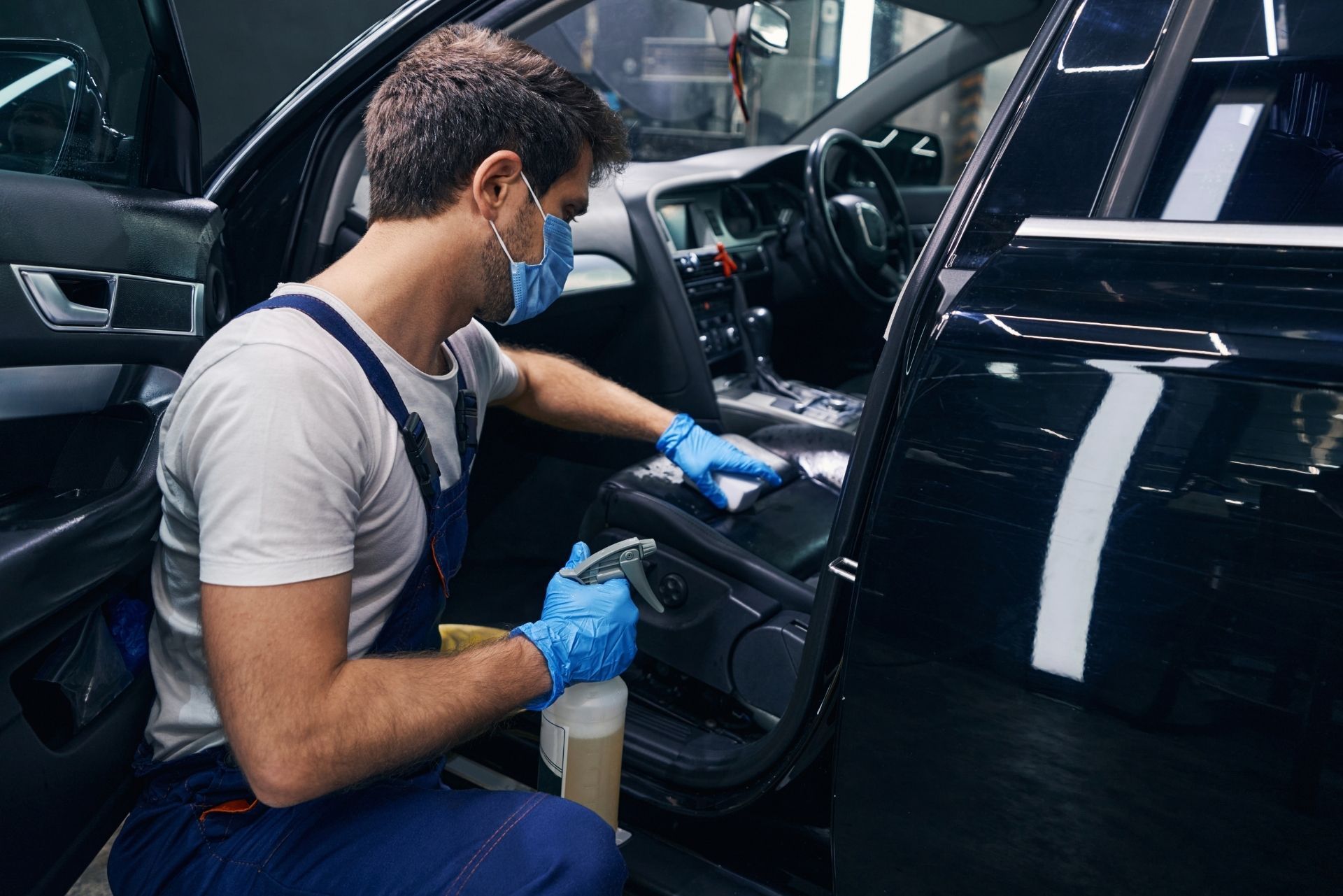
Auto detailing is a high-stakes service profession that involves more than just cleaning vehicles. Detailers operate in a space where they are in constant physical possession of expensive, high-value assets—the vehicles of their clients. From applying chemical solvents and high-pressure steam to maneuvering client vehicles within a shop or on a mobile route, the potential for accidental damage is significant.
Standard personal insurance policies rarely cover commercial business activities. If you operate an auto detailing business, your personal auto policy will almost certainly deny a claim if an accident occurs while you are driving a client’s car or if a fire breaks out in your shop due to industrial-grade equipment. Travelers insurance for auto detailers serves as a dedicated layer of protection that acknowledges these specific operational hazards.
Core Components of Commercial Coverage
When configuring a policy through a provider like Travelers, auto detailers generally look for a Business Owner’s Policy (BOP) or a customized package that includes specific liability modules. Understanding these components is essential for risk management.
1. Garagekeepers Liability
This is perhaps the most critical component for any detailer. Unlike standard commercial auto insurance, which covers your own company-owned vehicles, Garagekeepers Liability is designed specifically for vehicles in your "care, custody, or control." It provides coverage if a client’s vehicle is damaged due to fire, theft, vandalism, or a collision while it is parked at your facility or being driven by you for service-related reasons.
2. General Liability Insurance
General Liability (GL) covers the "slip and fall" risks associated with your business. If a client visits your shop and trips over a hose, or if you accidentally damage a client’s home property while performing mobile detailing, GL coverage helps pay for medical expenses, legal fees, and potential settlements. This is often a prerequisite for obtaining a commercial lease for a brick-and-mortar shop.
3. Inland Marine (Tools and Equipment)
Despite the name, Inland Marine coverage has nothing to do with ships. In the context of auto detailing, it covers the specialized gear you use to perform your work. If your pressure washers, high-end extractors, buffing machines, or supply inventory are stolen from your van or damaged in a fire, this coverage helps replace those assets so you can continue operating without a complete loss of capital.
Comparison of Key Coverage Areas for Auto Detailers
| Coverage Type | What it Protects | Primary Benefit |
|---|---|---|
| Garagekeepers | Client vehicles in your possession | Protects against damage during service |
| General Liability | Third-party bodily injury/property damage | Pays legal costs for lawsuits and accidents |
| Business Property | Physical shop/office infrastructure | Covers fire/theft of owned buildings/contents |
| Inland Marine | Specialized tools and equipment | Replaces mobile gear and portable supplies |
| Commercial Auto | Vehicles owned by your business | Covers your mobile unit or transport vehicles |
Operational Prerequisites and Requirements
Before an insurance provider will issue a policy, they will typically conduct an underwriting process. As of 2026, underwriters for commercial policies favor businesses that can demonstrate a commitment to safety. You should be prepared to provide documentation regarding your standard operating procedures (SOPs).
- Risk Mitigation Protocols: Detailers who use documented inspection checklists—documenting the condition of a vehicle before work begins—are viewed as lower risk.
- Proof of Licensing: Many carriers require proof of your business registration and, depending on your jurisdiction, professional certification or waste-water discharge permits related to car wash runoff.
- Vehicle Storage Security: If you store client vehicles overnight, the insurer will likely require details on your security systems, such as alarms, gated lots, or video surveillance.
Addressing Common Pitfalls and Mistakes
One of the most frequent mistakes detailers make is failing to distinguish between "legal liability" and "direct primary" coverage in their Garagekeepers policy. If you have "legal liability" coverage, the insurer only pays if you are found legally responsible for the damage. If you choose "direct primary" coverage, the insurer pays for the damage regardless of whether you are legally at fault. While direct primary is more expensive, it is significantly better for maintaining client relationships, as it allows you to cover accidental damage to a client’s car without forcing the client to use their own insurance.
Another mistake is under-insuring equipment. As detailing technology advances, the value of a high-end setup can easily exceed $20,000 to $50,000. Ensure your Inland Marine limit matches the current replacement cost of your equipment in 2026, not the depreciated value.
Evaluating Your Specific Business Model
The insurance needs for a mobile detailer differ slightly from those of a shop-based detailer. If you are mobile, your coverage must account for the time spent on public roads and the fact that you are operating in various locations.
If you hire employees, you are also legally mandated in most states to carry Workers' Compensation insurance. This covers medical costs and lost wages if one of your employees is injured on the job, such as suffering a chemical burn from cleaning agents or a strain from repetitive buffing motions. Do not conflate your business liability with employee protection; they are distinct requirements.
Frequently Asked Questions
Does a standard business policy cover damage to a client's vehicle? No. A standard business policy usually contains a "care, custody, or control" exclusion. You must specifically purchase Garagekeepers Liability to cover damage to customer vehicles while they are in your shop or during mobile services.
How does my location affect insurance costs? Insurance premiums are tied to local risk factors. Urban areas with higher rates of vehicle theft or property crime often result in higher premiums for commercial policies compared to lower-density suburban or rural areas.
What is the difference between a BOP and an individual policy? A Business Owner’s Policy (BOP) is a "bundled" product that combines General Liability and Business Property coverage into a single, often more affordable, package. It is designed for small businesses and is usually the most efficient starting point for an auto detailing startup.
Can I add coverage for specific high-value vehicles? Yes. If you specialize in exotic or classic car detailing, standard limits may be insufficient. You can work with your agent to add an "endorsement" or an excess liability policy to cover the increased financial exposure of servicing high-value assets.
What happens if I cancel my policy mid-term? Most commercial policies offer a pro-rated refund if you cancel mid-term, minus any administrative fees. However, ensure you have a replacement policy active before canceling to avoid a coverage gap, which can cause your future premiums to skyrocket due to "lapse in coverage" penalties.
Next Steps for Your Business
To secure the right protection, begin by auditing your current inventory of tools and your average vehicle throughput. Contact a licensed commercial insurance broker who specializes in the automotive service sector. Request quotes from at least three different carriers to compare the definitions of coverage—particularly regarding the "care, custody, or control" clause. Once you have a policy, review it annually to ensure your coverage limits keep pace with the growth of your business and the rising costs of professional equipment.
Image Gallery