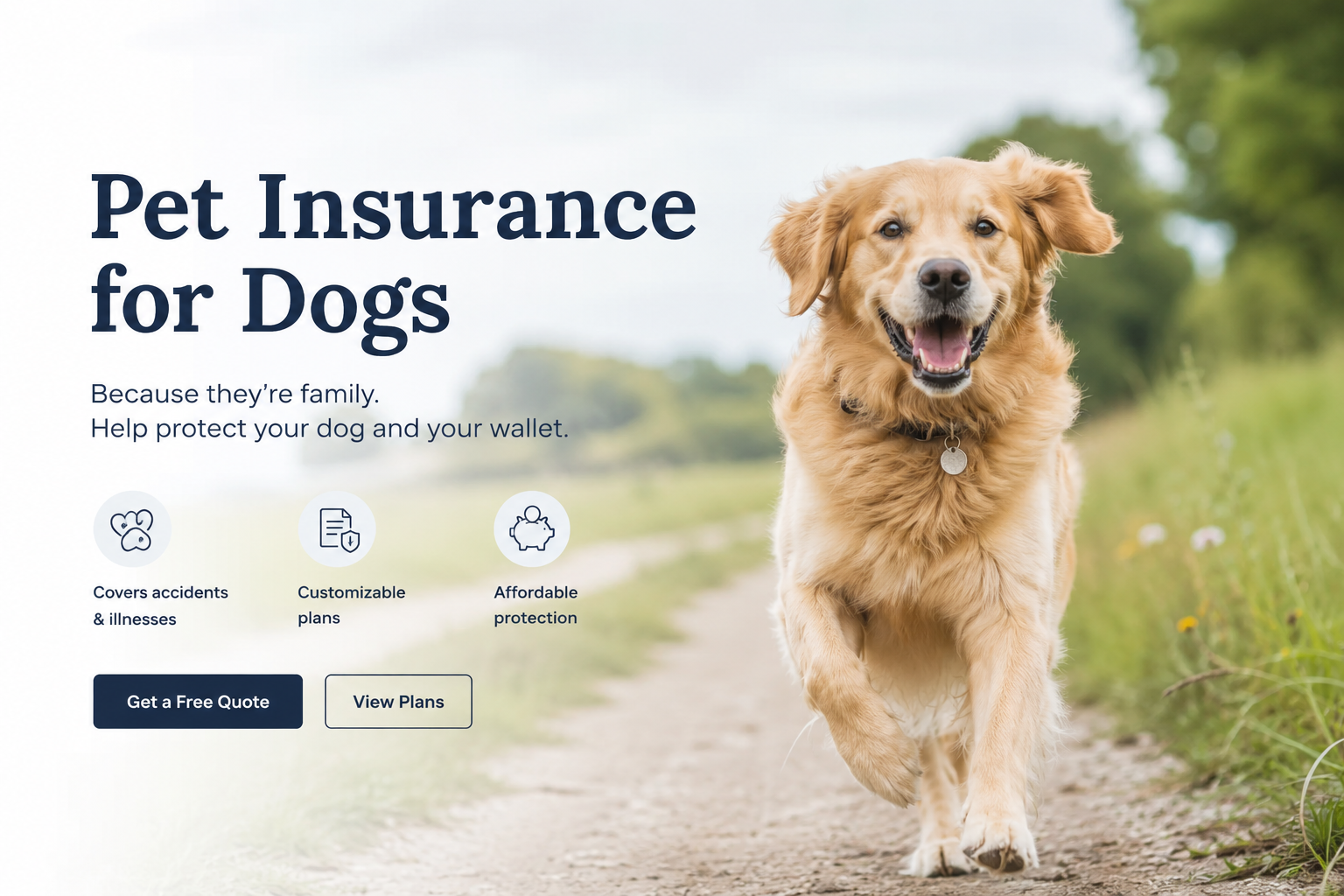
Understanding Life Insurance for Dogs Cost: What Pet Owners Need to Know
Life insurance for dogs does not exist in the traditional human sense—it does not pay out a cash benefit to beneficiaries when a pet dies. Instead, the market refers to comprehensive pet health insurance and specialized wellness plans....
Life insurance for dogs does not exist in the traditional human sense—it does not pay out a cash benefit to beneficiaries when a pet dies. Instead, the market refers to comprehensive pet health insurance and specialized wellness plans. These policies typically cost between $30 and $100 per month, depending heavily on the dog's breed, age, location, and the chosen coverage limits.
Contents
Navigating the financial landscape of veterinary care requires understanding what pet protection policies actually cover, how providers calculate their pricing structures, and whether investing in these plans makes financial sense for your household. Because modern veterinary medicine offers advanced treatments—such as oncology, MRI scans, and complex orthopedic surgeries—managing potential out-of-pocket costs has become a central concern for responsible pet ownership.
Disambiguation: Life Insurance vs. Pet Health Insurance
When consumers search for life insurance for dogs, they are almost universally looking for health insurance to cover veterinary bills, accidents, and illnesses. Traditional term or whole life insurance policies for pets—which would provide a cash payout upon a pet's passing—are virtually nonexistent in the commercial insurance market.
Insurance providers recognized early on that a death-benefit model for animals would suffer from severe adverse selection and moral hazard, making premiums prohibitively expensive. Consequently, the pet insurance industry evolved to focus on indemnity-based health coverage. These policies reimburse pet owners for a percentage of veterinary expenses incurred due to unexpected accidents and illnesses, effectively preserving the pet's life by ensuring owners can afford necessary medical interventions.
Breakdown of Average Costs for Dog Coverage
The financial commitment required for pet insurance varies widely based on several underwriting factors. On average, a standard accident-and-illness policy for a dog costs roughly $45 to $60 per month, while accident-only policies are significantly cheaper, often ranging from $10 to $20 per month. Comprehensive plans that include wellness add-ons for routine care can push monthly premiums above $100.
| Coverage Type | Average Monthly Cost | What It Typically Covers |
|---|---|---|
| Accident-Only | $10 – $20 | Injuries from being hit by a car, poisoning, swallowing foreign objects, bone fractures. |
| Accident and Illness | $40 – $70 | Infections, cancer, digestive issues, allergies, surgeries, and treatments for accidental injuries. |
| Comprehensive with Wellness | $80 – $120+ | All accident and illness benefits plus annual exams, vaccinations, heartworm prevention, and dental cleanings. |
Understanding these baseline figures helps prospective buyers set realistic expectations. However, these averages fluctuate significantly depending on the unique profile of the dog being insured.
Key Factors That Influence Dog Insurance Pricing
Insurance underwriters evaluate specific risk factors to determine individual monthly premiums. Unlike human health insurance, pre-existing conditions are almost universally excluded across the industry, making early enrollment a primary factor in cost management.
Breed and Genetics
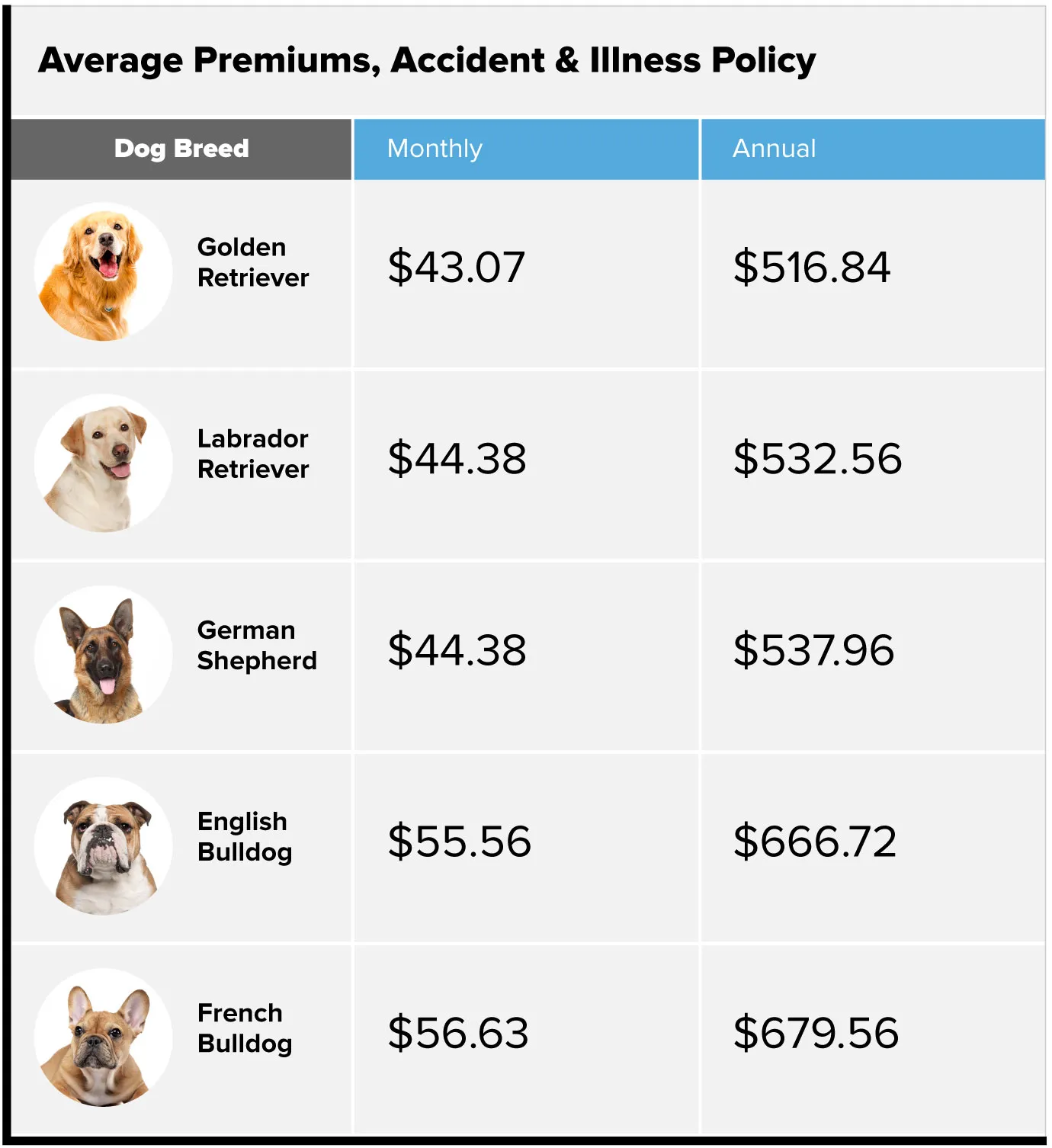
Certain dog breeds are genetically predisposed to costly health conditions. For example, large-breed dogs like German Shepherds and Labrador Retrievers frequently suffer from hip dysplasia, while brachycephalic breeds like French Bulldogs often require specialized respiratory surgery. Consequently, breeds with high medical risk profiles carry substantially higher monthly premiums than mixed-breed rescue dogs of comparable size.
Age of the Animal
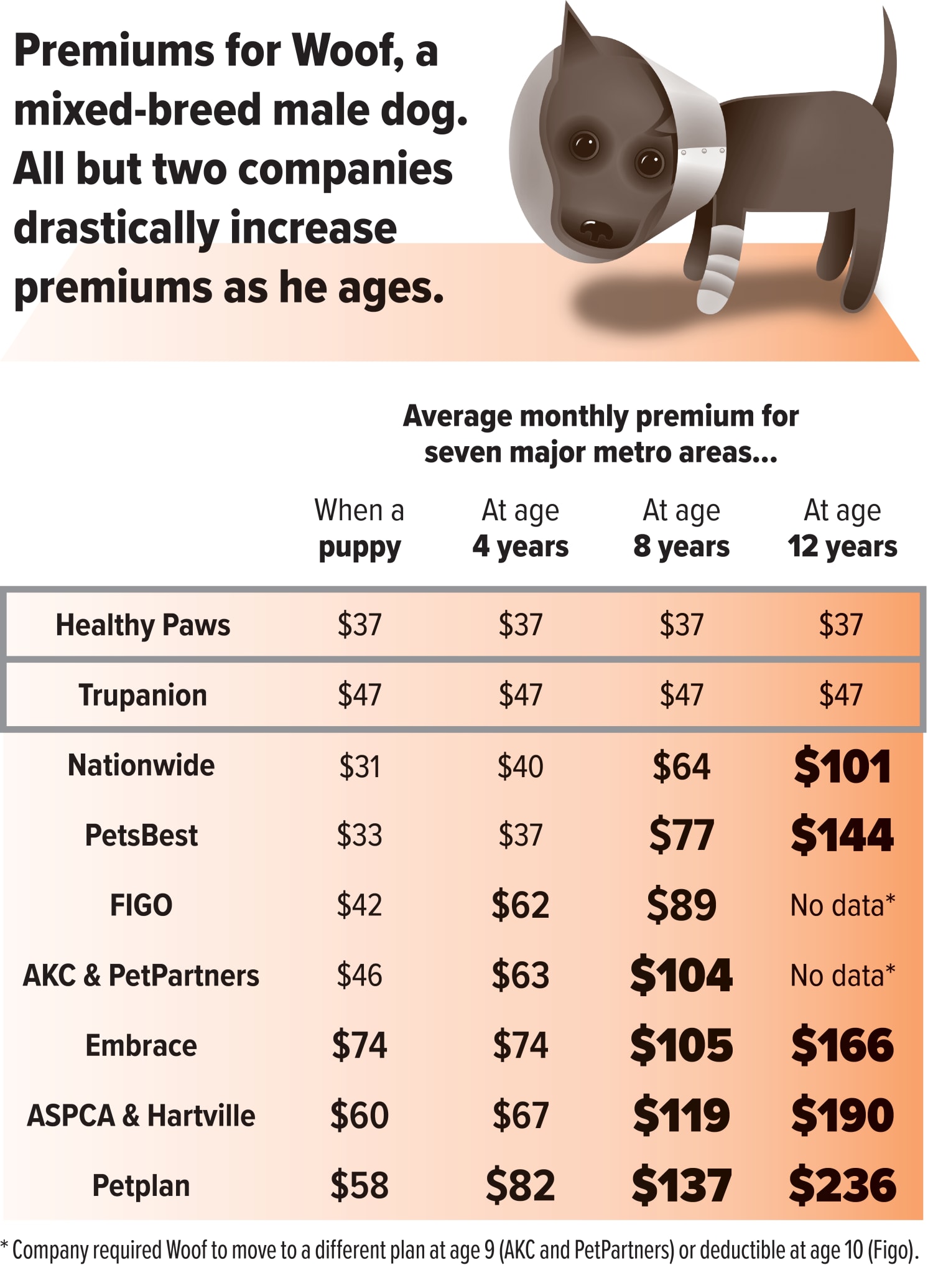
As dogs age, their likelihood of developing chronic illnesses increases. Insurance companies adjust premiums upward annually to account for this escalating risk. Enrolling a puppy is inexpensive, but insuring a senior dog over the age of eight can double or triple the monthly cost while offering lower reimbursement rates or caps on coverage.
Geographic Location
Veterinary costs vary dramatically by region. Urban centers with high costs of living and specialized veterinary teaching hospitals feature much steeper medical bills than rural areas. Insurance providers factor the policyholder's ZIP code into their pricing models to reflect local veterinary fee structures.
Policy Customization and Structure
Policyholders can adjust three primary variables to manage their monthly premiums:
- Reimbursement Rate: Typically set between 70% and 90%. Choosing a lower reimbursement rate lowers the monthly premium.
- Annual Deductible: Ranging generally from $100 to $1,000. Selecting a higher deductible reduces the ongoing monthly cost.
- Annual Benefit Limit: Ranging from $5,000 to unlimited coverage. Capping the annual payout decreases the cost of the plan.
Hidden Expenses and Financial Limitations
When calculating the true cost of pet insurance, policyholders must look beyond the monthly premium. Most pet insurance operates on a reimbursement model, meaning the owner must pay the veterinary clinic out of pocket at the time of service and submit a claim for repayment later.
Furthermore, waiting periods apply before coverage begins—typically 14 days for illnesses and 2 to 5 days for accidents, though some orthopedic conditions carry waiting periods of six months or more. Co-pays, deductibles, and non-reimbursable items such as examination fees, tax, and preventative care (unless a wellness add-on is purchased) mean owners will still shoulder a portion of every veterinary bill.
Frequently Asked Questions About Dog Insurance Costs
Does pet insurance cover pre-existing conditions?
No, standard pet insurance providers exclude all conditions, injuries, or illnesses that manifested or showed symptoms before the policy's effective date or during the initial waiting period. Some insurers cover curable conditions if the pet has been symptom-free and treatment-free for a specified duration, usually 180 days.
Why do monthly premiums increase as my dog gets older?
Insurers raise premiums annually to reflect the statistically higher probability of illness and injury in older animals. This pricing structure helps manage the risk pool, though it can create financial strain for owners of senior pets.
Can I choose my own veterinarian?
Yes, unlike human managed-care networks, most pet insurance policies allow you to visit any licensed veterinarian, emergency clinic, or specialist globally, provided they are legally authorized to practice medicine.
Are routine check-ups included in standard policies?
Standard accident and illness policies do not cover routine or preventative care, such as annual wellness exams, flea and tick preventatives, dental cleanings, or vaccinations. Owners must purchase a separate wellness package or add-on to receive financial assistance for routine maintenance.
Is pet insurance worth the cost?
Pet insurance functions like any risk-management tool: its financial value is realized only when an unexpected, high-cost medical event occurs. For owners who would struggle to pay a sudden $3,000 to $5,000 veterinary bill out of pocket, insurance provides crucial financial protection and eliminates the difficult choice between veterinary treatment and economic hardship.
Next Steps for Pet Owners
Before purchasing a policy, request quotes from at least three different providers using identical coverage limits, deductibles, and reimbursement rates to ensure an accurate apples-to-apples comparison. Review sample policies carefully to identify specific exclusions, waiting periods, and how the insurer handles bilateral conditions like knee injuries. Enrolling your dog while they are young and healthy locks in lower baseline rates and minimizes the risk of encountering pre-existing condition exclusions.
Image Gallery