Auto Insurance Policy’s Declaration Page Key Elements Explained
An auto insurance policy’s declaration page serves as the financial and legal snapshot of your coverage, summarizing key details like policy limits, named drivers, insured vehicles, and active discounts in one central summary. Typicall...
An auto insurance policy’s declaration page serves as the financial and legal snapshot of your coverage, summarizing key details like policy limits, named drivers, insured vehicles, and active discounts in one central summary. Typically located at the very front of your insurance documents, this page dictates the exact parameters of your protection and determines how claims are handled.
Contents
Navigating the insurance industry requires understanding how policies are structured, and the declaration page—often referred to as the "dec page"—is the most crucial document you will receive from your insurer. Whether you are financing a new vehicle, verifying your coverage limits after an accident, or trying to lower your monthly premium, knowing how to read this document is essential. This guide breaks down the core components of an auto insurance declaration page, explaining what each section means, why it matters, and how to verify that your information is completely accurate.
What Is an Auto Insurance Declaration Page?
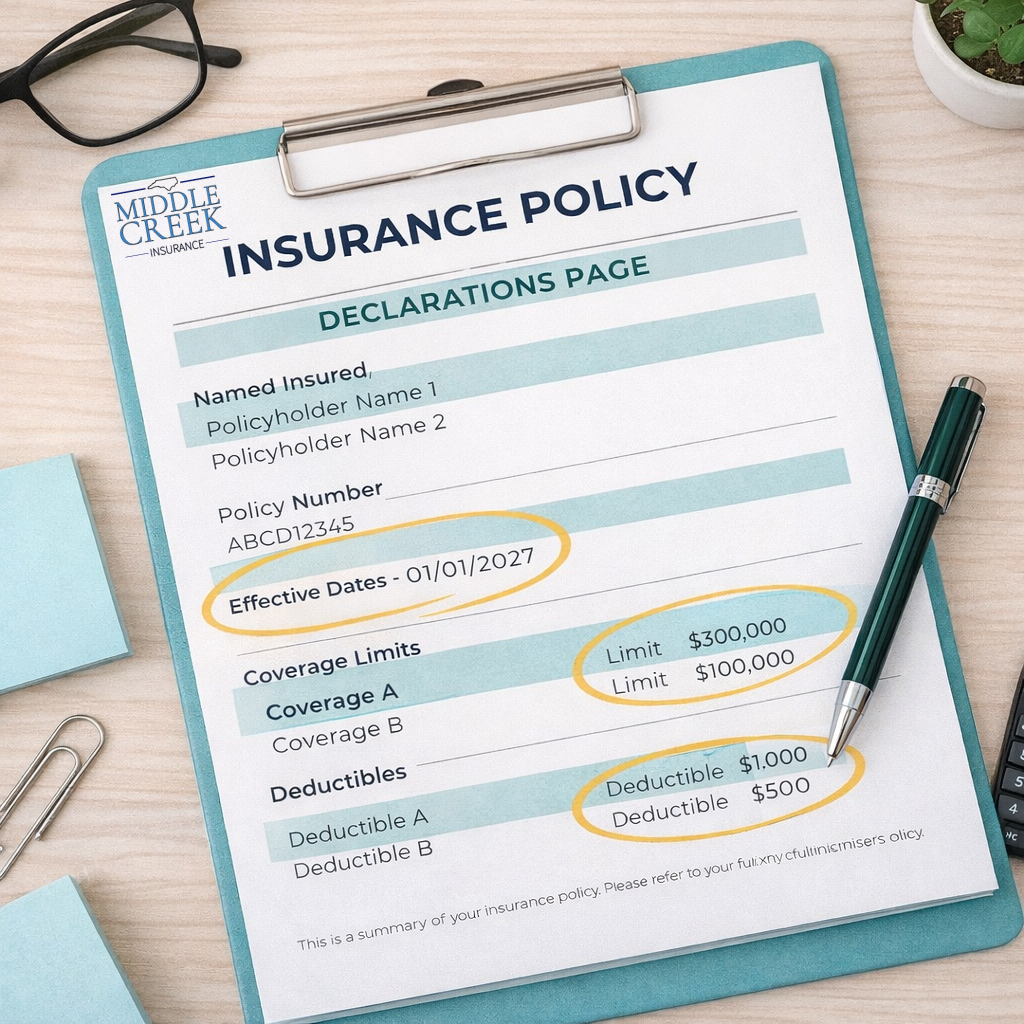
The declaration page is a legally binding document that forms the foundation of your insurance contract. While an entire auto insurance policy can run upwards of fifty pages filled with legal definitions, exclusions, and fine print, the declaration page condenses the most vital facts into a simple, structured format. Think of it as the receipt and specification sheet for your insurance protection.
Insurers issue a new declaration page every time your policy renews, typically every six or twelve months, or whenever you make a mid-term modification, such as changing your address, adding a driver, or swapping a vehicle. It provides absolute clarity on who is protected, what property is covered, how much the coverage costs, and the exact financial limits the insurer will pay in the event of a covered loss. Failing to review this document regularly can lead to nasty surprises, such as discovering you lack comprehensive coverage during a severe storm or that an unauthorized driver was excluded from a payout.
Core Components Found on Every Dec Page
While layout and formatting vary significantly among insurance carriers, every standard auto insurance declaration page contains a mandatory set of information blocks. Recognizing these sections allows you to quickly audit your policy and ensure you are getting the coverage you requested.
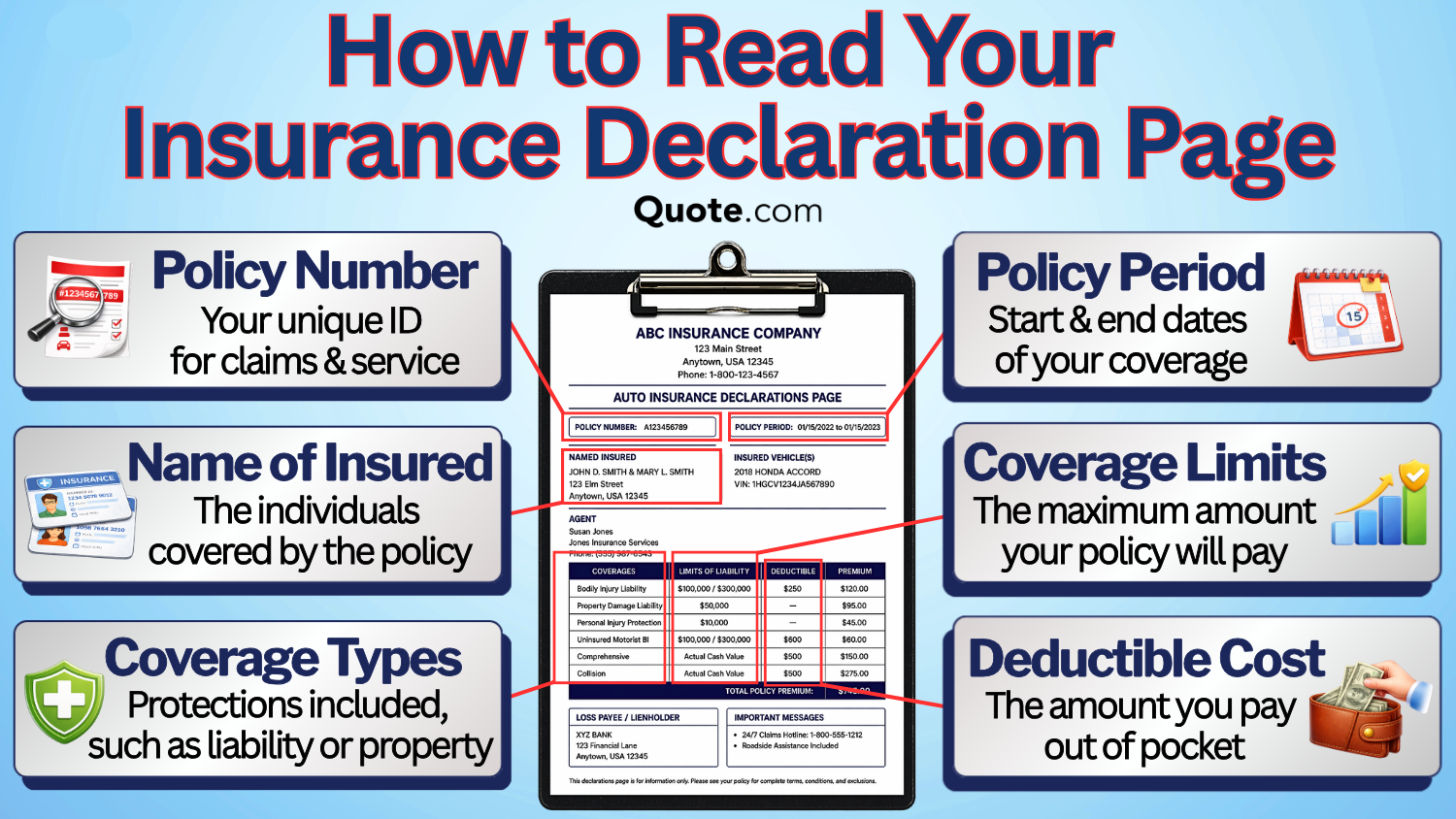
1. Insurer and Policy Identification Information
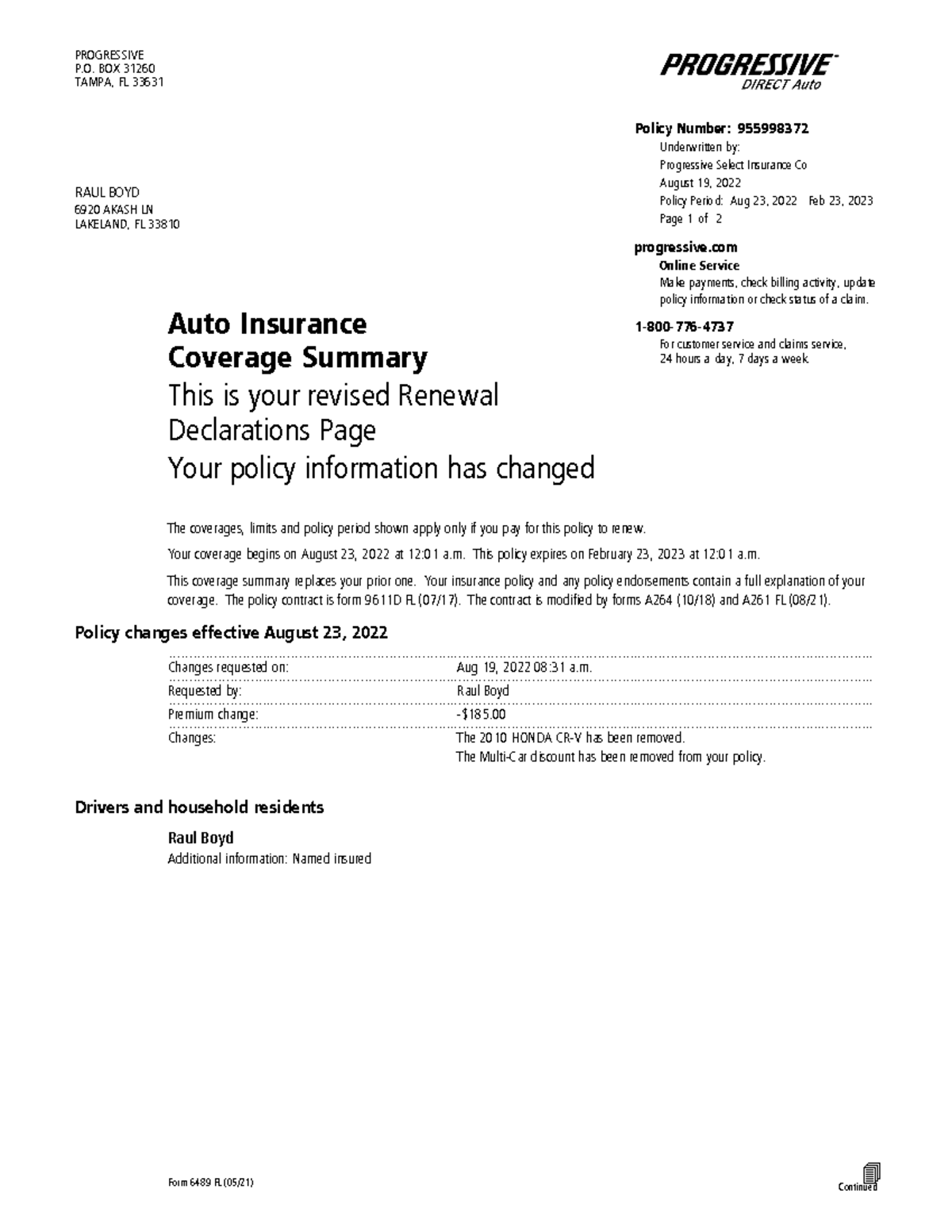
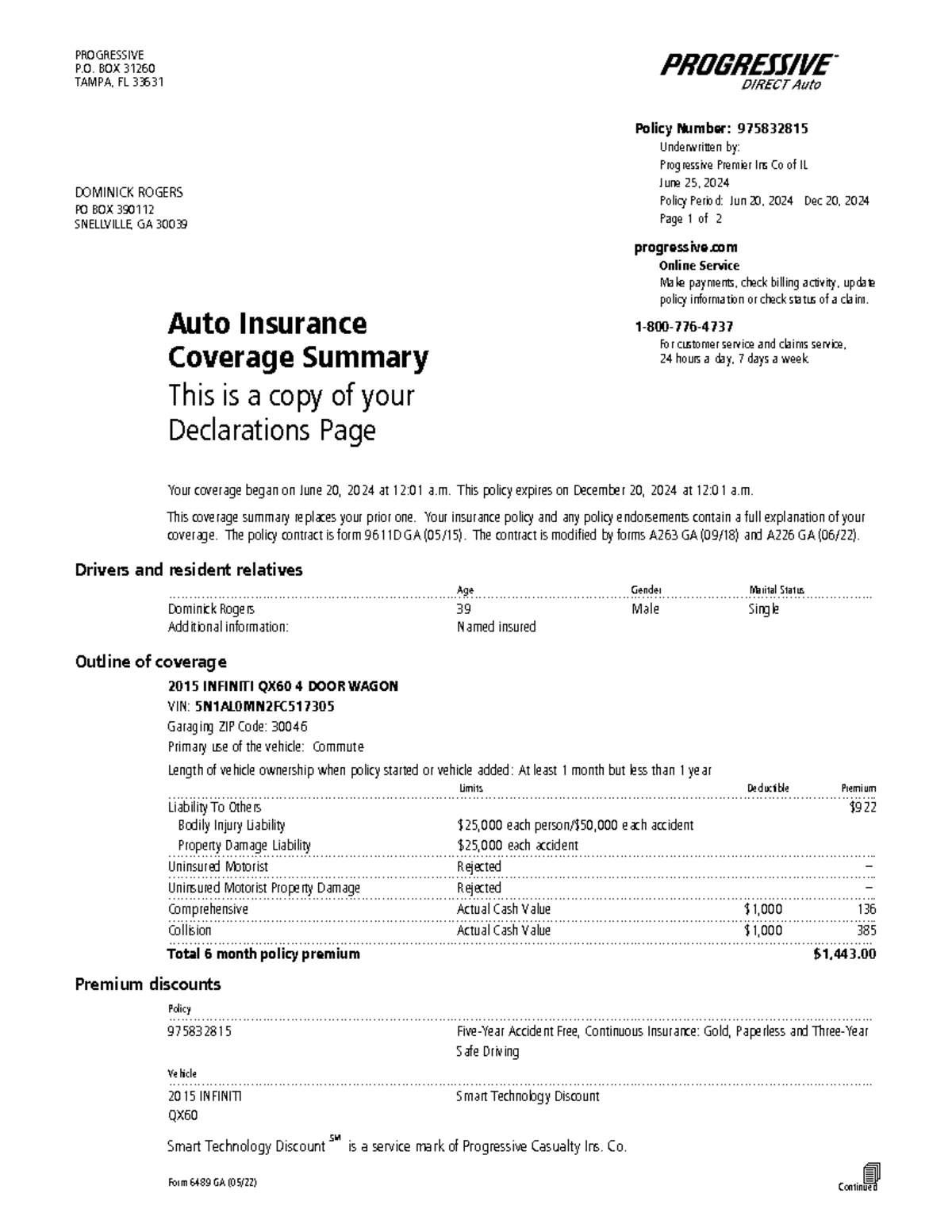
At the very top of the declaration page, you will find the administrative details regarding your contract. This section includes the legal name of the insurance company underwriting the policy, its corporate address, and sometimes the specific insurance agency or broker through whom you purchased the coverage.
Crucially, this block lists your unique policy number, which you must provide when filing a claim, speaking with customer service, or proving financial responsibility to your state's Department of Motor Vehicles. You will also find the policy period, which details the exact effective date and expiration date—down to the minute—stating when your coverage begins and ends.
2. Named Insured and Contact Information
This section lists the legal name of the primary policyholder, any secondary owners, and the official garaging address where the vehicles are kept overnight. Insurers rely heavily on the garaging zip code to calculate risk based on local traffic density, historical accident rates, and vehicle theft statistics in that specific geographic area.
If you move or if your vehicle is regularly parked at a different location than your primary residence, you must update this address immediately. Failing to disclose the correct garaging location can be grounds for the insurer to deny a claim or rescind the policy entirely for material misrepresentation.
3. Covered Vehicles Schedule
Every vehicle protected under the policy is itemized in a dedicated schedule. This list provides the specific mechanical and registration details that tie the vehicle to the insurance contract.
- Year, Make, and Model: Identifies the exact vehicle being insured.
- Vehicle Identification Number (VIN): A unique 17-character alphanumeric code that permanently identifies your specific automobile. You should always double-check the VIN on your dec page against your vehicle's dashboard or registration card to ensure there are no typographical errors.
- Loss Payee or Lienholder: If you are financing or leasing your vehicle, the name and address of the financial institution holding the loan will appear here. This designates them as a loss payee, ensuring they receive payout funds if the car is totaled, protecting their financial interest in the asset.
4. Drivers Listed on the Policy
Insurance follows the car, but it also evaluates the drivers. The driver section lists every licensed operator residing in your household or regular operators of the insured vehicles.
Insurers underwrite policies based on the risk profile of all household members of driving age, regardless of whether they drive your specific car daily. This section may also indicate whether certain high-risk drivers have been formally excluded from the policy to keep premiums manageable, though an excluded driver means zero coverage if they ever take the wheel and cause an accident.
Understanding Coverage Types and Limits
The most heavily scrutinized section of the declaration page details your coverages, limits, and the individual cost associated with each line item. Auto insurance is typically broken down into distinct coverage categories, each serving a specific legal or financial purpose.
| Coverage Type | What It Protects |
|---|---|
| Liability (Bodily Injury/Property) | Damage and injuries you cause to other people and their property. |
| Collision | Damage to your own car from an accident with another car or stationary object. |
| Comprehensive | Damage to your car from non-collision events (theft, storms, animal strikes, vandalism). |
| Personal Injury Protection (PIP) or Medical Payments | Medical bills and lost wages for you and your passengers, regardless of fault. |
| Uninsured/Underinsured Motorist | Accidents caused by a driver who lacks sufficient or any insurance. |
Liability Limits Explained
Liability coverage is mandatory in almost every state and protects your personal assets if you are legally at fault for an accident. It is usually expressed as a series of three numbers, such as 100/300/50 or as a single combined single limit (CSL).
- The first number ($100,000 in this example) is the maximum bodily injury coverage the insurer will pay for a single person injured in an accident you cause.
- The second number ($300,000) is the total aggregate limit for all injuries combined in a single accident.
- The third number ($50,000) represents the maximum payout for property damage you inflict on other vehicles, guardrails, or buildings.
Deductibles for Comprehensive and Collision
Unlike liability, which pays for damage to others, physical damage coverages protect your vehicle. Collision covers crashes with other cars or objects, while comprehensive covers external environmental hazards like floods, fire, hail, theft, and windshield cracks.
These coverages feature a deductible, which is the out-of-pocket amount you must pay before the insurance company covers the rest of the repair bill. For example, if you carry a $500 deductible and suffer $3,000 in hail damage, you pay $500 to the repair shop, and the insurer pays the remaining $2,500. Choosing a higher deductible lowers your premium, while a lower deductible increases your upfront policy cost.
Premium Calculations, Discounts, and Surcharges
The final financial breakdown on the declaration page details how your total premium is calculated. This section lists the individual cost for each coverage tier, combines them into a subtotal, and then applies any applicable adjustments.
Insurers apply various credits and debits that alter your baseline price. Common discounts itemized here include multi-car discounts, paperless billing credits, defensive driving course completions, and safe-driver telematics savings. Conversely, this section may reflect surcharges if you or a listed driver have recent speeding tickets, at-fault accidents, or a lapse in prior insurance coverage. Reviewing this section ensures you are receiving every discount your insurance agent promised during the quoting process.
Common Errors to Check on Your Declaration Page
Mistakes on insurance documents are surprisingly common, stemming from clerical errors during data entry or outdated information rolled over from previous terms. Catching these errors early prevents disputes during the claims process.
- Incorrect Vehicle Identification Numbers (VIN): A single typo in your 17-digit VIN can cause administrative delays when verifying coverage after an accident or registering your vehicle with the state.
- Outdated Addresses: Failing to update your address after moving can invalidate your policy if the insurer determines you misrepresented your primary garaging location.
- Missing Household Drivers: Not listing a newly licensed teenager or a roommate who drives your vehicle can result in a claim denial or policy cancellation for failure to disclose household risks.
- Incorrect Lienholder Information: If you paid off your auto loan but the dec page still lists the bank as a loss payee, insurance payout checks for future claims may require co-signatures from a lender you no longer owe.
Frequently Asked Questions
Is an insurance declaration page the same thing as an insurance card?
No. An insurance card is a pocket-sized proof-of-insurance document meant to be kept in your glove compartment to show law enforcement during a traffic stop. The declaration page is a multi-page comprehensive contract summary detailing your specific limits, deductibles, and premium costs.
Can I use my declaration page as official proof of insurance?
Yes. If you need to prove continuous insurance coverage to a lender, a state department of motor vehicles, or a leasing company, the declaration page is the official legal document accepted to verify active coverage, limits, and effective dates.
How often should I review my auto insurance declaration page?
You should carefully review your declaration page every time your policy renews—typically every six or twelve months—as well as immediately after making any changes to your coverage, vehicles, or household drivers.
What should I do if I find an error on my dec page?
Contact your insurance agent or carrier's customer service department immediately. Request a policy endorsement or corrected declaration page that fixes the error, and ensure a digital copy of the corrected document is sent to your email for your records.
Next Actions for Policyholders
Reviewing your auto insurance declaration page takes less than ten minutes, but it provides immense financial security. Retrieve your current policy documents today, locate the declaration page, and audit your liability limits, deductibles, and listed drivers against your current life circumstances. If your coverage feels inadequate or your deductible is too high to comfortably afford in an emergency, contact your provider to adjust your policy parameters before an unexpected incident occurs.
Image Gallery