Understanding and Identifying Biased News Articles in Modern Media
Biased news articles present information in a way that shifts public perception by favoring a specific political, ideological, or commercial viewpoint, often by omitting crucial context, using loaded language, or selecting one-sided so...
Biased news articles present information in a way that shifts public perception by favoring a specific political, ideological, or commercial viewpoint, often by omitting crucial context, using loaded language, or selecting one-sided sources. Recognizing these patterns requires critical media literacy, an understanding of journalistic standards, and the consistent cross-verification of facts across multiple independent reporting outlets.
Contents
Defining Bias in Journalism and Media Content
Media bias describes the real or perceived slant in the selection of stories, the framing of issues, and the tone of reporting by journalists and news organizations. Understanding how bias manifests requires separating objective fact from subjective commentary.
In professional journalism, reporting should strive for neutrality, presenting verifiable facts without injecting personal or institutional opinions. However, economic pressures, audience capture, editorial guidelines, and corporate ownership structures can influence how stories are framed. Recognizing these underlying structural factors helps readers contextualize why a particular piece of coverage might emphasize certain details while ignoring others.
Omission and Selection Bias
Selection bias occurs when a media outlet chooses which stories to cover and which to ignore, shaping the public agenda. Omission bias is a subtler form where a story is covered, but crucial facts, counterarguments, or alternative perspectives are left out.
When an article systematically omits data that contradicts its core narrative, readers receive an incomplete picture of an event. For example, a financial reporting piece might highlight the short-term costs of a regulation while completely ignoring its long-term economic benefits. Identifying what is missing from a news article is often more challenging than analyzing what is explicitly written.
Framing and Agenda-Setting Theory
Framing refers to the way the media packages and presents an event to influence how audiences interpret it. By choosing specific metaphors, headlines, and focal points, an outlet can prime the reader to feel outrage, sympathy, or skepticism.
Agenda-setting theory explains that while the media may not always tell people what to think, they are remarkably successful in telling people what to think about. When multiple articles focus repeatedly on a single angle of a complex issue, they narrow the public debate and suppress alternative viewpoints.
Common Techniques Used in Biased Reporting
Media analysts and communication researchers track specific linguistic and structural techniques to measure slant. Being aware of these markers helps consumers evaluate the credibility of daily news feeds.
| Technique | Operational Definition & Manifestation |
|---|---|
| Loaded Language | Using emotionally charged adjectives and adverbs to provoke a visceral reaction rather than an objective understanding. |
| Anonymous Attribution | Relying heavily on unverified sources ("officials say," "sources close to the matter") to push unprovable claims. |
| False Balance | Giving equal weight to a thoroughly debunked claim alongside a scientifically established consensus to manufacture drama. |
| Cherry-Picking Data | Selecting isolated statistics that support a thesis while ignoring broader trends or comprehensive datasets. |
Emotional Appeals and Loaded Vocabulary
Language shapes perception. A neutral news report might state that a politician "announced a policy change," whereas a biased article might claim the politician "capitulated to pressure" or "boldly spearheaded a reform."
Adjectives and adverbs carry heavy connotative baggage. When terms like "draconian," "radical," "sensible," or "groundbreaking" appear frequently in straight news coverage—as opposed to clearly labeled opinion columns—the line between reporting and persuasion has blurred.
Anonymous Sources and Attribution Methods
Investigative journalism frequently relies on confidential whistleblowers to expose corruption or systemic wrongdoing. However, the overuse of vague attribution can signal weak reporting or an intentional effort to shield unverified claims from accountability.
Readers should examine whether the article explains why a source requires anonymity and whether other verifiable evidence supports the assertion. When an entire article rests on vague statements from unnamed insiders, caution is warranted.
The Economic and Technological Drivers of Media Bias
The proliferation of biased news is not solely driven by ideological actors; it is deeply intertwined with modern media economics. Understanding these structural incentives clarifies why extreme framing often outperforms nuanced reporting.
Clickbait and Attention-Economy Models
Digital media platforms monetize user attention primarily through programmatic advertising and subscriber conversions. Emotional engagement—particularly outrage, fear, and validation—drives higher click-through rates, social media shares, and comment volume.
Consequently, headlines are often optimized for psychological impact rather than accuracy. An article with a nuanced, balanced headline generates less digital traffic than one featuring a sensationalized or polarizing claim, creating a commercial incentive for exaggerated reporting.
Echo Chambers and Algorithmic Sorting
Social media algorithms and personalized news aggregators feed users content that aligns with their established historical preferences. This curation minimizes cognitive dissonance by shielding consumers from challenging ideas.
Over time, this feedback loop reinforces confirmation bias. When individuals consume only information that validates their preexisting beliefs, opposing viewpoints begin to look not merely incorrect, but malicious or absurd.
Framework for Evaluating and Verifying News Articles
Combating media bias requires a systematic approach to consuming and verifying information. Adopting a structured verification workflow helps protect against manipulation.
- Check the Source and Byline: Evaluate the reputation of the publishing organization. Determine whether the piece is hard news, an opinion column, sponsored content, or an analysis piece.
- Examine the Evidence: Look for hyperlinks to primary sources, government data, court documents, or direct transcripts. Be skeptical of claims that rely entirely on secondary or tertiary summaries.
- Identify Emotional Triggers: Pause and assess your own emotional reaction. If a headline or opening paragraph makes you immediately angry or jubilant, the author may be using emotional manipulation.
- Perform Lateral Reading: Do not stay on a single webpage. Open new browser tabs to see how competing news organizations—with different editorial perspectives—are covering the exact same event.
- Look for What Is Missing: Ask yourself what context, historical background, or counterarguments should logically be present in the story but have been omitted.
Frequently Asked Questions
What is the difference between media bias and fake news?
Media bias involves slanting, framing, or spinning actual events to favor a specific perspective, whereas fake news refers to entirely fabricated stories, deepfakes, or deliberate hoaxes designed to deceive. While bias distorts the truth through selection and emphasis, fake news manufactures falsehoods out of whole cloth.
How can I spot bias in headlines?
Biased headlines often use loaded verbs, emotional adjectives, or frame complex issues in simplistic binary terms. They may also attribute motives to actors ("X tries to destroy Y") rather than describing actions ("X proposes legislation affecting Y").
Are all opinion pieces considered biased news?
Opinion columns, editorials, and commentary pieces are explicitly subjective by design; they are intended to present an argument rather than a neutral record of facts. The ethical problem arises when an outlet blurs the boundaries between straight reporting and opinion content, leading readers to mistake commentary for objective news.
Does political bias only exist on one side of the political spectrum?
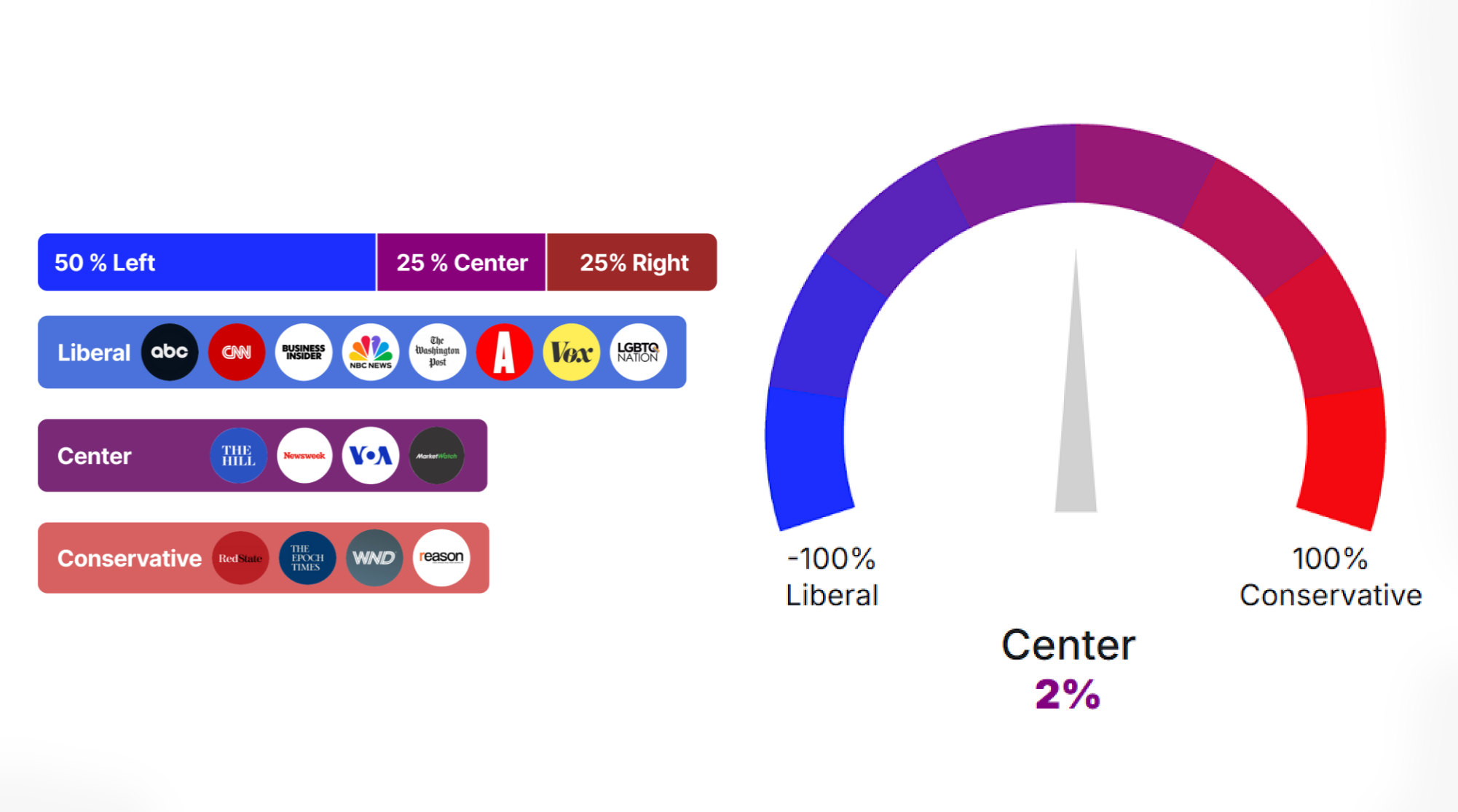
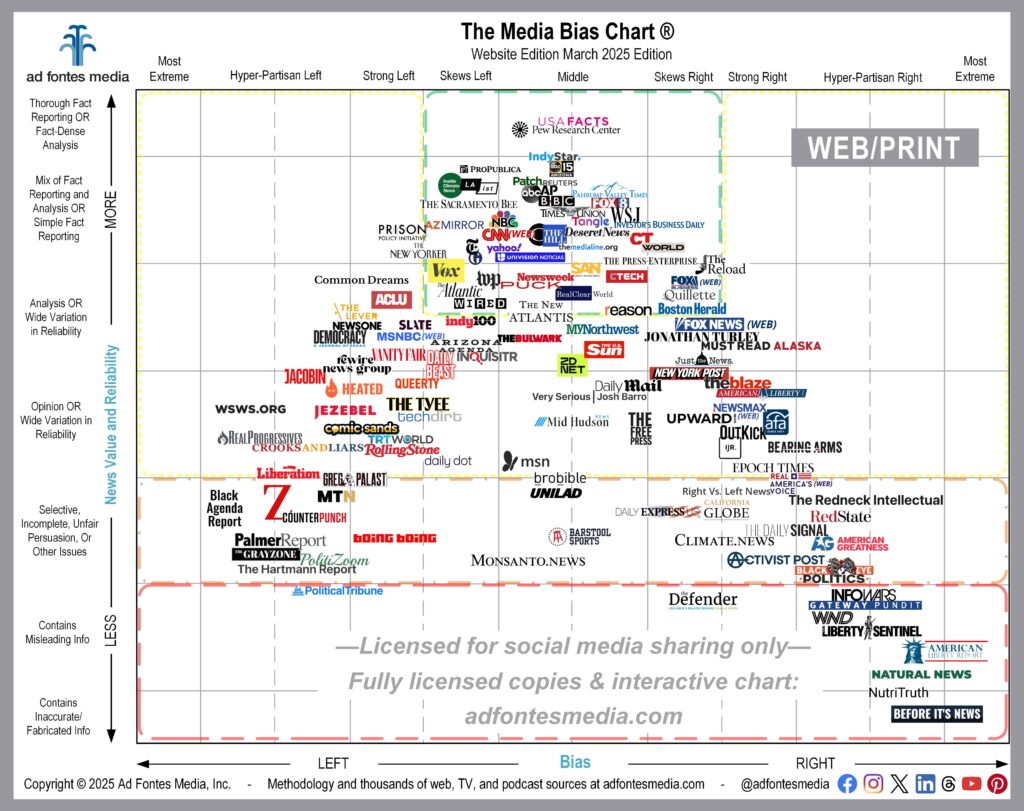
No. Media bias exists across the entire ideological spectrum. Outlets catering to conservative, liberal, progressive, and libertarian audiences all exhibit distinct framing patterns, blind spots, and stylistic preferences tailored to their respective target demographics.
Can automated tools help detect media bias?
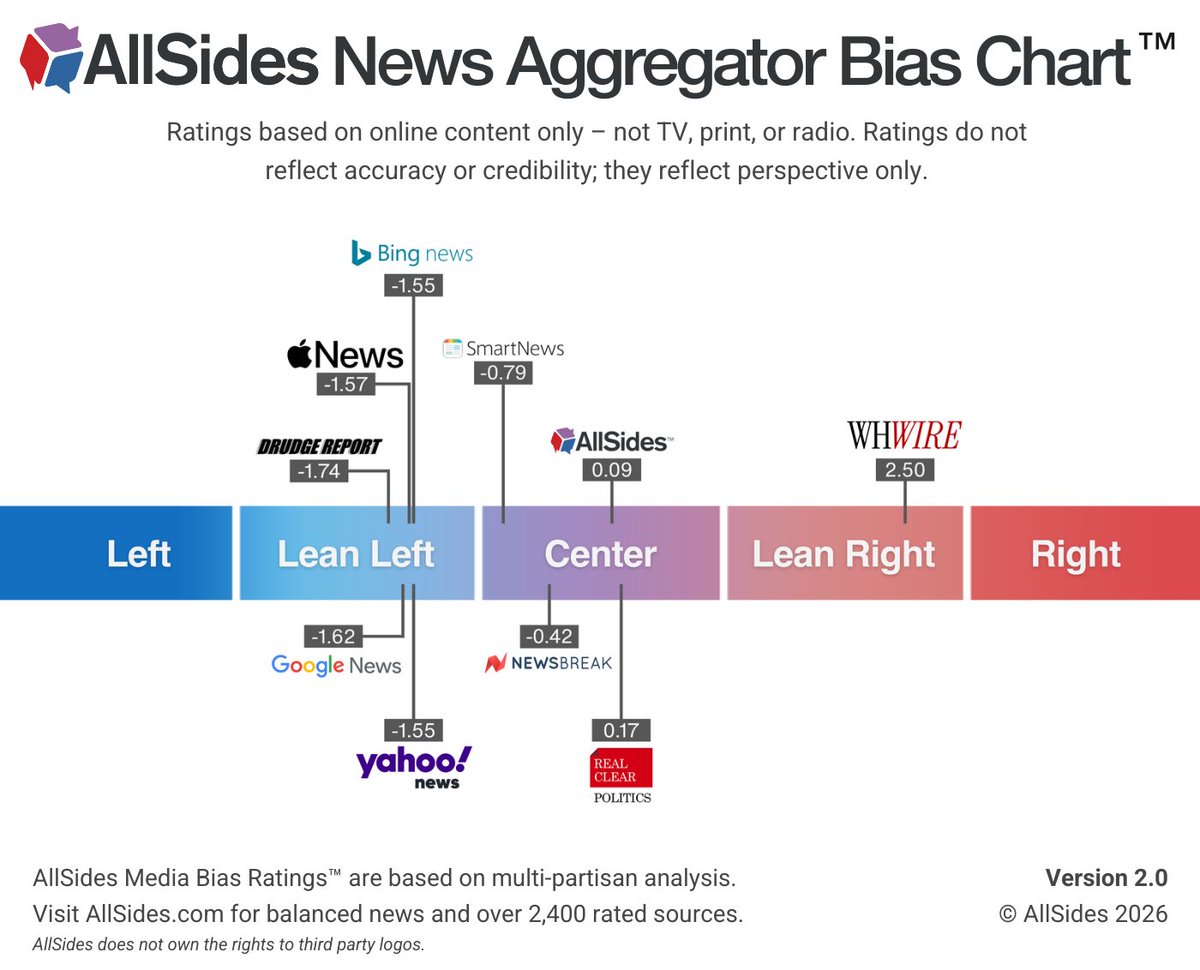
Several browser extensions, media watchdog organizations (such as AllSides or Ad Fontes Media), and AI-based text analyzers attempt to score news articles for bias and reliability. While these tools provide helpful baseline orientation, they should complement, not replace, active critical thinking and primary source evaluation.
Practical Next Actions
To maintain an objective view of current events, diversify your daily news diet by deliberately reading reporting from recognized outlets with different editorial leanings. Prioritize wire services like Reuters or the Associated Press for straight factual reporting of breaking events, as their style guides emphasize neutral, matter-of-fact language. Finally, whenever an article provokes a strong emotional response, pause to investigate the primary sources before sharing or reacting on social media.
Image Gallery