A Comprehensive Guide to Modern VoIP Platforms: 2026 Features, Architecture, and Selection Criteria
A VoIP platform is a cloud-based communication system that transmits voice calls over the internet rather than traditional copper wires. In 2026, these platforms have evolved into Unified Communications as a Service (UCaaS) hubs, integ...
A VoIP platform is a cloud-based communication system that transmits voice calls over the internet rather than traditional copper wires. In 2026, these platforms have evolved into Unified Communications as a Service (UCaaS) hubs, integrating video, messaging, and AI-driven analytics into a single interface for global business connectivity and operational efficiency.
Contents
The Evolution of Voice over IP Technology
The landscape of business telephony has undergone a radical transformation. What began as a simple method for routing voice packets over data networks has matured into the backbone of global enterprise collaboration. A modern VoIP platform is no longer just a "phone system"; it is a sophisticated software layer that sits between your network infrastructure and your user applications.
By 2026, the transition from legacy Public Switched Telephone Networks (PSTN) to IP-based communication is nearly universal for businesses. The primary driver for this shift is the flexibility of the cloud. Traditional Private Branch Exchange (PBX) systems required heavy on-site hardware, expensive maintenance contracts, and physical wiring. Conversely, cloud-native VoIP platforms utilize virtualized infrastructure, allowing for instantaneous scaling, remote management, and deep integration with other software-as-a-service (SaaS) tools.
The underlying architecture relies on Session Initiation Protocol (SIP), which acts as the signaling language for starting, maintaining, and ending communication sessions. While SIP is the standard, modern platforms also leverage WebRTC (Web Real-Time Communication), enabling high-quality audio and video directly within web browsers without the need for specialized plugins or standalone desktop applications.
Core Components of a VoIP Platform
To understand how these platforms function, one must look at the technical stack that powers them. A robust VoIP ecosystem consists of several interconnected layers:
1. The Call Control Layer
This is the "brain" of the platform, often referred to as a hosted PBX or a Softswitch. It manages call routing, determines where a call should be directed based on internal logic (like "find me/follow me" rules), and handles features like call waiting, transfers, and automated attendants. In 2026, this layer is increasingly managed by AI agents that can predict call volumes and optimize routing paths in real-time.
2. The Media Processing Layer
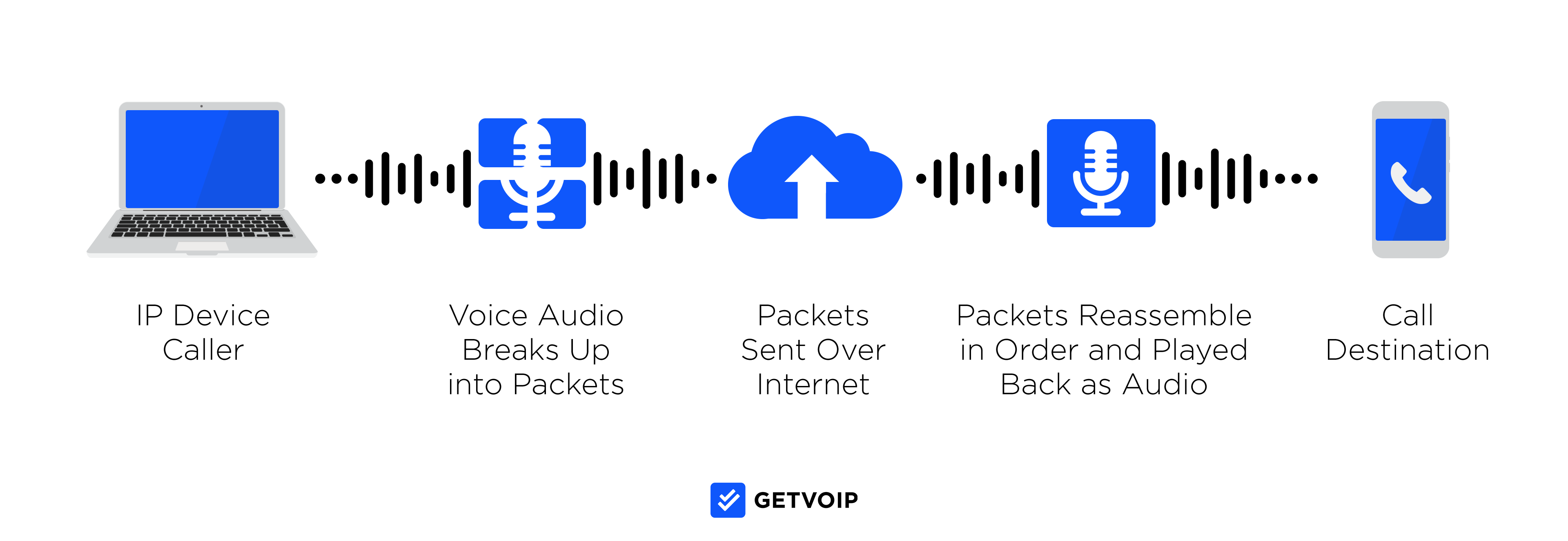
This layer handles the actual voice and video data. It uses codecs (encoder-decoders) to compress analog audio into digital packets and decompress them at the receiving end. The choice of codec impacts both call quality and bandwidth consumption. Common codecs include:
- G.711: The industry standard for uncompressed, high-quality audio, requiring about 64 kbps of bandwidth.
- G.722: A wideband "HD Voice" codec that provides superior clarity.
- Opus: A highly versatile codec that adapts in real-time to varying network conditions, making it the preferred choice for mobile VoIP users in 2026.
3. The Endpoint Layer
Endpoints are the devices or software interfaces used by the end-user. This includes physical IP phones (from manufacturers like Poly or Yealink), desktop applications, mobile apps, and browser-based clients. Modern platforms ensure "presence parity," meaning a user’s status and message history are synchronized perfectly across all devices.
Advanced Features and AI Integration in 2026
The VoIP platforms of 2026 are defined by their intelligence. Artificial Intelligence is no longer a premium add-on but a core component of the communication experience.
Real-Time Intelligence
Modern platforms offer automated transcription and sentiment analysis. As a call progresses, the AI can transcribe the conversation in real-time, highlighting action items and detecting the emotional state of the caller. This is particularly valuable in customer service environments, where supervisors can be alerted to escalating tensions before a call ends.
Omnichannel Convergence
A VoIP platform is rarely just about voice. It serves as an omnichannel gateway, allowing users to switch from a voice call to a video conference or a screen-sharing session with a single click. Furthermore, it integrates SMS, MMS, and business messaging, ensuring that all client communications are logged within a single record.
API-First Design
The most successful VoIP platforms utilize an API-first architecture. This allows businesses to embed communication features directly into their proprietary applications or third-party CRM systems like Salesforce, HubSpot, or Microsoft Dynamics. For example, a "click-to-dial" button within a CRM triggers the VoIP platform to initiate a call, while simultaneously opening a new activity log for that specific lead.
Infrastructure and Technical Requirements
Implementing a VoIP platform requires a network capable of handling real-time data. Unlike email or web browsing, voice packets are extremely sensitive to delay.
Bandwidth and Quality of Service (QoS)
While a single call only uses about 100 kbps (including overhead), the total bandwidth requirement must account for the maximum number of concurrent calls. More importantly, your router must support Quality of Service (QoS) settings. QoS prioritizes voice packets over less time-sensitive data (like a large file download), preventing audio dropouts.
Network Latency and Jitter
To maintain "toll-quality" audio, the network must meet specific performance metrics:
- Latency: The time it takes for a packet to travel from the sender to the receiver. It should remain below 150 milliseconds (ms) for a natural-sounding conversation.
- Jitter: The variation in packet arrival times. High jitter causes "choppy" audio. It should be kept below 30ms.
- Packet Loss: Even a 1% loss of data packets can noticeably degrade call quality.
Power over Ethernet (PoE)
For businesses deploying physical IP phones, PoE switches are essential. These switches provide both data and electrical power over a single Ethernet cable, eliminating the need for individual power adapters at every desk and simplifying the cabling infrastructure.
Security and Compliance Standards
As communication moves to the cloud, security becomes a paramount concern. VoIP platforms are targets for "toll fraud," eavesdropping, and spoofing. In 2026, enterprise-grade platforms adhere to several critical security protocols:
- SRTP (Secure Real-time Transport Protocol): This encrypts the voice data itself, ensuring that even if packets are intercepted, they cannot be listened to.
- TLS (Transport Layer Security): This encrypts the signaling (SIP) data, protecting information about who is calling whom.
- STIR/SHAKEN: A framework required by the Federal Communications Commission (FCC) to combat caller ID spoofing by digitally validating that a call is actually coming from the number displayed.
Compliance is equally important for regulated industries. Healthcare providers must ensure their VoIP platform is HIPAA compliant, while financial institutions look for PCI-DSS and SOC 2 Type II certifications to protect sensitive client data.
2026 Comparison of Leading VoIP Platforms
Selecting the right platform depends on the size of the organization and specific feature requirements. The following table outlines the current market leaders as of 2026.
| Feature | RingCentral | Zoom Phone | Microsoft Teams Phone | Dialpad |
|---|---|---|---|---|
| Primary Strength | Global Scale & Reliability | Ease of Use & Video DNA | Ecosystem Integration | AI & Voice Intelligence |
| Standard Pricing (2026) | $25–$45 /user/mo | $15–$30 /user/mo | $8–$20 /user/mo (Add-on) | $20–$40 /user/mo |
| AI Capabilities | Advanced Analytics | AI Companion Summaries | Copilot Integration | Native Real-time Transcripts |
| Uptime SLA | 99.999% | 99.999% | 99.99% | 100% (Enterprise) |
| Best For | Mid-market to Enterprise | Small to Medium Businesses | Microsoft-centric Orgs | Sales & Support Teams |
Implementation Strategy and Common Pitfalls
Transitioning to a new VoIP platform is a multi-step process that requires careful planning. A common mistake is failing to conduct a thorough network audit before deployment.
1. Network Assessment
Use a VoIP readiness tool to simulate call traffic over several days. This identifies bottlenecks or "peak hours" where your internet connection might struggle to maintain voice quality.
2. Number Porting
The process of moving your existing phone numbers from an old carrier to the new VoIP provider is called porting. This can take anywhere from a few days to several weeks. Ensure you have all necessary documentation, such as a recent Letter of Authorization (LOA) and a Customer Service Record (CSR), to avoid delays.
3. User Training
Because modern platforms include video, chat, and AI tools, user adoption is often the biggest hurdle. Conduct phased rollouts, starting with a "pilot" group, to identify specific training needs before the full company-wide launch.
4. Emergency Services (E911)
Unlike traditional landlines, VoIP phones are not tied to a physical location. In 2026, it is legally required to maintain accurate Dynamic E911 records, which automatically update the physical address sent to emergency responders when a user moves their device (e.g., from the office to a home workspace).
Troubleshooting and Performance Optimization
Even the most stable platforms encounter issues. Most VoIP problems fall into three categories:
- One-Way Audio: This is almost always a firewall or NAT (Network Address Translation) issue. It occurs when the firewall allows outgoing audio packets but blocks incoming ones. Disabling "SIP ALG" on the router is a common fix.
- Dropped Calls: Often caused by a brief interruption in the internet connection or a "re-keying" event in the security certificates. Check the router logs for WAN disconnects.
- Echo: Usually caused by the hardware on the other end or a volume that is set too high, leading to physical feedback into the microphone. High-quality headsets with noise cancellation are the best preventative measure.
Frequently Asked Questions
Can I use my existing analog phones with a VoIP platform?
Yes, you can use an Analog Telephone Adapter (ATA). This device converts the analog signal from your old desk phone into digital packets that the VoIP platform can understand. However, you will lose access to modern features like touchscreens and presence indicators found on native IP phones.
What happens to my VoIP phone system if the internet goes down?
Modern cloud platforms provide "automatic failover." You can configure the system to automatically reroute incoming calls to mobile devices or external landlines if your primary office internet connection fails. This ensures business continuity even during local outages.
How much bandwidth does a single VoIP call actually use?
A standard high-definition call uses approximately 85 to 100 kbps of upload and download bandwidth. For a business with 20 concurrent callers, you would need at least 2 Mbps of dedicated, stable bandwidth purely for voice traffic, over and above your normal data usage.
Is VoIP secure enough for legal or medical businesses?
Yes, provided you select a platform that offers end-to-end encryption and complies with industry-specific regulations. Many legal and medical firms use VoIP platforms specifically for their advanced logging and call-recording capabilities, which aid in compliance auditing.
Does a VoIP platform support international calling?
Most platforms offer international calling, but the costs vary significantly. Some providers offer unlimited calling to specific countries in their premium tiers, while others use a "pay-as-you-go" credit system. Always check the specific "Rate Center" pricing before making frequent international calls.
Final Recommendation
When selecting a VoIP platform, prioritize network reliability and integration capability over the lowest sticker price. For organizations already embedded in the Microsoft or Google ecosystems, choosing the native communication tool (Teams or Google Voice) often provides the most seamless user experience. However, for companies that require advanced sales analytics or high-volume contact center features, specialized providers like RingCentral or Dialpad remain the gold standard in 2026. Start by requesting a "proof of concept" period to test the platform on your specific network before committing to a long-term contract.
Image Gallery