How Startup Business Help is Evolving for New Founders in 2026
The landscape of startup support has transitioned from generalized mentorship and equity-heavy acceleration to a decentralized, AI-integrated, and highly specialized ecosystem. Today, founders prioritize fractional expertise, non-dilut...
The landscape of startup support has transitioned from generalized mentorship and equity-heavy acceleration to a decentralized, AI-integrated, and highly specialized ecosystem. Today, founders prioritize fractional expertise, non-dilutive funding, and autonomous operational tools over traditional physical incubators, allowing for leaner, more resilient business models from day one.
Contents
The journey of a new founder in 2026 bears little resemblance to the "growth at all costs" era of the previous decade. As capital becomes more discerning and technology more capable, the "help" available to entrepreneurs has matured. It is no longer just about finding an office space or a generic mentor; it is about assembling a sophisticated stack of automated intelligence, specialized human capital, and flexible financial instruments.
The Shift from Generalist to Hyper-Specialized Acceleration
In the early 2010s, startup accelerators were largely generalist. A single cohort might include a fintech app, a sustainable clothing brand, and a SaaS tool. In 2026, this model has largely been superseded by hyper-specialized vertical accelerators. These programs focus exclusively on narrow domains such as generative bio-engineering, decentralized energy grids, or ethical AI governance.
The value proposition of these specialized programs lies in their deep-moat networks. A founder in a ClimateTech accelerator isn't just getting "business advice"; they are getting direct introductions to regulatory bodies, specialized hardware manufacturers, and carbon-credit auditors. This evolution acknowledges that the barriers to entry for modern startups are often regulatory or technical rather than purely operational.
Furthermore, the "demo day" has evolved. Rather than a pitch to a crowded room of generalist VCs, support systems now facilitate "Continuous Liquidity Events." Founders are introduced to micro-investors and strategic corporate partners throughout the program lifecycle, reducing the pressure of a single high-stakes presentation.
AI as the "Infinite Intern" and Operational Co-Founder
Perhaps the most significant evolution in startup help is the integration of AI agents into the foundational team. In 2026, a new founder rarely starts alone; they start with a suite of autonomous agents that handle the "heavy lifting" of business administration.
- Automated Regulatory Compliance: For founders in highly regulated sectors like healthcare or finance, help now comes in the form of AI platforms that monitor legislative changes in real-time. These tools automatically update privacy policies, terms of service, and filing requirements, ensuring the startup remains compliant without hiring a full-time legal team.
- Real-Time Market Intelligence: Traditional market research, which used to take weeks and thousands of dollars, is now a continuous background process. Support platforms provide founders with live dashboards that track competitor pivots, consumer sentiment shifts, and supply chain disruptions.
- Predictive Financial Modeling: Modern accounting help has moved beyond bookkeeping. AI-driven financial advisors now simulate thousands of "what-if" scenarios, helping founders understand exactly how a new hire or a marketing spend will impact their runway twelve months into the future.
This shift has lowered the cost of failure and the "burn rate" of early-stage companies. Founders can now remain in "stealth mode" or "bootstrap mode" much longer because their operational overhead is managed by software rather than a large administrative staff.
The Rise of Fractional Leadership and On-Demand Expertise
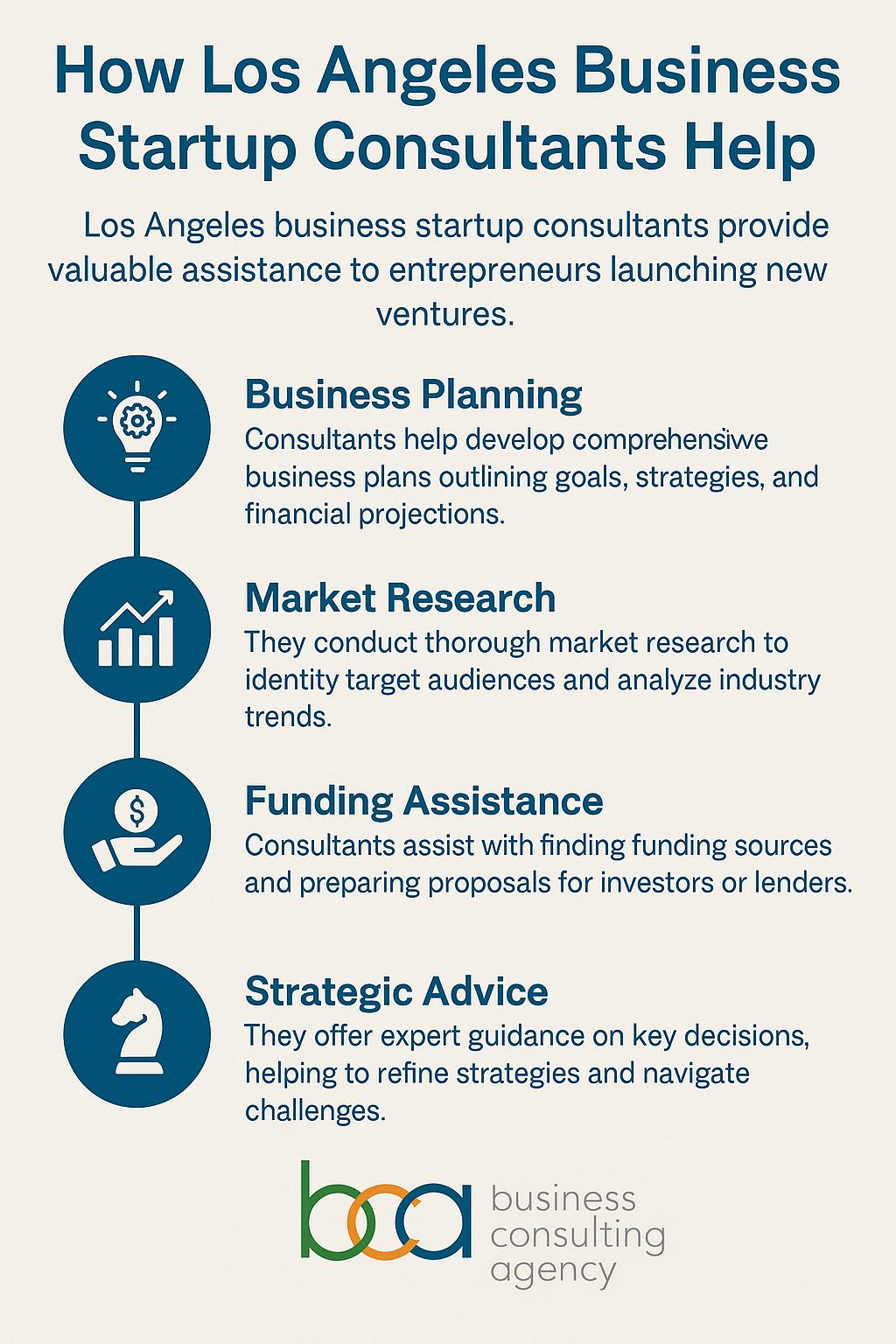
The "all-in" co-founder model is being supplemented—and in some cases replaced—by fractional leadership. Founders in 2026 have access to high-tier talent that they could never afford on a full-time basis. Through specialized talent marketplaces, a startup can "rent" a Fractional CTO, CFO, or CMO for five hours a week.
This evolution in help addresses a common pitfall: the "expertise gap." Early-stage founders often struggle with high-level strategy in areas outside their core competency. A technical founder might build a brilliant product but fail at go-to-market strategy. Instead of hiring an expensive, full-time executive who might not be needed once the systems are built, founders now plug into a network of "Elite Gig Workers."
This model also benefits the experts, many of whom are former founders themselves. It creates a circular economy of knowledge where experienced builders provide high-impact guidance to multiple startups simultaneously. For the new founder, this means the quality of advice is significantly higher and more practical than the academic mentorship of the past.
Evolution of Funding: Beyond the Venture Capital Monolith
For decades, "startup help" was synonymous with venture capital. If a VC didn't fund you, you weren't a "real" startup. In 2026, the funding landscape has diversified to offer help that aligns with different business goals.
Revenue-Based Financing (RBF) has become a staple for SaaS and e-commerce startups. Instead of giving up equity, founders receive capital in exchange for a percentage of future revenues. This type of help is ideal for companies with proven unit economics that need a boost for customer acquisition without diluting their ownership.
Community-Led Funding and Decentralized Autonomous Organizations (DAOs) have also matured. For founders building products for specific communities (e.g., developers, gamers, or climate activists), help often comes from the users themselves. These backers provide not just capital, but early product testing, advocacy, and a built-in customer base.
| Feature | Traditional Support (2010s) | Modern Support (2026) |
|---|---|---|
| Primary Goal | Blitzscaling and Exit | Sustainable Growth and Resilience |
| Mentorship | Generalist/Academic | Fractional/Practitioner-Led |
| Technology | Tool-based (SaaS) | Agent-based (Autonomous AI) |
| Funding | Equity-Heavy (VC) | Hybrid (RBF, Community, Micro-VC) |
| Office Space | Physical Incubators | Remote-First / Pop-up Hubs |
| Compliance | Manual/Consultant-led | Automated/Embedded |
Wellness and Mental Resilience as a Business Metric
The "hustle culture" that defined the 2010s has been largely discredited as a sustainable path to success. In 2026, startup help includes a robust focus on founder mental health. Accelerators and investment firms now include "Founder Resilience" packages as part of their standard support.
This help manifests as peer-support groups, executive coaching focused on emotional intelligence, and even biological optimization. Investors have realized that the greatest risk to an early-stage company is not the market or the product, but founder burnout. By providing resources for mental health, the ecosystem is protecting its most valuable assets.
Furthermore, the definition of "success" has broadened. Modern support systems help founders build "Zebra" companies (profitable and socially responsible) just as much as they help build "Unicorns." This cultural shift has made entrepreneurship accessible to a wider demographic of founders who may have been put off by the high-stress, winner-take-all mentality of the past.
Networking in a Decentralized World
The geographical monopoly of Silicon Valley has been replaced by a global, decentralized network. Help is no longer gated by a zip code. Digital-first communities use advanced matching algorithms to connect founders with the right partners, regardless of where they are located.
While physical hubs still exist, they have evolved into "Deep Work" retreats or short-term residency programs. A founder might spend two weeks in a specialized hub in Lisbon or Singapore to solve a specific engineering problem or close a funding round, and then return to their remote-first operations. This flexibility allows founders to build teams in lower-cost regions while still accessing high-value networks.
Common Pitfalls in the New Support Ecosystem
Despite the abundance of help, new founders face new challenges. The primary risk in 2026 is "Over-Automation." While AI agents can handle tasks, they cannot replace the core vision and human intuition of the founder. There is a danger of becoming disconnected from the customer if every interaction and market analysis is filtered through an autonomous system.
Another risk is "Advice Fragmentation." With access to so many fractional experts and specialized platforms, founders can receive conflicting data. The most successful founders in this new era are those who develop strong "filters"—the ability to synthesize diverse inputs and make a decisive, singular choice.
FAQ
How much does fractional leadership typically cost a new startup in 2026? Pricing is usually based on a "Retainer + Equity" or a "Hourly Tier" model. A fractional CFO might cost between $2,000 and $5,000 per month for a set number of hours. This is significantly more capital-efficient than a $250,000 annual salary for a full-time executive during the seed stage.
Is venture capital still relevant for new founders? Yes, but it is no longer the default. Venture capital is now seen as "fuel for the fire." It is best suited for companies with high capital intensity (like hardware or biotech) or those in a "winner-take-most" market. For most software and service startups, alternative funding is often more attractive.
How do AI agents handle legal and tax help without human error? AI agents in 2026 operate on "Verified Knowledge Bases" and are often backed by "Liability Insurance" provided by the software vendor. However, for major events like an acquisition or a complex lawsuit, human legal counsel is still used to provide final verification and strategic oversight.
What is the best way to find a specialized accelerator? Founders typically use "Accelerator Aggregators" that match their specific NACE (Nomenclature of Economic Activities) code and stage of development with the best-performing programs. These platforms provide transparent data on previous cohort success rates and founder satisfaction scores.
Are physical incubators completely dead? No, but they have pivoted. They now serve as specialized laboratories or manufacturing hubs where founders can access expensive equipment (like 3D bioprinters or quantum computing simulators) that would be impossible to own individually.
Final Recommendations for New Founders
For those starting a business in 2026, the strategy should be to build a modular company. Do not rush into long-term leases or permanent full-time hires. Instead, leverage the evolving help ecosystem to remain agile. Start with a core "Human Vision" and surround it with "Autonomous Operations." Use fractional experts to bridge your knowledge gaps and seek funding that aligns with your specific exit or growth goals. The most successful founders are no longer those who work the hardest, but those who orchestrate the best support systems.
Image Gallery