Thomas Roof: The Smart Home Installer and Luxury Integration Expert
Thomas Roof is a prominent figure in the custom electronics industry, recognized as a high-end smart home installer and technology consultant specializing in bespoke automation for luxury residences and commercial spaces. His work focu...
Thomas Roof is a prominent figure in the custom electronics industry, recognized as a high-end smart home installer and technology consultant specializing in bespoke automation for luxury residences and commercial spaces. His work focuses on integrating complex systems—including lighting control, climate management, multi-room audio-visual displays, and enterprise-grade networking—into seamless, user-friendly environments that prioritize both functionality and architectural aesthetics.
Contents
The Role of Thomas Roof in the Custom Integration Industry
In the evolving landscape of 2026, the term "smart home installer" has transitioned from a generalist technician to a highly specialized technology architect. Thomas Roof exemplifies this shift. Rather than simply mounting hardware or configuring off-the-shelf consumer devices, Roof focuses on the custom integration (CI) sector. This involves designing ecosystems that are reliable, secure, and tailored to the specific lifestyle of the inhabitants.
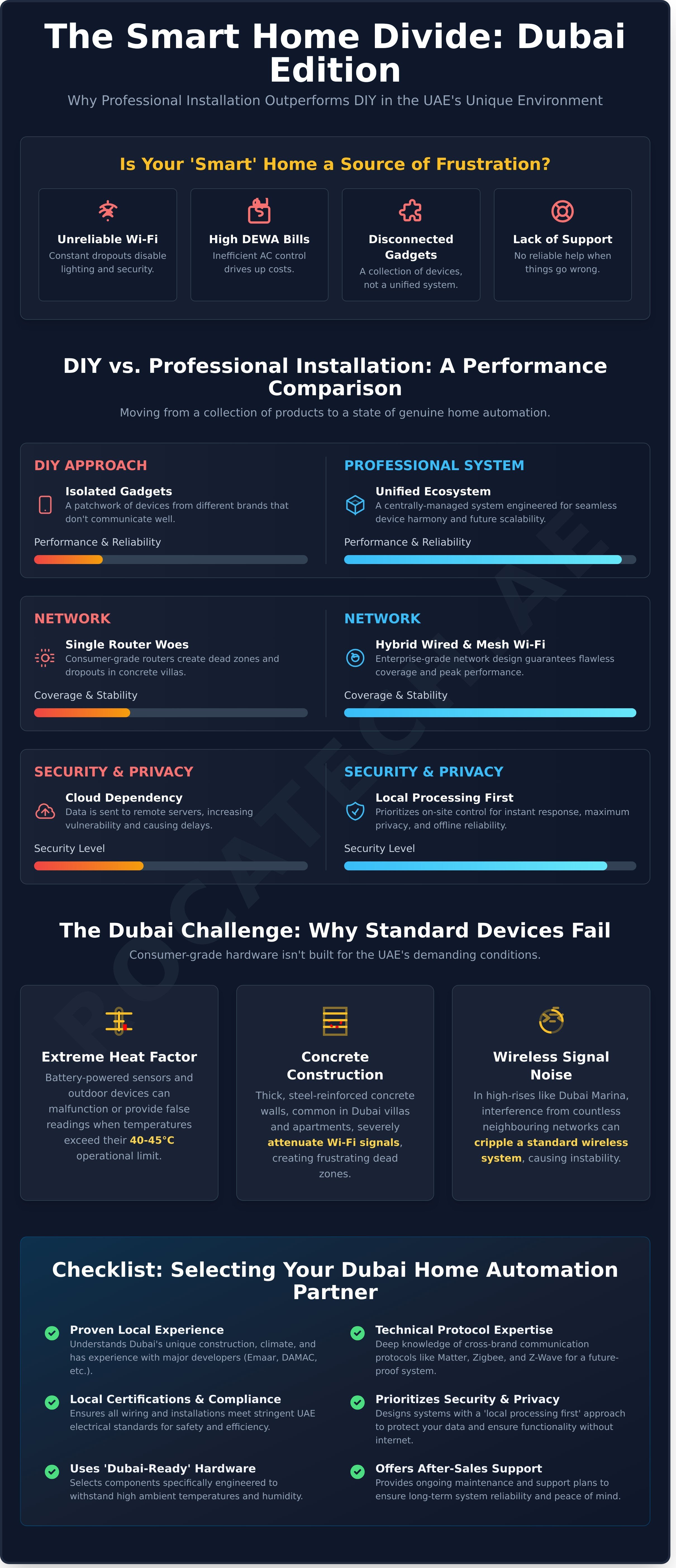
The distinction between a standard installation and the work of an expert like Thomas Roof lies in the depth of system programming and infrastructure. Luxury homes require more than just Wi-Fi connectivity; they demand low-voltage wiring, dedicated rack rooms for hardware, and sophisticated control processors that manage hundreds of individual endpoints simultaneously. Roof’s reputation is built on his ability to bridge the gap between complex engineering and an intuitive user interface, ensuring that homeowners can control their entire environment with a single touch or voice command without experiencing the "tech fatigue" common in DIY setups.
Core Services and Technical Specializations
The services provided by a premium installer like Thomas Roof are comprehensive, covering every stage of a property’s lifecycle from the initial blueprints to long-term maintenance. In 2026, these services have expanded to include sophisticated AI-driven automation and sustainable energy management.
Bespoke Home Automation and Orchestration
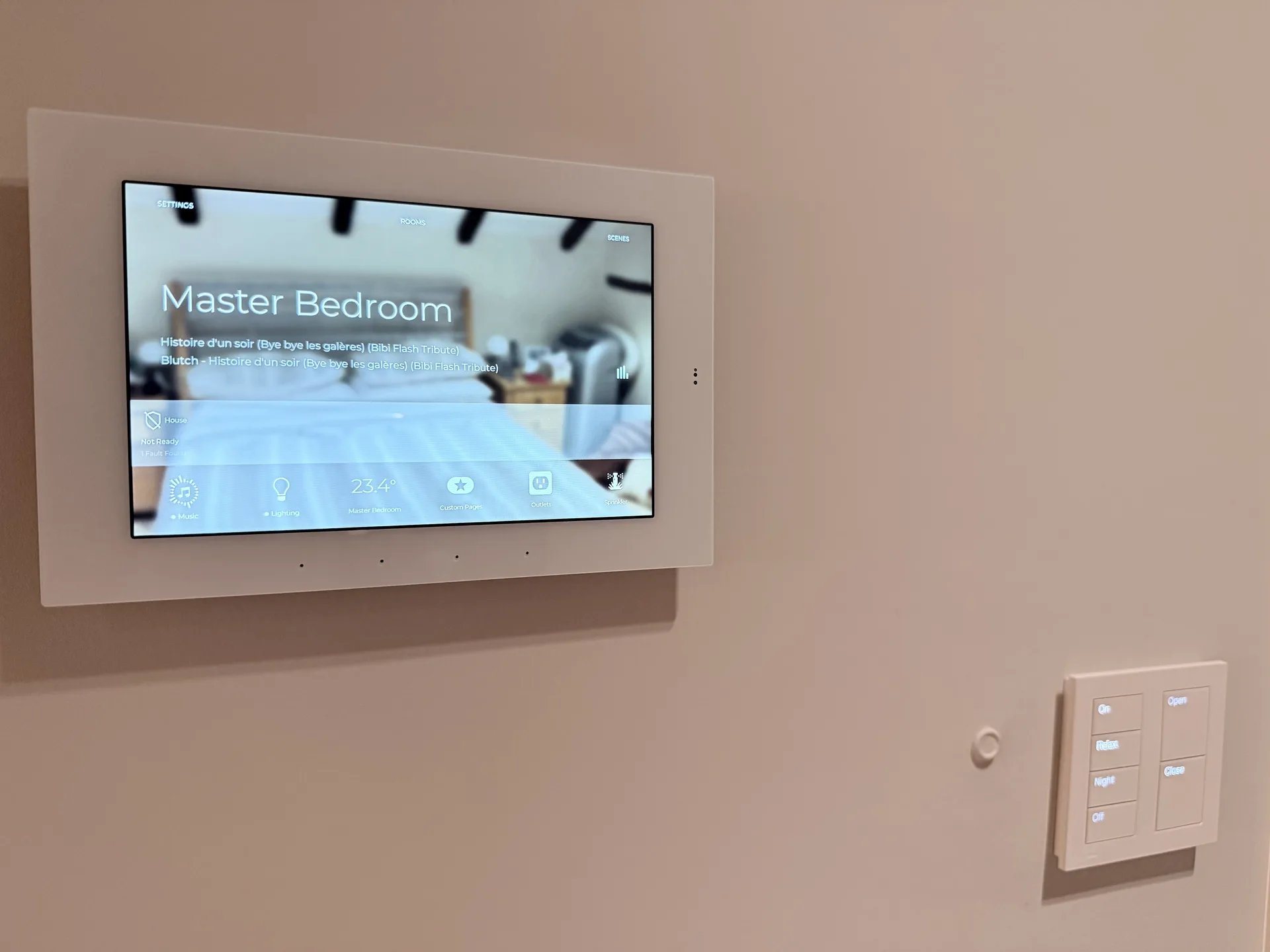
At the heart of any project is the control system. Thomas Roof specializes in high-tier platforms such as Crestron, Lutron, and Savant. These systems act as the "brain" of the home. Unlike basic hubs, these platforms allow for granular customization. For instance, a "Morning" scene might gradually raise motorized shades, adjust the water temperature in the shower, slowly brighten the lights to a specific Kelvin (color temperature), and play a curated news briefing over the ceiling speakers.
Intelligent Lighting and Shading
Lighting is often the most impactful element of a smart home. Roof integrates systems that utilize Tunable White technology, which mimics the natural progression of the sun (Circadian Rhythm lighting). This promotes wellness by regulating sleep-wake cycles. Motorized shading from providers like Lutron is integrated not just for privacy, but for thermal management—shades automatically lower during peak sunlight hours in 2026 to reduce the load on HVAC systems, significantly lowering energy costs.
Enterprise-Grade Networking and Security
As homes become more data-dependent, the underlying network infrastructure must be robust. Thomas Roof installs enterprise-grade hardware (such as Ruckus or Ubiquiti) to ensure 100% coverage across large estates. In 2026, this includes the deployment of Wi-Fi 7 and dedicated fiber backbones within the home to support high-bandwidth 8K streaming and low-latency virtual reality applications. Security is handled through encrypted, locally-stored surveillance systems that avoid the privacy risks associated with cloud-based consumer cameras.
The Thomas Roof Methodology: From Design to Deployment
Professional integration follows a rigorous process that differentiates it from retail-level services. Thomas Roof’s approach is typically divided into four distinct phases:
- Discovery and Consultation: This phase involves a deep dive into the client’s lifestyle. Questions focus on how they entertain, their security concerns, and their aesthetic preferences. This is where the "needs analysis" occurs, determining whether the focus is on a high-performance home cinema or a minimalist, "invisible" technology setup.
- System Design and Documentation: Before a single wire is pulled, a complete set of CAD drawings and schematics is produced. This documentation is essential for coordinating with architects and interior designers, ensuring that technology components like speakers and sensors are hidden or integrated into the décor.
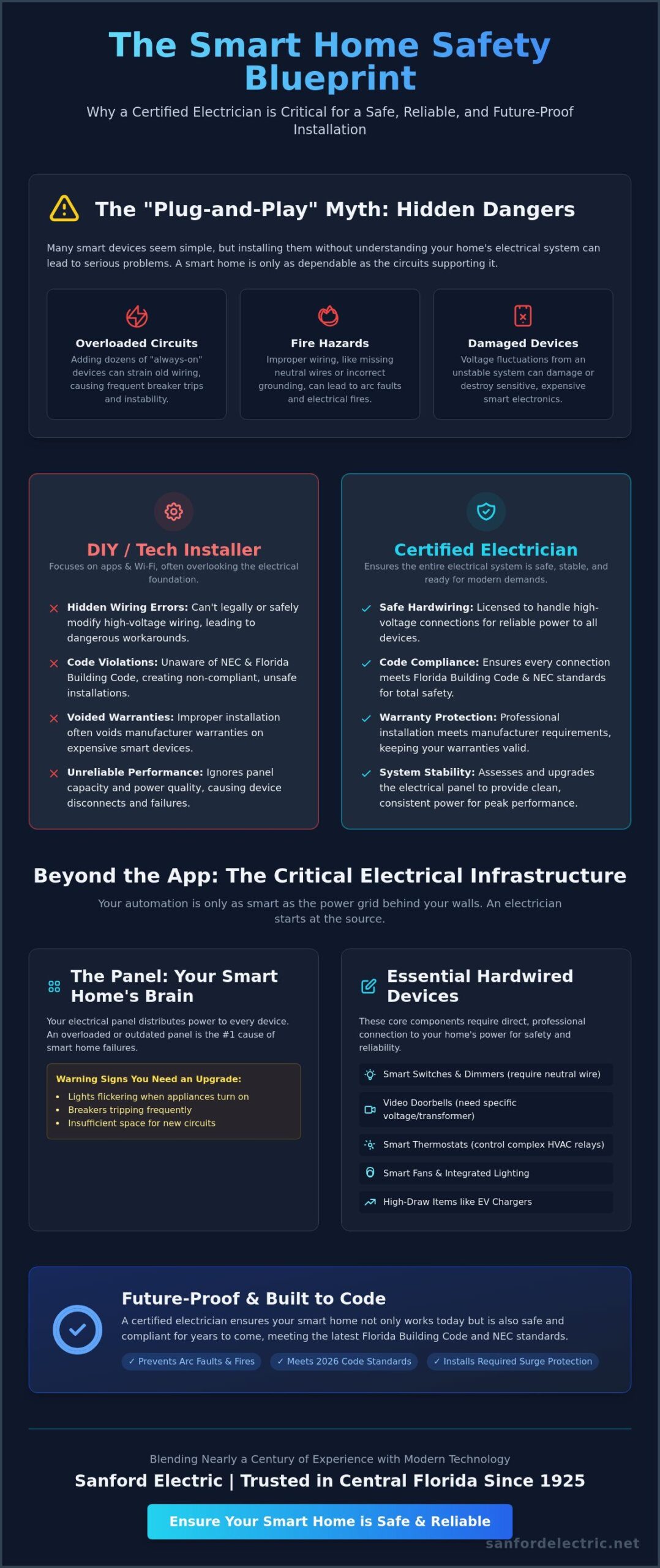
- Infrastructure and Rough-In: During construction or renovation, the "nervous system" of the home is installed. This includes thousands of feet of shielded CAT6A or CAT8 cabling, speaker wire, and specialized control cables. Thomas Roof emphasizes the importance of a wired backbone to ensure reliability that wireless systems cannot match.
- Commissioning and Programming: The final phase involves the physical installation of devices and the complex programming required to make them work in harmony. This includes the creation of custom user interfaces on touchpanels, smartphones, and remotes.
Technical Comparison of Smart Home Tiers
To understand the value of a specialist like Thomas Roof, it is helpful to compare the different levels of smart home technology available in 2026.
| Feature | DIY / Consumer Tier | Professional Integrated Tier | Bespoke Luxury (Thomas Roof Level) |
|---|---|---|---|
| Primary Platforms | Amazon Alexa, Google Home | Control4, Elan | Crestron, Savant, Lutron Homeworks |
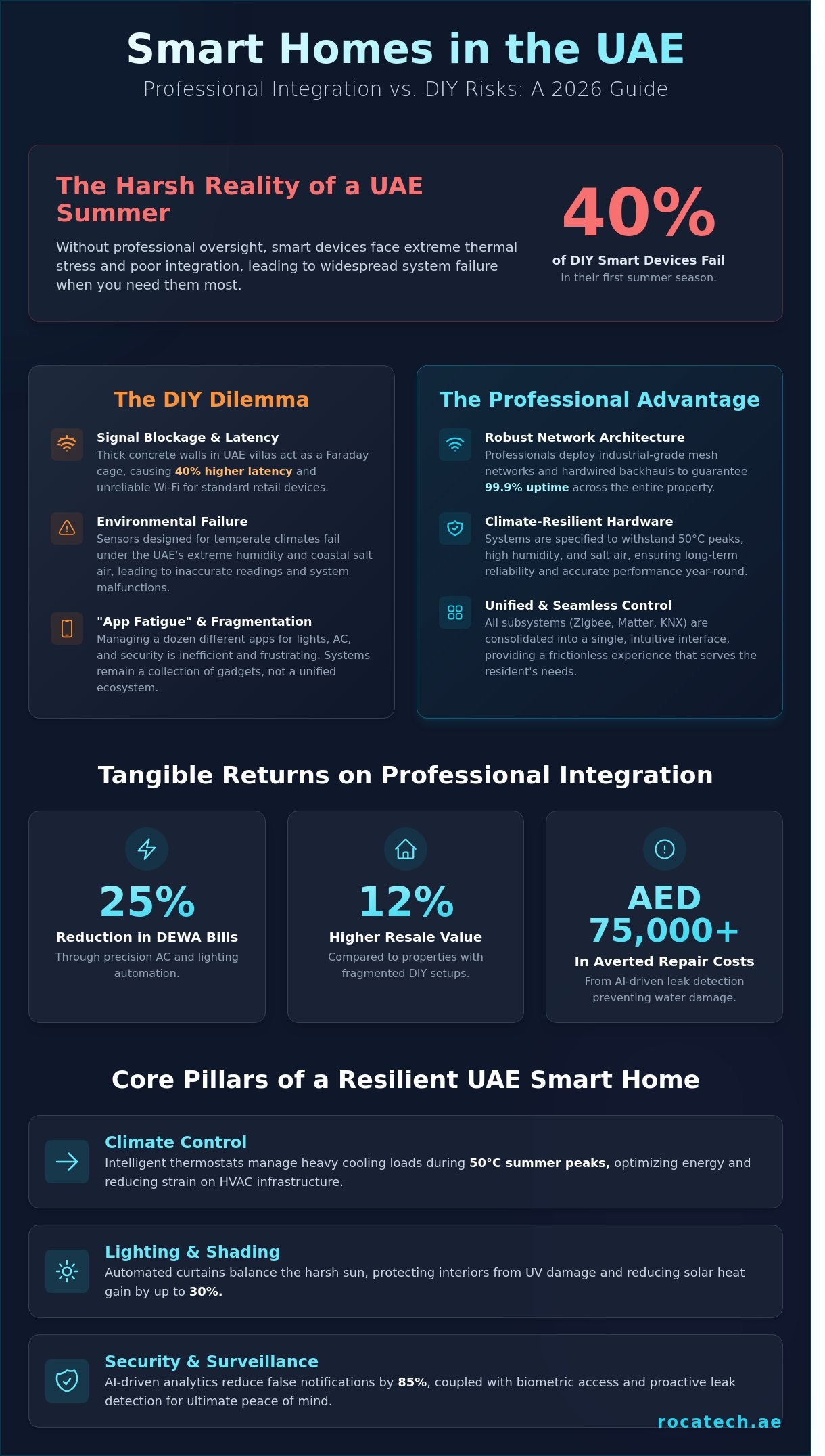
| Connectivity | 90% Wireless (Wi-Fi/Thread) | Hybrid (Wired & Wireless) | 90% Wired Backbone / Fiber |
| Customization | Standard App Presets | Dealer-Configured | Fully Bespoke Logic & UI |
| Privacy | Cloud-Dependent | Local Processing | Encrypted, Offline-Capable |
| Reliability | Variable (Consumer Grade) | High (Professional Grade) | Enterprise-Grade (99.9% Uptime) |
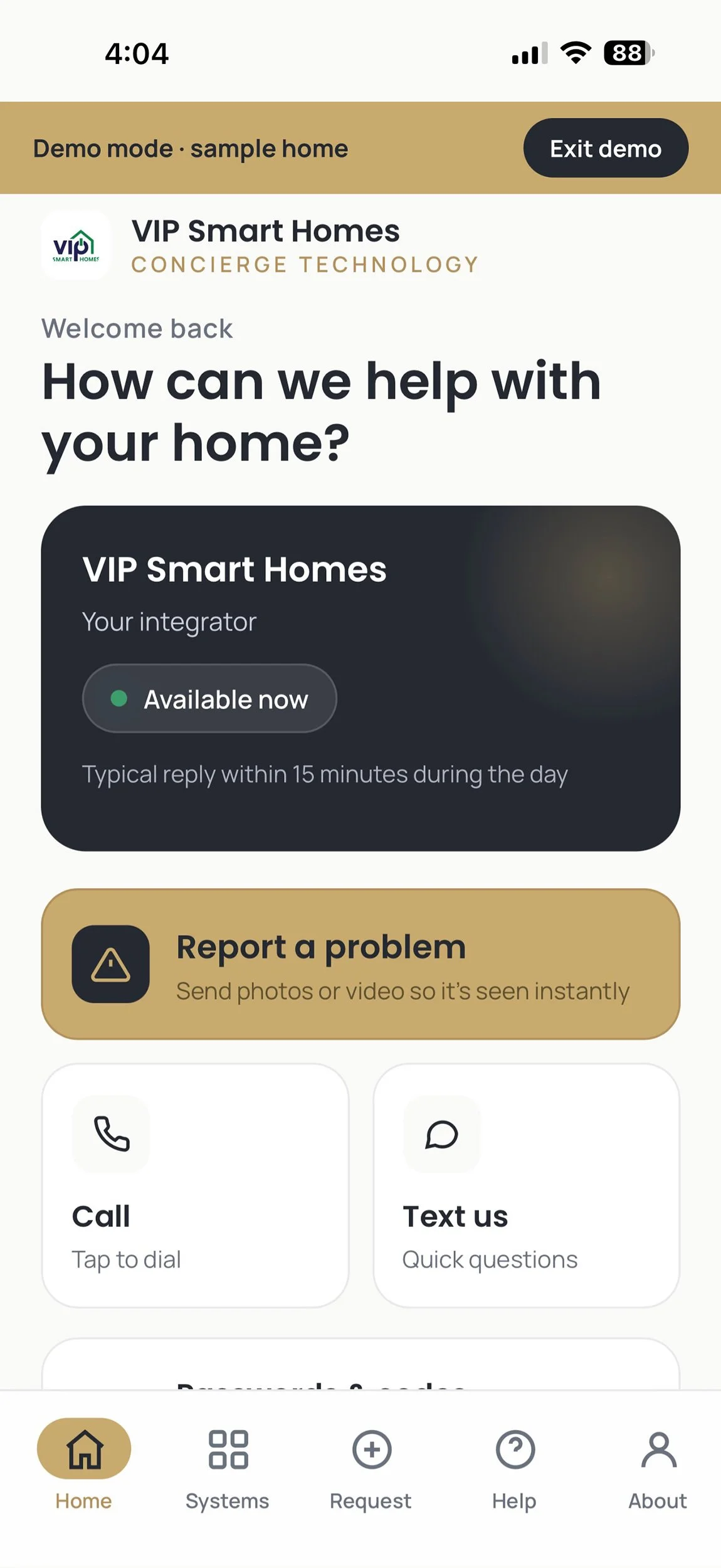
| Support | Self-Service / Community | Remote Dealer Support | 24/7 Managed Services & Concierge |
Integration Trends and Innovations in 2026
The smart home industry has matured significantly, and installers like Thomas Roof are now focusing on "Predictive Automation." In 2026, the following trends are standard in high-end installations:
- AI-Driven Environmental Tuning: Systems no longer wait for a command. Using presence sensors and machine learning, the home anticipates the user's needs. If the system detects a resident is working in the home office, it optimizes the lighting for focus and adjusts the acoustics to minimize background noise.
- Energy Independence: With the rise of smart grids, Thomas Roof integrates home battery backups (like the Tesla Powerwall 3 or Sonnen systems) with solar arrays. The smart home controller manages energy distribution, selling power back to the grid when prices are high and drawing from batteries during peak hours.
- Invisible Technology: The aesthetic trend in 2026 is "tech-free" visuals. This involves "plaster-in" speakers that are completely flush with the wall and painted over, as well as mirrors that transform into high-definition displays only when activated.
- Matter and Thread Evolution: While these protocols have unified the consumer market, professional installers like Roof use Matter-over-Thread to bridge the gap between high-end control systems and a wider variety of niche peripheral devices, ensuring future-proof compatibility.
Why Professional Installation is Essential for High-End Homes
Homeowners often ask why a professional installer is necessary when many devices claim to be "plug-and-play." The complexity of a modern luxury home makes professional oversight a necessity rather than a luxury.
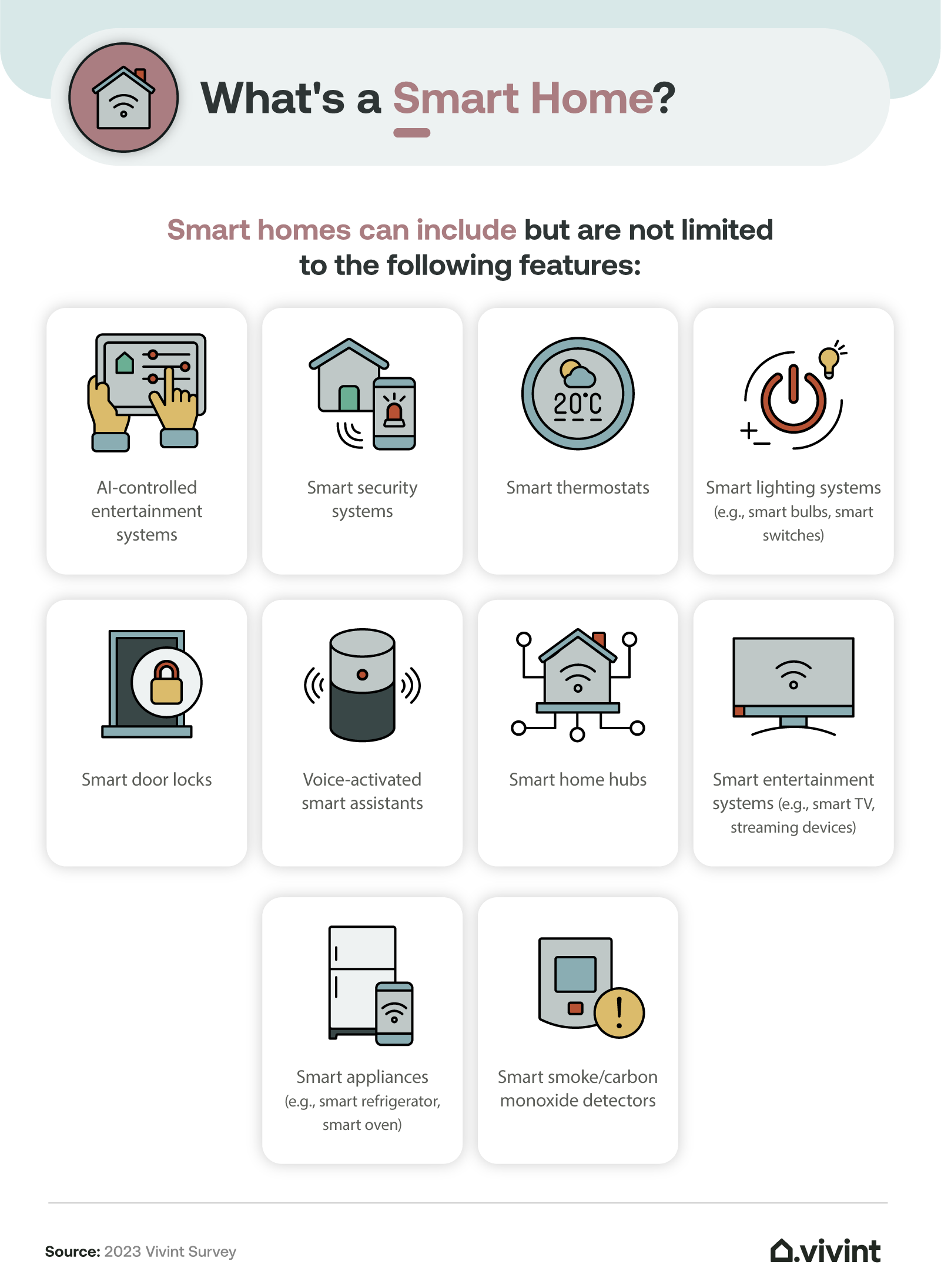
System Interoperability: A typical luxury home might have 15 different subsystems (lighting, HVAC, pool, gates, audio, etc.). Without a specialist like Thomas Roof, these systems remain "siloed," requiring 15 different apps to manage. A professional integrator unifies these into a single, cohesive interface.
Longevity and Serviceability: Consumer electronics have a short lifespan. Professional-grade hardware is built for "rack mounting" and long-term use. Furthermore, installers provide Managed Services, where they can remotely monitor the health of the network and reboot devices before the homeowner even realizes there is an issue.
Security and Privacy: As smart homes become targets for cyber-attacks, professional installers implement VLANs (Virtual Local Area Networks) to isolate smart devices from the main data network, preventing a compromised smart lightbulb from providing access to a private computer.
Frequently Asked Questions
What is the typical cost of a Thomas Roof-level smart home installation?
High-end custom integration typically ranges from 3% to 10% of the total home value. In 2026, for a luxury property, this often starts at $50,000 and can exceed $500,000 for fully automated estates. This includes design, hardware, labor, and programming.
Does Thomas Roof work with existing homes or only new builds?
While "new builds" offer the most flexibility for wiring, professional installers frequently perform "retrofits." This involves using advanced wireless protocols like ClearConnect or Thread for control, while finding creative ways to hide necessary hardware in existing structures.
What happens if the internet goes down in a smart home?
A professionally designed system by an expert like Thomas Roof does not rely on the cloud for core functions. Local processors ensure that lights, shades, and security continue to function perfectly via the local network, even if the external internet connection is severed.
How long does a typical smart home project take?
The timeline usually mirrors the construction or renovation schedule. The design phase takes 4-8 weeks, the rough-in occurs during the framing stage of the house, and the final "trim out" and programming happen in the last few weeks before move-in.
Can I add more devices to my system later?
Yes, one of the primary benefits of using a professional system like Crestron or Savant is scalability. These systems are modular, allowing you to start with lighting and security and add audio, cinema, or climate control at a later date as your needs evolve.
Next Steps for Homeowners
If you are planning a luxury build or a significant renovation in 2026, the best course of action is to engage a smart home consultant or installer during the architectural design phase. Contacting a specialist like Thomas Roof early ensures that the necessary infrastructure is integrated into the home's bones, preventing costly retrofits later.
For more information on industry standards and finding certified professionals, you may consult the Custom Electronic Design and Installation Association (CEDIA), which serves as the primary governing body for home technology professionals. Additionally, reviewing the latest product specifications from Lutron or Crestron can help you understand the hardware options available for your project.
Image Gallery