Integrating Power On Self Test (POST) Card Diagnostics into Financial Compliance Standards
In the 2026 financial services landscape, a Power On Self Test (POST) card serves as a specialized hardware diagnostic tool used to verify the integrity and operational readiness of critical banking infrastructure. By interfacing direc...
In the 2026 financial services landscape, a Power On Self Test (POST) card serves as a specialized hardware diagnostic tool used to verify the integrity and operational readiness of critical banking infrastructure. By interfacing directly with motherboard buses to display hexadecimal error codes during the boot sequence, these cards enable institutions to meet strict operational resilience mandates—such as those found in DORA and PCI DSS 4.x—by ensuring rapid hardware recovery and preventing unauthorized physical tampering at the firmware level.
Contents
The Role of POST Cards in Modern Financial Infrastructure
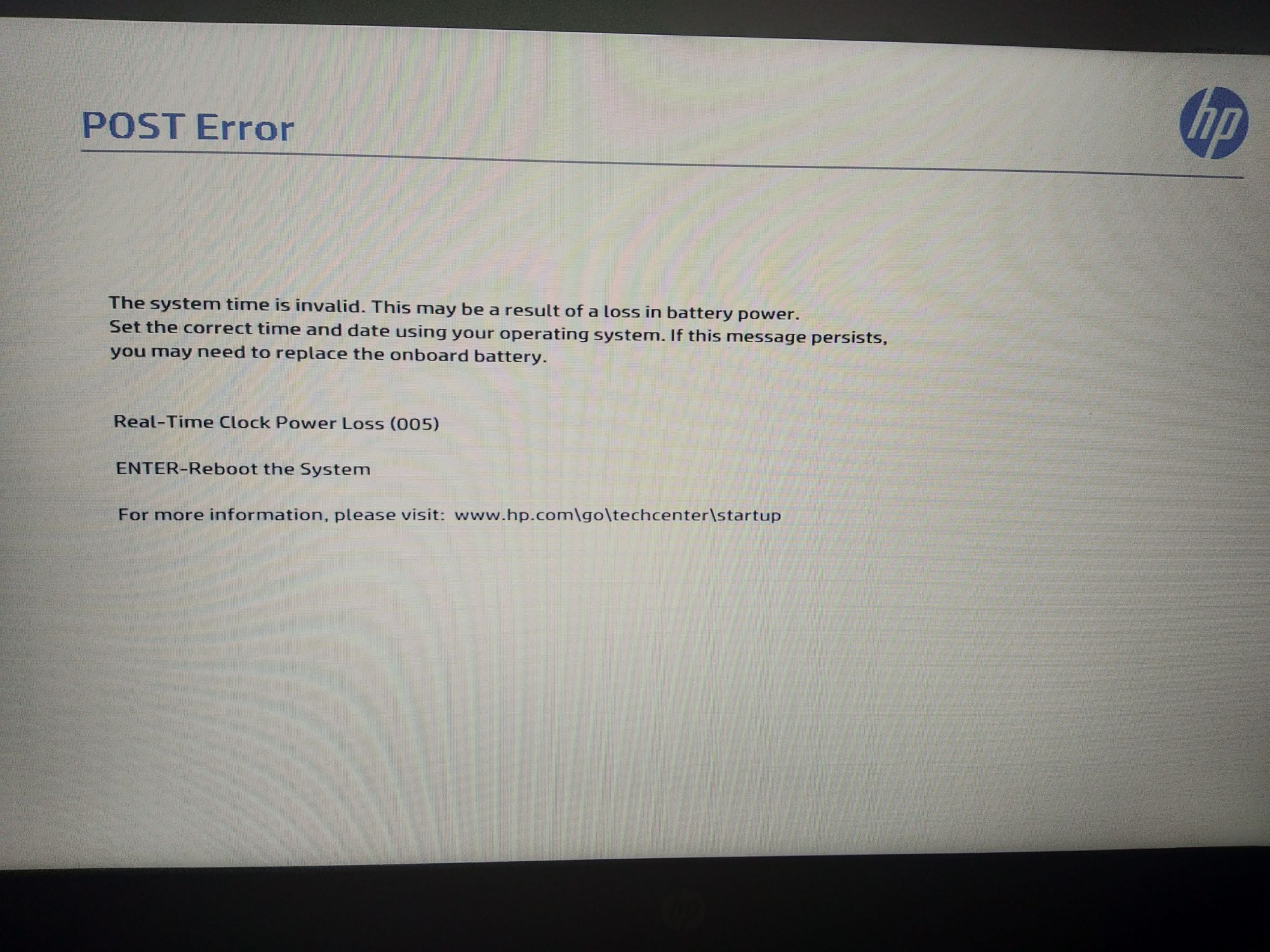
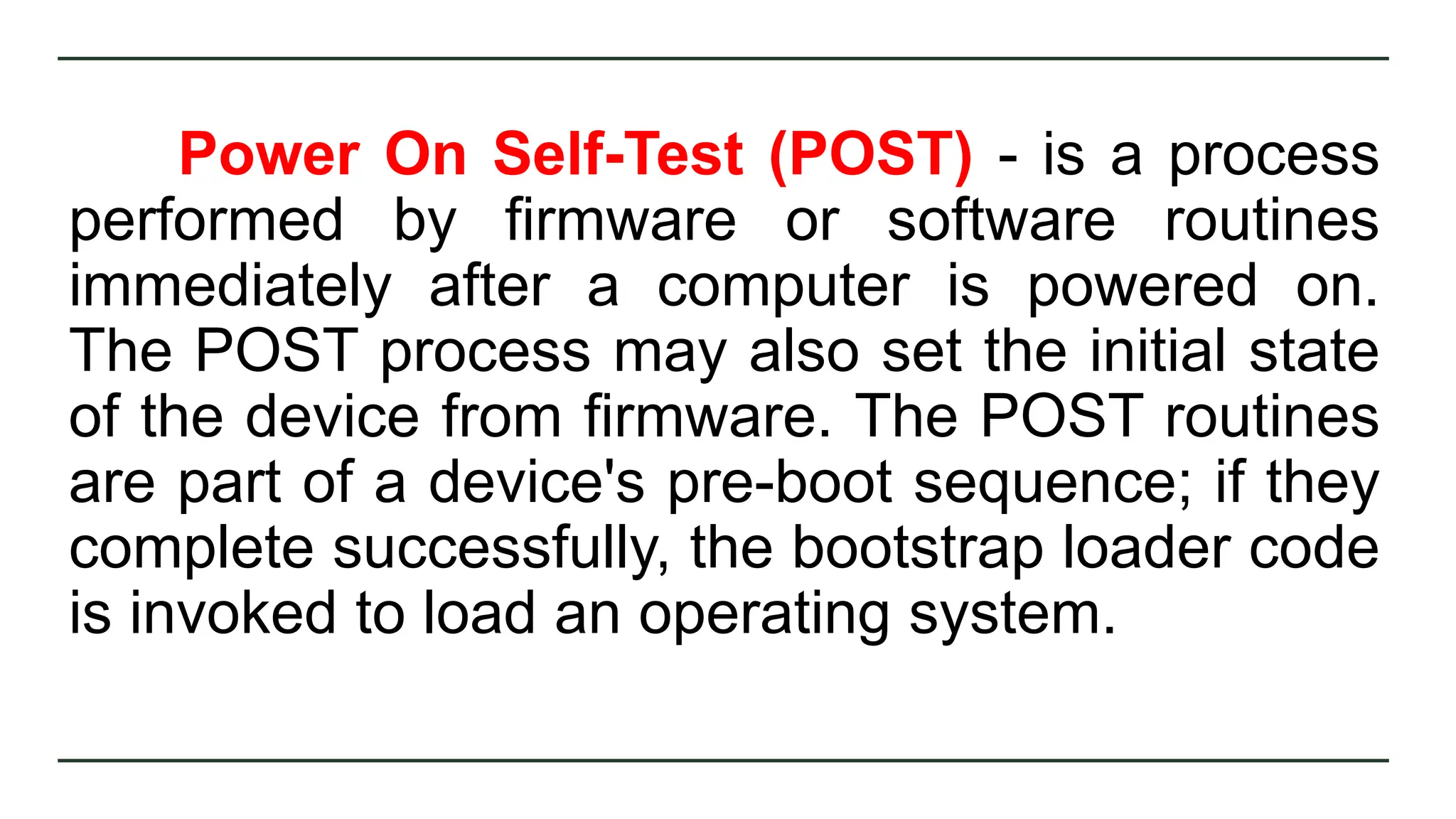
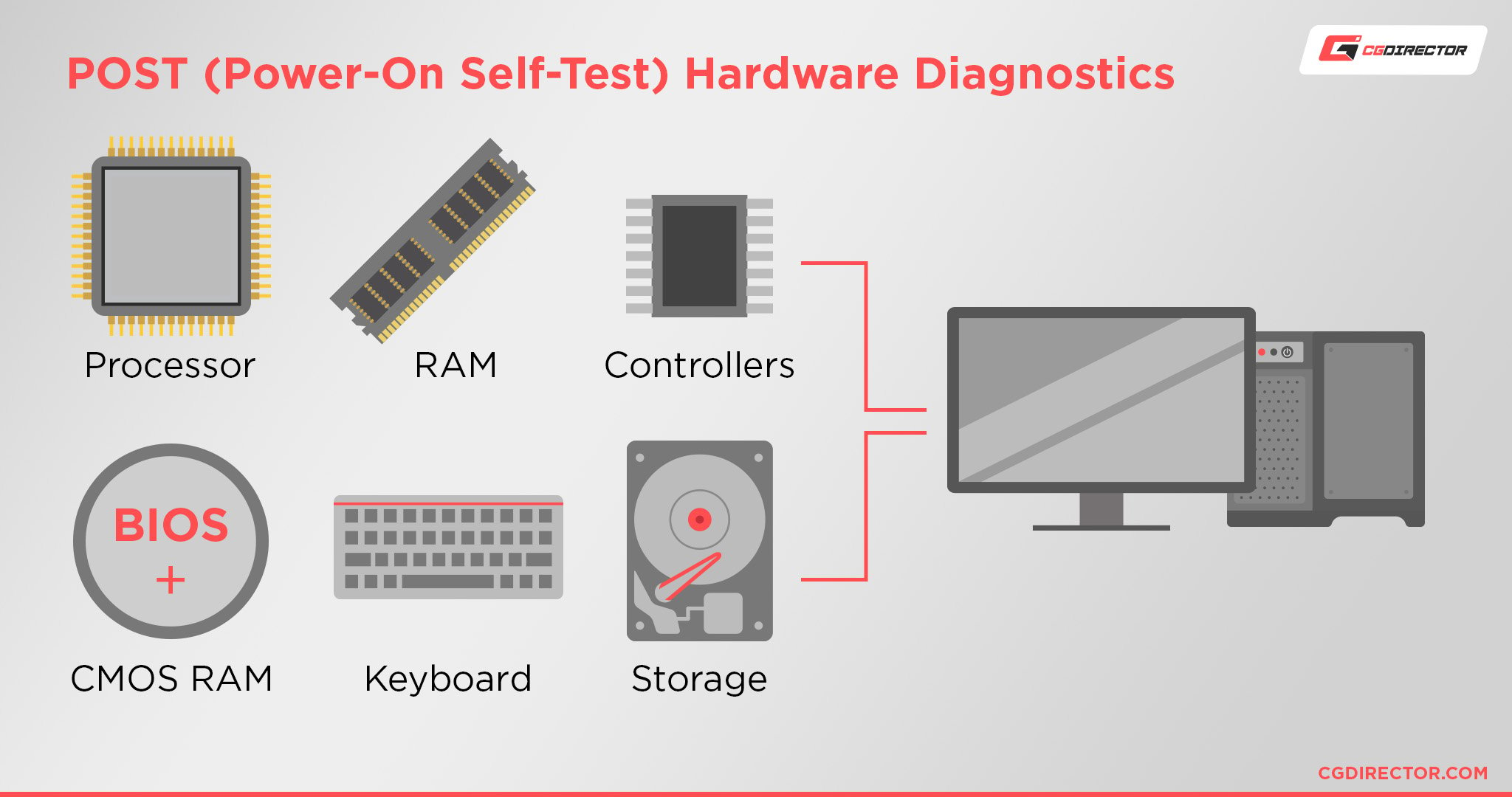
A Power On Self Test (POST) card is a diagnostic circuit board that technicians insert into a computer's expansion slots (such as PCIe, Mini-PCIe, or LPC) to monitor the initial startup process. When a computer—whether it is an ATM, a high-frequency trading server, or a retail point-of-sale (POS) controller—is powered on, the BIOS or UEFI firmware performs a series of self-tests to ensure the CPU, memory, and essential peripherals are functioning.
As of 2026, the complexity of financial hardware has scaled significantly. Modern POST cards no longer rely solely on two-digit LED displays; they now feature OLED screens and Bluetooth connectivity that sync with centralized IT audit logs. This capability is vital for financial compliance because it provides a verifiable, low-level audit trail of hardware health. If a server fails to boot, the POST card captures the exact moment of failure (e.g., a memory parity error or a TPM initialization failure), which is critical for proving that a system crash was due to a hardware malfunction rather than a cyber-physical intrusion or data corruption event.
In the context of financial compliance, the "state" of a machine before the operating system even loads is a blind spot for traditional software-based monitoring. POST cards bridge this gap, offering a hardware-level view that satisfies rigorous "know your infrastructure" requirements.
Financial Compliance Frameworks and Hardware Integrity
Financial institutions operate under a web of regulations that demand high availability and data integrity. While most compliance discussions focus on software encryption and network firewalls, the physical layer—the hardware itself—is the foundation of the entire security stack.
Digital Operational Resilience Act (DORA) and Hardware Uptime
As we move through 2026, the European Union's Digital Operational Resilience Act (DORA) has reached full implementation maturity. DORA requires financial entities to ensure they can withstand, respond to, and recover from all types of ICT-related disruptions. Under DORA’s Pillar II (ICT Risk Management), institutions must maintain a robust set of tools for incident detection.
POST cards are essential here because they reduce the Mean Time to Repair (MTTR). When a critical transaction server goes down, every minute of downtime risks non-compliance with "Maximum Tolerable Downtime" (MTD) thresholds. A POST card provides immediate feedback, allowing technicians to replace a faulty RAM DIMM or a failing PCIe riser immediately, rather than spending hours guessing why the system is stuck on a black screen.
PCI DSS 4.0 and Physical Security Verification
The Payment Card Industry Data Security Standard (PCI DSS) version 4.0 and its subsequent 2026 iterations emphasize continuous security. Requirement 9 focuses on restricting physical access to cardholder data. POST cards play a niche but vital role in "tamper-evident" maintenance. If a technician opens a secure terminal to perform diagnostics, the use of a registered, audit-capable POST card ensures that the diagnostic process itself is logged.
Furthermore, modern POST cards can detect "Firmware/BIOS hangs" that might indicate an attempted "Evil Maid" attack—where an intruder attempts to flash malicious firmware. By monitoring the sequence of POST codes, auditors can verify that the system followed a standard, authorized boot path, ensuring that the hardware's "Root of Trust" remains intact.
Technical Specifications: The 2026 POST Card Standard
The technology behind POST cards has evolved to keep pace with modern server architectures. Technicians in the financial sector must select cards that support the latest bus protocols to ensure compatibility with high-density server racks and specialized banking terminals.
| Feature | Legacy POST Cards (Pre-2022) | Compliance-Ready POST Cards (2026) |
|---|---|---|
| Interface Support | PCI, ISA, Early Mini-PCIe | PCIe 5.0/6.0, LPC, m.2 (NVMe), I2C |
| Display Type | 2-Digit Hexadecimal LED | Multi-line OLED / Smartphone App Sync |
| Data Logging | None (Real-time view only) | Local NVRAM storage & encrypted Cloud Sync |
| Firmware Support | Legacy BIOS | UEFI 2.5+, Secure Boot 3.0, Coreboot |
| Compliance Utility | Basic Troubleshooting | Audit-ready logs for ISO 27001/DORA |
| Security | None | Hardware-encrypted diagnostic data |
Understanding Hexadecimal Error Codes
A POST card functions by "sniffing" the I/O port 80h (on x86 architectures). As the BIOS completes each step of the boot process, it sends a code to this port.
- Code 00 / FF: Often indicates the CPU is not starting or the motherboard is dead. In a compliance audit, this signals a total hardware failure requiring immediate asset replacement.
- Code d1 - d4: Usually refers to memory initialization. In high-frequency trading (HFT), memory timing is crucial; a POST card can help identify "soft" memory failures that might lead to transaction errors before they occur.
- Code 32: Often related to CPU post-memory initialization.
For a financial IT auditor, these codes are evidence. If a server containing sensitive ledger data fails, the POST code recorded at the time of death provides forensic proof that the failure was a known hardware state, assisting in the "Root Cause Analysis" (RCA) required by financial regulators.
Operational Resilience: Rapid Recovery in High-Stakes Environments
In banking, operational resilience is not just about preventing failures; it is about the speed of recovery. When a Tier-1 bank’s clearing system experiences a hardware hang, the pressure on the infrastructure team is immense.
The Diagnostic Workflow in a Compliant Environment
- Detection: A monitoring agent reports a heartbeat failure in a server cluster.
- Deployment: A technician, authorized under "Dual Control" (a standard compliance practice), accesses the hardware.
- Diagnosis: A POST card is inserted (or the integrated onboard POST debugger is activated).
- Identification: The card displays a specific code (e.g., "b0" for NVMe controller failure).
- Evidence Capture: The technician snaps a photo of the code or syncs the card’s log to the compliance management system (e.g., ServiceNow or a custom DORA-aligned portal).
- Resolution: The failed component is replaced, and the system is rebooted. The POST card confirms a "00" or "AA" code, indicating a successful handoff to the OS.
This documented workflow satisfies the "Auditability" requirement of financial regulations. Without the POST card, the technician's report of "hardware failure" is subjective. With the card, the report is backed by machine-generated hexadecimal data.
Supply Chain Security and Hardware Auditing
The global financial system is increasingly wary of supply chain interdiction. There is a constant risk that hardware could be modified between the manufacturer and the data center.
POST cards are used during the "Commissioning Phase" of new financial hardware. When a bank receives a new shipment of 500 servers, the QA team uses POST diagnostics to ensure that every unit initializes in an identical manner. Variations in the boot sequence—even those that don't prevent the OS from loading—could indicate unauthorized components or modified firmware. By establishing a "Gold Standard" POST sequence, compliance teams can create a hardware baseline. Any unit that deviates from this sequence during setup is flagged for secondary inspection, mitigating the risk of hardware-level backdoors.
Legal and Professional Advice Limitation
The information provided in this article is for educational and informational purposes regarding IT infrastructure and general regulatory trends as of 2026. This content does not constitute legal, financial, or professional compliance advice. Regulatory requirements like DORA, PCI DSS, and GDPR are subject to jurisdictional interpretations and frequent updates. Organizations should consult with certified IT auditors, legal counsel, and compliance officers to ensure their specific hardware diagnostic procedures meet all applicable statutory and regulatory obligations.
Frequently Asked Questions
Can a POST card detect a data breach?
No, a POST card is a hardware-level diagnostic tool, not a network security appliance. It cannot detect data exfiltration or software-level hacking. However, it can detect hardware-level anomalies (like firmware hangs) that might be the result of a sophisticated physical attack or a "bootkit" installation. Its primary role in compliance is ensuring system availability and providing a verifiable hardware audit trail.
Is an external POST card better than an onboard motherboard display?
Many high-end "server-grade" motherboards used in banks already have built-in 2-digit displays. However, external POST cards are often preferred for compliance and auditing because they are more versatile. A professional-grade external card can be moved between different machines (ATM vs. Server) and often includes data-logging features, such as Bluetooth syncing, which onboard displays usually lack.
Does using a POST card void a server's warranty?
Generally, no. POST cards are non-invasive tools that plug into standard expansion slots designed for hardware. However, in a strictly compliant environment, only "authorized personnel" should be opening server chassis. To remain compliant with physical security standards, the use of a POST card must be performed within a "Maintenance Window" and documented in the facility’s access logs.
Why is Port 80h significant for POST diagnostics?
Port 80h is the standard I/O port address used by x86-based motherboards to output diagnostic codes. While modern UEFI systems have more sophisticated ways of reporting errors, Port 80h remains the industry standard for physical POST cards because it is one of the first resources initialized by the CPU, making it a reliable source of information even when most other system components have failed.
Can POST cards help with "Green Banking" or ESG compliance?
Indirectly, yes. Environmental, Social, and Governance (ESG) criteria often include "Resource Efficiency." By using POST cards to accurately diagnose and repair failed components (like a single faulty RAM stick) rather than replacing an entire motherboard or server, financial institutions can reduce e-waste and demonstrate a commitment to sustainable IT lifecycle management.
Practical Recommendation for Financial IT Managers
For firms looking to bolster their operational resilience and hardware auditability in 2026, the following steps are recommended:
- Standardize Diagnostic Tools: Issue all data center technicians "Compliance-Grade" POST cards that feature digital logging and encrypted data transfer.
- Integrate POST Logs into Incident Reports: Require that hexadecimal POST codes be included in the "Root Cause" section of all hardware-related outage reports.
- Baseline Your Boot Sequences: During the commissioning of new server clusters, record the standard POST code sequence. Use this baseline to verify the integrity of future hardware deployments.
- Align with DORA Requirements: Ensure that your hardware diagnostic procedures are documented within your ICT Risk Management Framework, specifically under the sections dealing with incident response and hardware recovery.
By treating low-level hardware diagnostics as a core component of the compliance stack, financial institutions can move from reactive troubleshooting to a proactive, auditable stance on hardware integrity and resilience.
Image Gallery