Understanding a Foreign Government Issued Passport: A Comprehensive Guide
A foreign government-issued passport is an official travel document that certifies the identity and nationality of the holder for international transit. Issued by a sovereign state, it adheres to international standards set by the Inte...
A foreign government-issued passport is an official travel document that certifies the identity and nationality of the holder for international transit. Issued by a sovereign state, it adheres to international standards set by the International Civil Aviation Organization (ICAO), containing biometric data, high-level security features, and a machine-readable zone to ensure global interoperability and security.
Contents
Understanding a foreign government-issued passport is essential for various sectors, including international travel, human resources, financial services, and law enforcement. In 2026, the landscape of travel documents has become increasingly digitized, yet the physical passport remains the "gold standard" for identity verification across borders. This guide provides a deep dive into the technical specifications, security features, and legal frameworks that define these documents.
The Global Standard: ICAO Document 9303
To understand any foreign passport, one must first understand the framework that governs its design. The International Civil Aviation Organization (ICAO), a specialized agency of the United Nations, establishes the standards for Machine Readable Travel Documents (MRTDs) under a set of specifications known as Document 9303.
These standards ensure that a passport issued by Japan can be read and verified by an automated gate in Germany or a border agent in Canada. Document 9303 specifies everything from the physical dimensions of the book (the "ID-3" size) to the exact placement of the photograph and the structure of the data fields. By 2026, nearly all recognized sovereign nations have transitioned to ICAO-compliant e-passports, which incorporate an embedded electronic chip.
The Anatomy of the Modern Passport Data Page
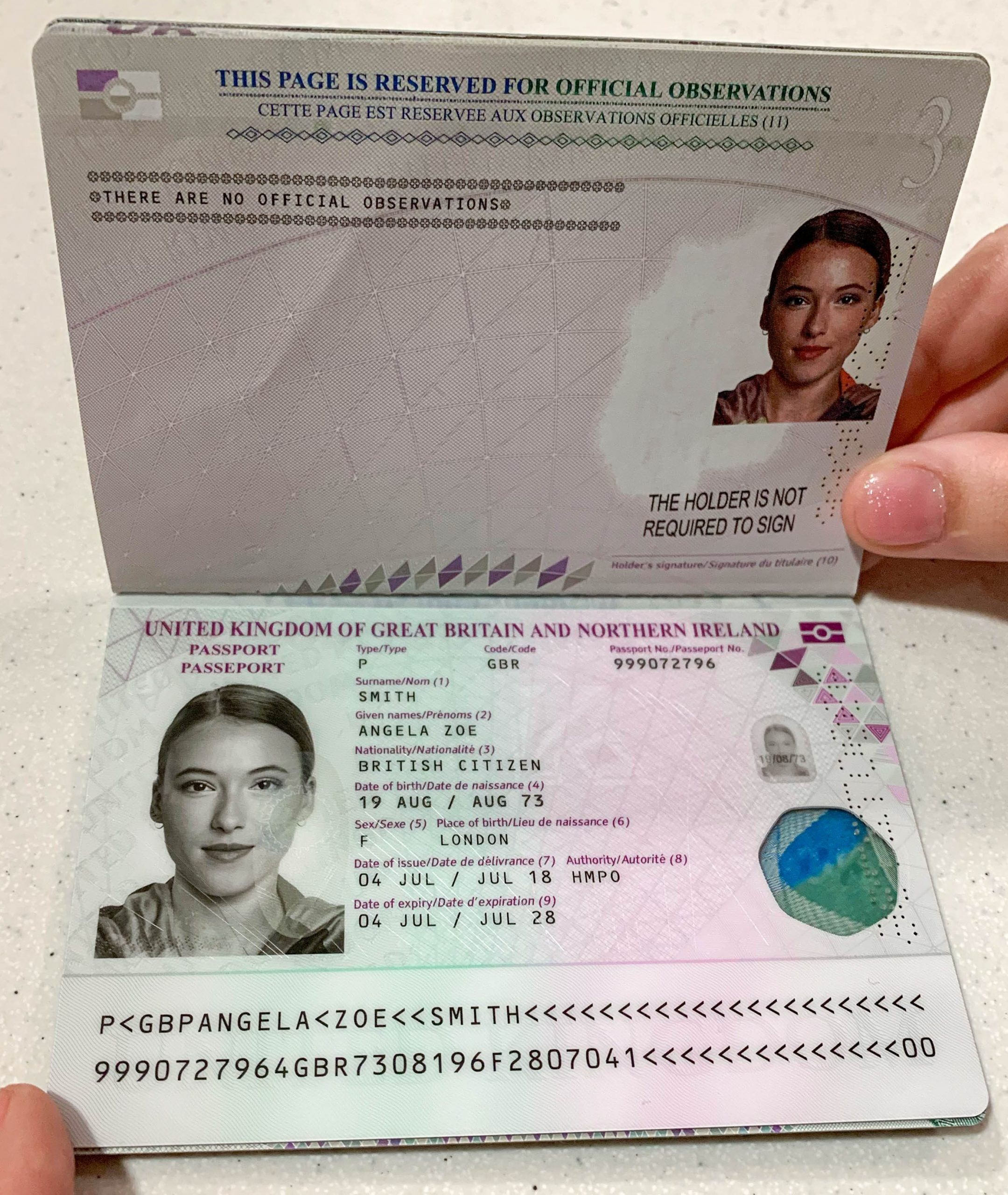
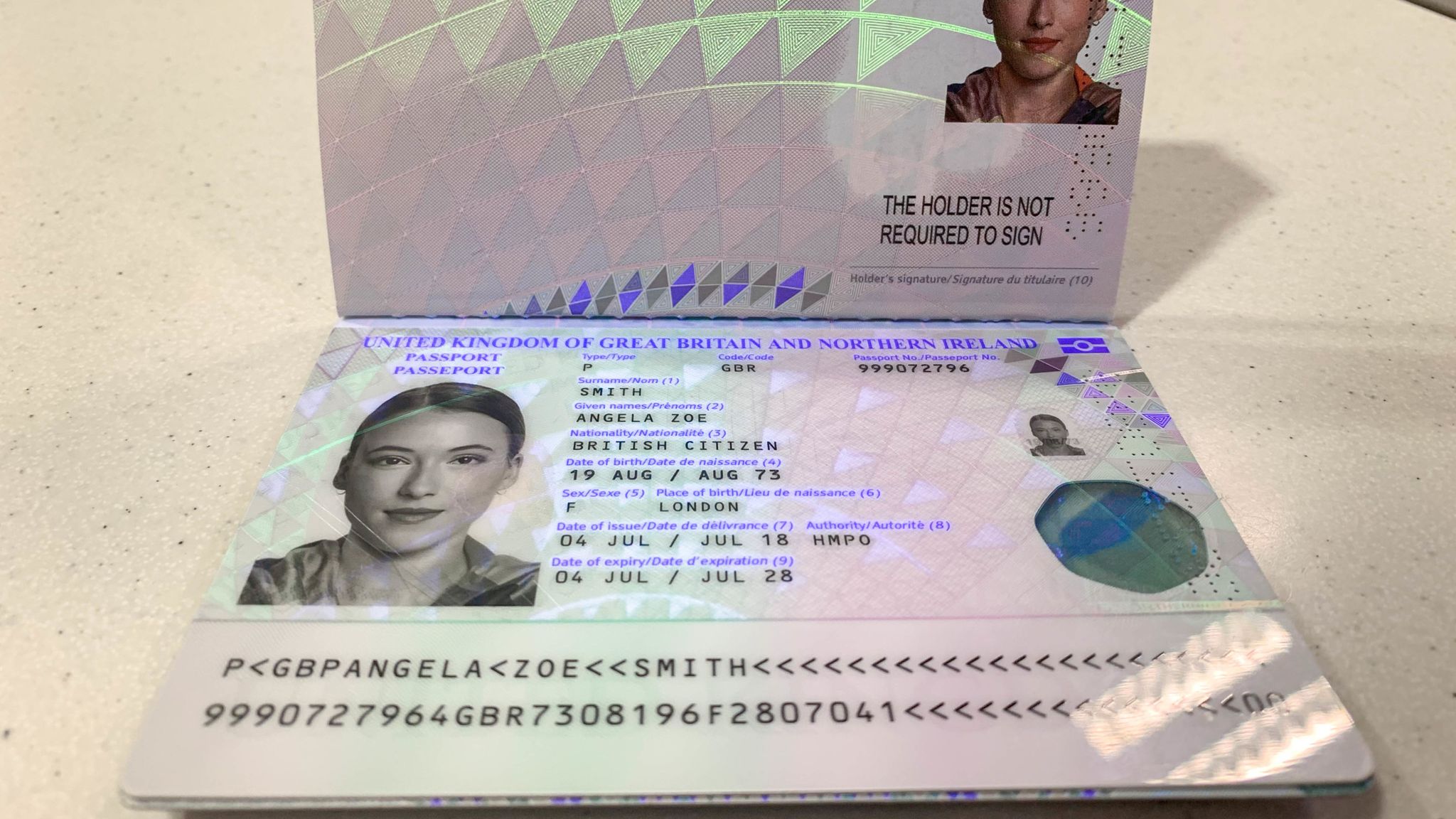
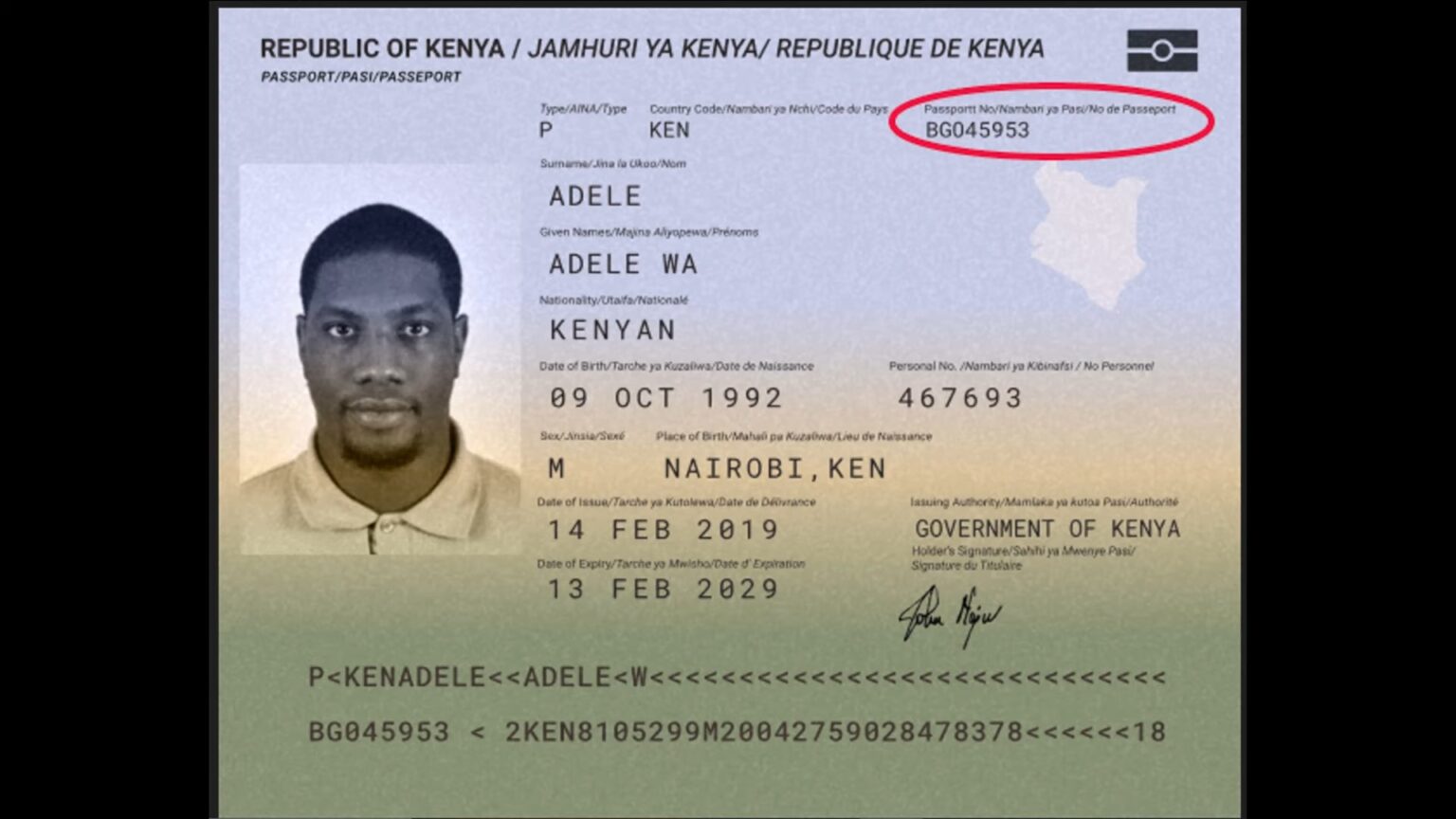
The data page, or biodata page, is the most critical part of a foreign passport. It contains the primary identity information and is typically the target of most verification efforts.
Personal Information Fields
Standardized fields include the holder’s full name, date of birth, place of birth, and gender. However, how these are presented can vary by culture. For instance, some countries list the surname first, while others may not use a traditional "first name/last name" structure, particularly in parts of Southeast Asia or the Middle East. Understanding these cultural naming conventions is vital for accurate data entry in KYC (Know Your Customer) processes.
Issuing Authority and Validity
The document must clearly state the Issuing State and the Issuing Authority (e.g., Ministry of Foreign Affairs). Two critical dates are present: the Date of Issue and the Date of Expiration. In 2026, most adult passports are valid for ten years, though many countries impose a "six-month rule," requiring a passport to be valid for at least six months beyond the intended date of departure from a foreign country.
The Document Number
Each passport has a unique alphanumeric string. It is important to note that this number is specific to the document itself, not the individual. If a person loses their passport and receives a replacement, the document number will change, even though their identity remains the same.
Decoding the Machine-Readable Zone (MRZ)
At the bottom of the data page are two or three lines of text consisting of letters, numbers, and the "chevron" character (<). This is the Machine-Readable Zone (MRZ). It is designed to be read by optical character recognition (OCR) scanners.
The MRZ follows a strict syntax:
- Line 1: Begins with a letter indicating the document type (usually 'P' for passport), followed by the ISO 3166-1 alpha-3 country code (e.g., FRA for France, GBR for United Kingdom), and then the name of the holder.
- Line 2: Contains the document number, the holder's nationality, date of birth, gender, and expiration date.
A critical technical feature of the MRZ is the check digit. These are numbers calculated using a specific algorithm (the "7-3-1" weighting system) based on the preceding data. If a single character in the document number or date of birth is altered, the check digit will not match, immediately alerting a scanner to a potential forgery.
Security Features: From Overt to Forensic
Foreign governments invest heavily in security features to prevent counterfeiting and identity theft. These features are categorized by how they are detected.
Overt Features (Visible to the naked eye)
- Holograms and Kinegrams: These are optically variable devices that change color or image when the document is tilted.
- Watermarks: Images integrated into the paper during manufacturing that are visible when held up to the light.
- Polycarbonate Data Pages: As of 2026, many high-security passports (like those from the EU and Singapore) use a laser-engraved polycarbonate page rather than traditional paper. This makes it impossible to swap a photo without destroying the page.
Covert Features (Requiring tools)
- UV Fluorescent Ink: Images or text that only appear under ultraviolet light. Many countries include intricate UV patterns of national symbols or landmarks.
- Microprinting: Extremely small text that looks like a solid line to the naked eye but is legible under magnification.
- Retro-reflective Images: Features that are only visible when light is shined at a specific angle.
Forensic Features (Laboratory level)
These include chemical taggants in the ink or paper and specific stitching patterns in the binding that can only be verified by forensic experts using high-resolution microscopy or chemical analysis.
Electronic Passports (e-Passports) and Biometrics
An e-passport contains a small contactless integrated circuit (RFID chip) embedded in the cover or the data page. This chip stores a digital version of the information found on the data page, along with a digital biometric template of the holder’s photograph.
In 2026, the Public Key Infrastructure (PKI) is used to protect this data. When a passport is scanned at a border, the system uses "Passive Authentication" to verify that the data on the chip was digitally signed by the issuing government and has not been tampered with. Some countries also utilize "Active Authentication" to prevent the chip from being cloned.
The biometric data usually consists of a high-resolution facial image, but many nations also include digital fingerprints. This allows for the use of Automated Border Control (ABC) gates, which compare the live face of the traveler to the digital image stored on the chip.
Types of Foreign Passports and Their Designations
Not all passports are the same. Governments issue different tiers of documents based on the status and purpose of the traveler.
| Passport Type | ICAO Code | Primary Purpose | Common Users |
|---|---|---|---|
| Ordinary | P | General travel | Citizens, tourists, business travelers |
| Diplomatic | D | Diplomatic missions | Ambassadors, high-ranking officials |
| Official / Service | S | Government business | Non-diplomatic government employees |
| Emergency | — | One-way return travel | Citizens who lost their passport abroad |
| Laissez-Passer | — | International Org business | UN or EU officials |
Diplomatic vs. Ordinary
A diplomatic passport does not automatically grant diplomatic immunity; that is governed by the Vienna Convention on Diplomatic Relations and usually requires the holder to be accredited to a specific country. However, it often provides the holder with easier visa requirements and expedited processing at borders.
Verification Best Practices for Organizations
Whether you are an HR professional verifying a New Hire's Form I-9 or a compliance officer performing KYC checks, verifying a foreign passport requires a systematic approach.
- Check the Physical Integrity: Look for signs of tampering, such as misaligned text, irregular stitching, or "bubbling" on the laminated data page.
- Verify the MRZ: Ensure the information in the machine-readable zone perfectly matches the visual data above it. Pay close attention to the check digits.
- Use UV Light: Invest in a basic UV lamp to check for the presence of fluorescent security threads or patterns.
- Confirm the Country of Issue: Be aware of "fantasy passports" or documents issued by entities that are not recognized as sovereign states (e.g., World Service Authority passports), which are generally not valid for international travel.
- Check Expiration: Ensure the document is currently valid. For certain legal processes, an expired passport may be acceptable as proof of identity but not for proof of current legal status or travel.
Common Mistakes in Interpretation
- Confusing Nationality with Residency: A passport proves nationality, not necessarily where the person lives.
- Misinterpreting Extension Stamps: Some countries extend the validity of a passport with a physical stamp or sticker on a later page. Failing to check for these can lead to the false assumption that a document is expired.
- Overlooking the "Observations" Page: Some governments list name changes, children included in the passport, or travel restrictions on an observations page near the back of the book.
Frequently Asked Questions
What should I do if a foreign passport is in a language I cannot read?
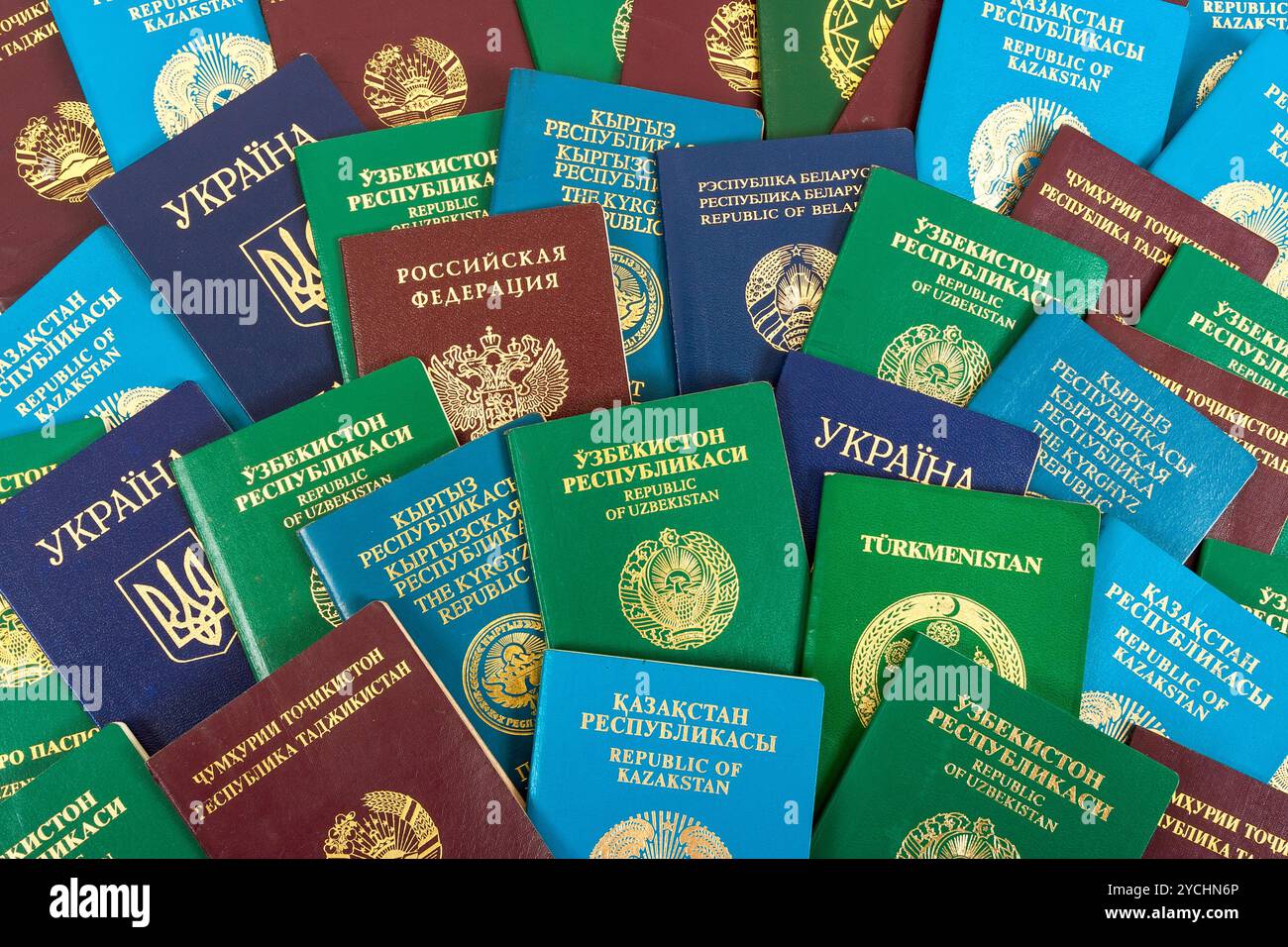
Most ICAO-compliant passports are required to have the data fields labeled in English, French, or Spanish, in addition to the national language. If the script is entirely foreign (e.g., Cyrillic, Arabic, or Thai), look for the English translations provided in small text immediately adjacent to the primary headers.
Can a foreign passport be used for employment verification in 2026?
In the United States, a foreign passport is an acceptable "List A" document for the Form I-9 only if it is accompanied by Form I-94 or I-94A, or has an unexpired endorsement (like an I-551 stamp). The passport alone proves identity, but the accompanying documentation proves work authorization. Always refer to the latest USCIS M-274 Handbook for current requirements.
Why do some passports have different colors?
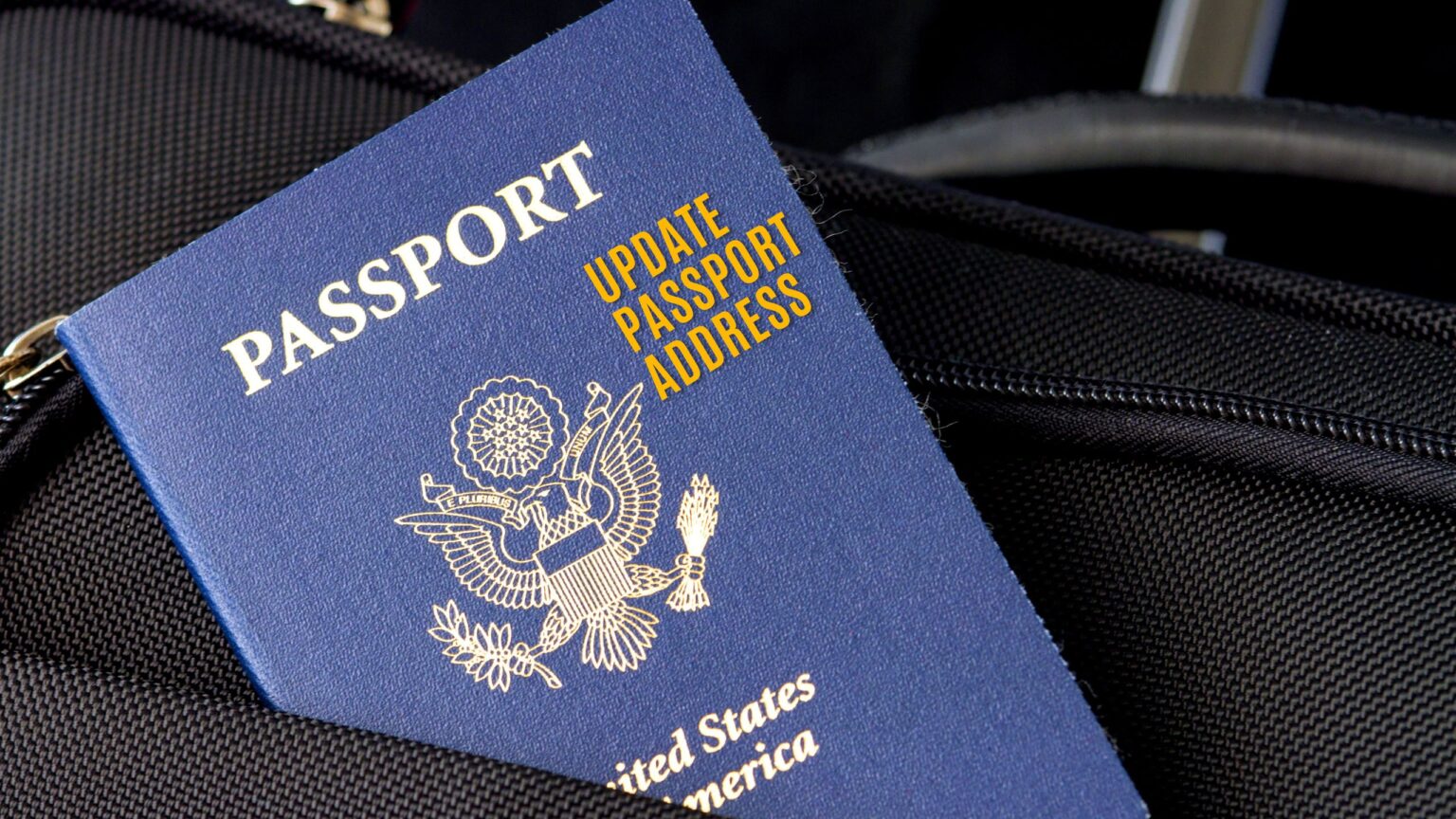
While there is no strict international law on color, most nations follow four main groups: Red/Burgundy (common for EU and Andean Community), Blue (common for Mercosur and North America), Green (common for Islamic states and ECOWAS), and Black (common for African nations and New Zealand). The color often signifies geopolitical or regional affiliations.
How do I know if a foreign passport is a "biometric" passport?
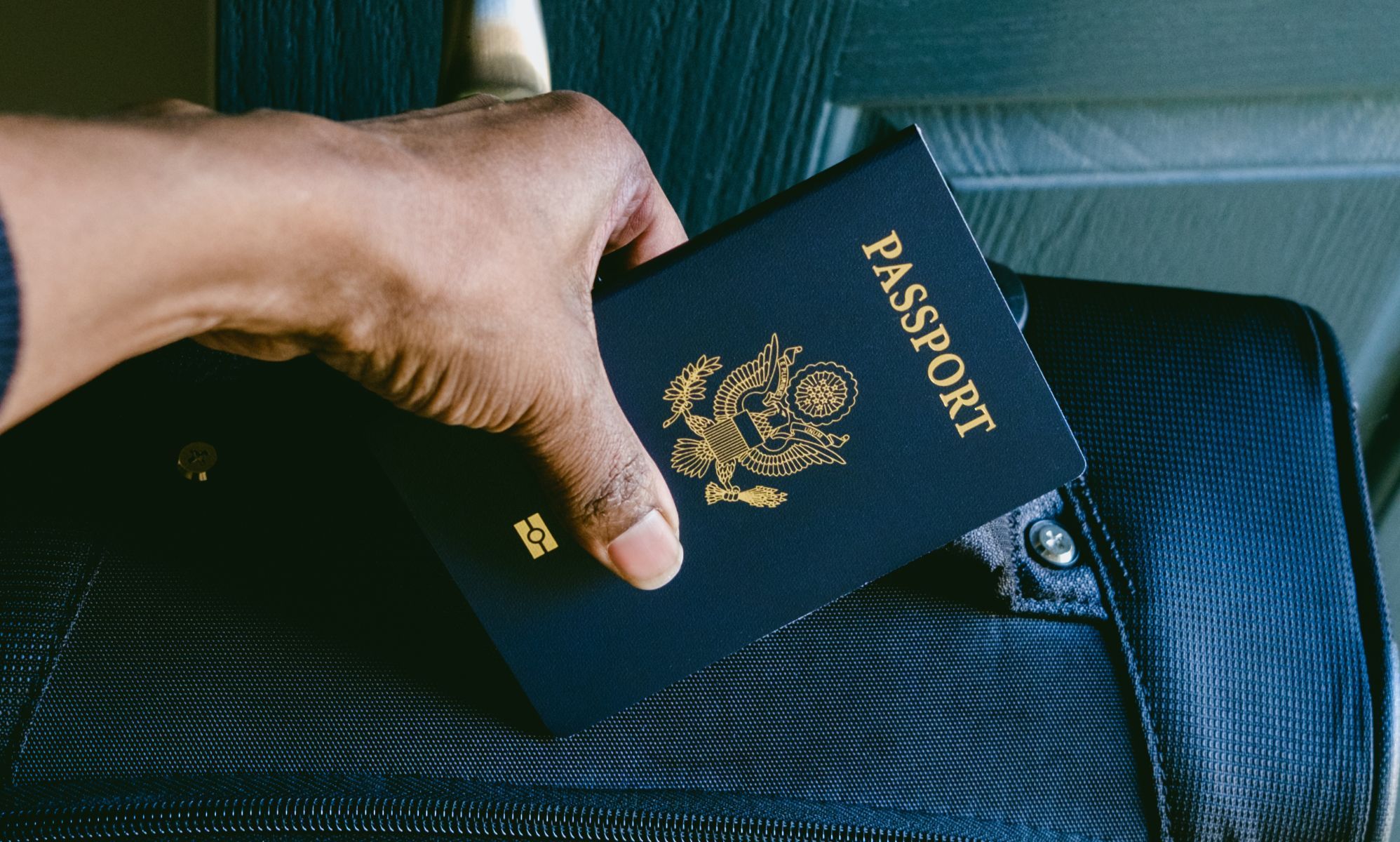
Look for the international e-passport symbol on the front cover. It looks like a small rectangle with a circle in the middle, resembling a camera or a microchip. If this symbol is present, the document contains an electronic chip that can be read by NFC-enabled devices.
Is a passport card the same as a passport book?
No. While some countries (like the U.S. and Ireland) issue passport cards, these are typically limited to land and sea travel within specific regions. For international air travel, a full passport book is almost universally required.
Next Actions and Recommendations
If you are tasked with handling or verifying foreign passports, your first step should be to familiarize yourself with the PRADO database, the Public Register of Authentic Identity and Travel Documents Online. This resource, maintained by the Council of the European Union, provides high-resolution images and descriptions of the security features of passports from around the world.
Furthermore, ensure that your organization uses up-to-date scanning technology. In 2026, manual entry of passport data is increasingly seen as a security risk. Automated systems that read both the MRZ and the RFID chip are the most reliable way to ensure that a foreign government-issued passport is both authentic and belongs to the person presenting it.
Image Gallery