Jeans for Young Adults: A Comprehensive Reference
Navigating the world of denim for young adults requires understanding fabric weights, cuts, sustainability practices, and fit mechanics to balance everyday comfort with shifting fashion trends. Denim remains a foundational staple in th...
Navigating the world of denim for young adults requires understanding fabric weights, cuts, sustainability practices, and fit mechanics to balance everyday comfort with shifting fashion trends.
Contents
Denim remains a foundational staple in the wardrobe of young adults, transitioning across casual, academic, and professional environments. Finding the right pair involves more than picking a size; it requires evaluating rise, fabric composition, durability, and wash techniques. As the fashion landscape shifts toward a mix of archival revivals and contemporary comfort, understanding the technical specifications of denim helps consumers make informed purchasing decisions that offer long-term value.
The Evolution of Denim Styles for Young Adults
The modern young adult denim market is characterized by a distinct departure from the strictly skinny fits that dominated the previous decade. Today's silhouette preferences favor relaxed, loose, and wide-leg cuts inspired by late 1990s and early 2000s streetwear. However, traditional straight-leg and slim fits retain steady utility as versatile baseline options.
Understanding contemporary cuts requires looking at structural measurements:
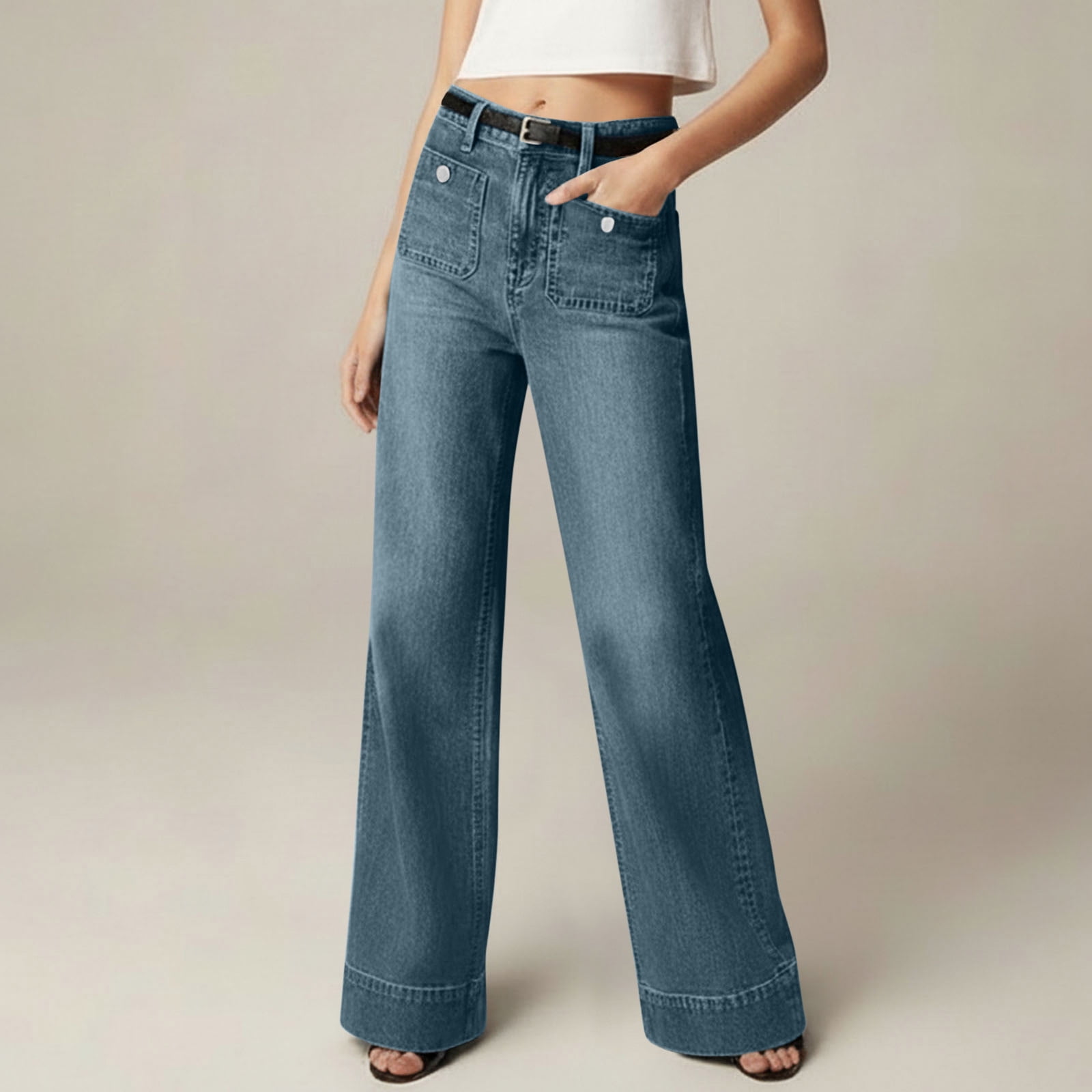
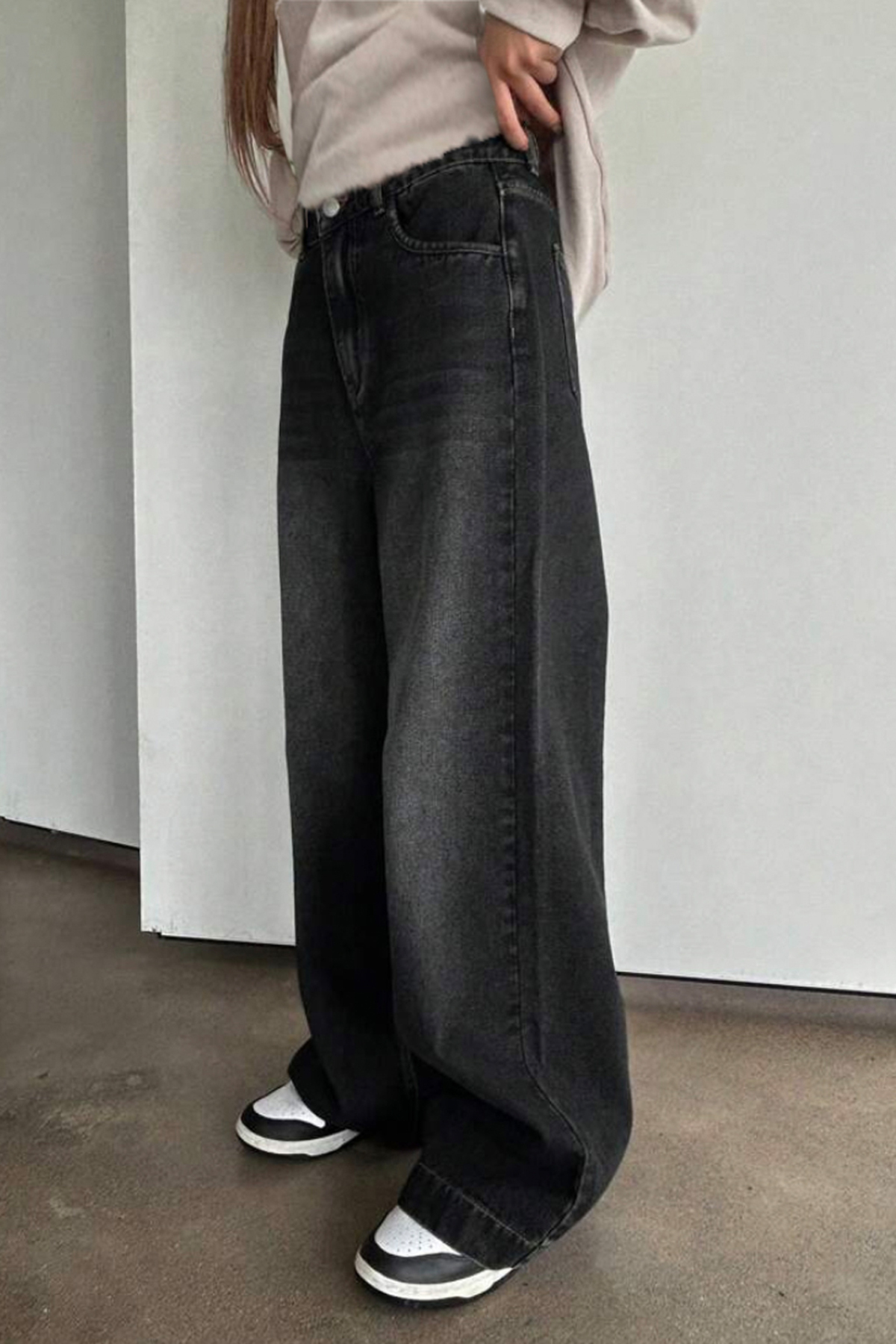
- Wide-Leg and Baggy: Features a generous cut from the hip down to the hem, emphasizing drape and comfort. This style pairs well with fitted or cropped tops to balance proportions.
- Relaxed Straight: Offers extra room through the thigh and a straight fall from the knee down. It serves as an accessible middle ground for individuals transitioning away from slim fits.
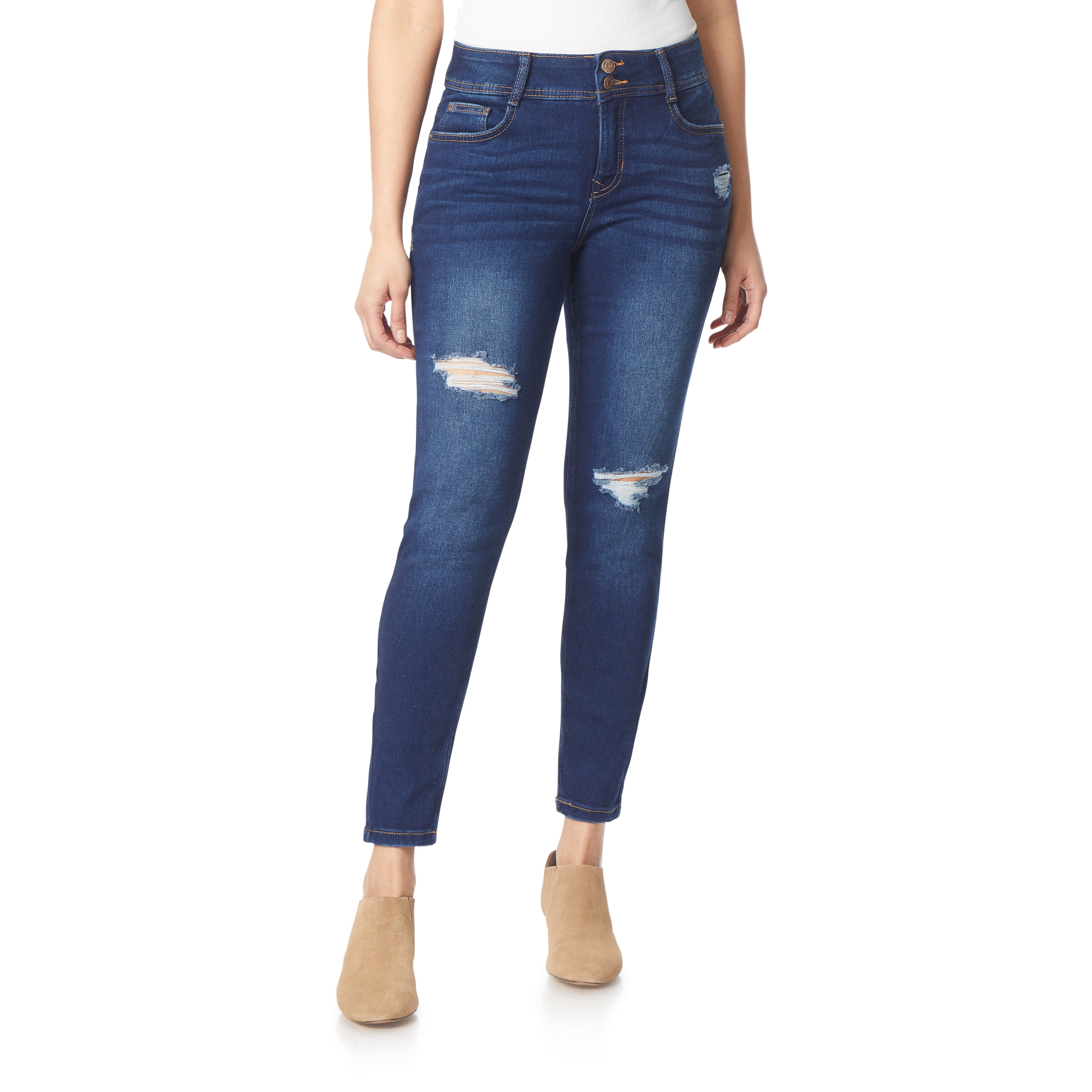
- Slim and Skinny: Though less dominant in mainstream trend forecasting, these cuts remain essential for specific layering needs and footwear combinations, particularly with low-profile sneakers or ankle boots.
- Bootcut and Flare: Experiencing a cyclical resurgence, these styles feature a fitted thigh with a gradual or dramatic opening below the knee, originally designed to accommodate footwear like boots.
Fabric Composition and Technical Specifications
The feel, weight, and longevity of a pair of jeans depend heavily on the textile composition. While 100% cotton rigid denim provides authentic texture and molds to the wearer's body over time, blended fabrics introduce stretch and moisture-management properties.
Cotton vs. Stretch Blends
Traditional denim consists entirely of cotton warp and weft yarns. Rigid cotton denim requires a break-in period, during which the fabric softens and forms personalized creases based on the wearer's movements. For young adults seeking immediate comfort and flexibility, manufacturers blend cotton with synthetic fibers such as elastane or spandex (typically 1% to 3%). While stretch denim offers high mobility and retains its shape during active daily use, it is generally less durable over years of heavy wear compared to heavyweight rigid denim.
Denim Weight (GSM and Ounces)
Fabric weight is measured in ounces per square yard (oz) or grams per square meter (GSM).
- Lightweight (Under 10 oz / ~340 GSM): Ideal for warm climates, offering high breathability and immediate softness.
- Mid-weight (10 oz to 13 oz / ~340 to 440 GSM): The most common category, striking a balance between structure and year-round comfort.
- Heavyweight (14 oz and above / ~475+ GSM): Found primarily in raw or selvedge denim. These fabrics offer superior wind resistance and durability but require a significant break-in period.
Rise, Sizing, and Fit Mechanics
Achieving the correct fit requires evaluating three critical measurements: the rise, the waist, and the inseam. Misjudging any of these parameters can result in discomfort or improper draping, regardless of the pant's overall aesthetic appeal.
| Fit Category | Rise Height | Best Suited For | Key Comfort Consideration |
|---|---|---|---|
| High-Rise | Sits at or above the natural waist | Elongating the legs, cropped tops | Can feel restrictive when sitting if the waistband lacks stretch. |
| Mid-Rise | Sits slightly below the navel | Universal body types, everyday wear | Offers a balanced, secure fit without digging into the torso. |
| Low-Rise / Ultra-Low | Sits at the hips | Casual streetwear, relaxed styling | Requires careful sizing to prevent slipping or gapping at the back. |
Inseam measurements must be cross-referenced with footwear choices. A break—the fold where the pant leg meets the shoe—determines whether the denim pools around the ankle or creates a clean, architectural line. For wide-leg and baggy styles, a longer break is standard, whereas cropped or tailored cuts typically sit at or above the ankle bone.
Sustainable and Ethical Production Considerations
Young adult consumers increasingly prioritize sustainability and ethical manufacturing when purchasing apparel. The traditional denim production cycle is resource-intensive, requiring significant water consumption and chemical processing for dyeing and distressing.
Brands addressing these concerns utilize several industry practices:
- Water Reduction Technologies: Techniques such as ozone washing, laser distressing, and closed-loop water recycling systems reduce water consumption by up to 90% compared to traditional stone-washing methods.
- Organic and Recycled Cotton: Sourcing certified organic cotton eliminates synthetic pesticides, while post-consumer recycled cotton blends divert textile waste from landfills.
- Raw and Unwashed Denim: Opting for raw denim eliminates the laundering phase entirely during production, allowing the consumer to dictate the wear patterns while conserving water.
Evaluating brand transparency through independent certifications—such as Global Organic Textile Standard (GOTS) or OEKO-TEX Standard 100—helps verify claims regarding eco-friendly production methods.
Care, Maintenance, and Longevity
Proper maintenance extends the functional lifespan of denim, reducing the need for frequent replacements and preserving fabric integrity.
- Minimize Washing: Denim does not require washing after every wear. Spot-cleaning minor stains and airing out jeans between uses prevents premature fiber breakdown and color fading.
- Turn Inside Out: When washing machine cycles are necessary, turning the jeans inside out protects the exterior dye and minimizes abrasion against other garments.
- Cold Water and Air Drying: Use cold water cycles with mild detergents. Avoid high-heat tumble drying, as excessive heat degrades elastane fibers and shrinks cotton. Hang drying preserves both shape and color.
Frequently Asked Questions
How do I determine my correct denim size when buying online?
Take physical measurements of your natural waist, hips, and inseam using a flexible tape measure, then compare those numbers against the brand's specific size chart rather than relying solely on arbitrary tag sizes, which vary significantly between manufacturers.
What is selvedge denim, and is it worth the investment?
Selvedge denim features a clean, tightly woven self-finished edge that prevents fraying, typically visible when the cuffs are rolled up. It is woven on traditional shuttle looms using higher-quality long-staple cotton, making it significantly more durable and desirable for enthusiasts seeking longevity.
How can I stop my stretch jeans from sagging after a few hours of wear?
Look for denim blends with higher recovery rates—such as those utilizing elastomultiester or higher cotton-to-elastane ratios—and avoid sizing up, as stretch fabrics naturally relax slightly with body heat during the first hour of wear.
Is it possible to shrink stretched-out denim?
Washing rigid cotton denim in hot water and tumble-drying on high heat will temporarily shrink the fibers. However, this method should be avoided for stretch denim, as excessive heat permanently damages synthetic elastane cores, causing them to lose elasticity entirely.
What is the best way to prevent indigo dye from bleeding onto shoes or furniture?
Soak new raw or dark-wash jeans in a mixture of cold water and one cup of white vinegar for 30 minutes before their first wash to set the indigo dye and minimize initial color transfer.
Practical Next Steps for Buyers
When shopping for jeans, begin by auditing your current wardrobe to identify gaps in rise, wash, and cut. Prioritize versatility by investing in a reliable mid-weight, mid-rise everyday pair before experimenting with trend-driven silhouettes like extreme wide-leg or heavily distressed styles. Always review return policies when purchasing from new brands to account for variances in fit and fabric stretch.
Image Gallery