Where Are Kissing Bugs Found? A Complete Map of States and Risk Factors in 2026
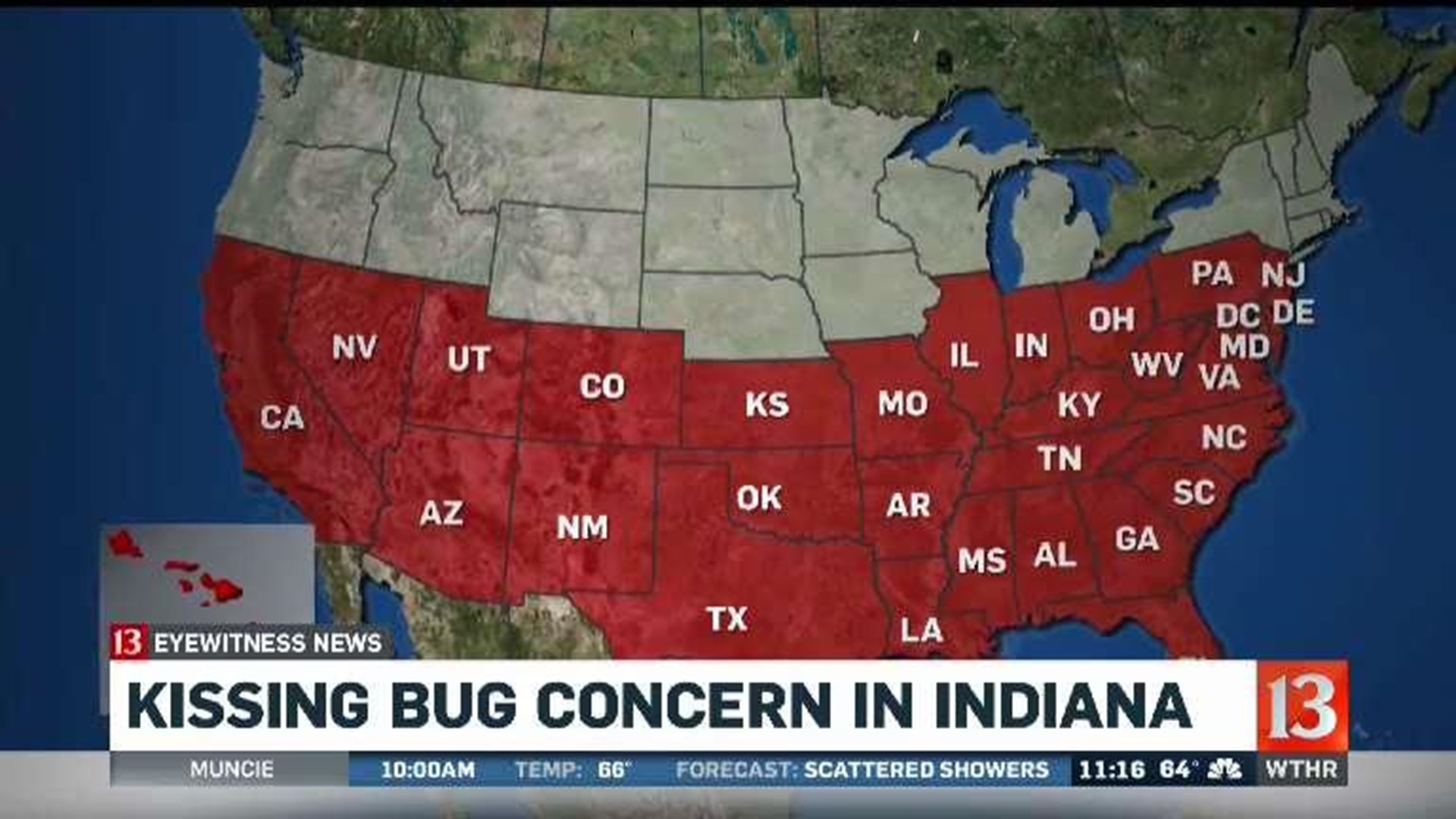
Kissing bugs, scientifically known as triatomine bugs, are currently established in 29 U.S. states, primarily concentrated across the southern half of the country from California to Maryland. While their presence is most significant in...
Kissing bugs, scientifically known as triatomine bugs, are currently established in 29 U.S. states, primarily concentrated across the southern half of the country from California to Maryland. While their presence is most significant in Texas, Arizona, and New Mexico, these nocturnal insects have documented populations throughout the Southeast and into the lower Midwest and Mid-Atlantic regions as of 2026.
Contents
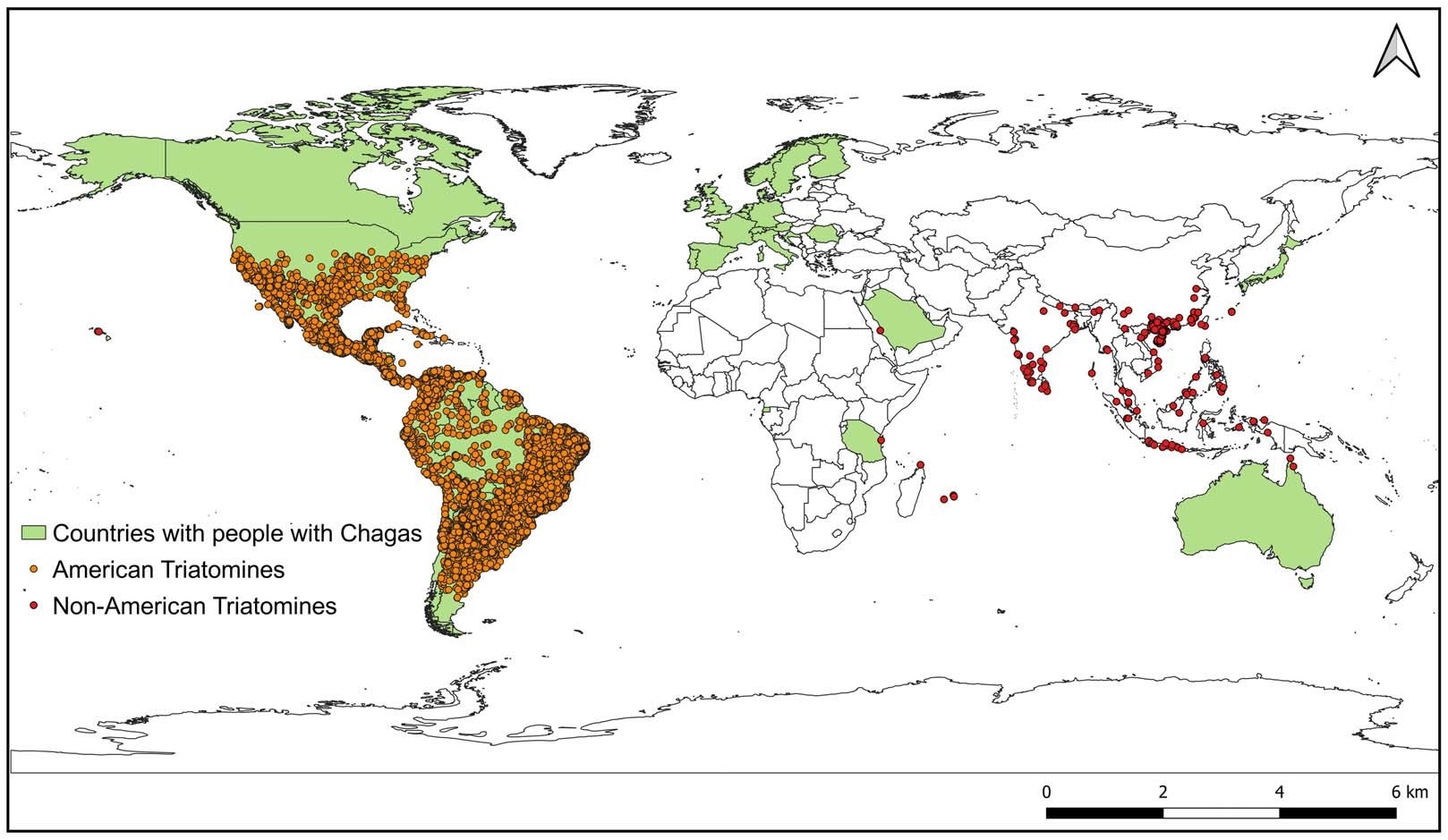
The presence of kissing bugs often causes concern due to their role as vectors for Trypanosoma cruzi, the parasite that causes Chagas disease. Understanding the geographic distribution, identification markers, and behavioral patterns of these insects is essential for homeowners and healthcare providers, especially in high-prevalence areas. While the risk of infection in the United States remains lower than in Central and South America, the expanding awareness of their habitat makes identification and prevention a priority for public health.
The Geographic Distribution of Kissing Bugs in the United States
As of 2026, the range of triatomine bugs in the U.S. has remained relatively stable but well-documented. These insects are not a new arrival; they have been present in the southern United States since at least the mid-19th century. However, increased urbanization and better reporting have highlighted their presence in areas where they were previously overlooked.
The states with confirmed populations of kissing bugs are categorized by the frequency of sightings and the density of the insect populations. The "Sun Belt" states represent the highest concentration, as the warm, humid, or arid climates provide ideal breeding grounds.
High-Prevalence States
Texas, Arizona, and New Mexico report the highest number of triatomine bug encounters. In Texas specifically, the bug is widely distributed across almost every county. The state's diverse ecology—ranging from desert to piney woods—supports several different species of the bug, including Triatoma gerstaeckeri and Triatoma sanguisuga.
Southeastern and Mid-Atlantic Range
The bugs are also well-established across the Southeast, including Alabama, Florida, Georgia, Louisiana, Mississippi, and the Carolinas. In these regions, they are frequently found in wooded areas and near outdoor animal shelters. Their range extends northward along the Atlantic coast into Maryland, Delaware, and Pennsylvania, though sightings in the northernmost states are significantly less frequent than in the Southwest.
The Midwest and Western Frontier
In the Midwest, states like Missouri, Illinois, and Ohio have documented populations, typically found in the southern portions of these states. To the west, California has a significant presence, particularly in the foothills and southern desert regions. Colorado and Utah represent the current northern and interior limits of their common range in the West.
| State | Region | Prevalence Level | Common Environments |
|---|---|---|---|
| Texas | Southwest | Very High | Woodpiles, porches, dog kernels |
| Arizona | Southwest | High | Desert scrub, pack rat nests |
| New Mexico | Southwest | High | Rural outbuildings, stone walls |
| California | West | Moderate/High | Foothills, brushy areas |
| Florida | Southeast | Moderate | Palm hammocks, under eaves |
| Georgia | Southeast | Moderate | Rural residential areas |
| Tennessee | Southeast | Moderate | Wooded suburbs |
| Maryland | Mid-Atlantic | Low | Forest edges |
| Missouri | Midwest | Low/Moderate | Southern limestone bluffs |
Identification: Distinguishing Kissing Bugs from Look-Alikes
One of the greatest challenges for residents in affected states is the accurate identification of the kissing bug. Many harmless or even beneficial insects are frequently mistaken for triatomines, leading to unnecessary alarm.
Physical Characteristics of the Triatomine Bug
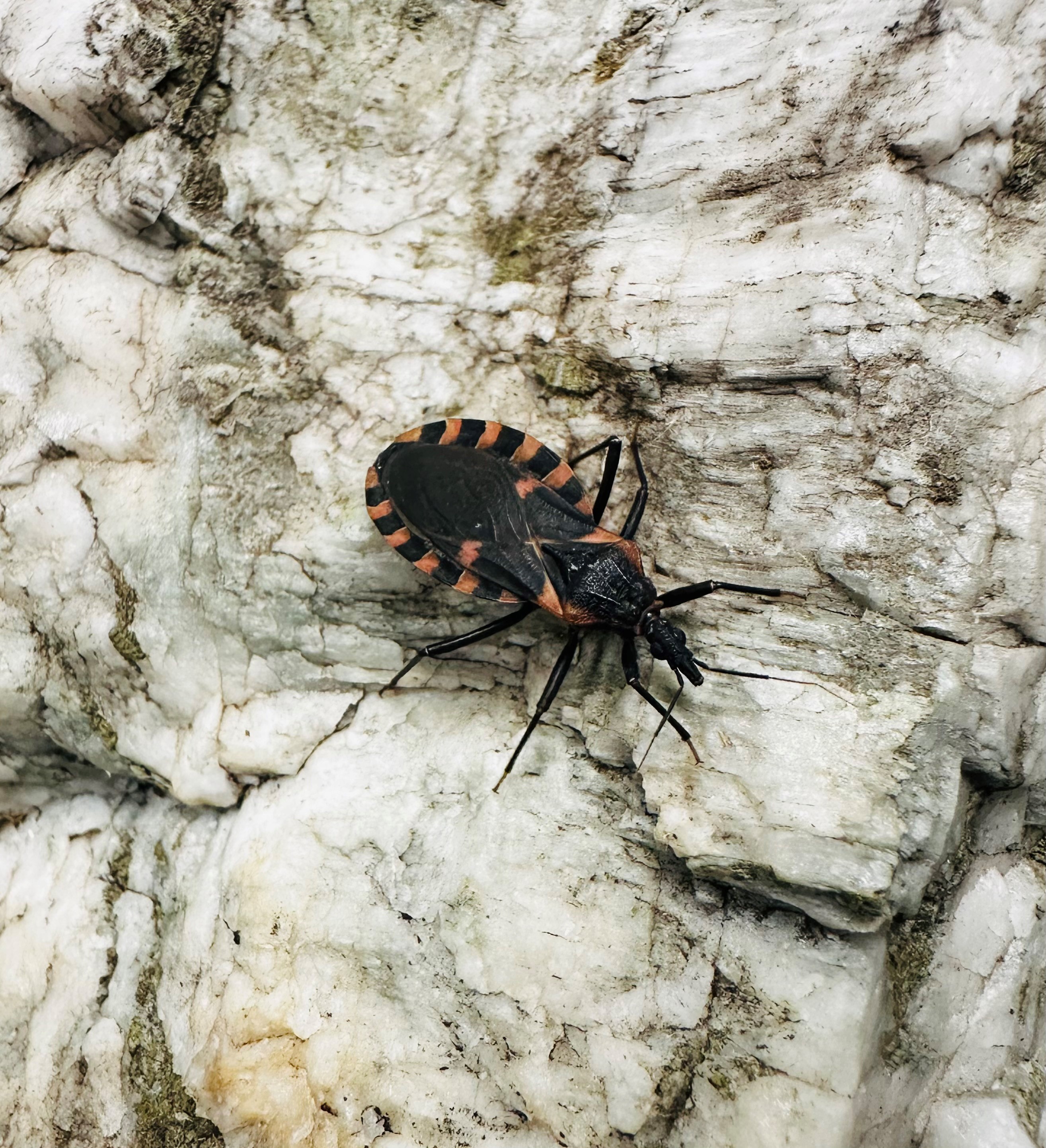
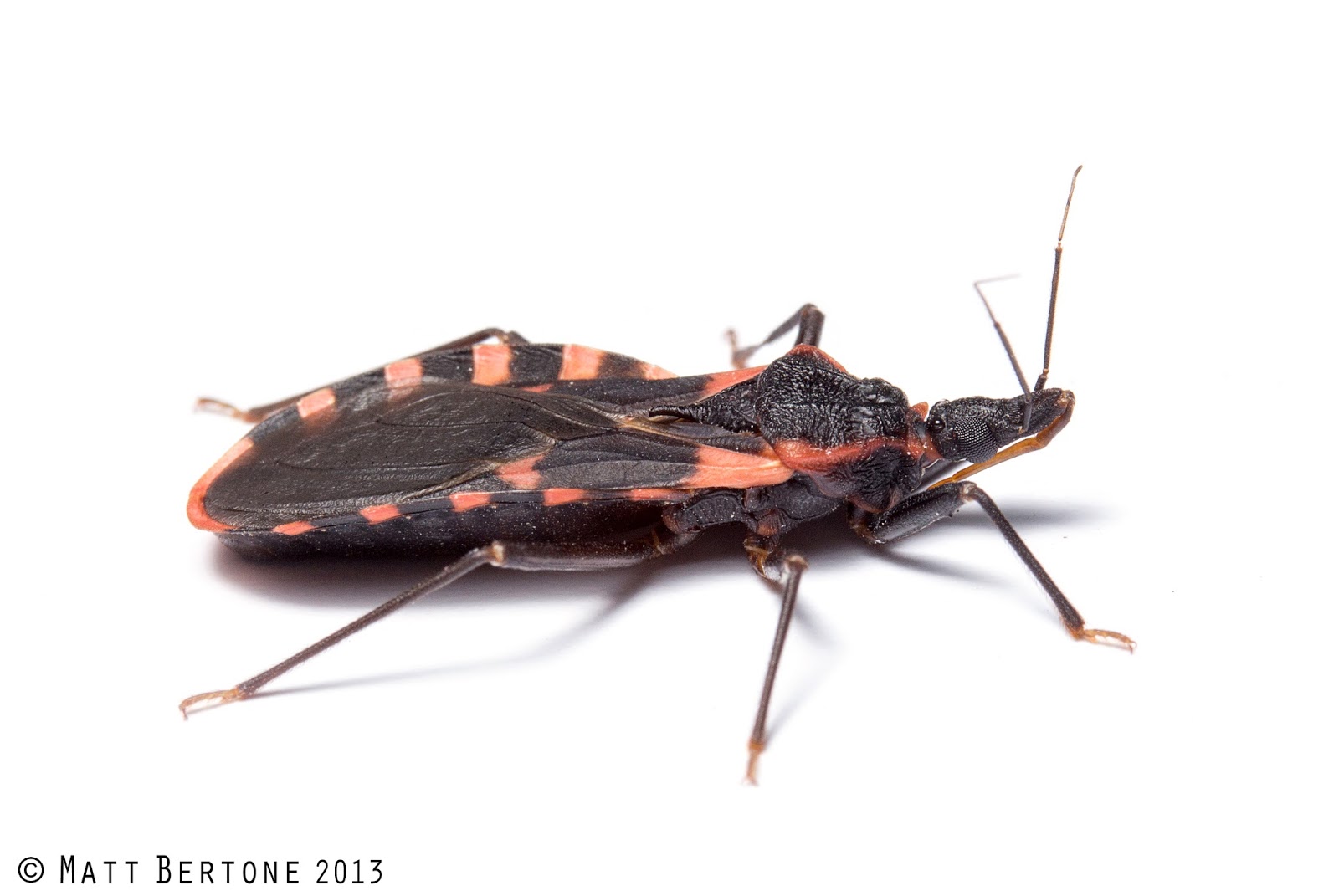
A true kissing bug typically measures between 0.5 to 1.25 inches in length. They are characterized by a "cone-shaped" head and a long, thin beak (proboscis) used for piercing skin. Their most distinguishing feature is the set of orange, red, or yellow stripes that ring the edge of their dark brown or black abdomen. Their legs are thin and lack the "leaf-like" expansions found on other similar insects.
Common Look-Alikes
- Wheel Bugs: These are often larger and have a distinctive gear-like crest on their backs. While they can deliver a painful bite, they do not carry Chagas disease.
- Western Conifer Seed Bugs: These are very common in northern states and are often found indoors during winter. They have wider, flattened hind legs that look like small leaves.
- Boxelder Bugs: These are smaller and have bright red markings, but their body shape is more oval and they lack the elongated "cone" head of the kissing bug.
Understanding these differences is crucial. Kissing bugs are strictly nocturnal and are rarely seen during the day unless their hiding spot (such as a woodpile or a crack in a wall) is disturbed.
The Risk of Chagas Disease in the U.S.
The primary concern regarding kissing bugs is Chagas disease. However, it is important to clarify how transmission occurs. The parasite T. cruzi is not transmitted through the bug’s saliva during a bite. Instead, the parasite is found in the bug's feces. Transmission happens when a bug defecates near the bite site, and the host accidentally rubs the feces into the wound or into a mucous membrane, such as the eye or mouth.
Why U.S. Transmission is Rare
While many kissing bugs in the U.S. carry the parasite (in some regions of Texas, infection rates in bugs can exceed 50%), human infection remains relatively rare. Research suggests that U.S. species of triatomine bugs often wait until they have left the host to defecate, whereas Central and South American species often defecate while feeding, significantly increasing the likelihood of transmission.
Symptoms to Monitor
If infection does occur, it typically follows two phases:
- The Acute Phase: This occurs immediately after infection and may last for a few weeks or months. Symptoms are often mild and include fever, fatigue, body aches, and "Romaña's sign" (swelling of the eyelid near the bite or where feces were rubbed).
- The Chronic Phase: If left untreated, the infection can remain in the body for decades. In about 30% of cases, it eventually leads to serious cardiac complications (enlarged heart, heart failure) or gastrointestinal issues (enlarged esophagus or colon).
Medical Limitation: This information is for educational purposes. If you suspect you have been bitten by a kissing bug or are experiencing symptoms of Chagas disease, consult a healthcare professional or an infectious disease specialist for testing and diagnosis.
Preventive Measures for Homeowners
For those living in the 29 states where kissing bugs are present, prevention focuses on "hardening" the home to prevent the bugs from entering and reducing the attractive features of the surrounding landscape.
Structural Integrity and Sealing
Kissing bugs are adept at squeezing through small crevices. Homeowners should inspect and repair:
- Window Screens: Ensure there are no tears and that screens fit tightly within frames.
- Door Sweeps: Install heavy-duty sweeps on all exterior doors, including the garage.
- Foundation Cracks: Use caulk or sealant to close gaps in the foundation, around plumbing, and where electrical lines enter the house.
- Attics and Crawlspaces: Ensure vents are covered with fine mesh screening.
Managing the External Environment
The area immediately surrounding the home dictates how likely you are to encounter these insects.
- Light Management: Kissing bugs are attracted to white light. Switching outdoor bulbs to yellow "bug lights" or motion-activated lighting can reduce the number of insects drawn to the home's perimeter.
- Debris Removal: Move woodpiles, rock piles, and stacks of lumber at least 20 feet away from the house. These are primary nesting sites for the rodents that kissing bugs feed on.
- Pet Safety: Pets, particularly dogs, are highly susceptible to Chagas disease. Ensure pet bedding is kept clean and that outdoor kennels are raised off the ground and sealed against insects.
What to Do If You Find a Kissing Bug
If you find an insect you suspect is a kissing bug, do not squash it with your bare hands. This can spread the parasite if the bug is infected.
- Capture the Insect: Use a glove or a plastic bag to pick up the bug and place it in a sealed container (like a pill bottle or a jar).
- Clean the Area: Clean the surface where the bug was found with a bleach solution or a strong disinfectant.
- Submit for Testing: Many state health departments and university entomology labs (such as the Kissing Bug Citizen Science Program at Texas A&M University) accept specimens for identification and testing. This helps researchers track the spread of the parasite and provides you with definitive information.
Frequently Asked Questions
Do all kissing bugs carry Chagas disease?
No. While a significant percentage of kissing bugs in certain states carry the Trypanosoma cruzi parasite, not all are infected. Furthermore, even a bite from an infected bug does not guarantee transmission, as the parasite must enter the bloodstream through feces or mucous membranes.
Can I get Chagas disease from my dog?
You cannot get Chagas disease directly from your dog’s touch, saliva, or breath. However, if your dog is infected, it indicates that kissing bugs are present in your immediate environment, which increases your risk of being bitten by those same bugs.
Are kissing bugs active during the winter?
In most states, kissing bugs are inactive during the winter. They typically emerge in late spring and remain active through the summer and early fall. In the southernmost parts of Texas and Florida, they may remain active for longer periods due to the warmer climate.
Will standard pest control get rid of kissing bugs?
General insecticide treatments can be effective, but they are often unnecessary if proper exclusion (sealing the home) is performed. If you have a significant infestation, it is best to consult a professional pest control service experienced in dealing with triatomines, as they may need to target specific nesting sites in attics or crawlspaces.
Can I be tested for Chagas disease?
Yes. If you have a confirmed encounter with a kissing bug and are concerned about infection, a blood test can detect antibodies for T. cruzi. Because the disease is relatively rare in the U.S., you may need to request this specifically from your doctor, who may coordinate with the Centers for Disease Control and Prevention (CDC).
Practical Recommendation
If you reside in a high-prevalence state like Texas or Arizona, the most effective action you can take in 2026 is to conduct an annual "exclusion audit" of your property every spring. Seal all gaps larger than the thickness of a credit card and keep your immediate perimeter free of organic debris. By removing the habitat for their hosts—primarily rodents and small mammals—you significantly reduce the likelihood of these insects establishing a presence near your living spaces.
Image Gallery