Safeco Auto Insurance Gap Insurance Coverage: A Complete 2026 Guide
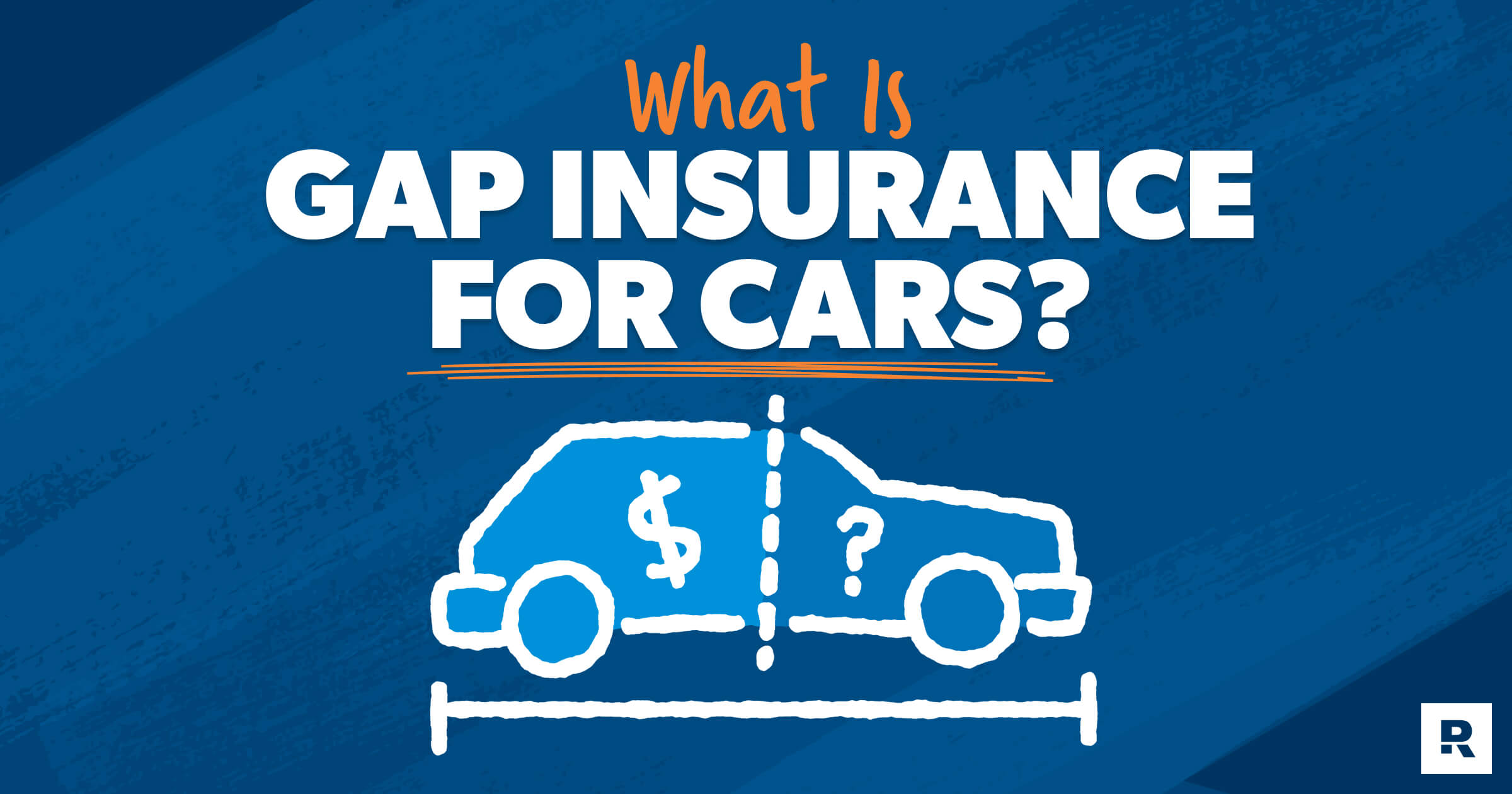
Safeco’s loan/lease gap coverage protects drivers if their vehicle is totaled and the insurance payout is less than the outstanding loan or lease balance. It bridges the "gap" between the car's actual cash value and your debt, preventi...
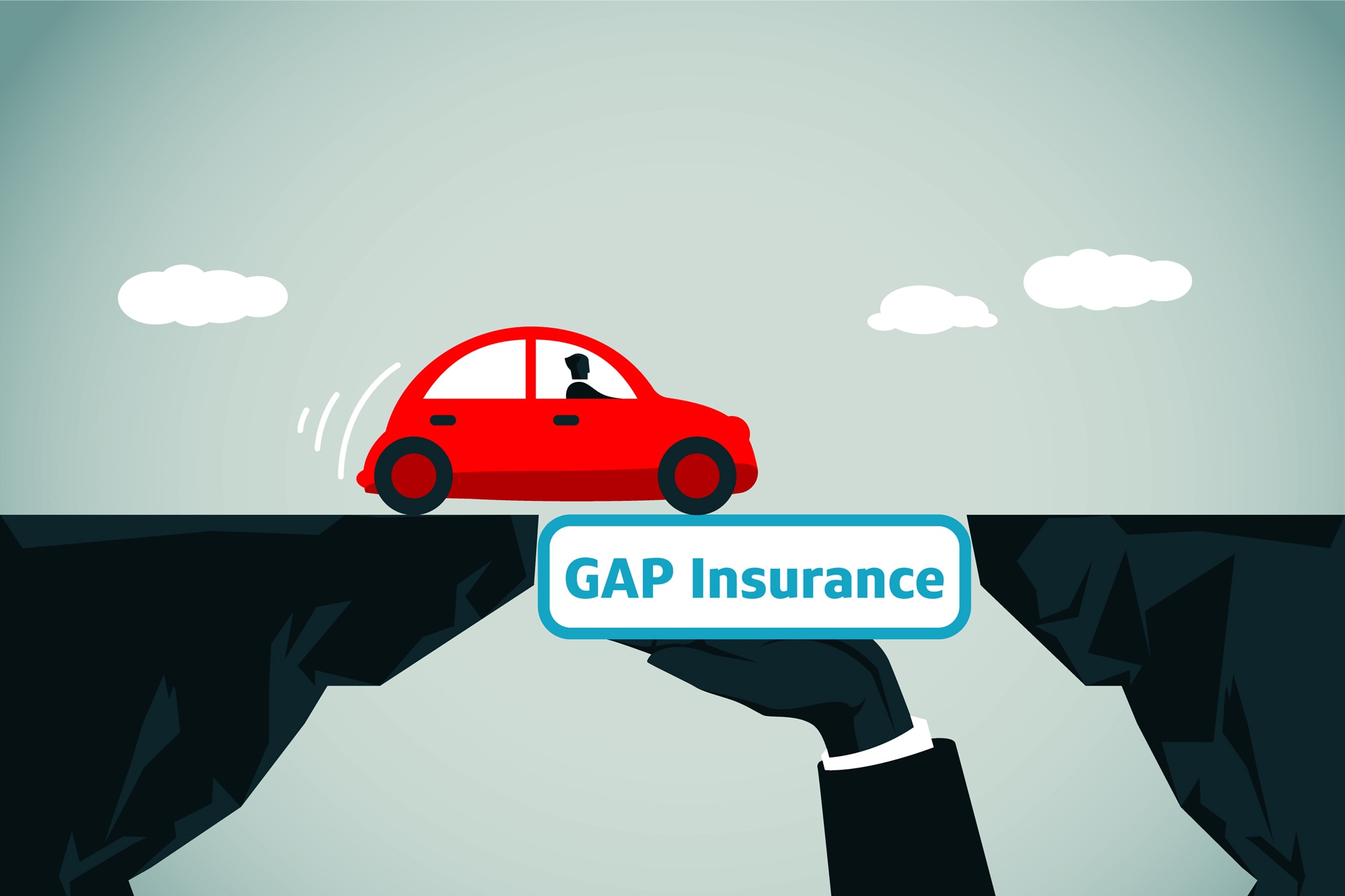
Safeco’s loan/lease gap coverage protects drivers if their vehicle is totaled and the insurance payout is less than the outstanding loan or lease balance. It bridges the "gap" between the car's actual cash value and your debt, preventing significant out-of-pocket expenses during a total loss claim for newer vehicles.
Contents
When you drive a new car off the lot, it immediately loses a portion of its value. This phenomenon, known as rapid depreciation, creates a financial vulnerability for anyone financing or leasing a vehicle. If that car is stolen or totaled in an accident shortly after purchase, your standard auto insurance policy will typically only pay out the Actual Cash Value (ACV) of the vehicle. Unfortunately, in the 2026 automotive market, where long-term financing and high-tech features are standard, that ACV is often significantly lower than what you still owe the bank.
Safeco Auto Insurance, a Liberty Mutual company, addresses this specific risk through its Loan/Lease Gap Coverage endorsement. This article explores how Safeco’s gap insurance works, who is eligible, and how it compares to other options in the current insurance landscape.
Understanding Safeco’s Loan/Lease Gap Coverage
Safeco’s gap insurance is technically an endorsement (an optional add-on) to a standard personal auto policy. It is designed to settle the difference between the insurance settlement for a totaled vehicle and the amount remaining on your auto loan or lease.
The Depreciation Dilemma
Most vehicles lose approximately 20% of their value within the first year of ownership. For a $40,000 vehicle, that is an $8,000 drop in value. If you put down a small down payment or financed the vehicle over 72 or 84 months, you are likely "underwater" on your loan for the first several years. Being underwater means you owe more than the car is worth.
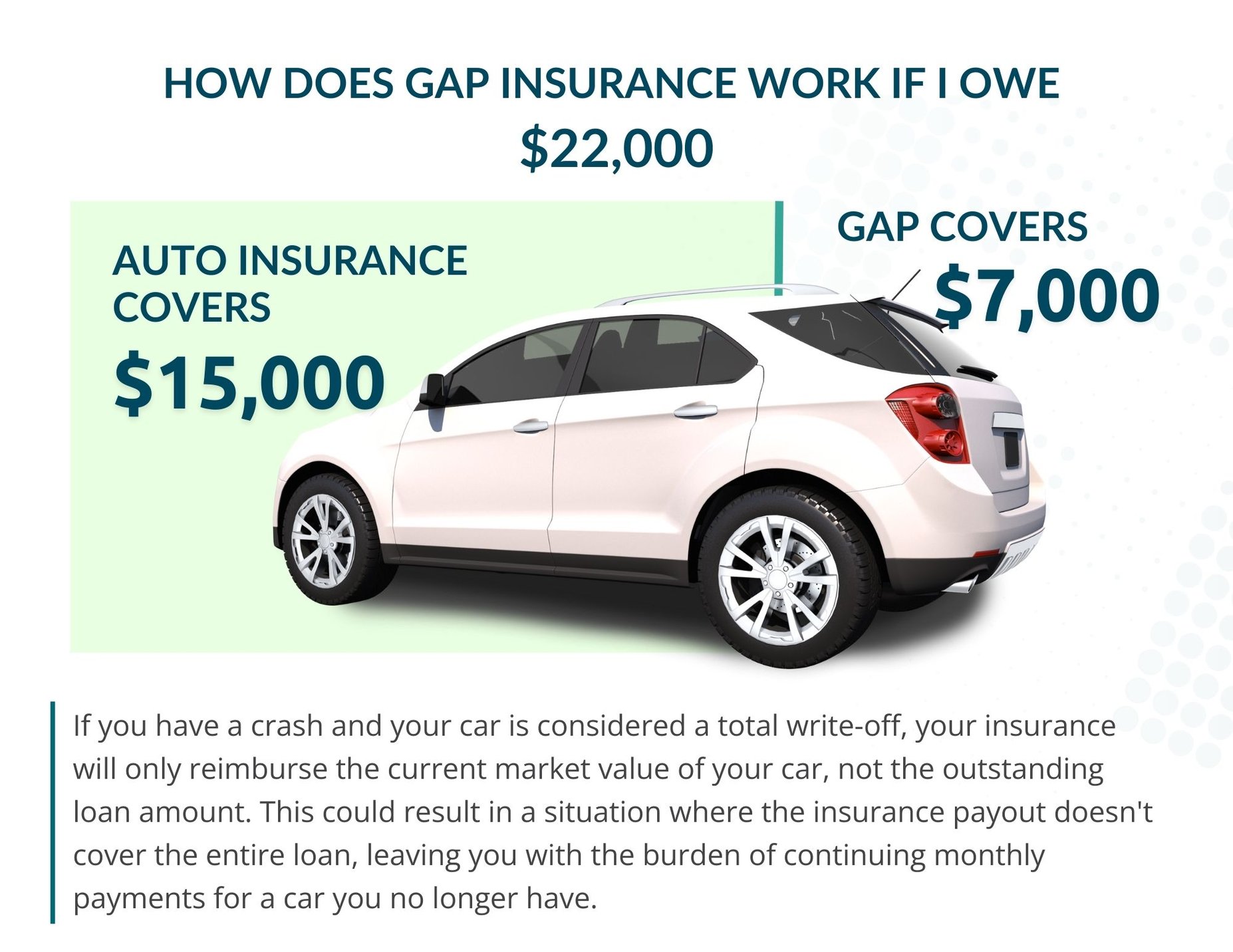
Without gap coverage, if that $40,000 car is totaled when its ACV has dropped to $30,000, but you still owe $35,000 to your lender, you are responsible for paying that $5,000 difference out of your own pocket—all while having no vehicle to drive.
How Safeco Resolves the Gap
Safeco’s coverage steps in to pay that $5,000 difference. It is important to note that Safeco typically limits this payout to a specific percentage of the vehicle's ACV (often up to 25%), though specific terms can vary by state and individual policy language.
Eligibility and Requirements for Safeco Gap Coverage
Not every vehicle or driver is eligible for Safeco’s gap coverage. As of 2026, Safeco maintains specific underwriting guidelines to ensure the risk is manageable.
- Vehicle Age and Condition: Typically, gap coverage is reserved for new vehicles. Safeco generally requires the vehicle to be the current or previous model year. If you are the second owner of a five-year-old car, you likely will not be able to add this coverage.
- Original Ownership: In many cases, you must be the original owner or the first lessee of the vehicle.
- Required Primary Coverages: You cannot purchase gap insurance as a standalone product. Safeco requires you to carry both Collision and Comprehensive (Other Than Collision) coverage on the vehicle. This is because gap insurance only triggers when a total loss claim is paid out under one of these primary coverages.
- Timing of Addition: You usually need to add the gap endorsement to your Safeco policy within a specific window of purchasing the vehicle—often within the first 30 days of the policy period or the vehicle's purchase date.
What Safeco’s Gap Insurance Does Not Cover
While gap insurance is a powerful financial tool, it is not a "catch-all" for every expense related to a totaled car. Safeco’s policy, like most in the industry, has specific exclusions:
- Overdue Payments: If you have missed monthly loan payments or incurred late fees, Safeco will not cover those amounts.
- Carry-over Balances: If you rolled over debt from a previous car loan into your new loan (negative equity), Safeco generally will not cover the portion of the loan attributed to the old vehicle.
- Extended Warranties: Costs associated with service contracts or extended warranties that were financed into the loan are typically excluded, as these contracts are usually refundable on a pro-rata basis from the provider.
- Deductibles: In many instances, the gap coverage does not cover your primary insurance deductible, though some Safeco policy tiers may offer deductible reimbursement as a separate feature.
Comparing Safeco Gap Insurance to Dealership GAP
When you buy a car, the dealership's finance and insurance (F&I) office will almost certainly offer you "GAP protection." It is vital to understand how Safeco’s insurance-based product differs from the dealership’s contract-based product.
| Feature | Safeco Loan/Lease Gap Coverage | Dealership GAP Waiver |
|---|---|---|
| Cost Basis | Annual premium (usually $30–$80 per year) | Flat fee ($500–$1,000+) |
| Payment Method | Added to your monthly or semi-annual insurance bill | Often financed into the car loan (accruing interest) |
| Cancellation | Can be removed any time you are no longer "underwater" | Harder to cancel; may require paperwork for a refund |
| Source | Regulated insurance company (Safeco/Liberty Mutual) | Third-party administrator or lender |
| Flexibility | Covers the specific vehicle on the policy | Tied specifically to the original loan agreement |
As the table illustrates, Safeco’s coverage is often significantly more cost-effective. Because dealership GAP is frequently financed, you end up paying interest on the GAP protection itself, which can double the actual cost over the life of the loan.
Safeco "New Car Replacement" vs. Gap Insurance
A common point of confusion for Safeco policyholders in 2026 is the difference between Gap Coverage and New Car Replacement. These are distinct endorsements, and Safeco offers both.
- Gap Insurance pays off the lender. It ensures your debt is wiped clean, but it doesn't necessarily leave you with enough money to buy a new car—it just gets you back to "even."
- New Car Replacement is more robust. If your car is totaled within the first year or two (or a certain mileage limit), Safeco will pay for a brand-new car of the same make and model, rather than just the depreciated value.
If you have New Car Replacement, you generally do not need Gap Insurance, as the settlement for a new car will almost always exceed your loan balance. However, New Car Replacement is typically more expensive than Gap coverage.
How to Add Gap Coverage to Your Safeco Policy
If you have recently purchased or leased a vehicle and realized you are at risk, adding the coverage is a straightforward process.
- Verify Your Loan Status: Check your current loan balance against the Kelley Blue Book or NADA value of your vehicle. If the loan is higher than the private party or trade-in value, you need gap insurance.
- Contact Your Agent: Safeco operates primarily through independent agents. Contact your agent to request the "Loan/Lease Gap Coverage" endorsement.
- Provide Documentation: You may need to provide your loan agreement or lease contract to verify the original amount financed and the lender's information.
- Review the Declaration Page: Once added, verify the coverage appears on your policy declarations page. It will list the specific vehicle covered and the additional premium cost.
The Claims Process with Safeco Gap Insurance
If the worst happens and your vehicle is totaled, the gap claims process involves a few extra steps beyond a standard accident claim.
First, Safeco’s adjusters will determine the Actual Cash Value of your vehicle based on its condition, mileage, and the local market. They will issue a payment to your lender for this amount (minus your deductible).
Second, you must provide Safeco with a "payoff statement" from your lender. This document shows exactly how much is still owed on the day of the loss. Safeco will then compare the insurance settlement already paid to the payoff amount.
Finally, Safeco issues a second payment to the lender to cover the "gap." This process ensures the lien is satisfied and you are released from the financial obligation of the loan. For more information on how insurance settlements work, the Insurance Information Institute (III) provides extensive resources on total loss valuations.
Frequently Asked Questions
Is Safeco gap insurance required by law?
No, gap insurance is not required by any state law. However, most leasing companies require you to have it as a condition of the lease. Many auto lenders also strongly recommend it if your down payment was less than 20%.
Can I cancel Safeco gap insurance once I owe less than the car's value?
Yes. One of the primary benefits of Safeco's coverage is that you can remove the endorsement at any time. Once your loan balance is lower than the car's market value, the coverage is no longer providing any benefit, and you should contact your agent to remove it to save on your premium.
Does Safeco gap insurance cover theft?
Yes. Gap insurance applies to any covered "total loss." If your vehicle is stolen and not recovered, Safeco treats it as a total loss under your Comprehensive coverage, and the gap endorsement will trigger to pay off the lender.
Does Safeco's gap coverage pay my deductible?
Usually, no. Most Safeco gap endorsements pay the difference between the ACV (after the deductible is taken out) and the loan balance. However, some "Elite" or high-tier Safeco packages may include deductible waivers or reimbursements. You should check your specific policy "limitations of coverage" section.
What happens if I trade in my car?
If you trade in a car that has Safeco gap insurance, the coverage does not transfer to the new vehicle automatically. You must notify Safeco of the new vehicle purchase and specifically request to add gap coverage to the new vehicle, provided it meets the eligibility criteria.
Practical Recommendation
For drivers in 2026, Safeco’s loan/lease gap coverage is a highly recommended safety net for anyone who has financed more than 80% of a new vehicle's value or has a lease agreement. To maximize your protection, compare the cost of Safeco’s endorsement against the GAP waiver offered by your dealership before signing your loan papers. In almost all cases, adding the coverage to your Safeco policy is the more economical choice. If your vehicle is older than two years or you have significant equity in the car, you should skip this coverage and focus on maintaining adequate liability and collision limits.
Image Gallery