Do I Need a Workers Compensation Lawyer in Vegas?
Navigating the aftermath of a workplace injury in Las Vegas can be overwhelming, especially when dealing with medical bills, lost wages, and uncooperative insurance adjusters. If your claim is straightforward, your employer accepts lia...
Navigating the aftermath of a workplace injury in Las Vegas can be overwhelming, especially when dealing with medical bills, lost wages, and uncooperative insurance adjusters. If your claim is straightforward, your employer accepts liability, and your medical treatment is approved without delay, you may not need legal representation. However, if your claim is denied, your benefits are delayed, your permanent partial disability rating is disputed, or you face retaliation from your employer, hiring an experienced Nevada workers' compensation attorney is strongly recommended to protect your rights and secure the maximum compensation you are owed under state law.
Contents
Understanding the Nevada Workers' Compensation System
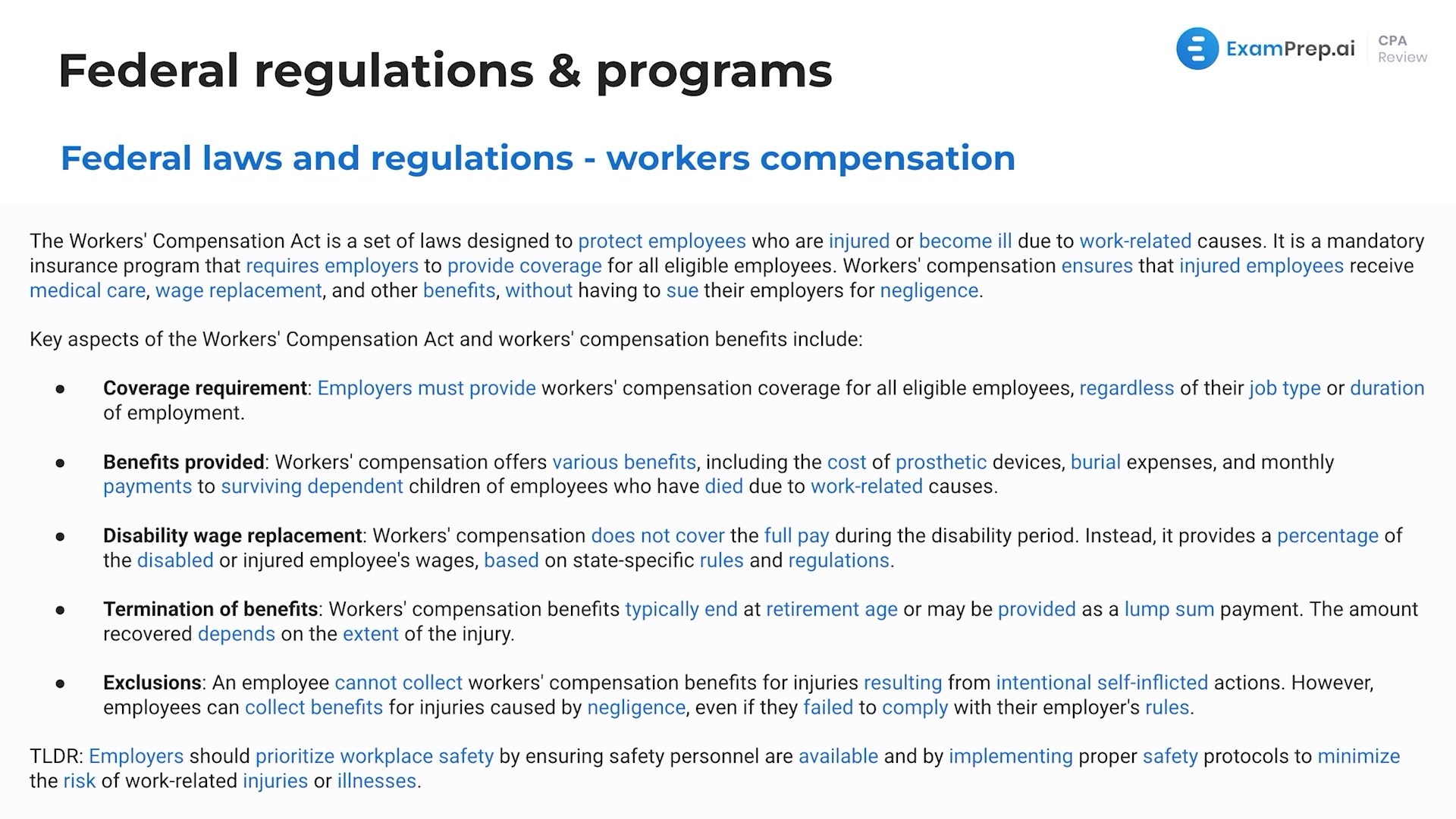
The workers' compensation system in Nevada functions as a no-fault insurance program designed to provide medical care, temporary total disability benefits, and permanent partial disability awards to employees who suffer job-related injuries or illnesses. Under Nevada Revised Statutes (NRS) Chapter 616A through 616D, most employers in the state are required to carry workers' compensation insurance.
In exchange for this guaranteed coverage regardless of fault, employees generally give up the right to sue their employers directly for negligence in civil court. Instead, injured workers must navigate a distinct administrative process overseen by the Nevada Department of Business and Industry, Division of Industrial Relations (DIR). While the system is designed to operate without mandatory legal representation, insurance companies and third-party administrators (TPAs) employ adjusters and legal teams whose primary objective is to minimize financial payout. Understanding how this framework operates is the first step in determining whether you can manage your claim independently or if you require professional legal intervention.
When You Might Not Need a Workers Compensation Lawyer
Many minor workplace accidents resolve smoothly without the intervention of an attorney. If you experience a minor injury that requires only a single doctor's visit, brief time off, or minor prescription management, and your employer's insurance carrier accepts the claim immediately, handling the matter on your own is often feasible.
Indicators that your claim may not require a lawyer include:
- Immediate Claim Acceptance: The insurer accepts the claim within the statutory timeframe without dispute.
- Uncontested Medical Treatment: All recommended diagnostic tests, specialist visits, and therapies are approved promptly by the claims administrator.
- Full Recovery: You heal completely and return to your exact pre-injury position and wage scale without permanent impairment.
- Accurate Wage Calculations: Your temporary total disability (TTD) checks arrive on time and accurately reflect your historical earnings.
If these conditions are met, retaining legal counsel may not provide a financial advantage, as attorneys typically work on a contingency fee basis and their involvement would cut into benefits that are already being paid correctly.
Critical Situations That Demand Legal Representation
Conversely, many scenarios in Las Vegas workers' compensation claims involve complex disputes where an insurance carrier acts to limit or terminate your benefits. In these instances, navigating the administrative hearing process alone places you at a severe disadvantage.
1. Claim Denial
If the insurance company issues a denial letter stating that your injury did not arise out of or in the course of your employment, or that a pre-existing condition caused the issue, you face an immediate barrier to medical care and income replacement. Challenging a denial requires gathering expert medical testimony, filing timely appeals with a hearing officer, and presenting legal arguments under Nevada labor laws.
2. Disputed Permanent Partial Disability (PPD) Ratings
Once you reach maximum medical improvement (MMI), a rated physician will evaluate you to determine if you have a permanent impairment. Insurance companies frequently utilize independent medical examinations (IMEs) to secure lower impairment ratings, directly reducing the lump sum or monthly PPD award you receive. A workers' compensation lawyer can counter these low ratings with independent medical evaluations.
3. Claim Closure and Vocational Rehabilitation Disputes
Insurers often push to close claims prematurely or deny vocational rehabilitation benefits if you cannot return to your former occupation. An attorney ensures that all medical conditions are fully resolved before closure and fights for retraining or education benefits if you face permanent career restrictions.
4. Third-Party Liability Claims
While you cannot sue your employer directly, if your injury was caused by a negligent third party—such as a defective machine manufactured by an outside company, a negligent driver while you were driving a company vehicle, or a property owner where you made a delivery—you may have a separate personal injury lawsuit alongside your workers' comp claim. Coordinating these parallel claims requires skilled legal oversight.
Comparing Self-Representation vs. Hiring an Attorney
| Claim Characteristic | Handling Your Claim Pro Se (Alone) | Hiring a Workers' Compensation Lawyer |
|---|---|---|
| Claim Status | Accepted immediately with zero disputes. | Denied, delayed, or heavily contested by the insurer. |
| Medical Care | All requested treatments approved without friction. | Treatments denied, delayed, or restricted by utilization review. |
| Permanent Impairment | Straightforward rating accepted without argument. | Disputed PPD rating or forced independent medical examination (IME). |
| Legal Costs | Zero legal fees deducted from your settlement. | Contingency fee (regulated by Nevada law, typically up to 25%). |
| Administrative Process | Navigating hearings, appeals, and deadlines alone. | Full representation at hearings before appeals officers and courts. |
The Legal Process and Deadlines in Nevada
Time is of the essence in Nevada workers' compensation claims. Missing a statutory deadline can result in the permanent forfeiture of your right to benefits.
- Report the Injury Immediately: You must notify your employer in writing as soon as possible, but no later than 7 days after the accident, under NRS 616C.015.
- Seek Medical Attention: Visit a treating physician approved by your employer’s insurer or select one from the panel of providers if required by your employer's program. Ensure you inform the doctor that the injury occurred on the job.
- File a Notice of Injury (C-4 Form): The treating physician’s office will typically help you complete and file the C-4 Form (Employee’s Claim for Compensation/Report of Initial Treatment). This officially opens your claim with the insurance provider.
- Insurer Determination: The insurance company has 30 days from the date they receive the C-4 form to accept or deny your claim.
- Appeals and Hearings: If your claim is denied or closed prematurely, you have 70 days from the date of the determination letter to file an appeal with a Nevada Department of Business and Industry hearing officer.
How Nevada Workers' Compensation Attorneys Are Paid
Many injured workers hesitate to contact a lawyer because they fear high hourly retainers or upfront costs. However, Nevada workers' compensation attorneys operate on a contingency fee basis. This means they do not charge hourly rates or upfront retainers. Instead, their fee is a percentage of the disputed benefits or settlement they successfully recover for you.
Furthermore, under Nevada law, attorney fees in workers' compensation cases are strictly regulated and typically subject to approval by a hearing officer or appeals officer. If the attorney does not recover additional benefits or reverse a denial, you generally owe no attorney fees.
Frequently Asked Questions
What should I do immediately after a workplace injury in Las Vegas?
Report the injury to your supervisor or human resources department immediately in writing. Seek prompt medical evaluation from an approved provider and ensure the physician documents that the injury is work-related. Complete your portion of the C-4 form accurately and retain copies of all documentation, medical notes, and correspondence with insurance adjusters.
Can my employer fire me for filing a workers' compensation claim in Nevada?
No. Nevada law prohibits employers from retaliating against employees who exercise their legal rights under the state's industrial insurance laws. If your employer fires, demotes, or disciplines you for filing a valid workers' compensation claim, you may have grounds for a separate wrongful termination or retaliation lawsuit.
What happens if my workers' comp claim is denied in Vegas?
A denial is not the end of the road. You have the right to appeal the decision by filing a notice of appeal within 70 days of the denial letter. This initiates an administrative hearing process where you can present evidence, medical records, and witness testimony before a designated hearing officer. Retaining a lawyer significantly improves your chances during this administrative litigation.
Can I choose my own doctor for a workers' compensation claim in Nevada?
In most cases, you must initially seek treatment from a physician listed on your employer’s or insurer’s panel of preferred providers. If you are dissatisfied with the assigned treating physician, Nevada regulations provide specific procedures for requesting a change of physician within the approved network.
How long do I have to file a workers' compensation claim in Vegas?
You must report the injury to your employer within 7 days of the accident, and the C-4 form must be filed within 90 days of the accident. Failing to meet these strict statutory deadlines can give the insurance company legal grounds to deny your claim permanently, making immediate action critical.
Next Actions for Injured Workers
If your claim is proceeding smoothly and your medical bills are covered, maintain open communication with your employer and medical team to ensure a safe return to work. However, if you encounter a claim denial, a disputed impairment rating, or administrative pushback from the insurance adjuster, consult with a licensed Nevada workers' compensation attorney promptly. Schedule an initial consultation—which is typically offered free of charge—to review the specifics of your accident, evaluate your medical documentation, and determine the optimal legal strategy for securing your entitled benefits.
Image Gallery