Understanding Newark Crime Trends in the City: Data, Analysis, and Community Safety
Analyzing Newark crime trends in the city requires examining verified statistical data, municipal public safety initiatives, and localized socioeconomic factors that shape law enforcement strategies. Evaluating public safety within New...
Analyzing Newark crime trends in the city requires examining verified statistical data, municipal public safety initiatives, and localized socioeconomic factors that shape law enforcement strategies.
Contents
Evaluating public safety within New Jersey’s largest municipality involves looking beyond generalized headlines to understand precise crime categories, year-over-year statistical shifts, and the structural interventions implemented by local authorities and community organizations.
Public data from municipal police departments, county prosecutors, and federal reporting agencies provide a clear empirical picture of urban safety.
By analyzing these metrics, residents, business owners, and researchers can track longitudinal shifts in both violent and property crime indices across different wards.
Understanding these patterns involves examining historical context, current data collection methodologies, and the specific technological and community-based tools deployed to mitigate criminal activity within the urban core.
Historical Context and Methodology of Crime Reporting
To interpret modern crime trends accurately, one must understand how law enforcement agencies collect, classify, and report data.
The primary mechanism for tracking national and municipal crime statistics is the Federal Bureau of Investigation’s Uniform Crime Reporting (UCR) program, alongside the transition toward the National Incident-Based Reporting System (NIBRS).
NIBRS captures more granular details about individual crime incidents, including the relationship between victims and offenders, property loss types, and specific geographic locations.
Historically, Newark experienced significant public safety challenges during the late 20th century, mirroring broader urban trends across the United States.
Industrial shifts, suburban migration, and economic restructuring heavily impacted the city's neighborhoods.
However, over the past two decades, municipal leadership, community advocacy groups, and federal partnerships have systematically restructured law enforcement frameworks.
When evaluating contemporary data, analysts look at distinct markers rather than a single aggregated crime rate.
This approach separates index crimes into two primary categories:
- Violent Crime: Encompasses homicide, rape, robbery, and aggravated assault.
- Property Crime: Encompasses burglary, larceny-theft, motor vehicle theft, and arson.
Breakdown of Violent Crime Trends
Violent crime metrics serve as a primary indicator of community safety and law enforcement efficacy.
In Newark, tracking violent crime involves a granular look at firearm-related incidents, targeted assaults, and homicides.
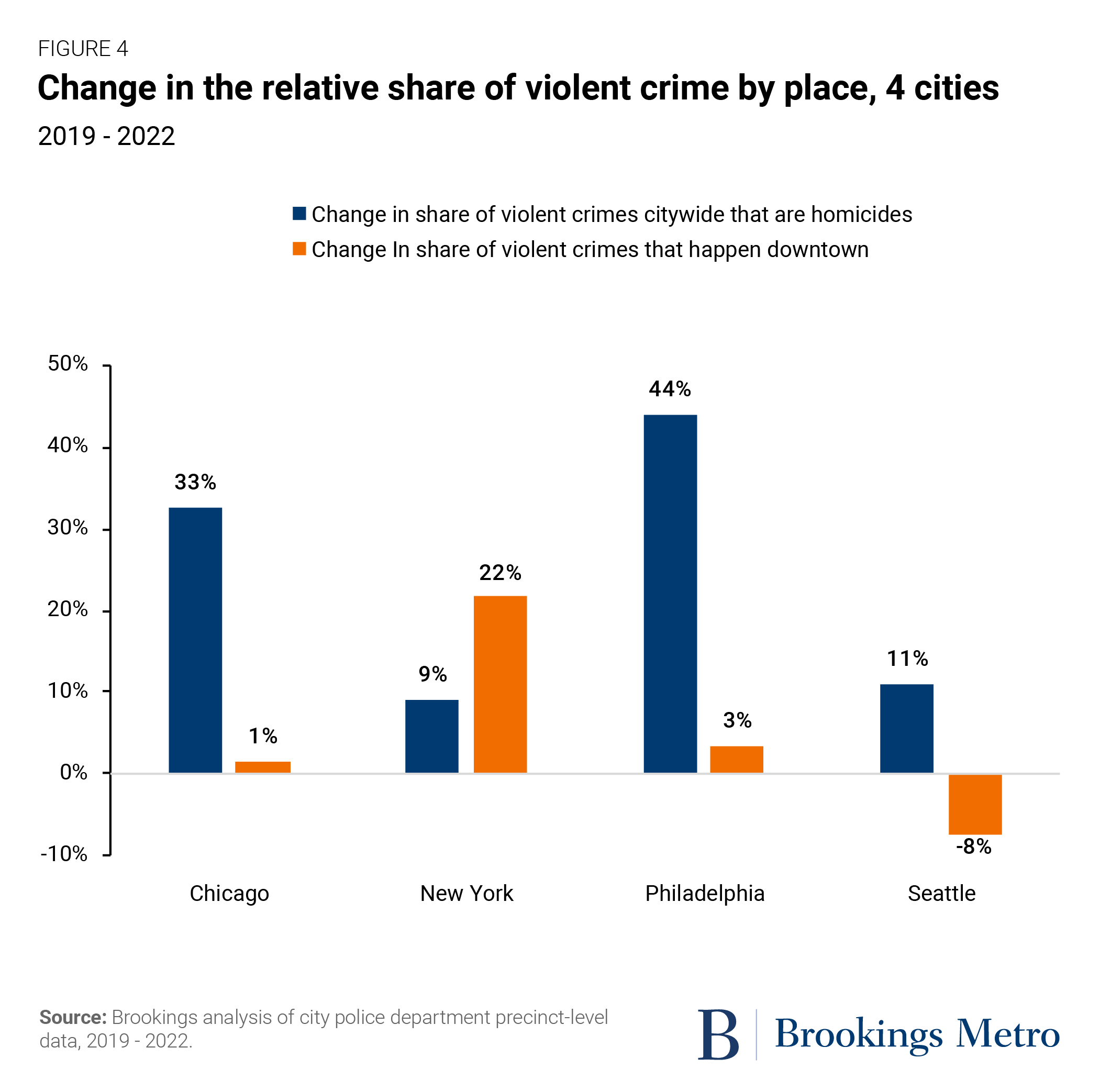
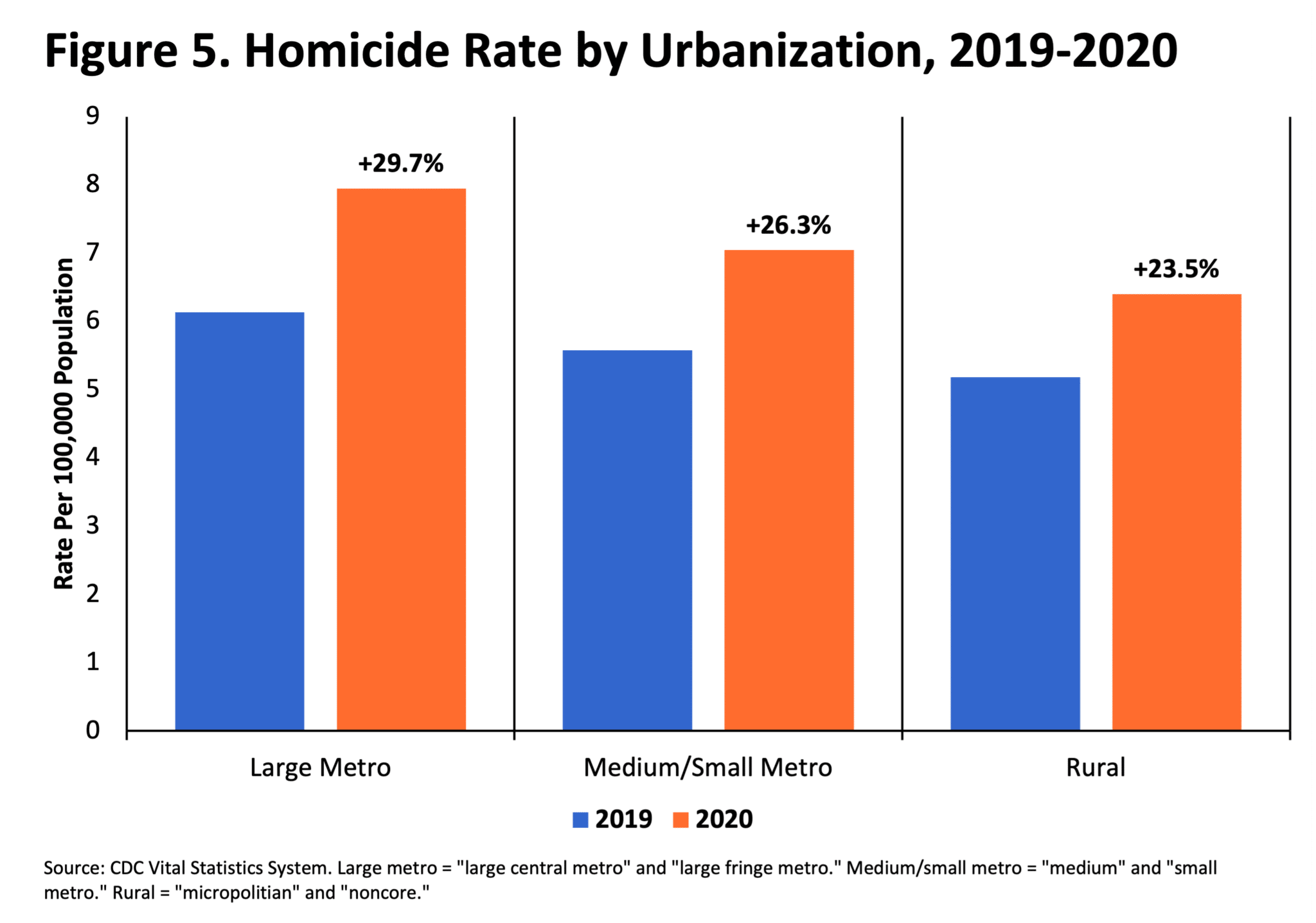
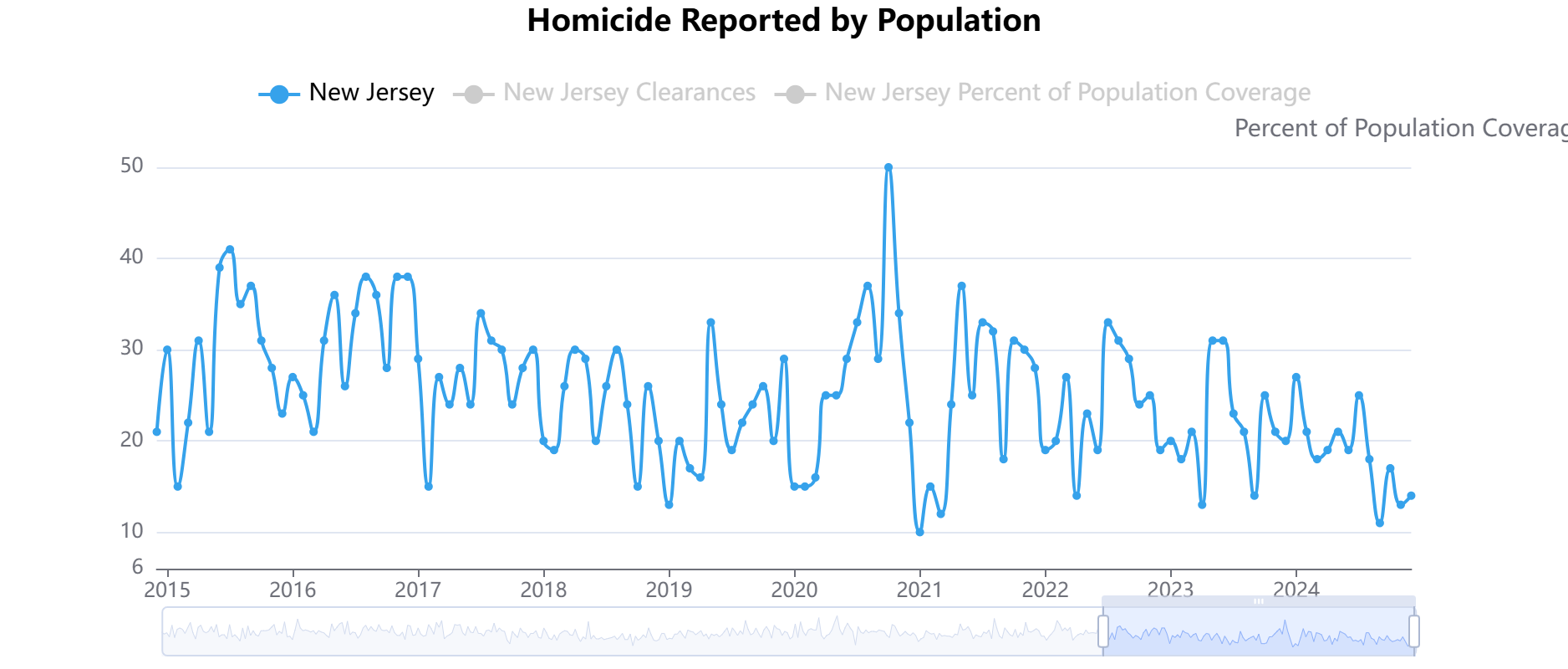
Over recent years, data compiled by the Newark Police Division and independent criminologists has shown localized fluctuations rather than uniform city-wide trajectories.
Homicide rates, historically a focal point of public concern in Newark, have experienced notable historical shifts.
Strategic interventions, such as the expansion of the Newark Community Street Team (NCST) and targeted federal-local task forces, have focused heavily on conflict mediation and gun violence reduction.
These programs operate on the premise that a significant portion of violent crime stems from cyclical retaliation and localized disputes, which can be interrupted through proactive intervention.
Aggravated assaults and armed robberies also heavily influence overall violent crime totals.
Law enforcement agencies utilize real-time data mapping to deploy resources to specific commercial corridors and residential blocks during peak hours.
Despite these measures, seasonal variations continue to influence violent crime data, with incidents historically ticking upward during warmer summer months when public foot traffic increases.
Analysis of Property Crime and Motor Vehicle Theft
While violent crime captures significant media attention, property crimes—particularly motor vehicle theft and catalytic converter thefts—directly impact a larger percentage of residents and commuters on a daily basis.
Property crime trends in Newark are closely tied to regional and national supply chain issues, enforcement gaps, and technological vulnerabilities in modern vehicles.
| Crime Category | Primary Contributing Factors | Preventive Measures | Impact Level |
|---|---|---|---|
| Motor Vehicle Theft | Key fob proximity vulnerabilities, unattended idling vehicles, organized theft rings. | Steering wheel locks, public awareness campaigns, localized patrols. | High volume, significant economic impact. |
| Residential Burglary | Unsecured entry points, vacant properties, target accessibility. | Improved residential lighting, home security systems, neighborhood watches. | Moderate, showing long-term decline. |
| Larceny-Theft | Opportunistic theft from vehicles, retail merchandise theft. | Parking enforcement, surveillance integration, business security audits. | High frequency across commercial districts. |
Motor vehicle theft has historically presented a persistent challenge for urban centers in the Northeast, and Newark is no exception.
The proliferation of push-to-start ignition systems and relay-attack vulnerabilities has shifted how vehicles are targeted.
In response, municipal authorities have partnered with state police agencies to disrupt shipping ports and chop shops where stolen vehicles are frequently processed for export or parts liquidation.
Residential burglaries, conversely, have generally trended downward over the past decade.
This reduction is widely attributed to increased adoption of private security technology, such as doorbell cameras and private smart-home surveillance systems, which act as deterrents and provide law enforcement with actionable investigative leads.
Technological Integration and Policing Strategies
Modernizing public safety infrastructure has been a cornerstone of Newark’s approach to managing crime trends.
The integration of technology into everyday policing allows for faster emergency response times and more efficient allocation of patrol units.
Key technological assets deployed across the city include:
- Closed-Circuit Television (CCTV) Networks: High-definition cameras positioned at strategic intersections and commercial zones, monitored in real-time by municipal dispatch centers.
- ShotSpotter Acoustic Detection: Audio sensor networks designed to detect and triangulate gunfire instantly, transmitting precise coordinates to police dispatchers before civilian calls are placed.
- Data-Driven CompStat Models: Regular analytical reviews where precinct commanders examine localized crime data to dynamically shift personnel and resources based on emerging hot spots.
While these technological tools provide operational advantages, they also prompt ongoing public discussions regarding civil liberties, data privacy, and the balance between automated surveillance and community trust.
Civil rights organizations frequently evaluate these deployments to ensure transparency and accountability in how municipal data is utilized and retained.
Community-Based Interventions and Social Infrastructure
Law enforcement alone does not drive reductions in urban crime.
Socioeconomic factors—such as educational attainment, youth employment opportunities, housing stability, and mental health resources—play a critical role in shaping long-term safety trends.
Newark has pioneered several non-enforcement public safety models.
The Office of Violence Prevention and Trauma Recovery focuses on treating violence as a public health crisis rather than exclusively a criminal justice issue.
This framework involves deploying trauma specialists, social workers, and violence interrupters to hospitals and neighborhoods immediately following critical incidents to prevent retaliatory cycles.
Furthermore, youth-centric programming, summer employment initiatives, and vocational training pipelines managed through municipal and non-profit partnerships aim to address the economic root causes of property and low-level offenses.
By stabilizing housing and increasing access to mental health services, the city seeks to build structural resilience against the conditions that frequently correlate with high crime rates.
Frequently Asked Questions
What are the main types of crime tracked in Newark?
Municipal and federal agencies primarily track index crimes, divided into violent crimes (homicide, rape, robbery, aggravated assault) and property crimes (burglary, larceny-theft, motor vehicle theft, and arson). These metrics provide the standardized baseline for evaluating urban safety.
How has motor vehicle theft been addressed in the city?
Law enforcement has utilized targeted task forces, increased patrols around transit hubs and residential areas, and public awareness campaigns urging residents to secure vehicles and avoid leaving key fobs inside. Collaboration with regional and state authorities also targets secondary markets for stolen cars.
What role do community programs play in reducing crime?
Non-enforcement initiatives, such as violence interruption programs and trauma-recovery services, treat chronic violence through a public health lens. These programs focus on conflict mediation, youth employment, and mental health support to address root causes.
Is technology replacing traditional police patrols in Newark?
No. Technology such as acoustic gunfire detection and automated surveillance networks serve as force multipliers to assist officers, but traditional patrol units, community policing initiatives, and investigative divisions remain core components of municipal safety operations.
Where can the public access official Newark crime statistics?
Official data is periodically published through municipal police reports, the New Jersey State Police Uniform Crime Reporting unit, and the FBI's national crime data explorer portals, offering transparent access to historical and current tracking metrics.
Next Steps for Residents and Business Owners
For individuals living, working, or investing in the city, staying informed requires consulting verified municipal data rather than relying solely on anecdotal reports or sensationalized media coverage.
Residents interested in local safety developments should participate in community precinct meetings, engage with local neighborhood associations, and utilize municipal channels to request security audits or access public safety resources.
By combining empirical data analysis with active community engagement, stakeholders can better understand the dynamic reality of public safety in Newark.
Image Gallery