Navigating Borders: A Comprehensive Border Crossing Snapshot of Countries Surrounding El Salvador
Border crossings involving El Salvador demand careful preparation, as travelers must navigate the specific legal frameworks, immigration procedures, and customs requirements shared with its neighbors, Guatemala and Honduras, while unde...
Border crossings involving El Salvador demand careful preparation, as travelers must navigate the specific legal frameworks, immigration procedures, and customs requirements shared with its neighbors, Guatemala and Honduras, while understanding regional agreements like the CA-4 visa accord.
Contents
Introduction to El Salvador’s Regional Geography and Border Dynamics
El Salvador stands as the smallest and most densely populated nation in Central America. Because it does not share a coastline along the Caribbean Sea and is bounded entirely by Guatemala to the west and north, Honduras to the northeast and east, and the Pacific Ocean to the south, land-based transit is vital for regional trade, tourism, and migration. Understanding the operational dynamics of countries surrounding El Salvador is essential for anyone planning a road trip, international bus journey, or commercial logistics run through the region.
The land borders of El Salvador function under a complex mix of national sovereignty and regional integration treaties. The most prominent of these agreements is the CA-4 (Control Migratorio Central America-4) treaty, originally signed in 2006 by Guatemala, Honduras, El Salvador, and Nicaragua. In theory, this agreement allows citizens of these four nations, as well as tourists entering any of the member states, to travel freely across internal borders without undergoing extensive secondary immigration checks, subject to certain exceptions. However, practical realities, vehicle importation rules, customs declarations, and local law enforcement checks mean that a proper snapshot of each neighboring country's border requirements remains indispensable for a smooth passage.
The CA-4 Agreement and Its Practical Application
The Central America-4 Free Mobility Agreement is the foundational legal mechanism governing cross-border movement between El Salvador, Guatemala, Honduras, and Nicaragua. For international travelers arriving from outside the region—such as citizens of the United States, Canada, the European Union, or the United Kingdom—the CA-4 agreement standardizes the initial tourist visa allocation.
How the CA-4 Visa Window Operates
When a traveler enters any of the four CA-4 countries, an immigration official typically stamps a maximum of 90 days of cumulative stay into the visitor's passport. This 90-day clock applies to the entire bloc, not to a single country.
- Cumulative Calculation: If a traveler spends 30 days in Guatemala, enters El Salvador for 20 days, and then crosses into Honduras, they have consumed 50 days of their total 90-day allowance.
- The Extension Process: Travelers wishing to stay longer than 90 days within the CA-4 zone must apply for a formal extension (prórroga de turismo) at a national immigration office (Dirección General de Migración y Extranjería) inside one of the member countries before the initial period expires, or exit the CA-4 bloc entirely for at least 72 hours before returning.
Important Caveats and Border Realities
While the theoretical framework of CA-4 promotes seamless movement, border officials retain the authority to request proof of onward travel, financial solvency, and hotel reservations. Furthermore, security crackdowns or targeted regional initiatives can prompt temporary suspensions or heightened scrutiny at specific land ports of entry. Travelers must never assume that crossing an internal CA-4 border is identical to passing through an electronic turnstile; border guards still inspect passports, record entry and exit data, and assess small municipal or municipal-adjacent crossing fees.
Guatemala: The Western and Northern Gateway
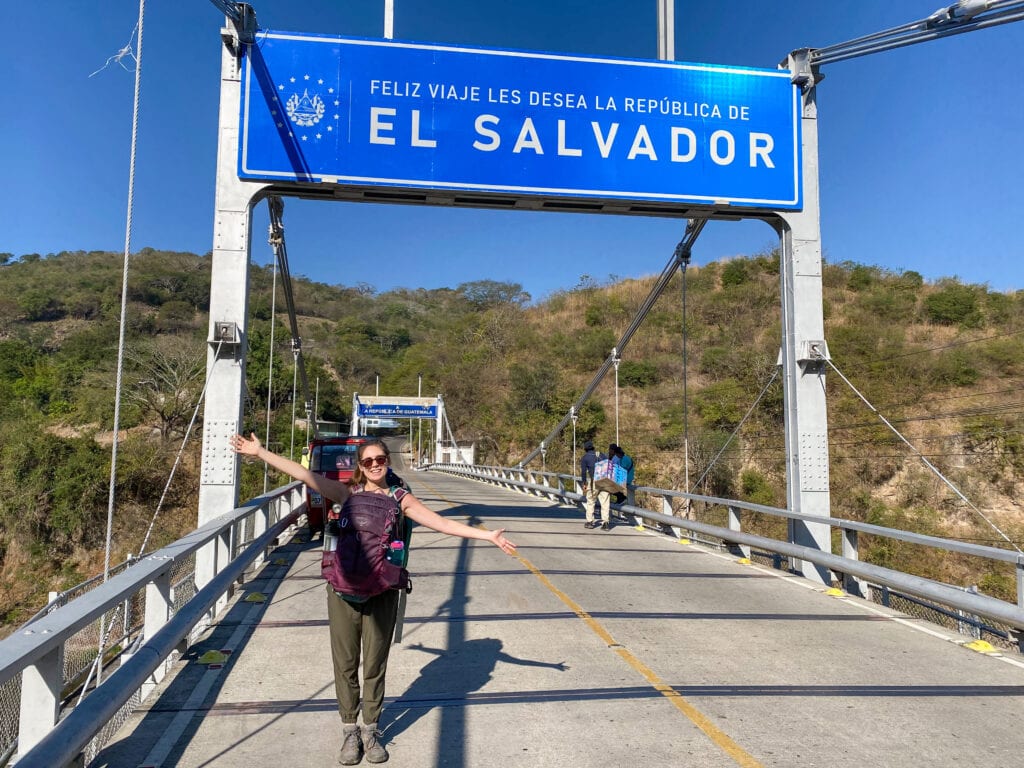
Guatemala shares a 203-kilometer land border with El Salvador, acting as the primary overland bridge between El Salvador and Mexico. It features several high-volume international ports of entry that handle heavy commercial freight, long-distance passenger coaches, and private vehicular traffic.
Key Ports of Entry Between El Salvador and Guatemala
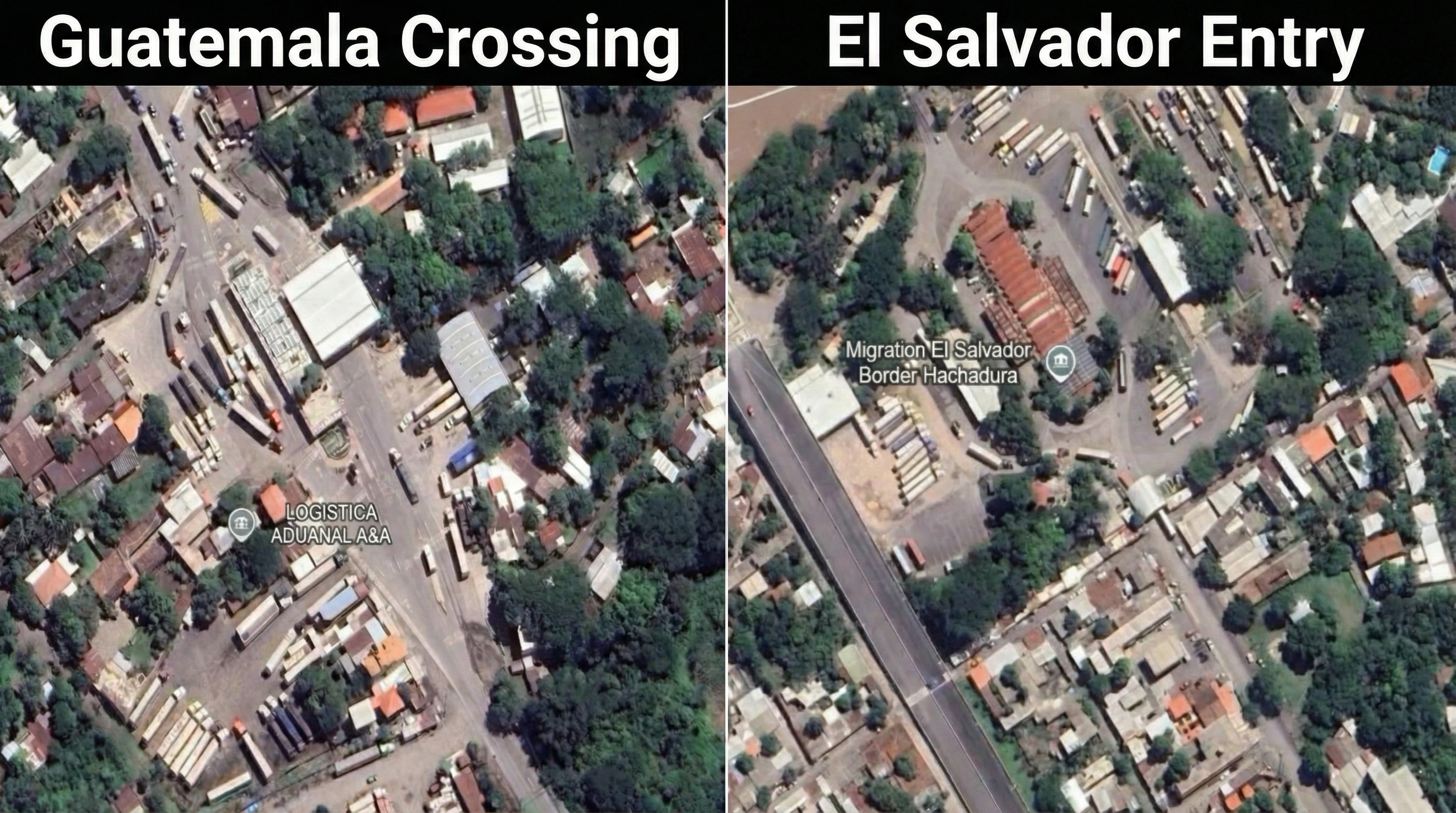
- La Hachadura / Pedro de Alvarado: Located in the southwestern department of Ahuachapán, this is one of the busiest commercial crossings. It connects El Salvador’s coastal highway directly to Guatemala's Pacific corridor, making it the preferred route for cargo trucks heading toward Mexico.
- San Cristóbal: Situated in the department of Santa Ana, this mountain pass links Santa Ana in El Salvador with the Guatemalan department of Jutiapa. It handles significant passenger bus traffic and private vehicles traveling toward Guatemala City.
- Las Chinamas / Valle Nuevo: Located north of Ahuachapán, this crossing provides an alternative route to the Guatemalan highlands and is often favored by tourists seeking less congested processing times compared to La Hachadura.
Entry Requirements and Vehicle Processing
For travelers entering Guatemala from El Salvador, immigration processing is typically straightforward under the CA-4 framework. However, motorists face strict requirements:
- Vehicle Import Permit: The driver must present the vehicle’s original registration title (tarjeta de circulación), a valid driver's license, and their passport.
- Temporary Importation Fee: Guatemala’s tax authority (SAT) charges a temporary importation fee for foreign-registered vehicles, alongside mandatory local third-party insurance (seguro de responsabilidad civil), which can usually be purchased at booths directly outside the border compound.
- Fumigation and Customs: Vehicles may be subjected to a brief agricultural fumigation spray to prevent the introduction of foreign pests, for which a nominal receipt is issued.
Honduras: The Eastern and Northeastern Frontier
Honduras shares a 342-kilometer border with El Salvador, winding through rugged terrain, agricultural valleys, and protected ecological zones. Crossing into Honduras requires familiarity with distinct bilateral arrangements, as well as specific documentation for drivers and pedestrians alike.
Key Ports of Entry Between El Salvador and Honduras
- El Poy: Located in the northern Salvadoran department of Chalatenango, this crossing links El Salvador with the Honduran department of Ocotepeque. It is a critical node for cargo moving toward San Pedro Sula and the Atlantic coast.
- El Amatillo: Positioned in the southeastern department of La Unión, El Amatillo is the primary southern gateway between El Salvador and Honduras. It sits along the Pan-American Highway and handles massive volumes of regional trade, passenger buses, and private vehicles heading toward Choluteca and Tegucigalpa.
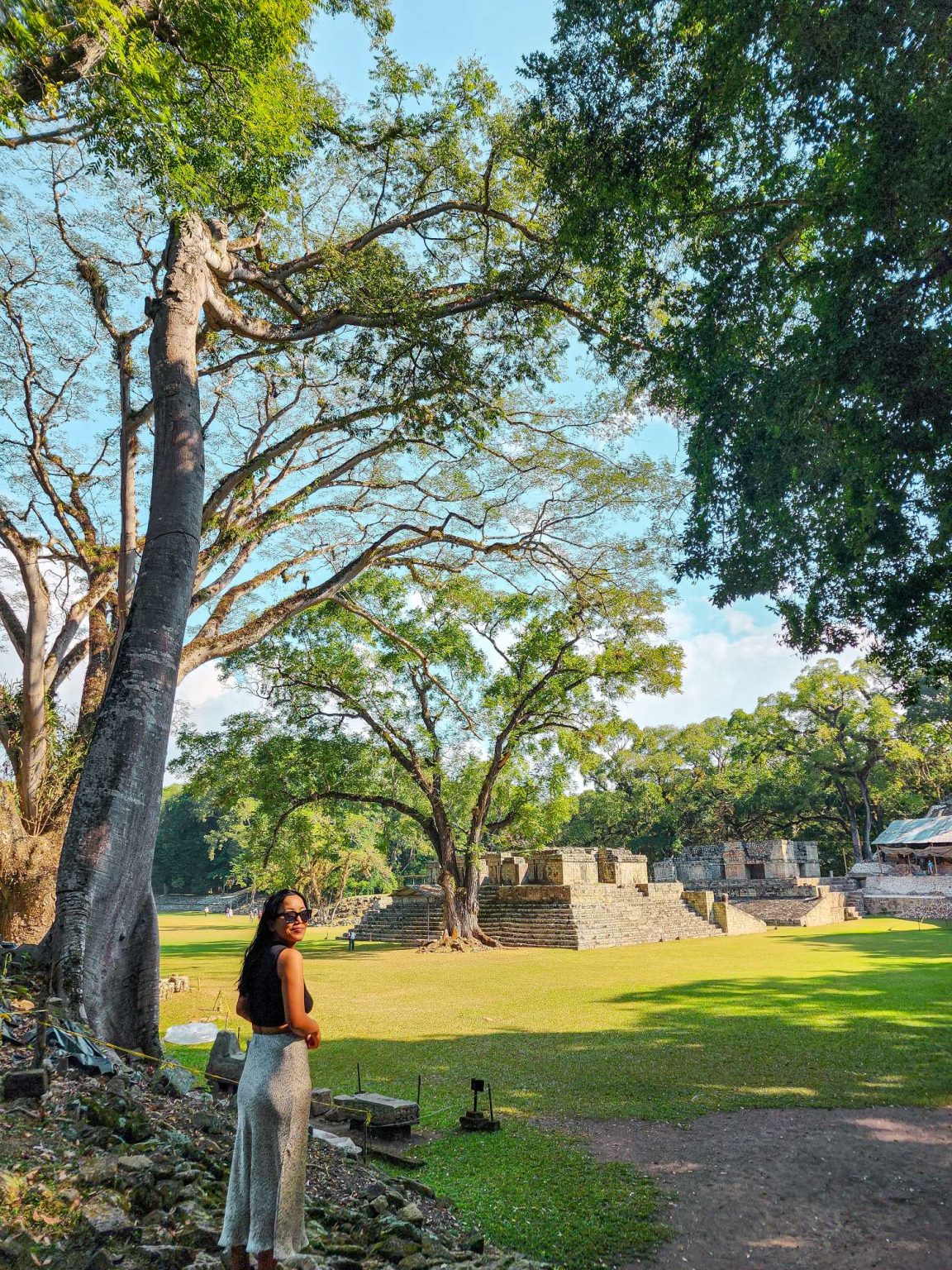
- Anguiatú: Located in the northwest of El Salvador near Metapán, this mountain crossing connects to the Honduran department of Copán, making it popular for tourists visiting the Copán Ruinas archaeological site.
Border Procedures and Documentation
Honduras enforces strict customs controls for non-commercial travelers crossing overland. While CA-4 provisions govern personal entry for eligible nationalities, vehicle transit demands precise administrative steps:
- The Permiso de Ingreso Temporal (PIT): Drivers must secure a temporary vehicle import permit from Honduran customs (ADUANAS). This requires the original vehicle title, passport, and proof of ownership. If the vehicle is rented, a notarized authorization letter from the rental agency permitting cross-border travel into Honduras is strictly mandatory.
- Municipal and Handling Fees: Travelers should anticipate small administrative fees processed at bank windows located within the border complex. Cash in local currency (Honduran Lempiras or US Dollars) is often required for these minor payments, as credit card terminals can be unreliable or subject to connectivity outages.
Comparative Snapshot of El Salvador’s Land Borders
| Border Feature | Guatemala (West/North) | Honduras (East/Northeast) |
|---|---|---|
| Total Shared Border Length | Approx. 203 kilometers | Approx. 342 kilometers |
| Major Crossings | La Hachadura, San Cristóbal, Las Chinamas | El Amatillo, El Poy, Anguiatú |
| Primary Economic Focus | Pacific trade corridor, tourism from Mexico | Inter-oceanic freight, Atlantic trade access |
| Vehicle Documentation | Original title, local insurance, SAT permit | Original title, rental authorization (if applicable), PIT |
| CA-4 Applicability | Fully applicable for immigration entry | Fully applicable for immigration entry |
Practical Checklist for a Smooth Border Crossing
Successfully traversing El Salvador's borders requires careful organization of physical documents, digital backups, and financial resources. Experienced regional travelers adhere to a strict checklist to avoid administrative delays, vehicle confiscation, or missed connections.
1. Document Preparation
- Valid Passports: Ensure passports have a minimum of six months of validity remaining from the date of entry, along with at least two blank pages for stamps.
- Physical and Digital Copies: Keep color photocopies of the passport identification page, current entry stamps, and vehicle permits stored separately from originals. Maintaining secure cloud-backed digital scans is also strongly recommended.
- Rental Car Authorization: If driving a rented vehicle, verify that the rental company explicitly permits cross-border travel to Guatemala and Honduras and provides the required border crossing authorization letter (carta de salida) and regional insurance coverage.
2. Financial Readiness
- Cash Availability: While El Salvador uses the US Dollar as official legal tender, Guatemala uses the Quetzal (GTQ) and Honduras uses the Lempira (HNL). Border facilities feature currency exchange booths (coyotes or official changers), but carrying a modest reserve of US Dollars in small denominations (bills in pristine condition, free of tears or markings) ensures the ability to pay municipal fees, parking attendants, and third-party insurance without accepting unfavorable exchange rates.
- ATMs and Banking: Do not rely on finding fully functioning ATMs directly inside land border compounds. Secure local currency or withdrawal capabilities before arriving at the frontier.
3. Health and Safety Precautions
- Vaccination and Sanitary Rules: Check current public health guidelines regarding routine immunizations (such as tetanus and hepatitis A) and vector-borne illness prevention.
- Timing Your Crossing: Arrive at major borders early in the morning (between 6:00 AM and 8:00 AM) to avoid peak commercial freight congestion and multi-hour delays caused by shift changes among customs and immigration officers.
Frequently Asked Questions
Does crossing from El Salvador into Honduras or Guatemala reset my 90-day tourist visa?
No. Because El Salvador, Guatemala, and Honduras are signatories to the CA-4 agreement, the 90-day tourist stay is cumulative across all four member nations (including Nicaragua). Simply crossing an internal land border does not restart your 90-day window. To reset the clock, you must leave the entire CA-4 region for a minimum of 72 hours.
Can I drive a rental car from El Salvador across the border into Honduras?
Yes, but only if you have explicit, written authorization from your car rental agency. Most Salvadoran rental companies require advance notice to issue a regional crossing permit and mandatory international insurance coverage. Unapproved cross-border driving violates rental agreements and can lead to vehicle impoundment at the border.
What fees should I expect to pay at Salvadoran land borders?
While El Salvador does not charge an exit tax for tourists leaving the country via land borders, neighboring countries charge minor processing fees, agricultural inspection fees, and mandatory vehicle insurance or temporary importation fees. These fees typically range from $10 to $40 USD depending on the vehicle type and destination country.
Are credit cards accepted for paying border customs and immigration fees?
While some modernized border posts accept electronic card payments for specific national taxes or customs duties, cash remains the primary and most reliable medium of exchange at land crossings. Technical failures, power outages, and system maintenance frequently disable card machines at remote frontier posts.
Is it safe to cross El Salvador’s land borders independently?
Major land borders such as El Amatillo, San Cristóbal, and La Hachadura are heavily policed and handle thousands of travelers daily. However, travelers should remain vigilant against petty theft, unauthorized individuals offering paid assistance with customs paperwork (tramitadores), and unverified money changers. Always deal directly with uniformed officials inside official government offices.
Next Actions and Recommendations
For travelers planning an overland journey involving El Salvador and its neighbors, begin by auditing your passport validity and confirming that any vehicle documentation is up to date. Check current regional security advisories and verify whether any temporary sanitary or customs updates have been issued by the Dirección General de Migración y Extranjería of El Salvador or equivalent agencies in Guatemala and Honduras. By preparing physical paperwork in advance and arriving early at the border, you can ensure an efficient, legally compliant transition across Central America's dynamic frontiers.
Image Gallery