Understanding PPI Insurance for a Loan: What It Is, How It Works, and Your Rights
Payment Protection Insurance (PPI) for a loan was designed to cover borrower repayments during unexpected life events like unemployment, illness, or disability, but widespread mis-selling led to strict regulations, historical multi-bil...
Payment Protection Insurance (PPI) for a loan was designed to cover borrower repayments during unexpected life events like unemployment, illness, or disability, but widespread mis-selling led to strict regulations, historical multi-billion-pound compensation claims, and tighter modern financial conduct standards worldwide.
Contents
What Is PPI Insurance for a Loan?
Payment Protection Insurance is an optional or historically bundled policy sold alongside financial products such as personal loans, credit cards, and mortgages. The core purpose of PPI insurance for a loan is to protect the borrower's ability to make monthly repayments if an unforeseen circumstance disrupts their regular income. These circumstances typically include involuntary job loss, temporary or permanent disability, critical illness, or death.
While the fundamental concept of credit insurance appears sound—providing a safety net for debtors—the product became notoriously controversial. Lenders frequently bundled PPI into loan agreements automatically without the borrower's explicit knowledge, or they sold policies to customers who were completely ineligible to claim due to being self-employed, retired, or working part-time. Understanding how these policies operate requires examining both their intended protective function and their historical commercial abuses.
How PPI Insurance Was Historically Sold and Structured
During the peak of its popularity in the late 1990s and 2000s, PPI was aggressively marketed by major retail banks, building societies, and finance companies. Lenders often presented PPI as a mandatory requirement for securing a competitive interest rate or getting loan approval, even though tying insurance to credit was heavily restricted or prohibited under various consumer credit acts.
When a consumer took out a loan, the entire cost of the PPI policy for the duration of the loan term was often added upfront to the principal borrowing amount. The lender then charged standard loan interest on this insurance premium. This practice significantly inflated the total cost of borrowing, generating massive commission profits for financial institutions while offering minimal or zero value to policyholders who faced steep hurdles when attempting to file a claim.
The Mis-Selling Scandal and Regulatory Crackdown
The widespread distribution practices surrounding PPI triggered one of the largest consumer financial scandals in banking history. Regulatory bodies, such as the Financial Conduct Authority (FCA) in the United Kingdom and equivalent consumer protection agencies globally, intervened to address systemic abuses.
Key issues that defined the mis-selling scandal included:
- Tied Selling: Telling customers that insurance was compulsory to obtain the loan.
- Lack of Disclosure: Failing to inform borrowers about the massive commission rates (often exceeding 70% to 80%) added to the policy cost.
- Unsuitability: Selling policies to individuals who were self-employed, unemployed, or retired and thus structurally excluded from ever receiving a payout.
- Undisclosed Add-ons: Automatically ticking boxes on application forms without explicit customer consent.
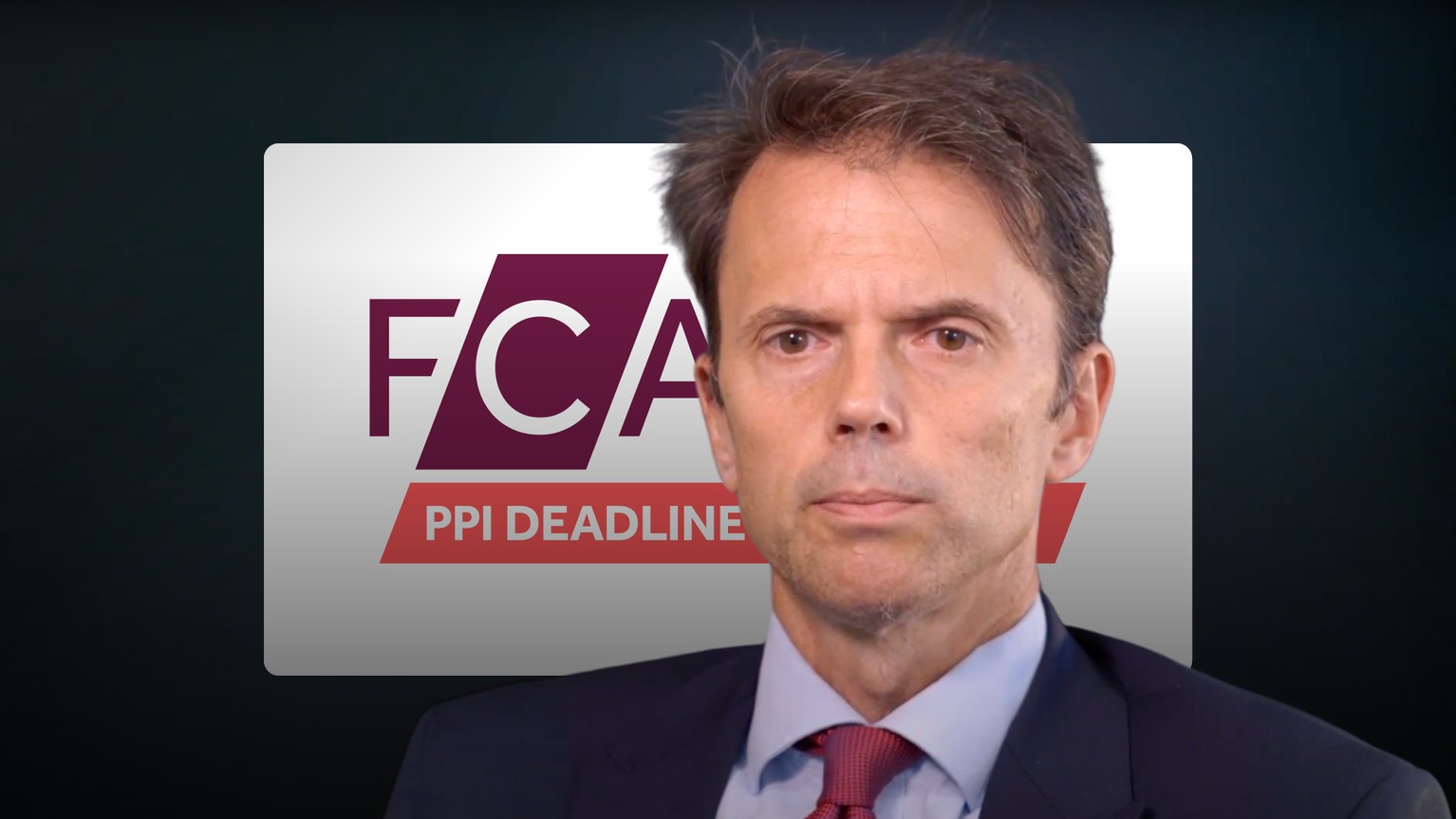
Following landmark court rulings and regulatory deadlines—such as the UK FCA's August 2019 deadline for filing claims—billions of pounds in compensation were successfully reclaimed by affected consumers who had PPI attached to their loans without proper transparency or consent.
Comparison of Loan Protection Types
To understand how traditional PPI compares to other forms of credit protection, consider the following distinctions regarding coverage, cost structure, and terms.
| Protection Type | Primary Purpose | Standard Coverage Triggers | Commission and Cost Structure | Eligibility Restrictions |
|---|---|---|---|---|
| Traditional PPI | Loan repayment cover | Accident, sickness, unemployment | High upfront premiums added to loan principal with high commissions | Often excluded self-employed, retired, or pre-existing conditions |
| Short-Term Income Protection (STIP) | General living and debt costs | Accident, sickness, unemployment | Monthly recurring premiums; standalone policies | Clear employment status checks; pre-existing condition exclusions |
| Critical Illness Cover | Lump-sum debt payoff | Diagnosis of specified serious illnesses | Level or decreasing term premiums | Subject to strict medical underwriting |
| Credit Life Insurance | Pay off remaining debt upon death | Death, sometimes terminal illness | Single or monthly premium based on loan size | Age limits and basic health questionnaires |
Current Status of PPI in Modern Lending
Today, traditional standalone PPI for a loan is largely obsolete in major consumer credit markets due to stringent regulatory enforcement, severe penalties for non-compliance, and reputational damage to financial institutions. Modern lending practices emphasize transparent pricing, unbundled optional extras, and explicit consumer opt-in mechanisms.
If modern lenders offer any form of loan protection today, it is typically categorized under strictly regulated headings such as Loan Accident, Sickness, and Unemployment (ASU) insurance. These contemporary products feature clear exclusion clauses, independent pricing separated from the primary loan principal, and strict affordability assessments to ensure the borrower genuinely benefits from the coverage.
Frequently Asked Questions
Can I still buy traditional PPI insurance for a new loan?
No. Traditional PPI as it existed in the 2000s is no longer sold by reputable, regulated lenders due to strict consumer protection laws prohibiting aggressive bundling, hidden commissions, and unfair sales practices. Modern alternatives like standalone income protection or ASU policies exist, but they are subject to rigorous transparency and suitability checks.
Can I still claim compensation for a mis-sold loan PPI policy?
In many jurisdictions, formal regulatory deadlines for PPI complaints have passed. For instance, the UK FCA deadline closed on August 29, 2019. However, consumers should check local regulatory guidelines or consult qualified legal professionals regarding exceptional circumstances, such as persistent credit broker non-disclosure or ongoing legal disputes.
How can I check if I had PPI on an old loan?
You can review historical loan agreements, bank statements, or credit reports for references to insurance premiums, monthly protection fees, or single premium loan additions. If records are missing, you can submit a Subject Access Request (SAR) to your historical lender to obtain archived transaction and account histories.
What are the alternatives to loan protection insurance?
Instead of purchasing specialized credit insurance, many financial experts recommend maintaining an emergency savings fund covering three to six months of essential expenses. Other alternatives include standalone term life insurance, critical illness policies, or short-term income protection acquired through independent brokers rather than bundled with lenders.
Next Steps for Borrowers
When evaluating modern loans, focus strictly on the Annual Percentage Rate (APR), total cost of credit, and your personal capacity to service monthly repayments through an emergency savings buffer. Avoid any lender attempting to bundle hidden insurance products into your borrowing agreement, and verify all line items before signing any credit contract.
Image Gallery