Why the Crime Scene Photos of the Las Vegas Shooting Matter
The crime scene photos of the Las Vegas shooting matter because they provide an empirical, unvarnished record of the 2017 mass casualty event at the Route 91 Harvest music festival, serving as essential evidence for forensic analysis,...
The crime scene photos of the Las Vegas shooting matter because they provide an empirical, unvarnished record of the 2017 mass casualty event at the Route 91 Harvest music festival, serving as essential evidence for forensic analysis, public accountability, historical documentation, and institutional safety reforms.
Contents
Introduction and Context of the Release
The October 1, 2017, mass shooting at the Route 91 Harvest music festival in Las Vegas, Nevada, stands as the deadliest mass shooting by a lone gunman in modern United States history. Stephen Paddock fired into a crowd of 22,000 concertgoers from the 32nd floor of the Mandalay Bay Resort and Casino, resulting in 58 direct fatalities and hundreds of injuries. In the wake of such a catastrophic event, the demand for transparency, accountability, and exhaustive investigation generated intense public and media pressure for the release of primary investigative materials.
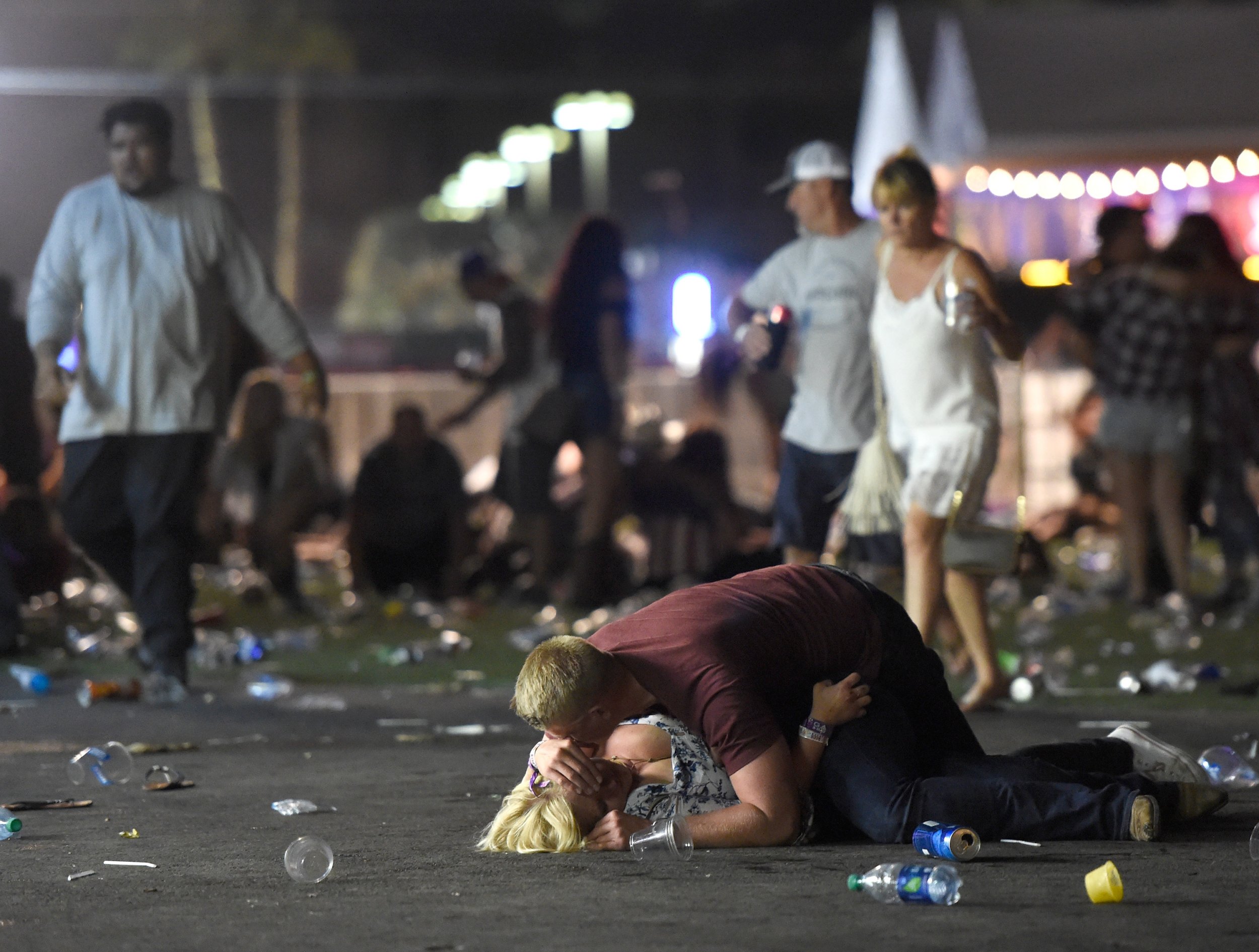
The crime scene photographs—captured by the Las Vegas Metropolitan Police Department (LVMPD), the Federal Bureau of Investigation (FBI), and other responding agencies—were not released all at once. Instead, they emerged over several years through public records requests, media lawsuits under state freedom of information laws, and official investigative report publications. These images matter because they transition the narrative from speculation and generalized reporting to verifiable physical evidence. They document the perpetrator’s tactical setup, the devastation inside Room 135 on the 32nd floor, and the chaotic realities faced by first responders on the festival grounds.
Forensic Documentation and Ballistic Reconstruction
At its core, a crime scene photograph serves as a permanent, immutable record of physical evidence in its original state before any alteration, collection, or disturbance occurs. For forensic investigators and ballistic experts, the images of the Mandalay Bay hotel suite and the concert venue are critical tools for understanding the mechanics of the attack.
The photographs reveal the precise positioning of Paddock’s arsenal, including multiple semi-automatic rifles equipped with bump fire stocks, thousands of rounds of ammunition, and tactical gear positioned near broken windows. By analyzing these images alongside trajectory data, forensic teams could map out:
- Line of Sight and Elevation: Confirming how the perpetrator’s height and angle relative to the open-air venue maximized lethality across the dense crowd.
- Weapon Management: Documenting how firearms were staged across multiple tables and tripod mounts to facilitate rapid switching and sustained fire without catastrophic overheating jams.
- Breaching Operations: Capturing the physical state of the hotel room door after law enforcement used explosive breaching charges, providing data on tactical entry dynamics during active shooter protocols.
Without these visual records, reconstructing the exact timeline and physical layout of the shooter's staging area would rely solely on written logs and secondary testimony, which lack the spatial fidelity required for precise forensic validation.
Institutional Accountability and Law Enforcement Review
The release of crime scene and tactical intervention photos plays a vital role in independent oversight and institutional critique. Major critical incidents prompt exhaustive after-action reports to evaluate law enforcement, emergency medical services, and private security responses.
Independent reviews, such as the comprehensive study conducted by the CNA Corporation for the LVMPD, utilized photographic evidence to evaluate tactical timelines, command decisions, and coordination among multi-agency responders. The images help investigators address difficult operational questions:
- How long did it take for tactical teams to identify the source of gunfire within a massive high-rise hotel complex?
- How did hotel surveillance systems integrate with police communications during the initial minutes of the attack?
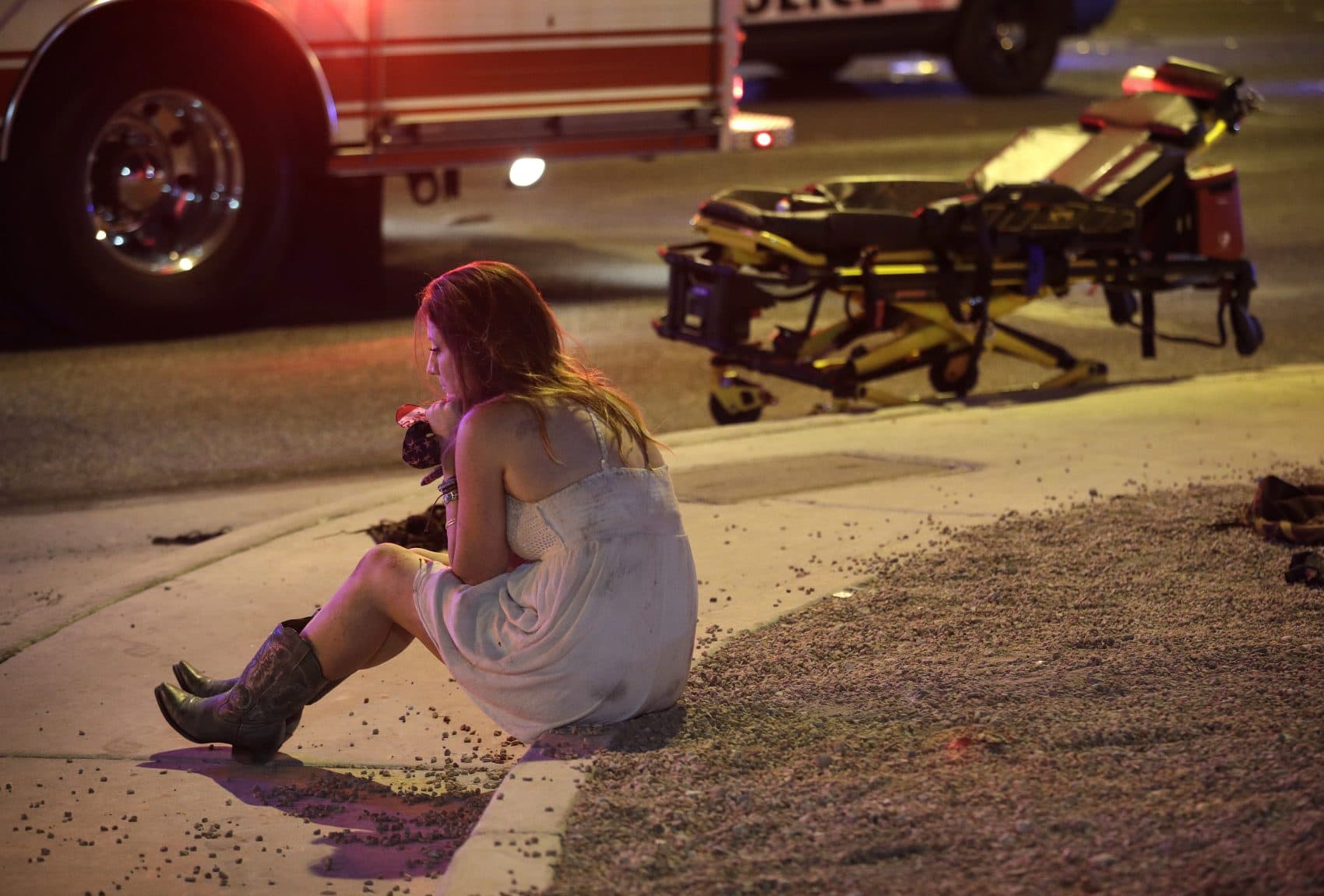
- What challenges did paramedics face when establishing triage zones amidst active, long-range gunfire?
Reviewing these images allows public safety agencies to identify systemic vulnerabilities, refine active shooter response playbooks, and update training paradigms for high-rise sniper scenarios. Transparency via photographic evidence ensures that investigative findings can be cross-examined by independent security experts and the broader public, reinforcing institutional trust.
Historical Preservation and the Prevention of Misinformation
In an era defined by digital media consumption, high-profile tragedies frequently attract conspiracy theories, denialism, and manipulated media narratives. The systematic release of official investigative files, including crime scene photography, acts as an empirical anchor against revisionist claims.
Documenting the physical reality of the event preserves an unalterable historical record. When official reports are accompanied by primary source imagery:
- Conspiracy Debunking: Claims regarding multiple shooters, staged casualties, or fabricated timelines can be rigorously evaluated against forensic proof recovered from the scene.
- Archival Integrity: Museums, academic institutions, and journalists rely on verified primary documentation to educate future generations about the realities of modern mass violence.
- Public Record Standards: Adhering to open-records laws ensures that government agencies cannot selectively withhold documentation, maintaining public oversight over law enforcement investigations.
| Category | Primary Focus of Documentation | Significance to Investigation |
|---|---|---|
| Hotel Suite (Room 135) | Weapon staging, ammunition distribution, tactical gear, broken windows | Establishes the shooter's preparation, technical setup, and ballistic methodology. |
| Concert Grounds | Abandoned property, structural cover, initial triage zones | Illustrates the spatial chaos, crowd density, and environmental hazards faced by victims. |
| Breach Points | Door frames, hallway indicators, explosive charge placements | Evaluates tactical entry speed, breaching efficiency, and dynamic room clearance. |
Ethical Considerations, Privacy, and Public Impact
While the evidentiary and historical value of crime scene photos is clear, their publication and public consumption introduce profound ethical dilemmas. Balancing the public's right to know with the dignity of victims and the psychological well-being of survivors requires rigorous editorial and legal boundaries.
The most sensitive images—particularly those depicting deceased victims or graphic bodily trauma—are typically withheld from general public release or heavily redacted. Law enforcement agencies and courts must navigate state privacy statutes and consult with victims' advocacy groups before releasing sensitive materials. Unfiltered exposure to graphic crime scene imagery can cause secondary trauma for survivors, grieving families members, and the wider community.
Therefore, the dissemination of these photos is governed by specific legal standards:
- Public Records Balancing Tests: Many state laws require agencies to weigh the public interest in disclosure against the right to personal privacy and emotional protection for victims' families.
- Redaction Protocols: Investigators blur or crop graphic details while preserving the structural and ballistic data necessary for public accountability.
- Media Ethics: Responsible journalism organizations apply strict internal guidelines regarding whether and how to display graphic crime scene assets, prioritizing context and educational value over sensationalism.
Frequently Asked Questions
Why were the Las Vegas crime scene photos released over a period of several years?
The photos were not released all at once because active federal and local investigations remained ongoing, and law enforcement agencies withheld records to protect investigative integrity. Subsequent releases occurred incrementally as a result of public records requests, media lawsuits under Nevada public records law, and the conclusion of specific phases of the criminal and civil investigations.
Do the crime scene photos show victims' bodies?
Out of respect for the victims and their families, law enforcement and media outlets generally withhold or heavily redact images depicting deceased individuals or severe graphic trauma. The publicly available photographs primarily focus on the shooter's tactical setup, the physical interior of the Mandalay Bay suite, structural damage, and abandoned property at the festival grounds.
How do forensic investigators use hotel room photos in mass shooting cases?
Investigators use hotel room photos to conduct spatial mapping, trajectory analysis, and ballistic correlation. By documenting the exact location of casings, weapon mounts, and structural impacts, experts can reconstruct the shooter's movements, rate of fire, and physical interaction with the environment during the attack.
Are all crime scene photos from the Mandalay Bay shooting publicly accessible?
No. While many investigative files, body-worn camera footage, and scene photographs have been made public through freedom of information lawsuits, certain sensitive materials remain sealed to protect ongoing security protocols, active investigative techniques, and the privacy rights of victims and their families.
Conclusion and Next Actions
The crime scene photos of the Las Vegas shooting are far more than morbid artifacts; they are foundational pillars of forensic evidence, historical documentation, and institutional accountability. They allow experts to dissect the mechanics of a tragedy, enable law enforcement agencies to refine active shooter doctrines, and provide an empirical defense against misinformation. For researchers, journalists, and public safety professionals examining modern security challenges, approaching these records requires balancing rigorous analytical scrutiny with profound respect for the victims and community impacted by the event.
Image Gallery