The Rise of Ethical Political Practices: Frameworks, Transparency, and Governance Standards
The rise of ethical political practices refers to the global shift toward institutionalizing transparency, accountability, and integrity within democratic governance. Driven by statutory campaign finance limits, digital lobbying regist...
The rise of ethical political practices refers to the global shift toward institutionalizing transparency, accountability, and integrity within democratic governance. Driven by statutory campaign finance limits, digital lobbying registries, conflict-of-interest disclosures, and independent oversight bodies, modern political ethics moves governance from voluntary moral guidelines to legally enforceable compliance standards across local, national, and international institutions.
Contents
Defining Ethical Political Practices in Modern Governance
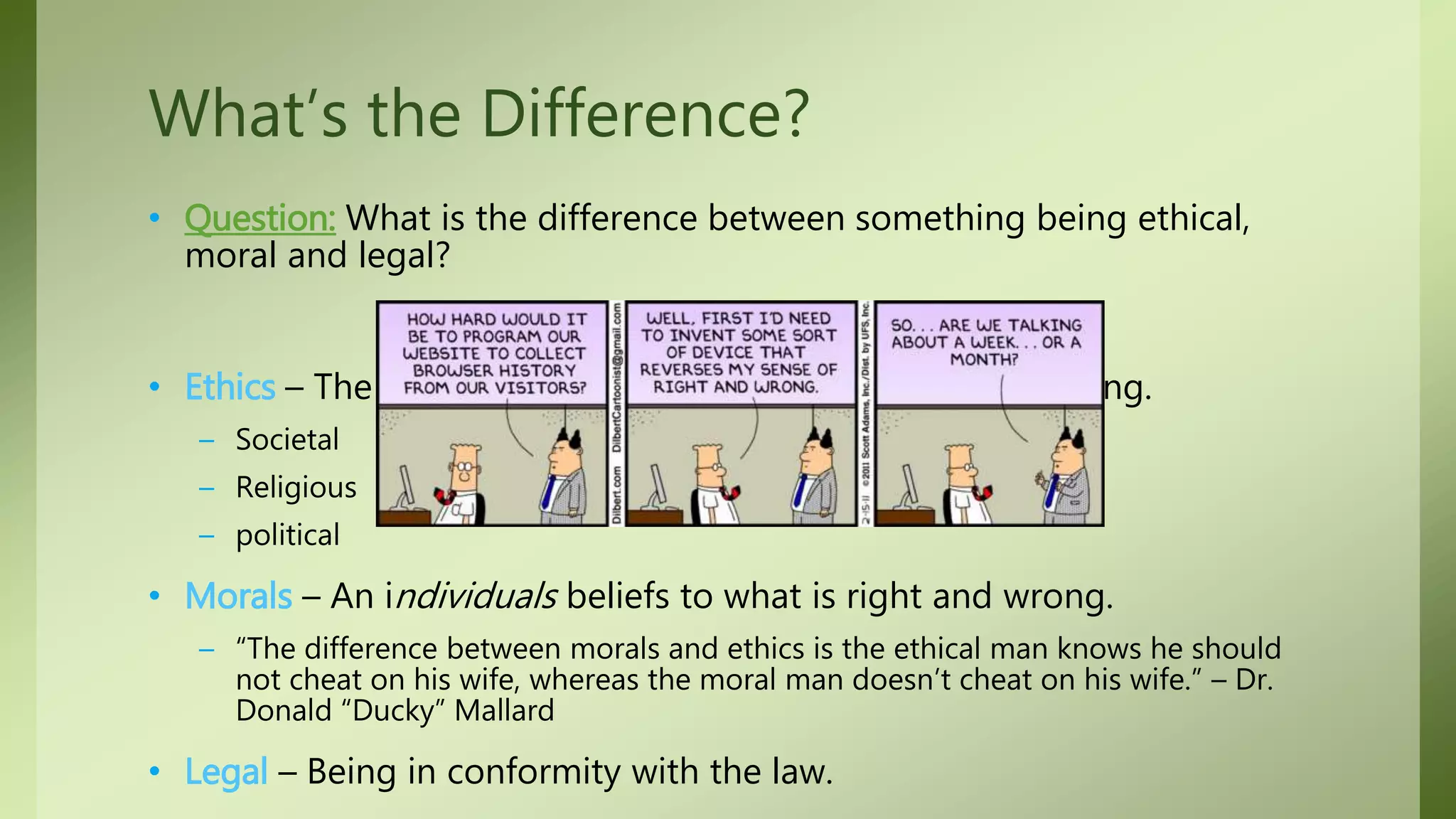
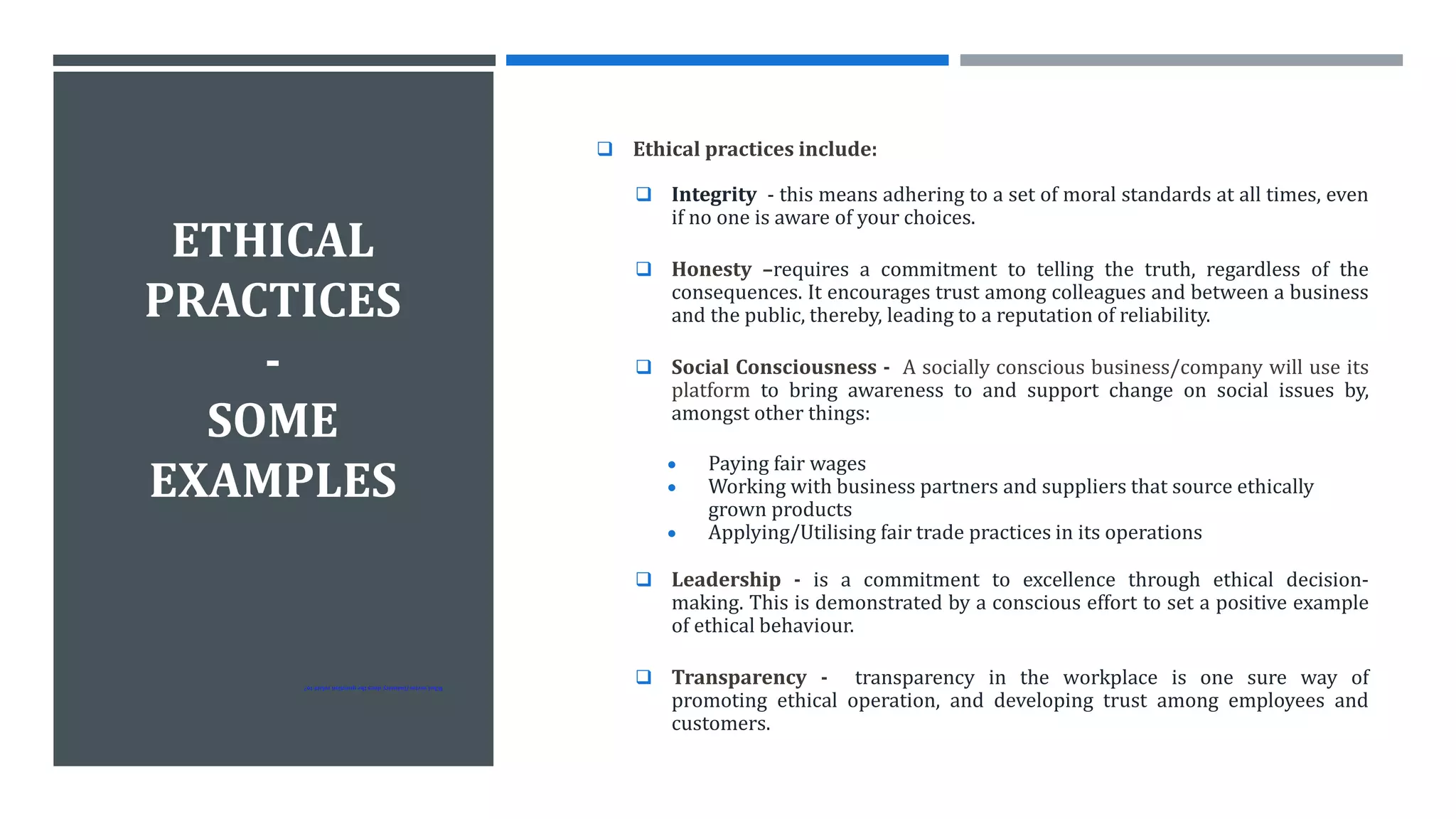
Historically, political ethics relied on unwritten norms, conventional decorum, and personal honor codes among public officials. In modern statecraft, however, ethical political practice is defined by concrete administrative mechanisms, statutory mandates, and verifiable compliance standards. It encompasses the structured rules governing how political campaigns are financed, how public officials manage private assets, how legislative lobbying is recorded, and how public resources are allocated.
This structural evolution reflects a fundamental redefinition of political integrity. Rather than viewing ethical behavior as an individual virtue, policy experts, legal scholars, and public administration professionals treat integrity as an operational framework. The objective is to design political systems where opportunities for corruption, undue influence, and systemic bias are minimized by technical design.
Core components of contemporary ethical governance include:
- Financial Transparency: Mandatory, periodic public disclosure of income, liabilities, assets, business affiliations, and external funding sources for elected officials and senior civil servants.
- Lobbying Accountability: Formal registration requirements, statutory reporting of contacts between advocate groups and policy makers, and strict limits on gifts or indirect compensation.
- Post-Employment Restrictions: Statutory "cooling-off" periods that prevent public officials from immediately entering private-sector advocacy roles related to their regulatory oversight areas (mitigating the "revolving door" phenomenon).
- Electoral Integrity: Regulatory oversight of campaign contributions, limits on anonymous third-party expenditures ("dark money"), and strict auditing of election advertising transparently across broadcast and digital channels.
- Whistleblower Protection: Legal shields and confidential reporting pathways that protect civil servants and political staff who expose misconduct, fraud, or constitutional violations.
Key Drivers Behind the Institutional Shift
The momentum behind ethical political reform stems from converging social, technological, and economic pressures. Public trust in traditional democratic institutions has experienced sustained strain over recent decades. In response, governments and international organizations have recognized that maintaining legislative legitimacy requires transparent institutional safeguards.
- Civil Society & Public Demand
- International Integrity Standards (OECD, UNODC, GRECO Benchmarks)
- Statutory Reform & Open Data
- Modern Ethical Infrastructure & Oversight
1. The Proliferation of Digital Accountability
Digital communications and open-data initiatives have altered public oversight. Leaks, open-access databases, and real-time public records have made non-compliance dramatically easier to detect and publicize. Investigative journalism networks, utilizing data analytics, regularly cross-reference flight logs, corporate registry records, and campaign contribution filings to expose systemic conflicts of interest. Consequently, governments face immediate pressure to adopt proactive transparency measures rather than reactive damage control.
2. Standardization of International Integrity Benchmarks
Multilateral organizations have established standardized criteria for public-sector integrity. The OECD Public Integrity Indicators provide governments with empirical benchmarks to measure anti-corruption mechanisms, lobbying regulations, and conflict-of-interest policies. Similarly, the United Nations Convention against Corruption (UNODC) binds signatory states to implement specific legal frameworks preventing public-sector malfeasance. National policy is increasingly evaluated against these global compliance standards.
3. Economic and Foreign Investment Considerations
Institutional integrity is directly linked to sovereign risk assessments and foreign direct investment. Sovereign wealth funds, development banks, and multinational corporations assess corruption risks when allocating capital. States that maintain clear legal rules regarding government procurement transparency, civil service neutrality, and anti-bribery enforcement present lower regulatory risks, incentivizing governments to strengthen their political compliance frameworks.
Core Pillars of Modern Political Ethics Systems
To understand how ethical political practices operate, it is essential to analyze the structural mechanisms that enforce accountability across different branches of government.
| Integrity Pillar | Primary Regulatory Objective | Key Enforcement Mechanism | Implementation Challenge |
|---|---|---|---|
| Campaign Finance Regulation | Prevent real or perceived corruption from financial contributions | Real-time contribution tracking, contribution caps, public funding matching | Third-party independent expenditure networks and shell-company donations |
| Lobbyist Registries | Make legislative influence transparent to the electorate | Mandatory registration, meeting logs, expenditure disclosures | Distinguishing formal lobbying from informal political advocacy |
| Asset and Interest Disclosures | Prevent personal enrichment via legislative or regulatory action | Blind trusts, mandatory annual filings, real estate asset tracking | Complex offshore corporate structures and beneficial ownership concealment |
| Post-Employment ("Revolving Door") Safeguards | Prevent regulatory capture and improper access trade | Statutory cooling-off periods (12 to 36 months), board-membership restrictions | Enforcement against indirect advisory roles and consulting contracts |
| Whistleblower Protections | Expose insider wrongdoing without fear of professional career retribution | Independent ombudsman offices, anonymous channels, legal immunity | Retaliation via informal career exclusion or security clearance revoking |
Campaign Finance and Algorithmic Advertising Transparency
Campaign finance reform remains a central pillar of political ethics. Modern regulations increasingly target digital political advertising. Legislative frameworks in various democracies now mandate that digital platforms maintain publicly searchable repositories detailing:
- Who funded a specific political advertisement.
- The exact amount expended on the ad run.
- The specific demographic or algorithmic microtargeting parameters utilized.
By exposing the precise mechanics of political messaging, compliance regimes reduce the effectiveness of covert influence campaigns and ensure that political spending remains open to public scrutiny.
Independent Ethics Commissions and Statutory Powers
Voluntary parliamentary or congressional ethics committees—where politicians police their own colleagues—have frequently proven insufficient. The rise of ethical political practices has spurred the creation of independent statutory ethics commissions. These bodies operate autonomously from legislative bodies, staffed by non-partisan legal experts, retired judges, and ethics auditors.
To function effectively, an independent oversight body requires three statutory elements:
- Subpoena and Investigative Power: The authority to compel witness testimony, demand financial records, and inspect agency logs without prior political clearance.
- Guaranteed Budgetary Independence: Appropriations protection preventing the legislature from retaliating against commission inquiries by defunding its operational budget.
- Binding Sanction Authority: The legal capability to impose civil fines, refer criminal violations directly to independent prosecutors, or initiate administrative removal proceedings.
Technology's Dual Role in Political Integrity
Technology serves as both a tool for enforcing political ethics and a vector for new ethical challenges. The integration of civic technology has streamlined compliance, while advanced digital tools introduce new regulatory hurdles.
- Public Integrity Technologies
- Enforcement Tools
- Open-data portals
- Real-time spending logs
- Automated audit tools
- Governance Challenges
- Generative deepfakes
- AI microtargeting
- Algorithmic astroturfing
- Enforcement Tools
Civic Tech and Open-Data Infrastructure
Governments increasingly utilize open-data portals to publish legislative voting records, public procurement bids, political donations, and ministerial calendars. Automated cross-referencing algorithms allow ethics officers to identify red flags automatically—such as a government contract awarded to an entity affiliated with a major campaign contributor—within hours of transaction execution.
Mitigating Emerging Digital Threats
Conversely, advanced digital capabilities introduce significant ethical dilemmas:
- Generative AI and Synthetic Media: The fabrication of hyper-realistic audio or video of political figures threatens electoral integrity. Ethical political standards require candidates and committees to explicitly disclaim the use of synthetic media in campaign materials.
- Algorithmic Astroturfing: Software tools capable of generating thousands of synthetic persona comments can create a false impression of grassroots support for specific policies. Ethical practices demand strict verification standards for digital public consultation processes.
Step-by-Step Guidance for Implementing Institutional Ethics Frameworks
Establishing an ethical governance framework within a public agency, political organization, or municipality requires systematic planning. The following steps outline an operational roadmap for implementing effective political compliance.
Step 1: Conduct a Vulnerability and Integrity Assessment
Identify institutional touchpoints where political influence, financial conflicts, or discretionary authority present high corruption risks. Map out procurement processes, zoning approvals, legislative drafting procedures, and grant allocations.
Step 2: Draft Clear, Non-Ambiguous Code of Conduct Statutes
Avoid vague ethical guidelines. Define explicit thresholds and rules, including:
- De minimis limits on gifts, hospitality, and travel compensation (e.g., prohibiting any gift exceeding a nominal statutory value).
- Clear definitions of immediate and extended family financial interests for asset disclosure requirements.
- Specific conditions under which an official must formally recuse themselves from deliberations or voting.
Step 3: Establish Digital Disclosure Portals
Deploy public-facing, searchable databases for disclosures. Machine-readable formats (such as JSON or CSV) ensure that journalists, researchers, and civil society organizations can audit compliance data efficiently.
Step 4: Institute Mandatory, Ongoing Integrity Training
Ethical rules require continuous instruction. Public officials, political appointees, and administrative staff should undergo regular scenario-based training covering anti-corruption laws, cybersecurity hygiene, proper use of government communications equipment, and whistleblower reporting mechanisms.
Step 5: Implement Independent Audit and Enforcement Protocols
Pair internal compliance officers with external, independent auditing oversight. Ensure that complaints submitted to the ethics body follow a mandatory, standardized review timeline to prevent politically motivated delays in investigations.
Challenges and Structural Impediments to Reform
Despite significant structural progress, the expansion of ethical political practices faces persistent obstacles:
- Jurisdictional and Structural Loopholes: Regulated entities frequently adapt to ethics laws by shifting political spending to unregulated channels, such as non-profit social welfare organizations or shell companies.
- Political Polarization: In highly polarized environments, legitimate ethics investigations risk being framed as partisan attacks, undermining public confidence in oversight bodies.
- Resource Asymmetries: Oversight commissions often face severe resource constraints when investigating well-funded corporate entities or senior political figures backed by sophisticated legal teams.
- Balancing Privacy and Transparency: Establishing asset disclosure rules requires striking a balance between protecting the personal safety and legitimate privacy of public servants' family members while ensuring effective financial transparency.
Frequently Asked Questions
What is the primary difference between legal compliance and ethical political practice?
Legal compliance requires following the explicit text of statutory laws and avoiding illegal acts like bribery or fraud. Ethical political practice encompasses both legal compliance and adherence to broader standards of fairness, transparency, public interest prioritization, and avoiding the appearance of impropriety, even when conduct is technically legal.
How do modern lobbying registries prevent political corruption?
Modern lobbying registries mandate that advocates publicly log their identities, financial expenditures, client lists, and the specific bills or executive decisions they attempt to influence. This transparency allows voters, journalists, and competing stakeholders to see who is advocating for legislative changes and what resources are being used to influence outcomes.
What are revolving-door laws, and why are they necessary?
Revolving-door laws restrict public officials and regulators from accepting lucrative lobbying or industry roles immediately after leaving government service. These laws prevent officials from making regulatory decisions designed to favor future private employers and stop former insiders from improperly exploiting access to former colleagues.
How can independent ethics commissions avoid partisan bias?
Ethics commissions maintain neutrality through non-partisan appointment structures, such as requiring supermajority legislative confirmation, appointing retired non-partisan jurists, staggering member terms across administration changes, and securing independent budget appropriations that cannot be altered in response to active investigations.
What role does open data play in modern political integrity?
Open data makes government information—such as budgets, contracts, voting records, and campaign contributions—freely accessible, searchable, and machine-readable. This enables civil society, investigative reporters, and academic researchers to analyze data efficiently, identifying systemic irregularities or conflicts of interest.
Practical Recommendations for Institutional Leaders and Policy Makers
For public administrators, legislative directors, and policy advocates aiming to advance ethical political standards within their jurisdictions, implementation efforts should focus on three immediate priorities:
- Prioritize Structural Automation Over Voluntary Compliance: Transition from paper-based or discretionary financial disclosures to mandatory, automated digital reporting systems that flag potential conflicts automatically.
- Protect and Modernize Whistleblower Infrastructure: Ensure that reporting channels use end-to-end encrypted technology hosted outside internal IT systems, paired with statutory legal defense funds for retaliated-against whistleblowers.
- Mandate Transparency for Synthetic and Digital Media: Update electoral integrity policies to mandate clear, prominent labeling on all political communications generated or substantively altered by artificial intelligence tools.
Establishing durable ethical political practices requires continuous institutional refinement. By combining statutory rules, independent enforcement, and modern digital transparency, democratic governance structures can rebuild public trust and ensure that state authority remains dedicated to the public interest.
Image Gallery