Understanding Term Coverage Life Insurance: The Cruickshank Methodology for Risk Management
Term life insurance provides a death benefit to beneficiaries if the insured passes away during a specified period, or "term," usually ranging from 10 to 30 years. It offers a straightforward, cost-effective way to replace income and c...
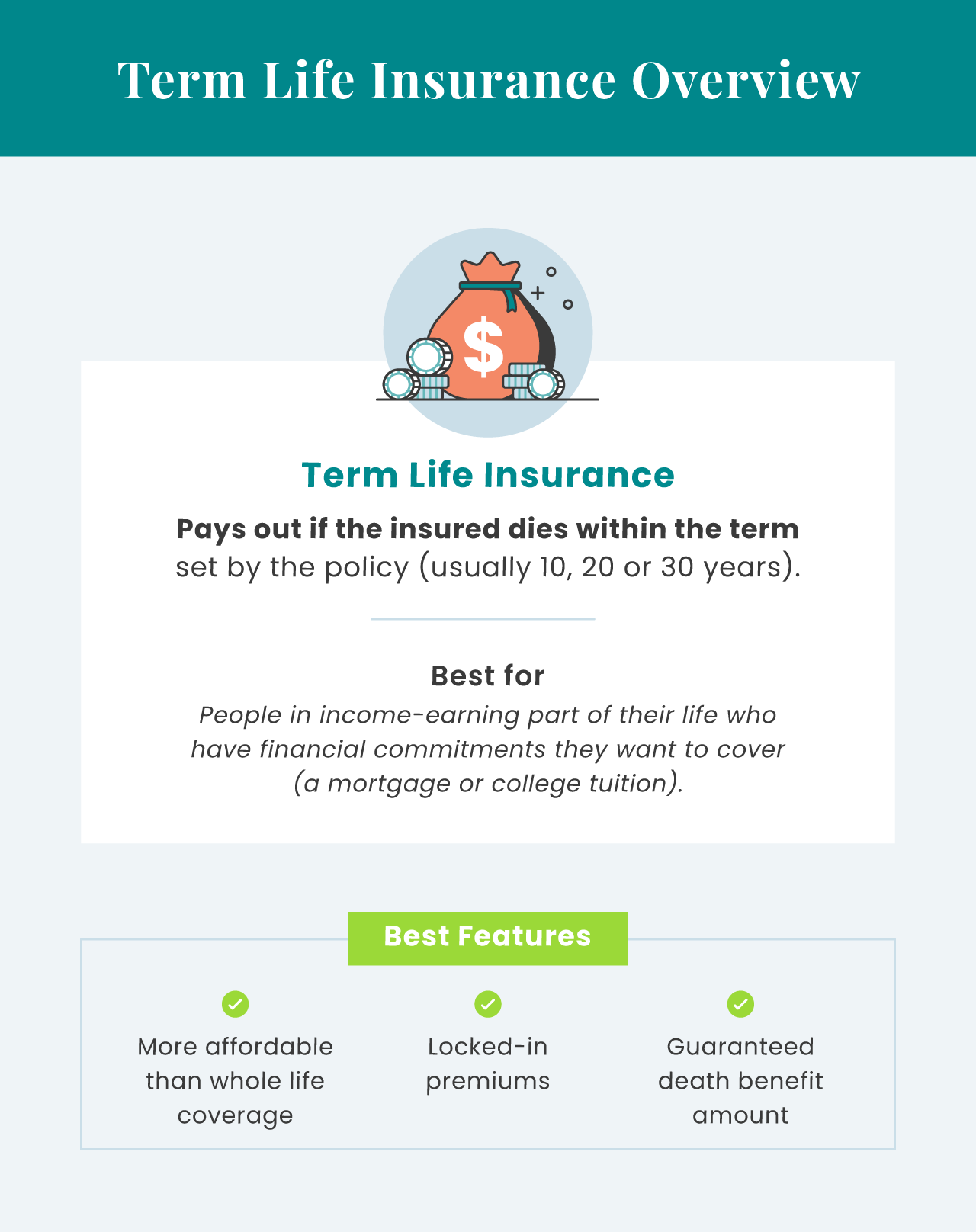
Term life insurance provides a death benefit to beneficiaries if the insured passes away during a specified period, or "term," usually ranging from 10 to 30 years. It offers a straightforward, cost-effective way to replace income and cover major debts without the complex investment components found in permanent life insurance policies.
Contents
Navigating the landscape of life insurance requires a balance between mathematical precision and personal financial goals. When analyzing term coverage through the lens of the Cruickshank advisory philosophy—a perspective that prioritizes personalized risk assessment over generic, automated quotes—it becomes clear that "term" is not a one-size-fits-all product. In 2026, as inflation and evolving interest rates influence policy structures, understanding the nuances of term coverage is essential for long-term family security.
The Core Mechanics of Term Life Insurance
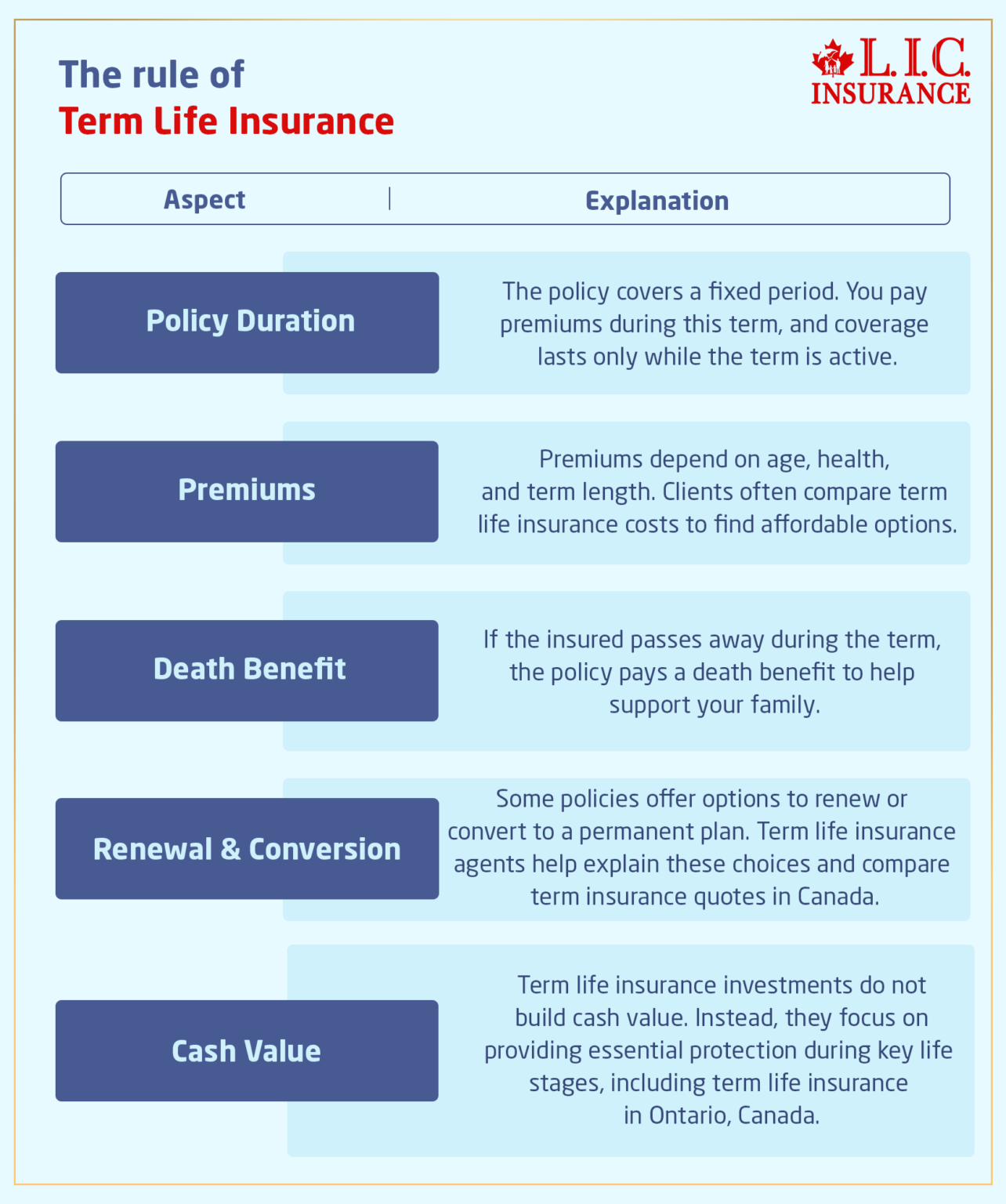
At its most basic level, term life insurance is a contract between a policyholder and an insurer. In exchange for regular premium payments, the insurer guarantees a "face amount" (the death benefit) to the designated beneficiaries. The defining characteristic of these policies is their temporary nature.
Unlike whole life or universal life insurance, term policies do not accumulate cash value. Every dollar paid into the premium is dedicated solely to the cost of insurance and administrative fees. This simplicity is precisely what makes it the most affordable form of life insurance. For young families or business owners with high debt obligations, term coverage allows for the purchase of significant death benefits—often $1 million or more—for a fraction of the cost of a permanent policy.
The Role of Level Premiums
Most modern term policies, including those recommended by Cruickshank advisors, feature "level premiums." This means the cost you pay in year one is exactly the same as the cost you pay in the final year of the term. This predictability is a cornerstone of financial planning. It protects the policyholder against the rising costs of insurance that naturally occur as they age. If you were to purchase a policy with "increasing premiums" (often seen in annual renewable terms), the cost could become prohibitive just when the risk of death is highest.
The Cruickshank Philosophy: Why Agency Matters
Understanding term coverage through a dedicated advisory group like Cruickshank & Associates emphasizes the distinction between "buying a policy" and "implementing a strategy." In 2026, the marketplace is flooded with algorithmic insurance tools that promise a policy in minutes. However, these often overlook the subtle complexities of a family's unique financial architecture.
The Cruickshank approach typically focuses on three specific areas:
- Needs-Based Quantifications: Rather than using a generic "10x salary" rule, this methodology looks at specific debt liquidations, future education costs, and the "Human Life Value" which accounts for the total economic contribution a person provides to their family.
- Product Agnostic Selection: Because independent agencies are not beholden to a single carrier, they can scan the 2026 market to find the carrier whose underwriting guidelines most favorably match the client’s specific health profile or lifestyle.
- Integration with Estate Planning: Term insurance is often used as a "bridge" until a client reaches a level of self-insurance through their investments. Cruickshank advisors look at how the policy term aligns with the maturity of a 401(k) or the payoff of a mortgage.
Strategic Selection of Term Lengths
Choosing the duration of your policy is perhaps the most critical decision in the application process. If the term is too short, you may find yourself uninsurable or facing astronomical rates when the policy expires. If it is too long, you are paying for coverage you no longer need.
10-Year Term
This is frequently used for short-term debt obligations or by individuals approaching retirement who only need to bridge a small gap until their pension or Social Security benefits fully vest. It is also a common choice for business owners securing a "key person" policy during a specific expansion phase.
20-Year Term
The 20-year policy is often considered the "sweet spot" for many families. It typically covers the period from the birth of a child through their graduation from college. In 2026, this remains the most popular term length because it balances high-level protection with a manageable premium cost.
30-Year Term
For new homeowners with a 30-year mortgage, this term length provides the ultimate peace of mind. It ensures that the family home will be paid off regardless of when a tragedy occurs during the life of the loan. While more expensive than shorter terms, it locks in a rate for three decades, protecting the policyholder from the effects of future health declines.
Analyzing the Costs and Underwriting in 2026
The cost of term coverage is determined through a process called underwriting. Insurers evaluate your risk of mortality based on several data points. In 2026, technology has streamlined this, but the fundamental health factors remain the primary drivers of cost.
- Age and Gender: Statistically, younger individuals and females have longer life expectancies, leading to lower premiums.
- Health History: Chronic conditions like diabetes, heart disease, or high blood pressure will increase premiums. However, many carriers now offer "clinical underwriting," which looks at how well a condition is being managed rather than just the diagnosis itself.
- Lifestyle Choices: Tobacco use remains the single largest factor in premium hikes, often doubling or tripling the cost of coverage. High-risk hobbies like SCUBA diving or private piloting may also trigger "flat extra" fees.
- Credit and Records: Insurers increasingly use "Big Data," including credit scores and driving records, to determine risk. A clean record indicates a lower statistical likelihood of accidental death.
| Term Length | Typical Use Case | Relative Cost (Scale 1-5) | Best For |
|---|---|---|---|
| 10 Years | Short-term debt / Business loans | 1 | Pre-retirement "gap" coverage |
| 15 Years | Middle-aged parents / Mid-term debt | 2 | Bridging to retirement |
| 20 Years | Families with young children | 3 | Replacing income for dependents |
| 30 Years | New homeowners / Young families | 5 | Long-term mortgage protection |
Policy Riders: Customizing Your Coverage
While the death benefit is the primary goal, riders allow you to add "living benefits" to a term policy. Under the Cruickshank model, these are evaluated based on their utility versus their added cost.
Accelerated Death Benefit
This is a standard feature in many 2026 policies. It allows the insured to access a portion of the death benefit if they are diagnosed with a terminal illness. This money can be used for experimental treatments, hospice care, or to settle affairs before death.
Waiver of Premium
If you become totally disabled and unable to work, this rider ensures that your life insurance remains in force without you having to pay the premiums. It is a vital safeguard for those whose families rely entirely on their earned income.
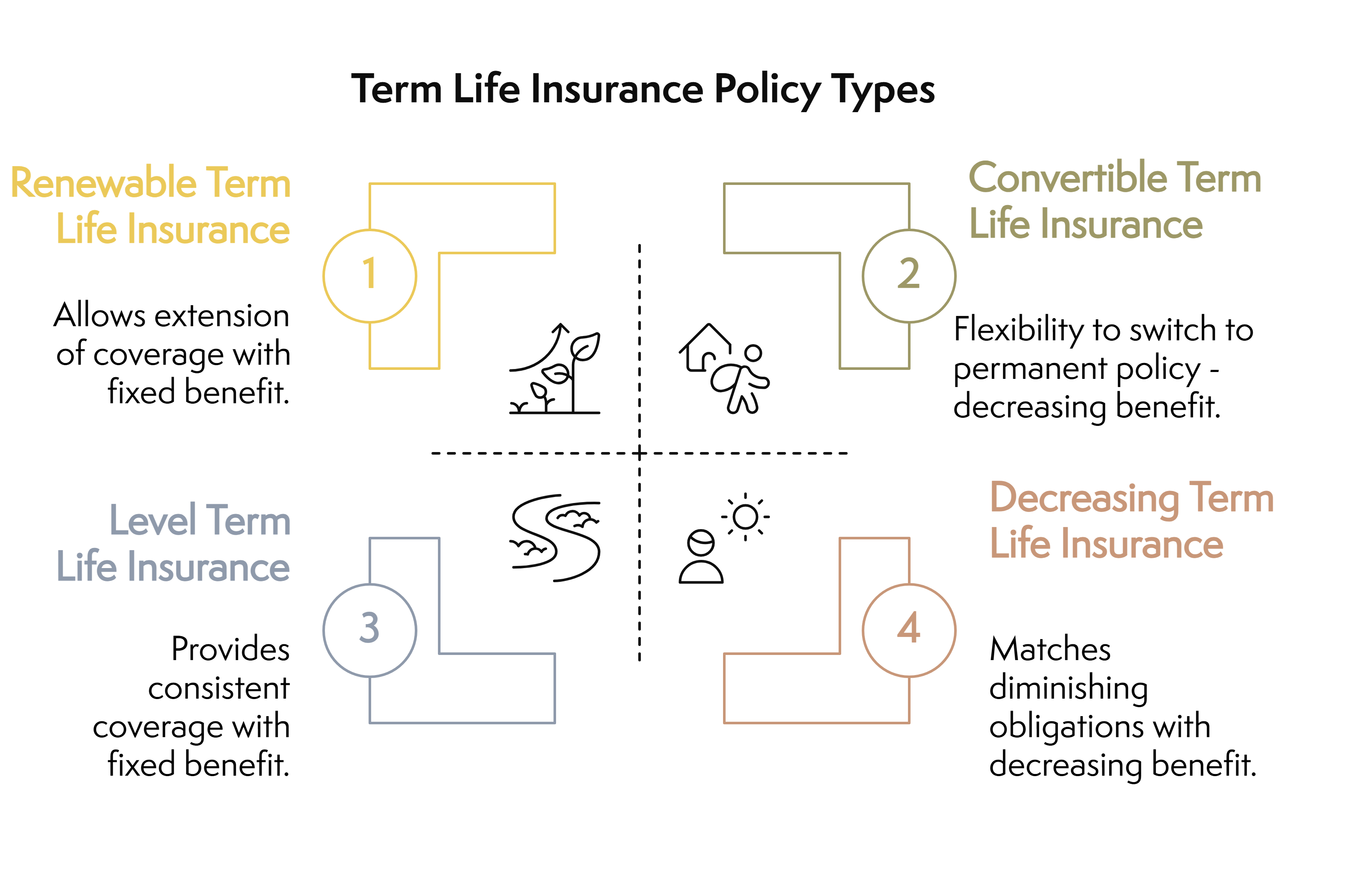
Term Conversion Rider
Perhaps the most important rider for long-term flexibility, the conversion option allows you to exchange your term policy for a permanent policy (like Whole Life) without undergoing a new medical exam. This is crucial if your health declines during the term and you realize you need lifelong coverage.
Term vs. Permanent: The Opportunity Cost
A common debate in financial circles is whether to "buy term and invest the difference." This strategy suggests that because term insurance is so much cheaper than permanent insurance, you should take the savings and put them into a diversified brokerage account.
From a Cruickshank perspective, this is often the most logical path for the average consumer. Permanent insurance policies often have high internal fees and commissions in the early years, which can drag down the "cash value" growth. By using term insurance for protection and low-cost index funds for wealth accumulation, most families can achieve a higher net worth by the time the policy term ends.
However, permanent insurance does have its place in 2026 for high-net-worth individuals who have already maxed out their tax-advantaged accounts (like 401ks and IRAs) and need a vehicle for tax-free wealth transfer or estate liquidity.
Common Pitfalls to Avoid
Even with the best intentions, many consumers make mistakes when securing term coverage. Avoid these common errors:
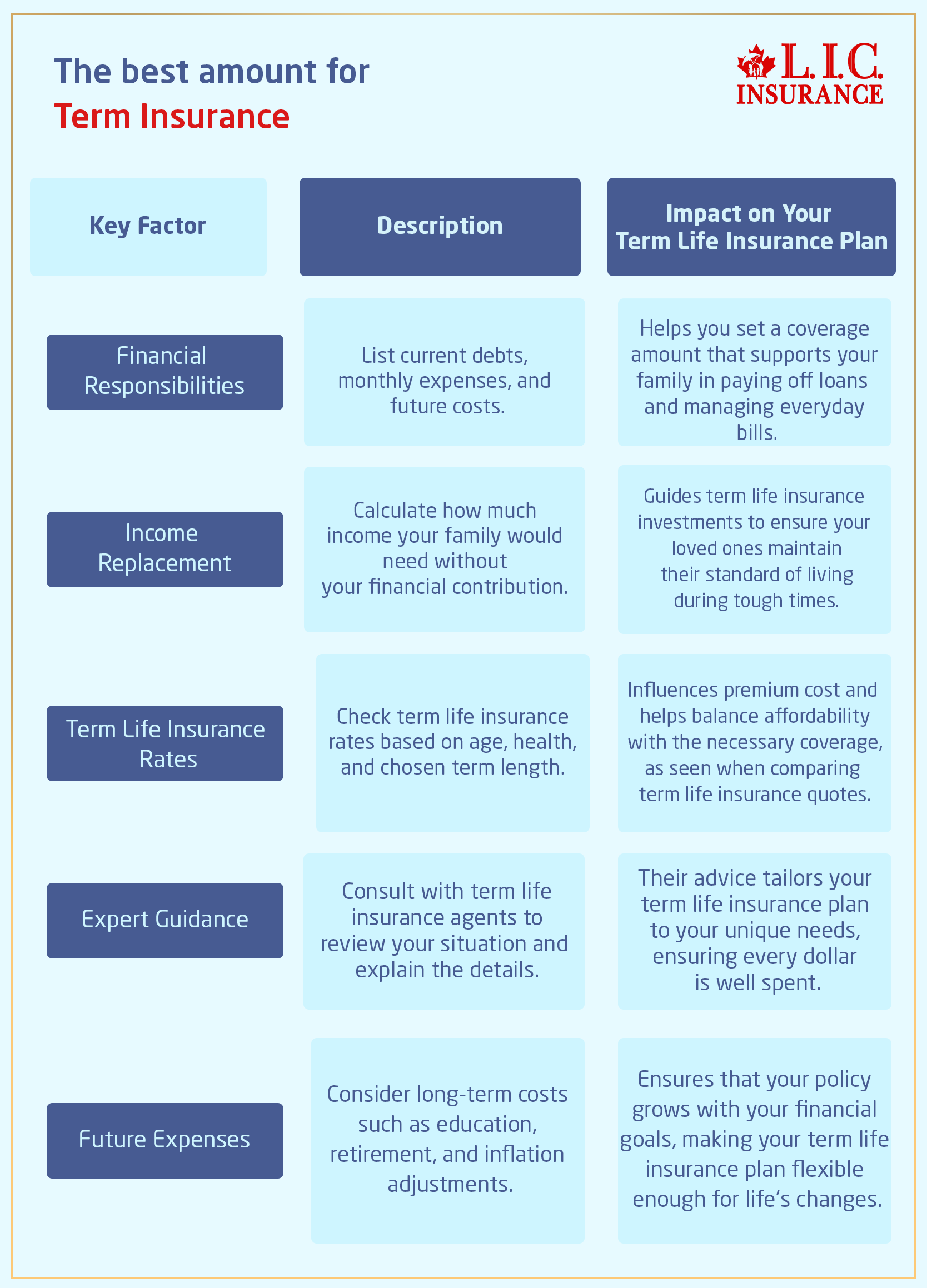
- Under-insuring: Many people only account for their mortgage and forget about inflation, future college tuition, and the cost of replacing the services a stay-at-home parent provides (childcare, household management).
- Waiting too long: Every year you age, the cost of a new term policy increases by approximately 5% to 8%. Furthermore, you risk developing a medical condition that could make you uninsurable.
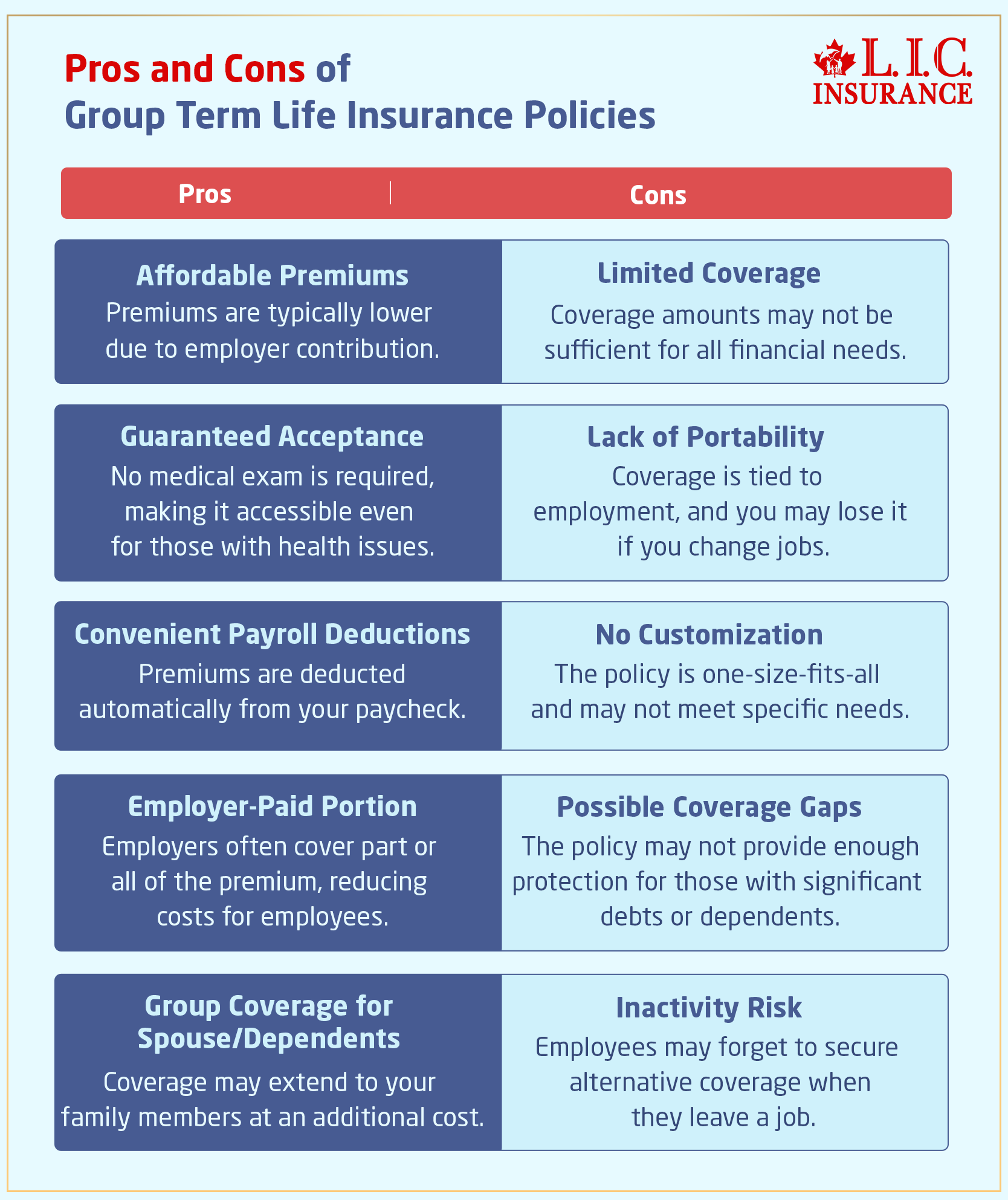
- Relying solely on Group Life: Employer-sponsored life insurance is a great perk, but it is rarely enough. Most group policies offer only 1x or 2x your salary, and most importantly, they are usually not portable. If you lose your job or change careers, you lose your coverage.
- Naming minor children as beneficiaries: Life insurance companies cannot pay out funds directly to minors. If you name a child, the court will appoint a guardian to manage the money, which can lead to legal delays and expenses. It is better to name a trust or a reliable adult guardian.
FAQs About Term Coverage
Can I cancel my term life insurance policy at any time?
Yes. Term life insurance is a non-binding contract for the policyholder. If you no longer need the coverage—for instance, if you have reached financial independence or paid off your mortgage—you can simply stop paying the premiums. The policy will lapse, and there are no penalties or surrender fees, though you will not receive any money back from the premiums already paid.
What happens if I outlive my term policy?
Once the term expires, the coverage ends. Some policies offer a "return of premium" (ROP) rider that pays back your premiums if you survive the term, but these are significantly more expensive. Alternatively, most policies have a "guaranteed renewability" clause, but the premiums jump to a very high level because they are no longer "level" and are based on your attained age.
Does term life insurance have tax benefits?
The death benefit of a term life insurance policy is generally received by the beneficiaries 100% income-tax-free under Internal Revenue Code Section 101(a). However, if the policy is owned by the insured, the value of the death benefit may be included in the taxable estate for federal estate tax purposes. In 2026, estate tax thresholds remain a key consideration for high-net-worth families.
Is a medical exam always required in 2026?
Not necessarily. Many carriers now offer "accelerated underwriting" or "no-exam" policies for applicants who meet certain health and age criteria. These companies use digital health records, pharmacy databases, and MIB (Medical Information Bureau) reports to assess risk instantly. However, if you have a complex medical history, a traditional paramedical exam may still be required to secure the best possible rates.
Can I have multiple term life insurance policies?
Yes. This is a strategy often called "laddering." For example, you might have a $500,000 30-year policy to cover your mortgage and a $1,000,000 20-year policy to cover your children’s upbringing. This allows you to have high coverage when you need it most while reducing your total premium costs as your financial obligations decrease over time.
Next Steps for Securing Coverage
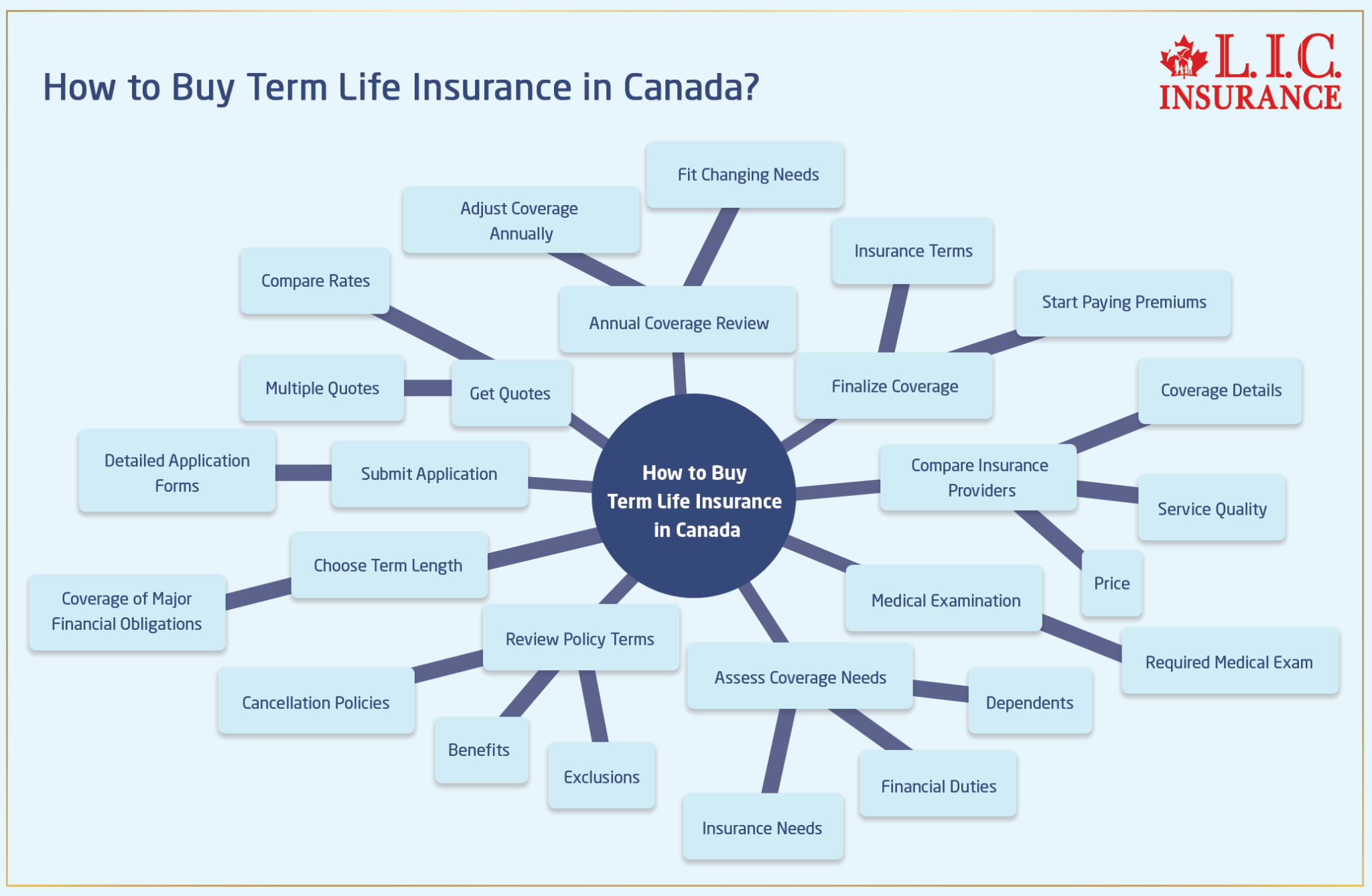
To effectively implement the Cruickshank approach to term life insurance, your next step should be a comprehensive "Needs Analysis." Gather your current debt statements, estimate your future income needs, and review any existing coverage you have through work.
Instead of relying on a generic online calculator, consider reaching out to an independent advisor who can provide a "market survey" of different carriers. Ensure that any policy you select includes a conversion rider to protect your future insurability. By taking action today, you lock in 2026 rates and provide your family with a financial foundation that remains stable regardless of what the future holds.
Image Gallery