Understanding Idaho’s Place in the United States
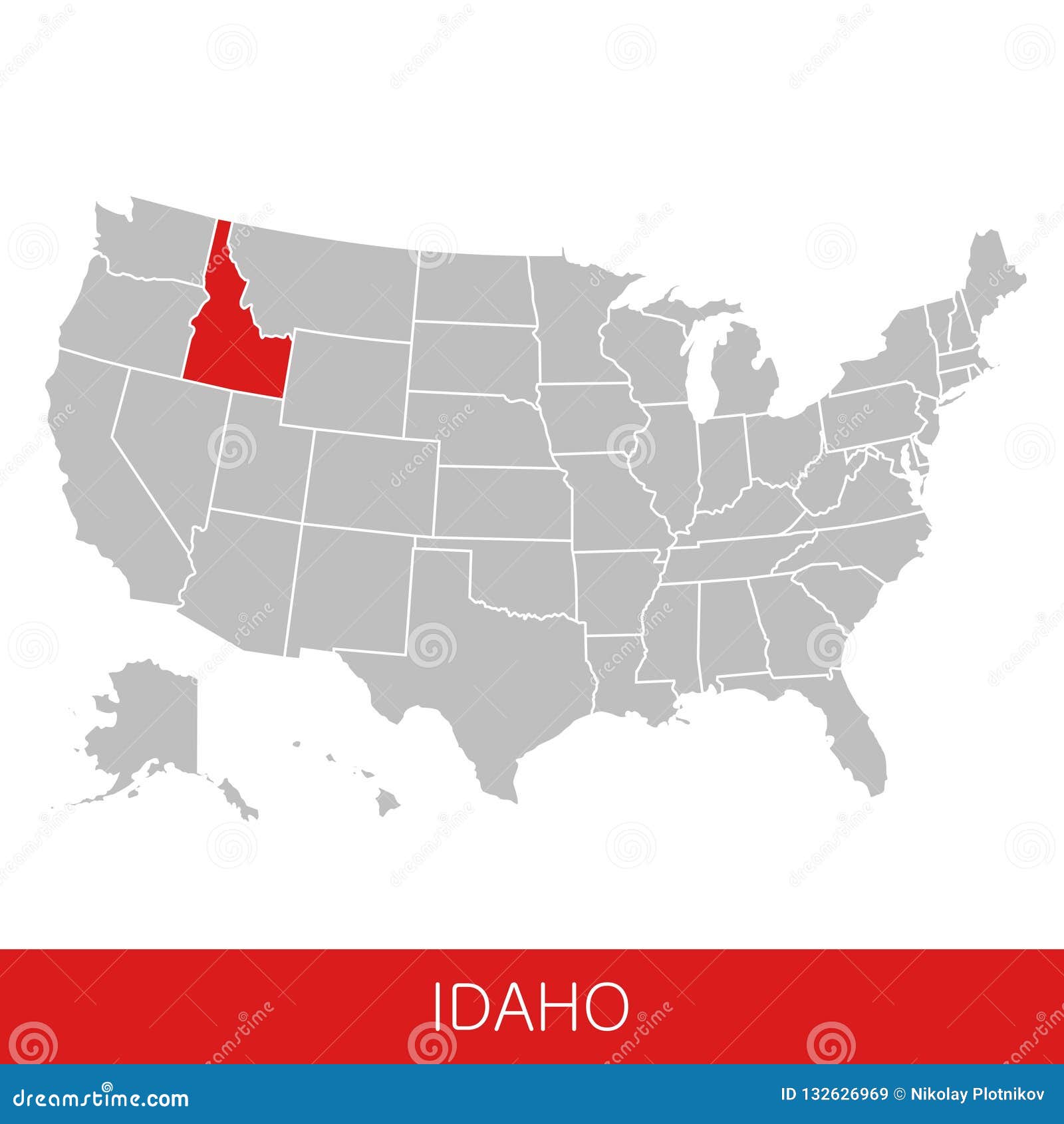
Idaho is a sovereign state located in the Pacific Northwest region of the United States. It is not located "inside" another state; rather, it is one of the 50 individual states that comprise the Union. Admitted as the 43rd state on Jul...
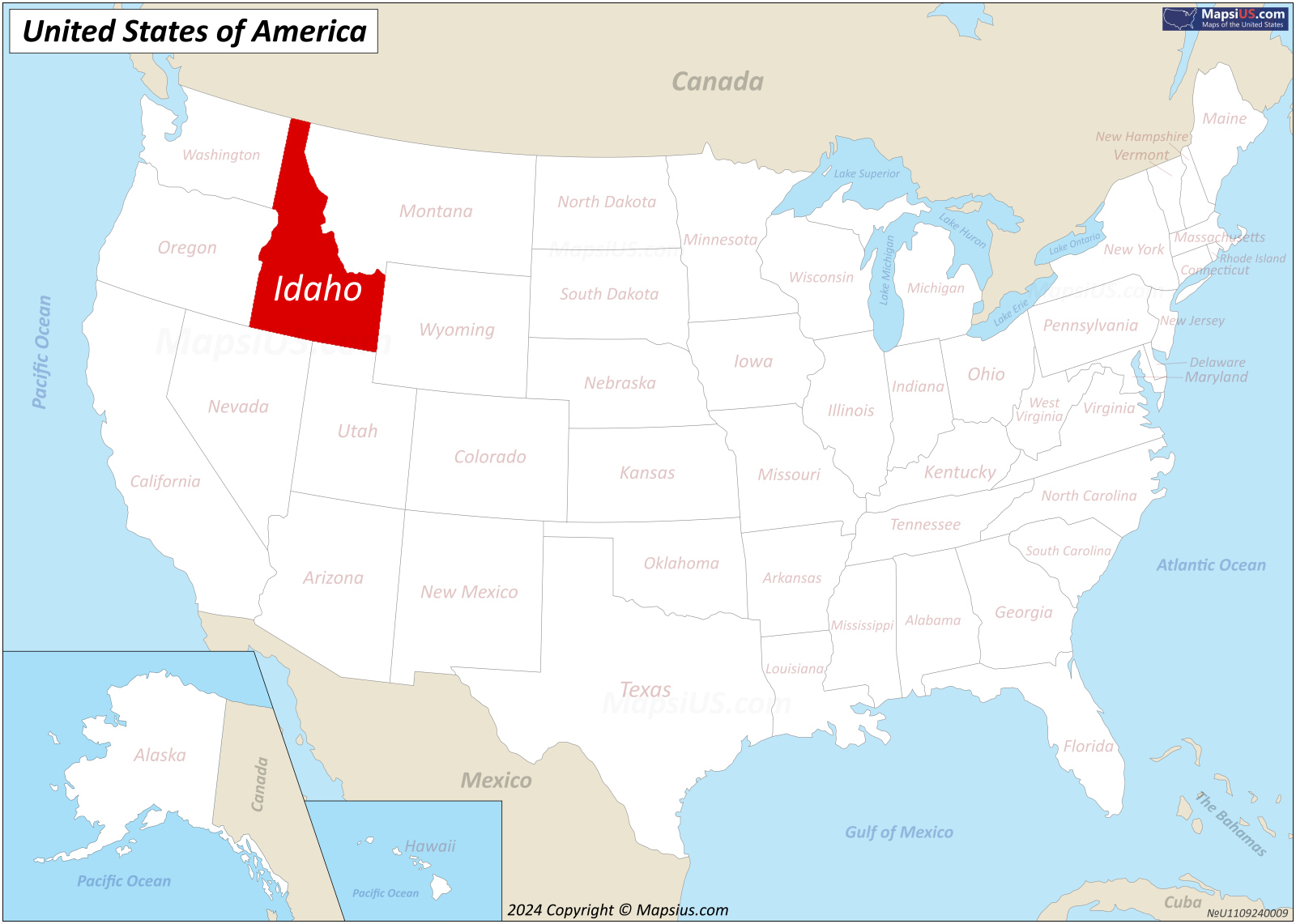
Idaho is a sovereign state located in the Pacific Northwest region of the United States. It is not located "inside" another state; rather, it is one of the 50 individual states that comprise the Union. Admitted as the 43rd state on July 3, 1890, Idaho is bordered by six states and one Canadian province.
Contents
Geographic Location and Regional Identity
To answer the question "what state is Idaho in," one must first understand the structure of the United States. The U.S. is a federal republic where Idaho exists as its own political and geographic entity. It is frequently categorized as part of the Pacific Northwest, though its southern and eastern reaches are also considered part of the Mountain West. This dual regional identity is due to the state's massive size and varied topography.
Idaho is a landlocked state, though it is connected to the Pacific Ocean via a series of dams and locks on the Columbia and Snake River systems, making the city of Lewiston the farthest inland seaport on the West Coast. As of 2026, Idaho remains a critical geographic link between the coastal states of Washington and Oregon and the interior Rocky Mountain states.
Bordering Entities
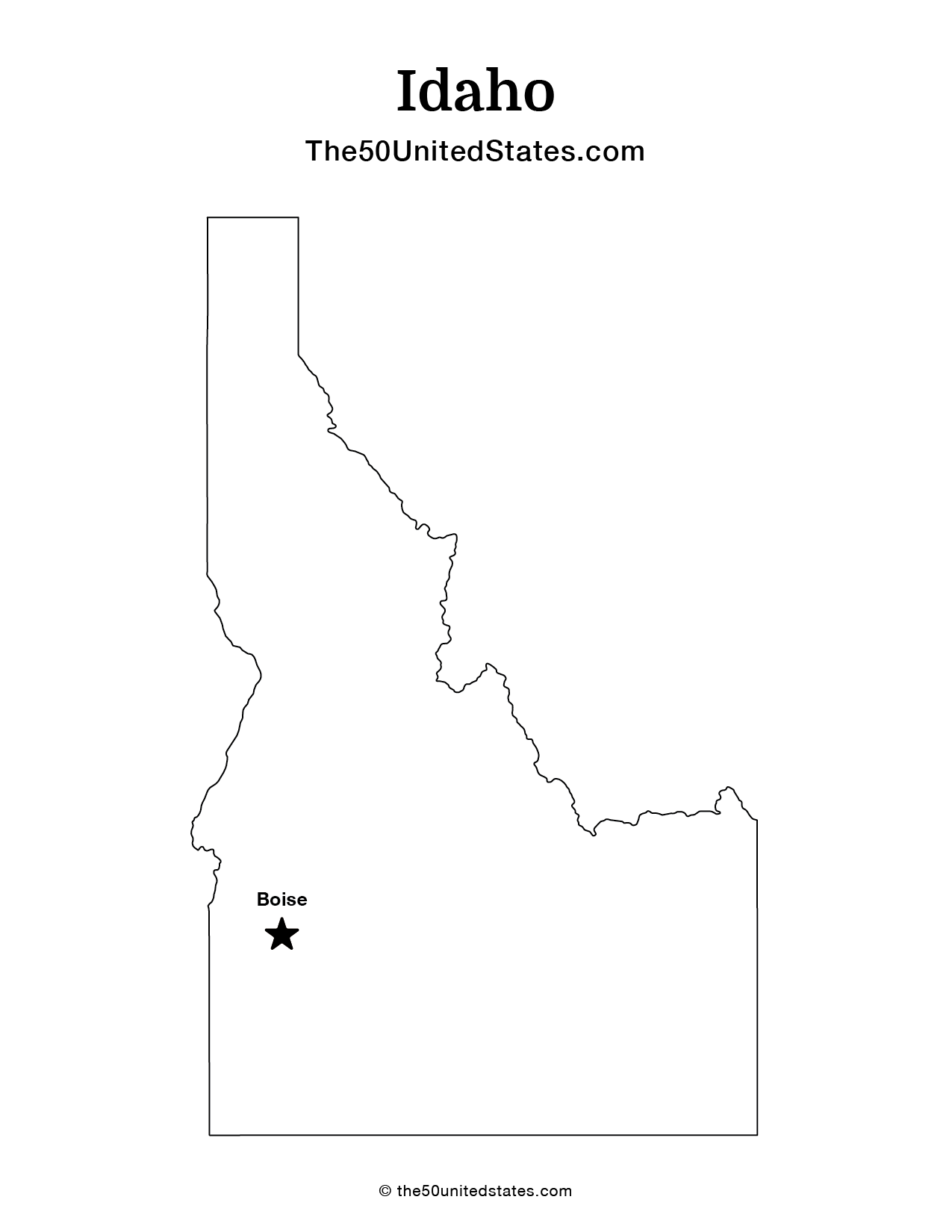
Idaho's unique "panhandle" shape is the result of 19th-century political negotiations regarding mining districts and mountain ranges. The state shares borders with:
- Washington and Oregon to the west.
- Nevada and Utah to the south.
- Montana and Wyoming to the east.
- British Columbia, Canada, to the north.
The state’s geography is dominated by the Rocky Mountains, which cover a significant portion of the northern and central regions. In contrast, the southern part of the state features the Snake River Plain, a crescent-shaped volcanic plateau that houses the majority of the state's population and agricultural industry.
The History of Idaho’s Statehood
The journey to becoming a state was a complex process involving indigenous populations, fur traders, and gold seekers. Before statehood, the area was inhabited by the Nez Perce, Shoshone, and Bannock tribes for thousands of years. The arrival of the Lewis and Clark Expedition in 1805 marked the first recorded entrance of non-indigenous people into the region.
In 1863, President Abraham Lincoln signed the act creating the Idaho Territory. Originally, this territory was much larger than the current state, encompassing all of present-day Montana and most of Wyoming. As those regions were split off into their own territories, Idaho took its current shape. The move toward statehood was driven largely by the discovery of gold and the subsequent influx of settlers, which necessitated a more formal legal and political structure.
By the late 1880s, Idaho’s population and economic output had grown sufficiently to justify statehood. After drafting a state constitution in 1889, the territory was officially admitted to the Union in 1890. This historical progression solidifies Idaho's status as a distinct legal entity within the U.S. framework, rather than a subdivision of another state. For more detailed historical records, the National Archives provides documentation on the transition from territory to state.
Major Cities and Population Growth
As of 2026, Idaho remains one of the fastest-growing states in the country. This growth is centered primarily in the Treasure Valley, which includes the capital city and its surrounding metropolitan area.
Boise: The State Capital
Boise is the largest city and the political and economic heart of Idaho. It is known for its blend of urban amenities and outdoor accessibility. The city has seen significant investment in technology and education over the last decade, transforming it from a quiet regional hub into a vibrant mid-sized city. The Boise River Greenbelt, a 25-mile park and trail system, serves as a centerpiece for the community's focus on quality of life.
The Treasure Valley Expansion
Beyond Boise, cities like Meridian, Nampa, and Caldwell have experienced explosive growth. Meridian, in particular, has frequently topped lists of the fastest-growing cities in the United States. This expansion is driven by a lower cost of living compared to coastal California or Washington, as well as a burgeoning job market in the tech and healthcare sectors.
Northern Idaho and the Panhandle
In the north, Coeur d'Alene serves as a major center for tourism and timber. Situated on the shores of Lake Coeur d'Alene, the region is famous for its natural beauty and luxury resorts. Further south in the panhandle is Moscow, home to the University of Idaho, which remains a cornerstone of the state's research and higher education infrastructure.
The Diverse Economy: Beyond Potatoes
While Idaho is colloquially known as the "Potato State," its 2026 economy is highly diversified. The state’s economic strength relies on a combination of traditional resource extraction, advanced manufacturing, and high-tech research.
Agriculture and Volcanic Soil
Idaho produces approximately one-third of all potatoes grown in the United States. The success of this industry is not accidental; the Snake River Plain features phosphorus-rich volcanic soil and a sophisticated irrigation network that makes it one of the most productive agricultural regions in the world. Beyond potatoes, Idaho is a leading producer of trout, lentils, Austrian winter peas, and wheat.
Technology and Innovation
The technology sector is a massive driver of Idaho's modern GDP. Micron Technology, one of the world's largest semiconductor manufacturers, is headquartered in Boise. Additionally, the Idaho National Laboratory (INL) located in Idaho Falls is the nation’s lead center for nuclear energy research and development. The presence of the INL brings thousands of high-paying engineering and scientific jobs to eastern Idaho, contributing to a highly educated workforce.
Tourism and Outdoor Recreation
Idaho’s vast wilderness—more than 60% of which is public land managed by the federal government—supports a multi-billion dollar tourism industry. Activities such as world-class fly fishing, white-water rafting on the "River of No Return" (the Salmon River), and skiing at Sun Valley (the nation's first destination ski resort) attract visitors globally.
Natural Landmarks and Geography
Idaho’s landscape is defined by extremes, from the deepest river canyon in North America to jagged mountain peaks and surreal volcanic landscapes.
- Hells Canyon: Carved by the Snake River, this canyon is deeper than the Grand Canyon, reaching depths of nearly 8,000 feet. It forms a natural border between Idaho and Oregon.
- The Sawtooth Mountains: Known for their dramatic, jagged "tooth-like" peaks, this range offers some of the most remote and pristine wilderness in the lower 48 states.
- Craters of the Moon National Monument: This vast ocean of lava flows and cinder cones was created by volcanic eruptions between 15,000 and 2,000 years ago. It is so otherworldly that NASA astronauts once trained there to prepare for lunar missions.
- The Shoshone Falls: Often called the "Niagara of the West," these falls on the Snake River are actually taller than Niagara Falls, though their flow is seasonally regulated for irrigation and hydroelectric power.
Idaho vs. Its Neighbors: A Comparative Overview
To better understand Idaho’s specific characteristics, it is helpful to see how it compares to its neighboring states in terms of size, population density, and key features.
| State | 2026 Estimated Population | Primary Industry | Major Geographic Feature |
|---|---|---|---|
| Idaho | ~2.1 Million | Tech, Agriculture, Tourism | Rocky Mountains / Snake River |
| Washington | ~8.2 Million | Aerospace, Tech, Trade | Puget Sound / Cascades |
| Oregon | ~4.5 Million | Tech, Forestry, Agriculture | Pacific Coast / Columbia River |
| Montana | ~1.2 Million | Mining, Agriculture, Tourism | Glacier National Park |
| Utah | ~3.6 Million | Tech, Finance, Tourism | Great Salt Lake / Red Rocks |
| Nevada | ~3.3 Million | Tourism, Mining, Logistics | Mojave Desert / Sierra Nevada |
The "Gem State" Identity
Idaho's official nickname is the "Gem State." This title is well-earned, as more than 72 different types of precious and semi-precious stones have been found within its borders. Idaho is one of only two places in the world (the other being India) where Star Garnets can be found in significant quantities.
The state’s culture is a reflection of this rugged, resourceful history. There is a strong emphasis on land conservation and individual liberty, which is reflected in both state policy and local customs. While the state has modernized rapidly by 2026, it retains a deep-seated connection to its frontier roots, prioritizing the protection of its expansive public lands and waterways.
Frequently Asked Questions
Is Idaho considered part of the Midwest?
No, Idaho is not part of the Midwest. It is located in the Pacific Northwest or the Mountain West. The Midwest generally includes states like Illinois, Indiana, and Iowa. The confusion often stems from the similarity between the names "Idaho" and "Iowa."
What is the capital of Idaho?
The capital of Idaho is Boise. It has served as the capital since 1865, taking the title from Lewiston, which was the original capital of the Idaho Territory. Boise is the most populous city in the state and serves as the center for state government and commerce.
Does Idaho share a border with Canada?
Yes, Idaho shares a 45-mile (72 km) border with the Canadian province of British Columbia. There are two primary border crossings: Eastport and Porthill. This makes Idaho a key corridor for international trade and travel between the U.S. and Western Canada.
Why is Idaho famous for potatoes?
Idaho is famous for potatoes due to its unique combination of volcanic soil, clean water from mountain snowmelt, and an ideal climate of hot days and cool nights. These conditions allow for the growth of high-solids potatoes, particularly the Russet Burbank, which are ideal for baking and making french fries.
What is the climate like in Idaho?
Idaho’s climate is varied due to its elevation changes. The south is generally semi-arid with hot summers and cold, snowy winters. The northern panhandle receives significantly more rainfall and has a more maritime-influenced climate. Central Idaho is high-alpine, experiencing some of the coldest winter temperatures in the continental United States.
Summary of Next Actions
If you are researching Idaho for travel, relocation, or educational purposes, your next steps should involve looking at specific regions rather than the state as a whole.
- For Travelers: Explore the official Visit Idaho website to plan trips to the Sawtooth National Forest or the Sun Valley Resort.
- For Relocation: Review the U.S. Census Bureau data for the latest housing and economic trends in the Treasure Valley.
- For Business: Investigate the Idaho Department of Commerce for information on tax incentives and the state’s growing tech corridors.
Idaho is a distinct, thriving U.S. state that offers a unique blend of high-tech industry and pristine wilderness, far exceeding its reputation as merely an agricultural producer.
Image Gallery