Understanding the DieHard Battery Warranty: A Comprehensive 2026 Guide
The DieHard battery warranty provides a free replacement period ranging from two to four years, depending on the specific model purchased. If a battery fails due to defects in materials or workmanship within this timeframe, it can be e...
The DieHard battery warranty provides a free replacement period ranging from two to four years, depending on the specific model purchased. If a battery fails due to defects in materials or workmanship within this timeframe, it can be exchanged at any authorized retailer, primarily Advance Auto Parts or Carquest, provided you have proof of purchase and the battery tests as defective.
Contents
The DieHard brand has long been a staple of American automotive reliability. Since its transition from Sears to Advance Auto Parts, the warranty structure has been modernized to focus on simplified "Free Replacement" periods rather than the complicated pro-rated systems of the past. As we navigate 2026, understanding the nuances of this coverage is essential for any vehicle owner looking to protect their investment and ensure their vehicle remains dependable in all weather conditions.
The Evolution of the DieHard Warranty System
Historically, DieHard was the flagship brand for Sears, known for its aggressive marketing and robust construction. In late 2019, Advance Auto Parts acquired the brand, which significantly expanded the accessibility of warranty services. Today, the warranty is standardized across thousands of locations.
The most significant change in recent years has been the move away from "pro-rated" warranties. In a pro-rated system, if a battery failed halfway through its life, the consumer would receive a 50% credit toward a new one. The current 2026 DieHard system relies almost exclusively on a Free Replacement Period. This means if the battery is within its window, you get a new one at no cost. If it is one day outside that window, the coverage is generally expired. This shift offers more transparency for the consumer but requires a stricter adherence to timelines and proof of purchase.
Breaking Down DieHard Warranty Tiers
DieHard offers several different battery lines, each tailored to different vehicle needs and climates. The warranty length is directly tied to the "tier" of the battery you purchase. In 2026, the primary categories for automotive batteries include:
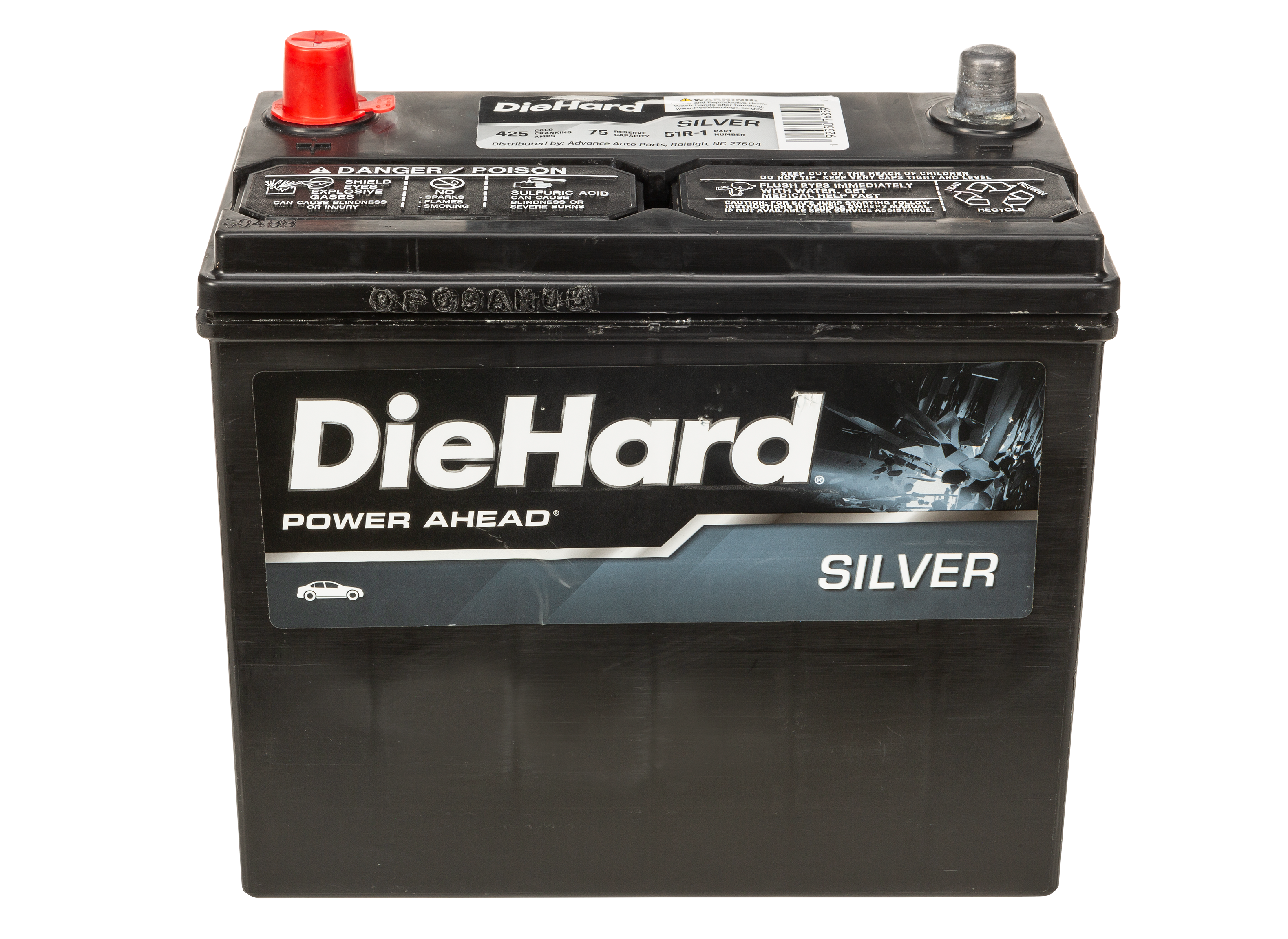
DieHard Silver
The Silver line is the entry-level option, designed for older vehicles or those with standard power requirements. These batteries typically come with a 2-year free replacement period. While they are the most affordable, they also have the shortest coverage window and lower Cold Cranking Amps (CCA) compared to higher tiers.
DieHard Gold
The Gold series is the most popular choice for the average driver. It provides a balance of performance and longevity, suitable for vehicles with modern electronic demands. The Gold line typically carries a 3-year free replacement period. It is engineered to handle higher heat and vibration, which are the two primary killers of lead-acid batteries.
DieHard Platinum and Platinum AGM
At the top of the hierarchy are the Platinum and Platinum AGM (Absorbent Glass Mat) batteries. The Platinum line often offers a 3-year or 4-year free replacement period, depending on the specific regional availability and vehicle application. The AGM variants are particularly robust, designed for vehicles with "Start-Stop" technology and heavy accessory loads (heated seats, advanced infotainment, etc.). Because AGM batteries are spill-proof and highly resistant to vibration, they are often the most reliable, even if their warranty period matches the Gold series in some jurisdictions.
Comparison of DieHard Battery Warranty Tiers (2026)
| Battery Tier | Warranty Period | Typical Application | Resistance Level |
|---|---|---|---|
| DieHard Silver | 2 Years | Basic commuting, older cars | Standard |
| DieHard Gold | 3 Years | Modern sedans, SUVs | Enhanced |
| DieHard Platinum | 3-4 Years | High-performance, cold climates | Superior |
| DieHard Platinum AGM | 3-4 Years | Start-Stop tech, heavy electronics | Extreme |
| DieHard Marine | 1-2 Years | Boats and personal watercraft | Vibration Resistant |
What the Warranty Covers (and What It Doesn't)
A warranty is not an "all-inclusive" insurance policy for your battery. It is specifically designed to cover manufacturing defects. Understanding this distinction is the key to a successful claim.
Covered Defects
- Internal Short Circuits: If a cell dies due to a manufacturing flaw, this is fully covered.
- Separation of Internal Connections: If the internal lead straps break under normal use, this is a defect.
- Case Leaks: Leaks occurring from the seams (not caused by physical impact) are covered.
Exclusions and Voiding Factors
- Physical Damage: If the battery case is cracked due to an accident or improper installation, the warranty is void.
- Discharge (The "Dead" Battery): A battery that is simply discharged (e.g., you left your lights on) is not "defective." It just needs to be recharged. Most retailers will test the battery and, if it can hold a charge after a cycle, they will return it to you rather than replace it.
- Overcharging: Using a faulty alternator or an incorrect external charger that "cooks" the battery will usually leave visible signs of swelling, which voids the warranty.
- Wrong Application: Using a standard starting battery for a deep-cycle application (like a trolling motor) will void the coverage.
- Commercial Use: If a consumer battery is installed in a taxi, delivery vehicle, or police cruiser, the warranty period is often slashed to 90 days or 6 months.
Step-by-Step Guide to Making a Warranty Claim
If your vehicle won't start and you suspect your DieHard battery has failed, follow these steps to ensure a smooth replacement process in 2026.
1. Verification of Warranty Status
Before driving to the store, check your records. If you purchased the battery at Advance Auto Parts or Carquest, they likely have your information stored in their "Speed Perks" or customer database linked to your phone number. However, keeping the original paper receipt in your glovebox is the safest way to prevent disputes.
2. Physical Inspection
Check for the Date Code on the battery. Usually, this is a sticker or an engraved code on the plastic housing. A code like "04/24" indicates the battery was manufactured in April 2024. While the warranty starts from the purchase date, the manufacture date provides a baseline for the store associates.
3. Professional Testing
You must bring the battery (or the entire vehicle) to an authorized retailer. They will use a handheld tester (often a Midtronics or similar conductance tester).
- Step A: The technician will input the battery's CCA rating.
- Step B: The device will run a load test.
- Step C: The result will be "Good Battery," "Charge and Retest," or "Replace Battery." The warranty only triggers if the result is "Replace Battery."
4. The Exchange Process
If the battery is found defective and is within the free replacement window, the retailer will provide a new battery of the same model. If that model is discontinued, they will provide the closest equivalent. Note that the warranty does not restart with the new battery. Your coverage period is still based on the original purchase date of the first battery.
Technical Nuances: AGM vs. Flooded Warranties
In 2026, many drivers are upgrading to AGM (Absorbent Glass Mat) batteries. It is important to know that the warranty claim process for an AGM battery is slightly different. AGM batteries have a different internal chemistry and require specific charging profiles.
If you bring a discharged AGM battery to a store, the standard "quick charger" used for flooded batteries might not be sufficient. You should insist that the retailer uses an AGM-compatible charger. If they use an old-school high-voltage charger, it can actually damage the AGM battery's internal pressure relief valves, potentially ruining a battery that was otherwise just deeply discharged.
Common Challenges and Troubleshooting
Lost Receipts
This is the most common hurdle. In 2026, most digital systems are robust, but data migrations occur. If the store cannot find your record and you don't have a receipt, they may use the manufacture date code. This is often less favorable for the consumer, as the battery may have sat on a shelf for six months before you bought it, effectively shortening your "real" warranty window.
Regional Variations
Warranty terms can vary slightly based on state law. Some states have specific regulations regarding how long a manufacturer must support a product or how "pro-rating" must be calculated if offered. Always check the specific warranty brochure provided at the time of purchase for your jurisdiction.
Transferability
The DieHard warranty is non-transferable. If you sell your car to a new owner, the warranty on the battery generally does not follow the car. The new owner would need the original receipt and, technically, the original purchaser should be the one making the claim, though many local shops are lenient on this if the receipt is present.
Practical Recommendations for Battery Longevity
To avoid needing the warranty altogether, consider these maintenance tips:
- Keep it Clean: Corrosion on the terminals increases resistance and makes the battery work harder. Use a mixture of baking soda and water to clean terminals annually.
- Secure the Mount: A loose battery vibrates, which can lead to internal plate damage—a common cause of premature failure that is sometimes hard to prove as a "defect."
- Regular Charging: If you don't drive your car for more than two weeks, use a smart "trickle charger" or "battery maintainer" to prevent the battery from falling into a deep discharge state that could lead to sulfation.
Frequently Asked Questions
Can I claim my DieHard warranty at any auto parts store?
No. You must go to an authorized dealer. Since Advance Auto Parts owns the brand, they are the primary location. Carquest and some remaining Sears Auto Centers (where applicable) also honor it. You cannot take a DieHard battery to AutoZone or O'Reilly and expect a warranty swap.
Does the warranty cover the labor to install the replacement?
Generally, no. The warranty covers the cost of the unit itself. However, most Advance Auto Parts locations offer free installation for many vehicles at the time of purchase or warranty swap. If your vehicle requires extensive labor (such as removing a fender or a seat to access the battery), you will likely be responsible for those labor costs at a mechanic's shop.
What happens if my battery fails and the store is out of stock?
If the exact model is unavailable, the retailer is obligated to provide a battery of equal or greater performance. You may have to pay the price difference if you choose to upgrade to a higher tier (e.g., moving from Gold to Platinum) because the original was out of stock.
Is the warranty valid if I use the battery for a solar power setup?
Likely not. Standard DieHard automotive batteries are designed for "SLI" (Starting, Lighting, Ignition) purposes. Using them for "stationary power" or solar storage is considered an off-label use and will typically void the warranty if the technician identifies the use case.
My battery is 37 months old on a 36-month warranty. Can I get a partial discount?
As of 2026, DieHard has moved away from pro-rated credits. Once the free replacement period ends, there is usually no further coverage or discount available. It is worth asking the store manager if there are any current promotions or "loyalty discounts," but legally, the warranty obligation has ended.
Next Steps for Consumers
If you believe your DieHard battery is failing, your first action should be to locate your receipt or verify your purchase in the Advance Auto Parts mobile app. Before removing the battery, check your vehicle's alternator output; sometimes a "battery failure" is actually a charging system failure. Once confirmed, visit an authorized retailer for a diagnostic test to initiate your claim.
Image Gallery