The Rocky Balboa Inspiration in Business: Lessons in Resilience and Strategic Grit
The Rocky Balboa inspiration in business serves as a framework for entrepreneurs and leaders to navigate volatility, emphasizing the power of persistence, calculated risk-taking, and the psychological endurance required to sustain long...
The Rocky Balboa inspiration in business serves as a framework for entrepreneurs and leaders to navigate volatility, emphasizing the power of persistence, calculated risk-taking, and the psychological endurance required to sustain long-term growth. It highlights that success is rarely a linear trajectory but rather the result of enduring repeated challenges while maintaining a clear vision of one’s objectives.
Contents
Understanding the Archetype: Beyond the Physical Struggle
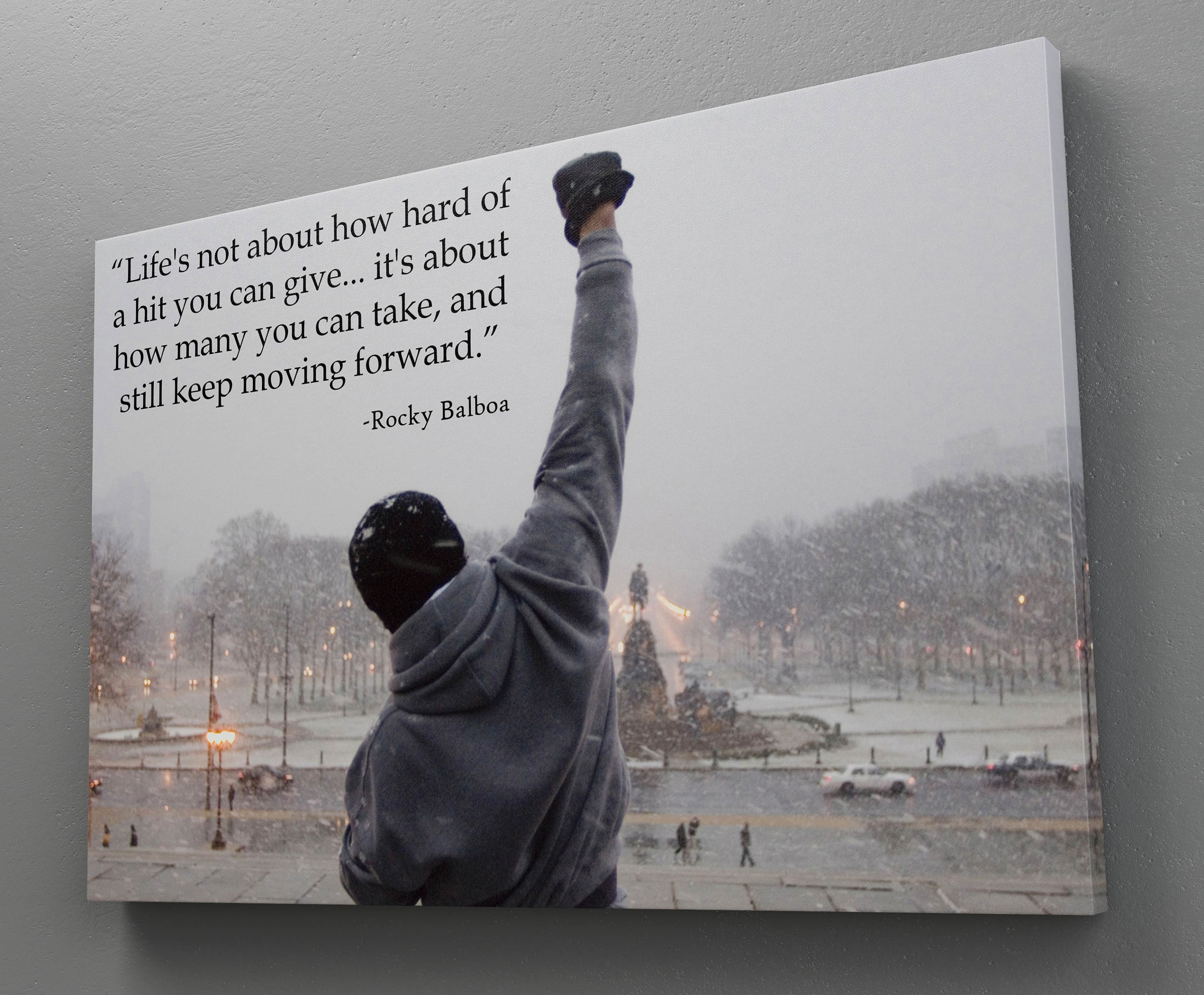
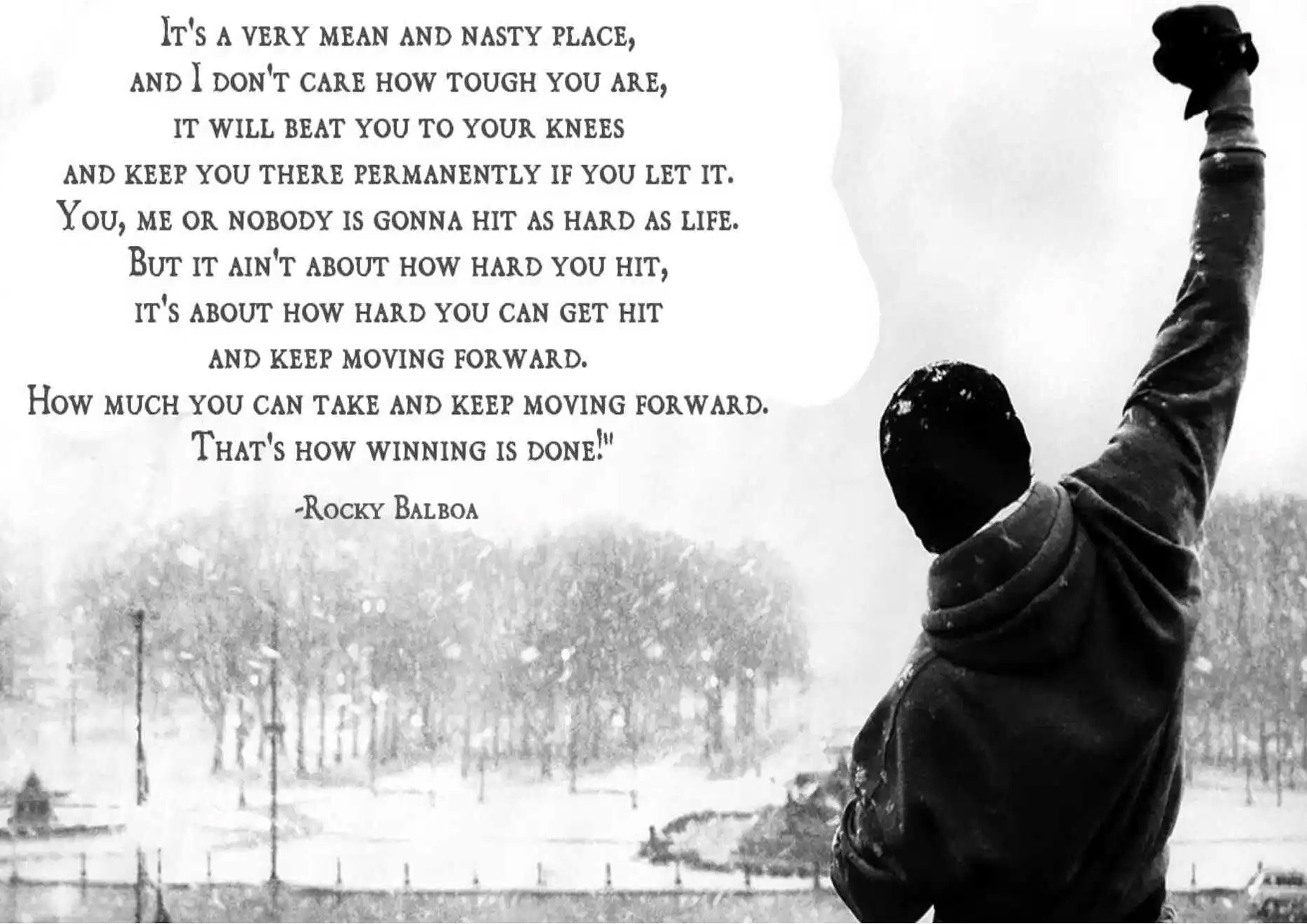
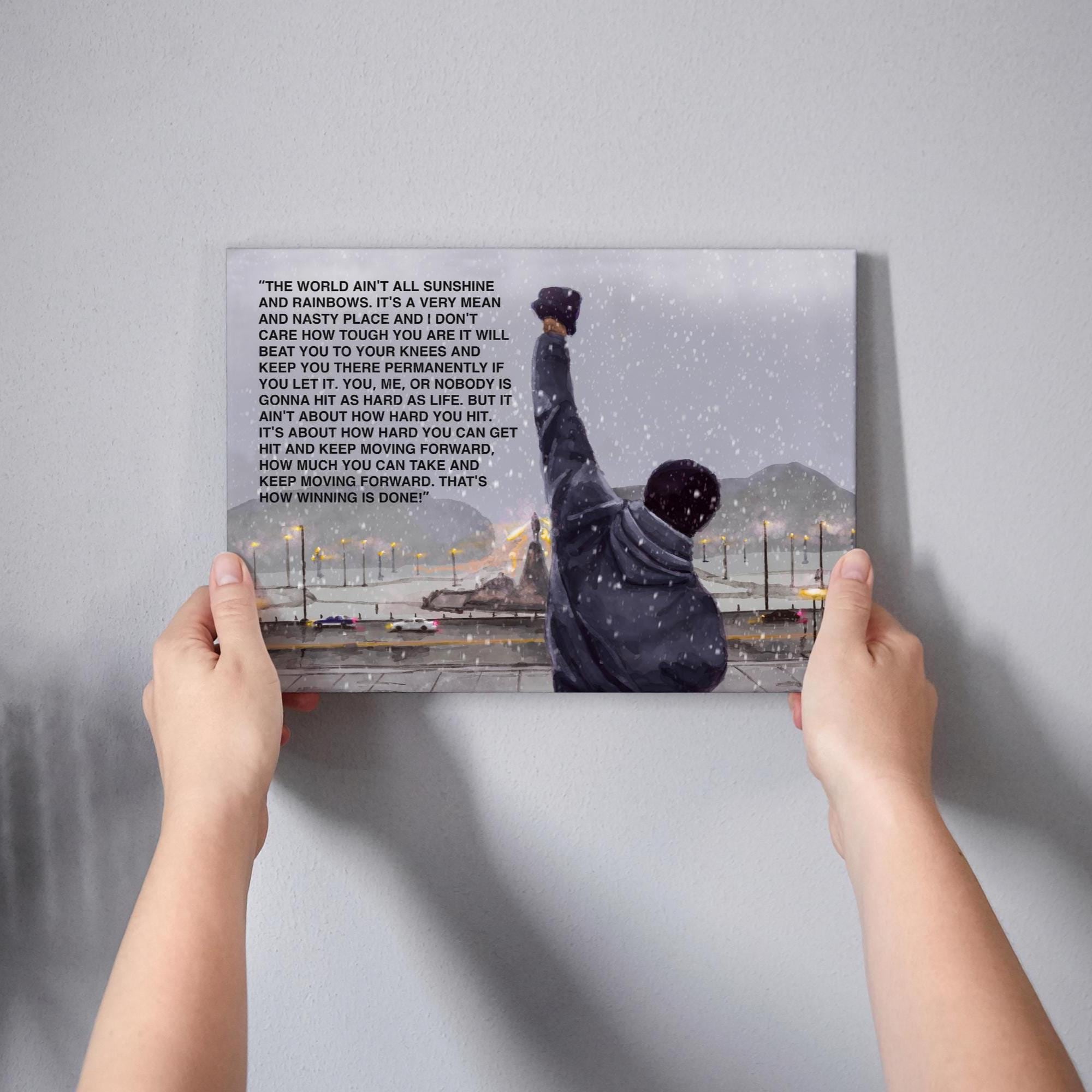
The figure of Rocky Balboa, as introduced in the 1976 film Rocky, serves as a powerful metaphor for the "underdog" entrepreneur. In a business context, this is not merely about physical endurance; it is a study in resourcefulness when facing a superior competitor or a hostile market environment. The core of this inspiration lies in the ability to operate under constraints. Rocky often lacked the training facilities, the sophisticated equipment, and the institutional backing afforded to his opponents.
For the modern business leader, this translates to lean operations. It is the ability to leverage existing assets—often meager—to achieve a disproportionate impact. Whether you are a startup competing against a well-funded legacy incumbent or an established company pivoting during a market contraction, the "Rocky" approach requires a pivot from a reliance on abundance to a reliance on agility and work ethic.
The Anatomy of Strategic Resilience
Resilience in business is often misconstrued as simple stubbornness. However, the true inspiration from the Balboa narrative is the combination of grit and adaptability. In the ring, Rocky sustained significant damage, but he evolved his defensive posture and offensive strategy as the fight progressed.
In the corporate world, this manifests as iterative development. Businesses that succeed are those that view early failure—whether a failed product launch, a rejected funding round, or a supply chain disruption—as data points. Resilience here is the capacity to absorb these hits, analyze the structural weaknesses they revealed, and adjust the "game plan" before the next cycle of the market.
Establishing a Culture of "Heart"
In the franchise, Rocky’s mentor, Mickey Goldmill, consistently emphasized that the defining factor was not just strength, but the "heart" to keep going when the margin for victory appeared non-existent. In business, this is the organizational culture.
A company built on the Rocky Balboa model focuses on:
- Internal Buy-in: Ensuring team members understand the "why" behind the struggle.
- Psychological Safety: Creating an environment where employees feel empowered to fail forward rather than hide errors.
- Mission-Driven Persistence: Aligning the day-to-day grind with a long-term goal that transcends quarterly earnings.
Comparative Dynamics: Market Challenger vs. Market Leader
The "Rocky" approach is inherently that of a challenger. Businesses must determine whether they are in a phase of growth that requires the hunger of an underdog or the defensive posture of an incumbent.
| Strategic Attribute | The Challenger (Rocky Model) | The Incumbent |
|---|---|---|
| Risk Tolerance | High; necessary for market entry | Moderate; focused on capital preservation |
| Operational Focus | Agility and rapid iteration | Stability and scalability |
| Value Proposition | Innovation and disruption | Reliability and brand equity |
| Competitive Stance | Aggressive, pursuit-oriented | Protective, position-oriented |
Practical Application: Implementing the Balboa Mindset
If you are currently leading a project or business that faces significant hurdles, adopting the Balboa philosophy requires moving away from the desire for perfection and toward the reality of consistent effort.
1. Audit Your Constraints
Identify exactly what you are missing—capital, connections, or technology. Instead of viewing these as roadblocks, define them as constraints that force creative problem-solving. If you cannot outspend the competition, you must out-work, out-learn, or out-maneuver them through superior customer intimacy or operational efficiency.
2. The Power of "Going the Distance"
In business, "going the distance" means surviving long enough to reach profitability or market adoption. Many companies fold because they succumb to short-term pressure. Ensure that your liquidity buffers and operational runways are aligned with the reality of your market cycle, allowing you to sustain the fight until the market conditions turn in your favor.
3. Mentorship and Feedback Loops
Rocky was not a solo entity; he required coaching. Even the most resilient entrepreneurs require honest feedback. Establish a board of advisors or a network of mentors who are willing to deliver "hard truths." This feedback loop serves as the tactical corner advice that keeps a business on track during the chaos of rapid scaling or crisis management.
Common Pitfalls in Adopting the Challenger Mindset
While inspiration is a vital tool for leadership, it must be balanced with objective reality. A common error is "hero-complex leadership," where an entrepreneur assumes that sheer effort alone can overcome a fundamentally flawed business model.
The "Rocky" inspiration is only effective when paired with sound financial literacy and market analysis. You cannot win a fight if your opponent is in a different league entirely; you must choose your battles. Strategic grit involves knowing when to push through resistance and when to pivot to a market segment that offers a higher probability of success. Blind perseverance in the face of inevitable failure is a liability, not a virtue.
Frequently Asked Questions
How does an established, large-scale enterprise benefit from an underdog mindset? Large organizations often suffer from bureaucratic inertia. By adopting an underdog mindset, leaders can re-introduce the urgency and risk-taking characteristic of a startup, preventing stagnation and ensuring that the company remains responsive to shifts in consumer behavior.
Is there a risk that this mindset leads to burnout? Yes. The "Rocky" narrative is cinematic, but real-world business requires sustainability. Leaders must implement rest, rotation, and professional development to ensure that the intensity of their vision does not lead to team exhaustion.
What is the primary indicator that this mindset is working? The primary indicator is not immediate victory, but an increase in the company’s "recovery time"—the duration it takes for the organization to bounce back from a setback, pivot, or operational failure.
How do I maintain this mindset during long periods of stagnant growth? Focus on incremental gains. In the absence of massive wins, celebrate the mastery of small processes, the deepening of client relationships, and the incremental improvement of product features.
When is it time to stop "fighting" and move on? When the market feedback confirms that the core value proposition is no longer relevant, or when the cost of acquisition exceeds the lifetime value of the customer beyond a sustainable threshold, it is time to shift strategy rather than simply persisting in an unviable path.
Final Recommendation: The Next Action
To operationalize the inspiration of Rocky Balboa in your business, conduct a "Vulnerability Audit" this week. List the three biggest challenges currently threatening your business stability. For each, map out a "gritty" solution—one that relies on resourcefulness and internal talent rather than external capital. Execute the first step of this plan within 72 hours. Success is not defined by the elimination of obstacles, but by the relentless commitment to overcoming them as they arise.
Image Gallery