Mold Remediation in Cuyahoga Heights: A Complete Professional Guide
Professional mold remediation in Cuyahoga Heights involves a systematic process of moisture control, containment, HEPA-filtered air scrubbing, and the physical removal of fungal growth. Given the village's proximity to the Cuyahoga Riv...
Professional mold remediation in Cuyahoga Heights involves a systematic process of moisture control, containment, HEPA-filtered air scrubbing, and the physical removal of fungal growth. Given the village's proximity to the Cuyahoga River and the regional humidity of Northeast Ohio, prompt intervention is essential to prevent structural degradation and ensure safe indoor air quality standards are maintained.
Contents
Understanding the Mold Challenge in Cuyahoga Heights
Cuyahoga Heights, while small in geographic footprint, presents unique challenges for property owners regarding moisture and mold. Situated along the industrial corridor of the Cuyahoga River, the area experiences high localized humidity and a relatively high water table. These environmental factors, combined with the typical aging infrastructure found in Greater Cleveland, create an ideal breeding ground for fungal colonies.
Mold is not merely a cosmetic issue; it is a biological organism that digests organic material. In a residential or commercial setting, this means the mold is actively consuming drywall, wood framing, and insulation. By 2026, the standards for remediation have evolved to prioritize "source-control"—addressing the underlying water intrusion before or during the cleanup process—to ensure that the remediation is not a temporary fix.
The Impact of Local Geography on Indoor Air Quality
The proximity to the Cuyahoga River valley means that Cuyahoga Heights often experiences "valley fog" and trapped moisture during the transition between seasons. This environmental moisture can infiltrate basements and crawlspaces through hydrostatic pressure or high indoor humidity. When indoor relative humidity exceeds 60%, mold spores—which are naturally present in almost every environment—can settle on organic substrates and begin to colonize within 24 to 48 hours.
Recognizing the Need for Professional Intervention
Distinguishing between a minor mildew issue and a systemic mold infestation is critical for property owners. While small patches of mold (less than 10 square feet) can often be handled by residents using EPA-approved cleaning agents, larger infestations or those following a flood event require professional remediation.
Signs of Hidden Fungal Growth
In many Cuyahoga Heights properties, mold remains hidden behind drywall or under flooring. Indicators that remediation is necessary include:
- Musty Odors: A persistent, earthy smell that remains even after cleaning often indicates microbial volatile organic compounds (mVOCs) released by active colonies.
- Health Symptoms: Occupants may experience unexplained respiratory issues, sneezing, or skin irritation that improves when they leave the premises.
- Efflorescence: While not mold itself, the white, powdery salt deposits on basement masonry walls indicate moisture migration, a precursor to fungal growth.
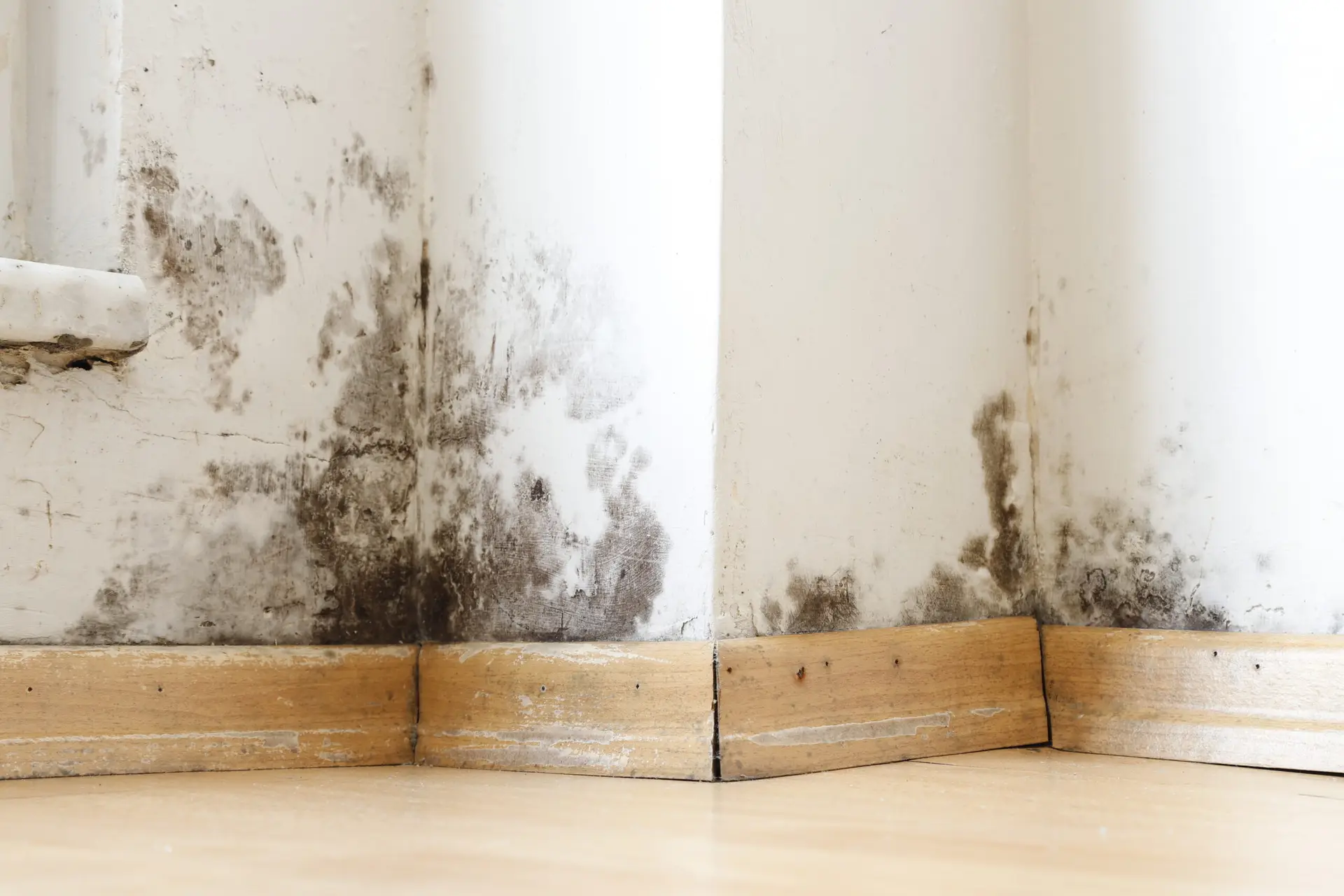
- Discoloration: Any staining on ceiling tiles, drywall, or baseboards should be investigated for "shadowing," which suggests growth on the reverse side of the material.
The Professional Remediation Protocol
Professional mold remediation in 2026 follows the IICRC S520 Standard, which is the gold standard for fungal remediation. This process is designed to protect both the occupants and the workers while ensuring the mold is physically removed, not just "killed" with bleach.
1. Inspection and Moisture Assessment
The process begins with a thermal imaging camera and moisture meters. In Cuyahoga Heights, technicians look for "cold spots" in walls which indicate hidden moisture. Professionals must identify the source—whether it is a foundation crack, a leaking pipe, or a failed sump pump—before proceeding.
2. Containment and Negative Air Pressure
To prevent cross-contamination, the affected area is sealed off using 6-mil polyethylene sheeting. Professionals use "negative air machines" equipped with HEPA (High-Efficiency Particulate Air) filters. This creates a vacuum effect, ensuring that any spores disturbed during the cleanup are sucked into the filtration system rather than drifting into unaffected rooms like the kitchen or bedrooms.
3. HEPA Air Scrubbing
While the physical cleaning occurs, air scrubbers continuously cycle the air within the containment zone. These machines can capture particles as small as 0.3 microns, which includes the vast majority of mold spores and fragmented hyphae.
4. Controlled Demolition and Removal
Porous materials that have been deeply colonized—such as insulation, drywall, and carpeting—cannot be effectively cleaned. These are carefully removed, double-bagged in the containment zone, and disposed of. In many older Cuyahoga Heights homes, this may also involve the careful handling of materials that could contain asbestos or lead-based paint, requiring additional safety protocols.
5. HEPA Vacuuming and Antimicrobial Treatment
Non-porous or semi-porous surfaces (like wood studs or concrete) are cleaned using HEPA vacuums to remove the bulk of the spores. This is followed by "wire brushing" or "media blasting" if the mold has penetrated the wood grain. Finally, an EPA-registered antimicrobial solution is applied to kill any remaining microscopic roots and prevent immediate regrowth.
6. Post-Remediation Verification (PRV)
The final step is often a clearance test. An independent industrial hygienist or a mold inspector takes air and surface samples to verify that the spore count inside the containment area is lower than or equal to the natural outdoor levels.
Estimated Costs of Mold Remediation in Cuyahoga Heights
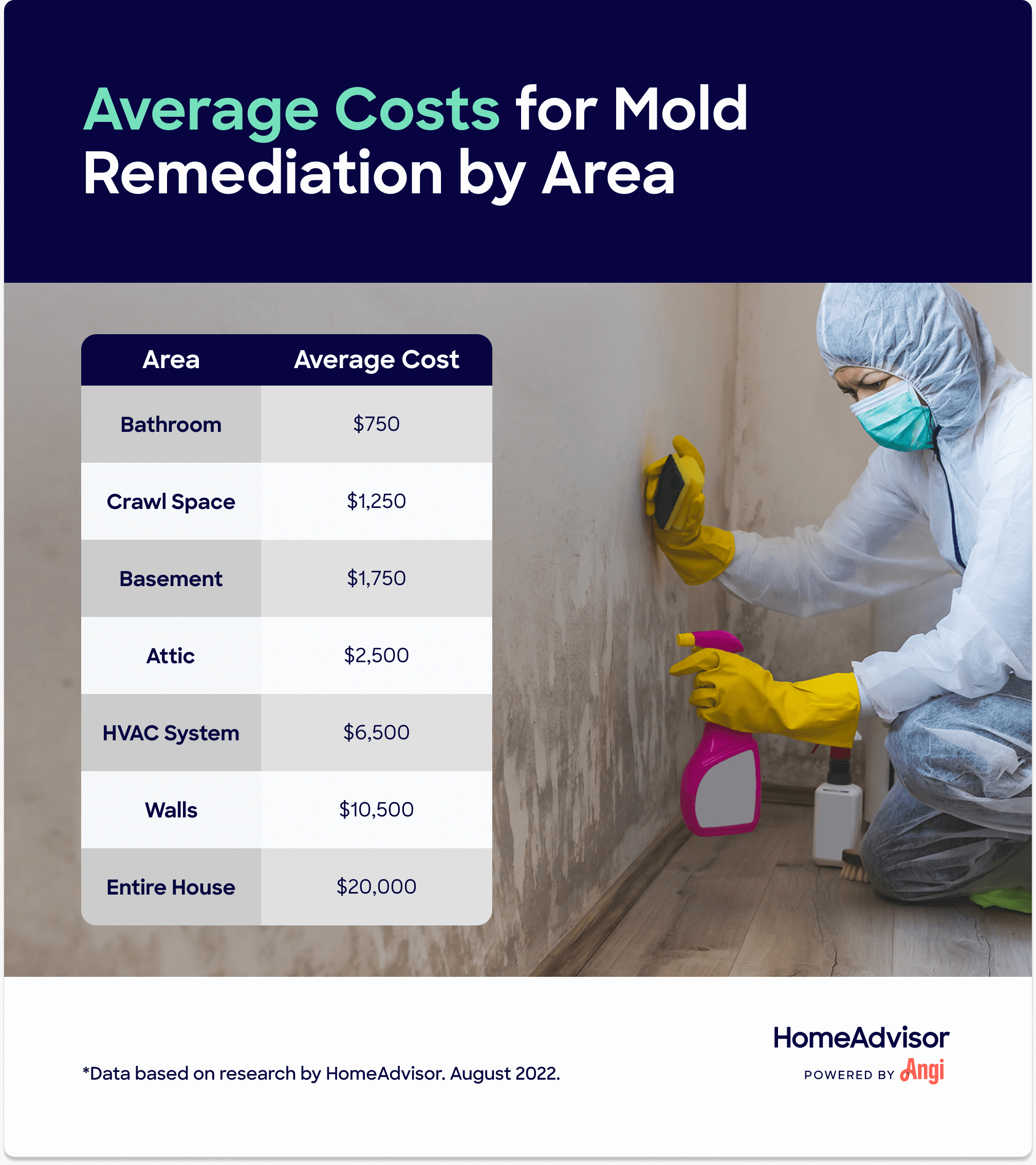
Costs can vary significantly based on the location of the mold and the extent of the damage. In 2026, labor and material costs in the Cleveland metropolitan area reflect broader economic trends.
| Remediation Scope | Estimated Cost Range (2026) | Typical Duration |
|---|---|---|
| Small Bathroom/Closet | $1,200 – $2,500 | 1–2 Days |
| Attic Remediation | $3,500 – $7,000 | 2–3 Days |
| Basement (Partial) | $2,500 – $5,500 | 2–4 Days |
| Whole-Home/Crawlspace | $8,000 – $20,000+ | 5–10 Days |
| HVAC System Cleaning | $1,500 – $4,000 | 1 Day |
Note: These estimates cover remediation (cleanup) and do not always include the cost of "build-back" or reconstruction (e.g., replacing the drywall and painting).
Navigating Insurance and Legal Considerations in Ohio
In Ohio, mold coverage is often a "limited" endorsement on homeowners' insurance policies. Most policies will cover mold remediation only if it is the direct result of a "covered peril," such as a pipe burst. Mold resulting from long-term humidity, lack of maintenance, or ground-water flooding (without separate flood insurance) is typically excluded.
Property owners in Cuyahoga Heights should check their policies for a "Mold Limitation" or "Fungi, Wet or Dry Rot" clause. These often cap coverage at $5,000 or $10,000, which may not cover the full cost of a major basement remediation. Furthermore, Ohio law does not currently require mold remediators to hold a specific state-level "mold license" (unlike asbestos), which makes it imperative for consumers to verify IICRC certification and high-limit liability insurance manually.
Preventative Strategies for the 2026 Climate
Given the moisture-heavy environment of Cuyahoga Heights, remediation is only successful if it is followed by rigorous prevention.
- Humidity Regulation: Maintain indoor relative humidity below 50%. In the humid Ohio summers, this requires a high-capacity dehumidifier, ideally one that is hard-wired into the HVAC system or has a direct-drain line to a floor drain.
- Sump Pump Redundancy: Since many Cuyahoga Heights basements are prone to hydrostatic pressure, installing a battery-backup sump pump is a primary defense against the flooding that leads to mold.
- Grading and Gutters: Ensure that the soil around the foundation slopes away from the house and that gutters are cleared of debris. The heavy leaf fall in the Cuyahoga Valley can quickly clog drainage systems, leading to basement seepage.
- Vapor Barriers: For homes with crawlspaces, a 20-mil vapor barrier and crawlspace encapsulation are the most effective ways to prevent the "stack effect," where moisture from the earth rises into the living spaces of the home.
FAQ
How do I know if the mold in my home is "Black Mold"?
The term "black mold" usually refers to Stachybotrys chartarum, a dark-colored fungus that produces mycotoxins. However, many types of mold appear black, including common Aspergillus or Cladosporium. The color is not an accurate indicator of toxicity. Only professional laboratory testing can identify the specific species of mold and determine its potential health risks.
Can I just use bleach to kill the mold?
Bleach is generally discouraged for mold remediation on porous surfaces like wood or drywall. While bleach kills surface mold, its chemical structure prevents it from penetrating deep into the material to reach the "roots" (hyphae). Furthermore, the water content in bleach can actually provide the moisture needed for the mold to return even more aggressively.
Is mold remediation covered by my Cuyahoga Heights property insurance?
It depends on the cause. If the mold was caused by a sudden, accidental water leak (like a water heater failure), it is likely covered up to your policy limit. If the mold is the result of seepage through the foundation or high humidity, it is usually excluded. Review your policy for "Perils Insured Against."
How long does the remediation process take?
For a standard residential project in Cuyahoga Heights, the process typically takes between three and five days. This includes a day for setup and containment, one to two days for cleaning and removal, and 24 to 48 hours for the air scrubbers to finish clearing the air before final testing.
Should I stay in my house during the remediation?
If the mold is confined to a basement or a specific room that can be fully contained, you can usually stay in the home. However, if the HVAC system is contaminated or if the mold is present in multiple living areas, it is often recommended to vacate the property until a clearance test has been passed to avoid exposure to disturbed spores.
Practical Recommendation
If you suspect mold in your Cuyahoga Heights property, the first step is to stop the moisture source. Turn off water valves if a leak is suspected or run a dehumidifier to slow fungal growth. Do not attempt to scrub large areas of mold without respiratory protection (N95 or P100 masks), as this aerosolizes the spores. Your next action should be to contact a certified remediation professional to perform a moisture map of the property and provide a detailed scope of work.
Image Gallery