Navigating the National Hispanic Heritage Month 2026 Timeline: Key Dates and Commemorations
National Hispanic Heritage Month runs annually from September 15 to October 15, establishing a structured 30-day timeline that honors the histories, cultures, and contributions of American citizens whose ancestors came from Spain, Mexi...
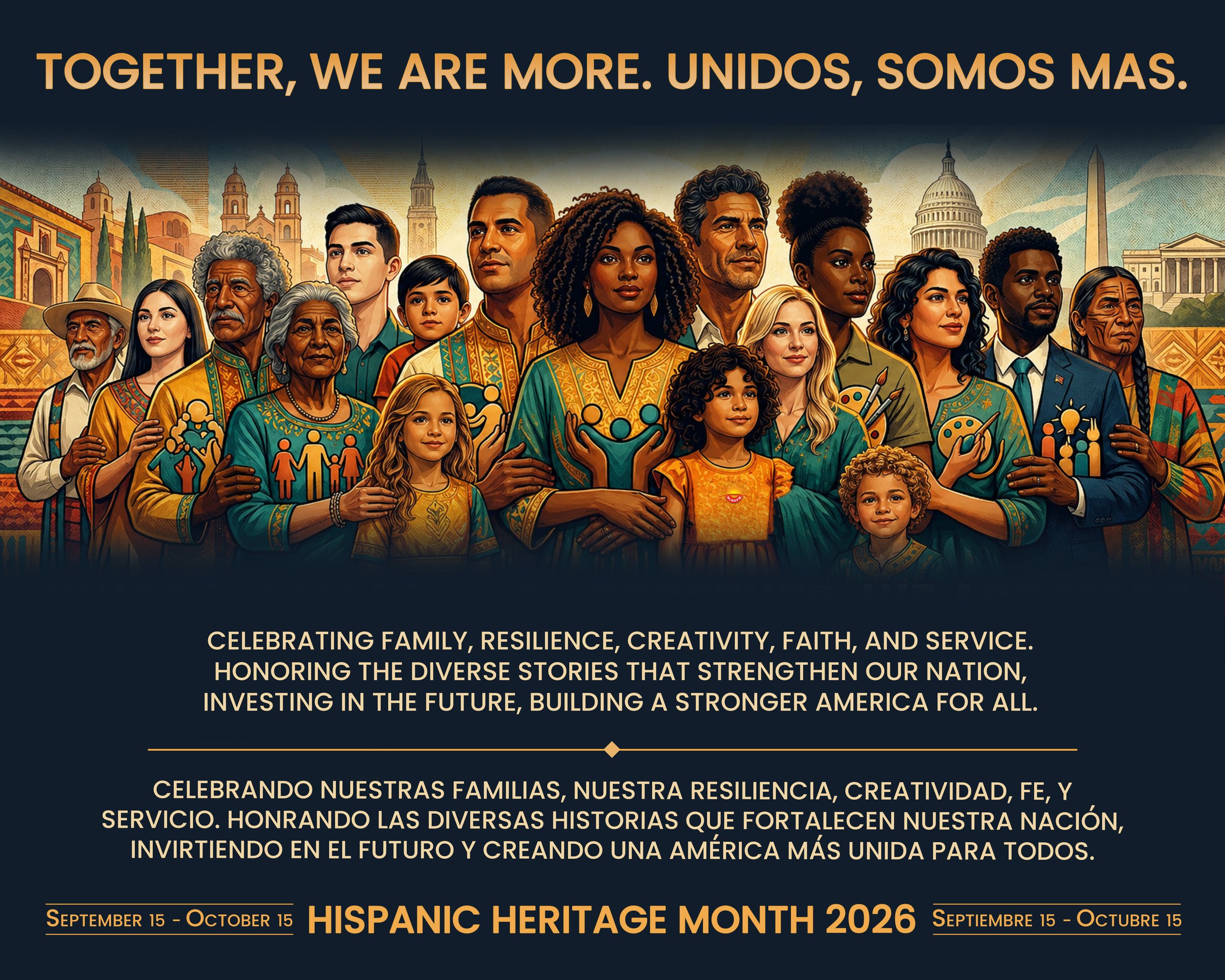
National Hispanic Heritage Month runs annually from September 15 to October 15, establishing a structured 30-day timeline that honors the histories, cultures, and contributions of American citizens whose ancestors came from Spain, Mexico, the Caribbean, and Central and South America. Understanding this timeline allows educators, cultural organizations, corporate entities, and community leaders to plan educational programs, exhibitions, and civic events that align with historical milestones and national observances.
Contents
Historical Foundations and Legislative Origins
The observance of Hispanic heritage in the United States began as a localized initiative before evolving into a nationally recognized month-long celebration. Tracing its origins provides essential context for the contemporary framework observed each autumn.
From Hispanic Heritage Week to National Expansion
The legislative trajectory of the celebration started on June 11, 1968, when California Representative George E. Brown introduced a resolution asking the President to proclaim a national Hispanic heritage week. President Lyndon B. Johnson issued the first Presidential Proclamation for Hispanic Heritage Week on September 17, 1968. This initial focus centered specifically on the week that included September 15 and September 16.
For two decades, the observance remained a week-long event. However, by the late 1980s, advocates pushed for an expanded timeframe to provide adequate space for educational programming, artistic showcases, and community reflections. On August 17, 1988, Public Law 100-402 was enacted, amending the original scope and officially expanding the observance to a 30-day period spanning from September 15 to October 10. President Ronald Reagan signed the proclamation designating the new 31-day period, which officially runs through October 15.
Significance of the September 15 Starting Date
The selection of September 15 as the starting date is historically significant because it coincides with the anniversary of independence for several Latin American nations. Costa Rica, El Salvador, Guatemala, Honduras, and Nicaragua all declared their independence from Spain on September 15, 1821.
Furthermore, the adjacent calendar days carry immense historical weight for the region. Mexico celebrated its independence on September 16, following the historic Grito de Dolores issued by Miguel Hidalgo y Costilla in 1810. Chile observed its independence day shortly after on September 18, and Belize marked its independence on September 21, 1981. Beginning the heritage observance on September 15 anchors the entire timeline in these foundational movements toward national sovereignty and self-determination across Latin America.
Comprehensive 2026 Chronological Framework
Planning events, federal programs, and educational curricula requires mapping out specific dates and milestones within the 2026 observance window. The following timeline outlines key observances occurring throughout the month.
| Date (2026) | Observance or Milestone | Significance |
|---|---|---|
| September 15 | Opening Day of National Hispanic Heritage Month | Marks the anniversary of independence for Costa Rica, El Salvador, Guatemala, Honduras, and Nicaragua. |
| September 16 | Mexican Independence Day | Commemorates the Grito de Dolores and the beginning of Mexico's war of independence from Spain. |
| September 18 | Chilean Independence Day (Fiestas Patrias) | Celebrates the establishment of the First Government Junta of Chile in 1810. |
| September 21 | Belize Independence Day | Marks the anniversary of Belize gaining independence from Great Britain in 1981. |
| October 12 | Día de la Raza / Indigenous Peoples' Day / Columbus Day | Reflects on the complex intersections of European, Indigenous, and African heritage in the Americas. |
| October 15 | Conclusion of Hispanic Heritage Month | Final day of the federally designated 30-day commemorative period. |
Early-Month Milestones: Mid-September Focus
The first week of the timeline concentrates heavily on Central American independence anniversaries and Mexican Independence Day. Institutions often schedule keynote addresses, flag-raising ceremonies, and civic kick-off events during this window. Local governments, libraries, and public school districts use September 15 through September 22 to introduce foundational units on Latin American history, literature, and geography.
Mid-Month to Late-Month Programming: Cultural and Institutional Integration
As the calendar moves into late September and early October, programming typically shifts from political history to cultural expression, scientific achievements, economic contributions, and artistic showcases. Museums and cultural centers debut special exhibitions featuring Hispanic artists, filmmakers, and historical artifacts. Academic institutions hold symposiums focusing on contemporary sociological trends, public policy, and the socio-economic impact of Hispanic communities in the United States.
Culmination: Mid-October Markers
The final days of the timeline, culminating on October 15, often feature closing galas, youth leadership summits, and awards ceremonies honoring prominent Hispanic figures in fields such as science, law, the arts, and public service. Organizations use this final week to synthesize the lessons and cultural displays presented over the preceding month, setting the stage for ongoing community engagement throughout the rest of the year.
Federal and Institutional Observances
Federal agencies, cultural institutions, and educational bodies operate under specific guidelines to recognize the month. The Library of Congress, National Archives and Records Administration, National Endowment for the Humanities, National Gallery of Art, National Park Service, and Smithsonian Institution jointly publish resources, curate online exhibitions, and host public events.
Federal Agency Participation
Federal agencies are mandated by executive and legislative frameworks to recognize the contributions of Hispanic Americans. Human resources and diversity offices within federal departments organize internal panel discussions, guest speaker series, and cultural showcases. These events highlight the role of Hispanic civil servants, military personnel, and researchers in shaping public infrastructure and national security.
Educational Integration and Curriculum Guidelines
School districts across the United States integrate the 2026 timeline into social studies, literature, and art curriculums. Educators utilize primary source documents from the Library of Congress and digital archives from the Smithsonian Latino Center to develop lesson plans. These materials explore topics ranging from early Spanish exploration and colonization to contemporary labor movements, civil rights activism, and modern economic entrepreneurship.
Best Practices for Event Planning and Program Scheduling
Organizations, businesses, and community groups seeking to engage with the 2026 National Hispanic Heritage Month timeline must approach scheduling with strategic intent and cultural authenticity.
- Audit Content Authenticity: Ensure that speakers, artists, and historians featured in programming represent the diverse nationalities, regional backgrounds, and racial identities within the broader Hispanic diaspora.
- Distribute Events Across the 30-Day Window: Avoid concentrating all activities solely on the opening days. Spreading events throughout the entire September 15 to October 15 timeline maintains consistent engagement and educational impact.
- Collaborate with Local Organizations: Partner with established Hispanic community centers, chambers of commerce, and cultural societies to co-create programs that reflect local community needs and histories.
- Incorporate Educational and Professional Development: Move beyond purely celebratory food and music events by incorporating professional networking mixers, academic lectures, and workshops focused on career advancement and civic participation.
Frequently Asked Questions
Why does National Hispanic Heritage Month start on September 15 instead of the first of the month?
The start date was specifically chosen because it marks the independence anniversaries of five Latin American countries: Costa Rica, El Salvador, Guatemala, Honduras, and Nicaragua. Starting on September 15 also places the observance immediately adjacent to Mexico's Independence Day on September 16 and Chile's on September 18, creating a historically cohesive starting point.
Was National Hispanic Heritage Month always a 30-day observance?
No. When first established by President Lyndon B. Johnson in 1968, it was a week-long observance known as Hispanic Heritage Week. It was later expanded to a 30-day period following the passage of Public Law 100-402, which was enacted on August 17, 1988.
How do federal agencies participate in the observance?
Federal institutions, including the Smithsonian Institution, the Library of Congress, and the National Endowment for the Humanities, collaborate to provide public exhibitions, educational toolkits, digital archives, and commemorative events highlighting Hispanic history and culture.
What is the distinction between Hispanic, Latino, and Latine?
"Hispanic" generally refers to people whose ancestral origins lie in a Spanish-speaking country. "Latino" or "Latina" refers to people with origins in Latin America. "Latine" is a gender-neutral linguistic term used by some communities in Spanish-speaking and diaspora contexts to encompass all gender identities.
Where can educators find official resources for the 2026 timeline?
Educators can access verified primary sources, lesson plans, and digital exhibits through the collaborative federal portal hosted by the Library of Congress, National Archives, National Endowment for the Humanities, and the Smithsonian Institution.
Next Actions and Implementation
To prepare effectively for the 2026 observance, stakeholders should begin coordinating schedules well in advance of the September 15 start date. Review institutional calendars, secure venue spaces, establish partnerships with cultural organizations, and leverage digital archives provided by federal heritage institutions to build comprehensive, historically accurate, and engaging programming throughout the 30-day window.
Image Gallery