Understanding the Shifts Between Gen X, Gen Y, and Gen Z
Understanding the shifts between Gen X, Gen Y, and Gen Z requires examining how distinct economic, technological, and cultural milestones shaped each demographic group. From Gen X's self-reliant pragmatism to Gen Y's purpose-driven col...
Understanding the shifts between Gen X, Gen Y, and Gen Z requires examining how distinct economic, technological, and cultural milestones shaped each demographic group. From Gen X's self-reliant pragmatism to Gen Y's purpose-driven collaboration and Gen Z's hyper-connected realism, these generational evolutions reshape workplace dynamics, consumer expectations, and communication strategies across modern organizations.
Contents
Defining the Three Eras: Chronology, Context, and Identity
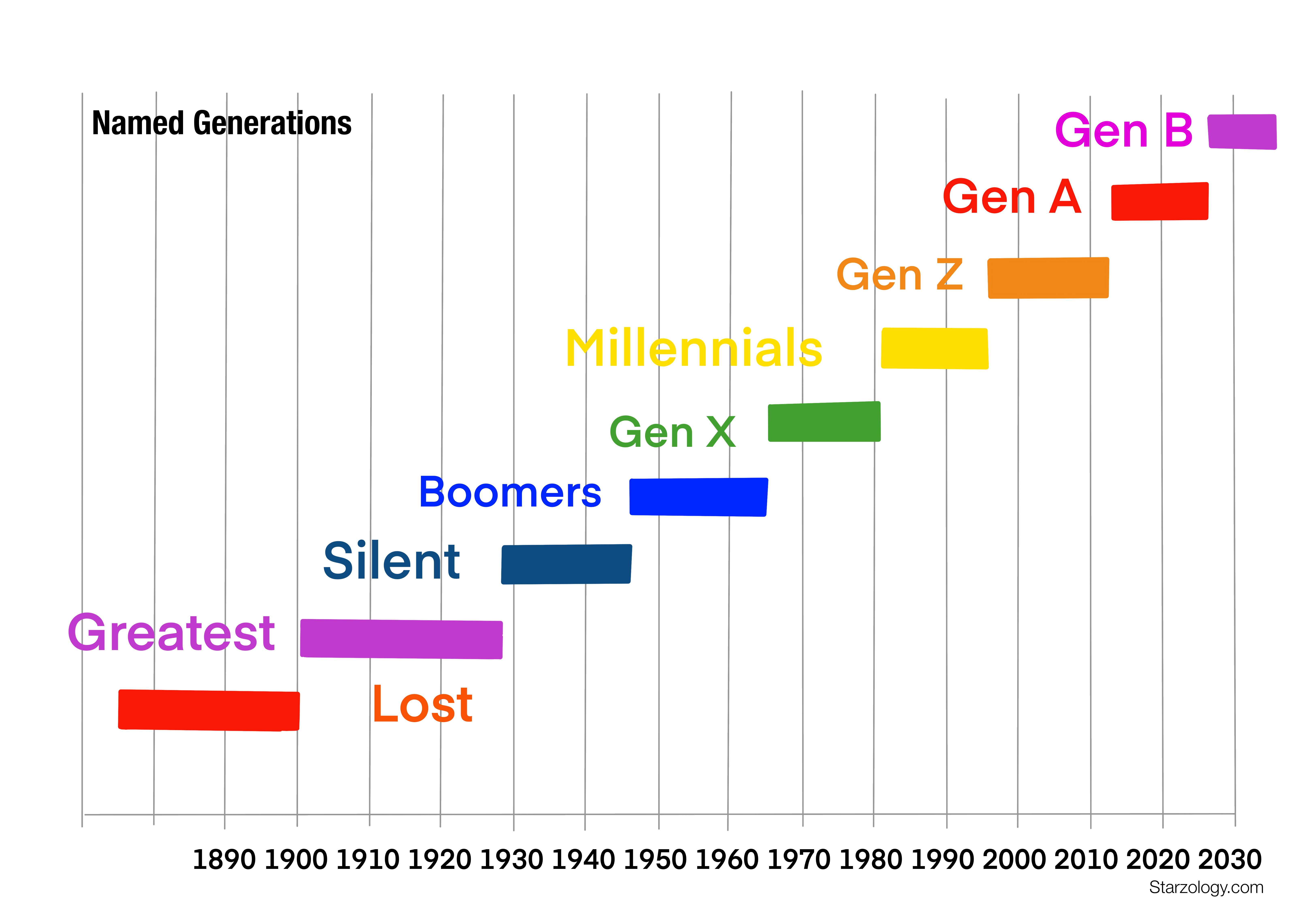
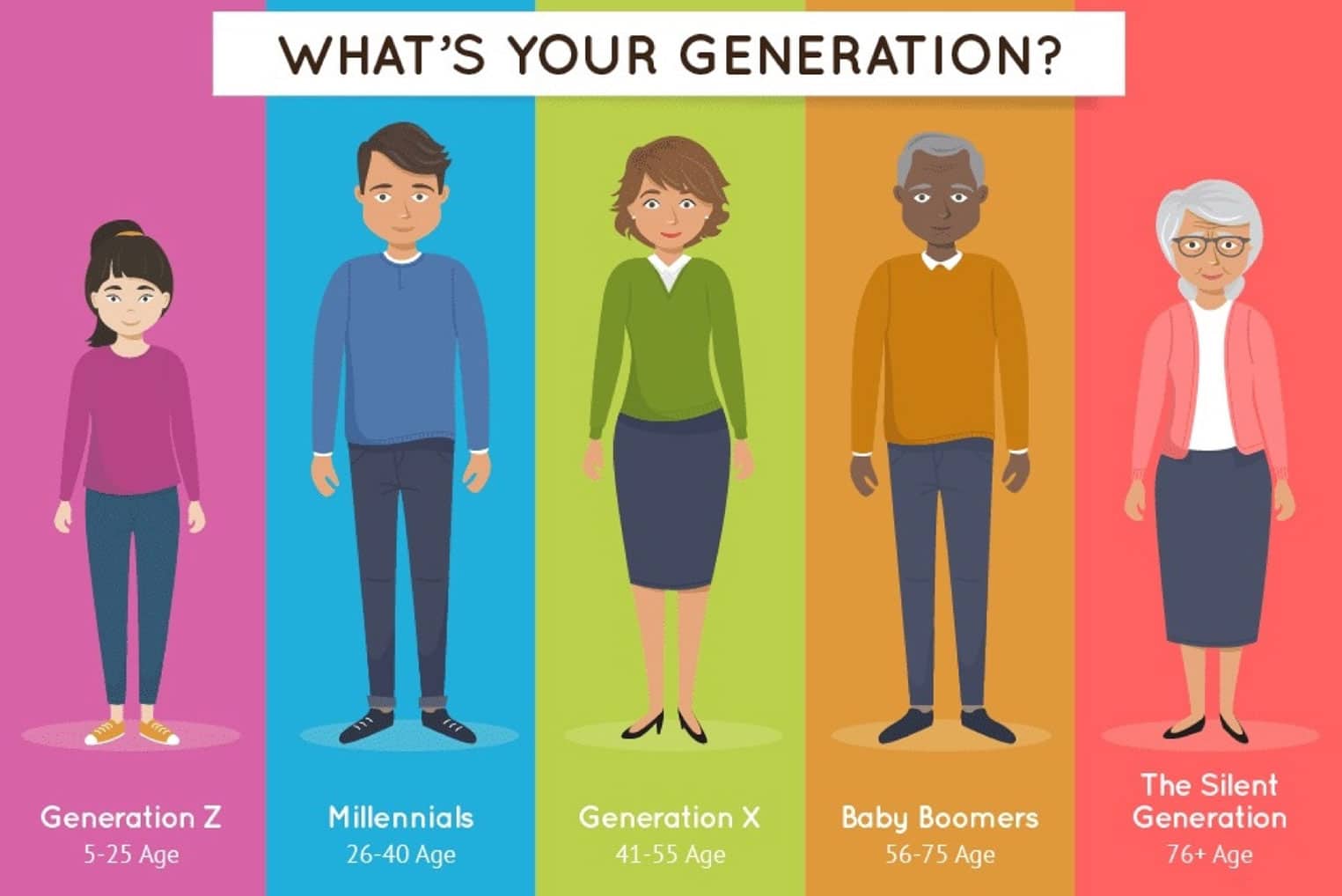
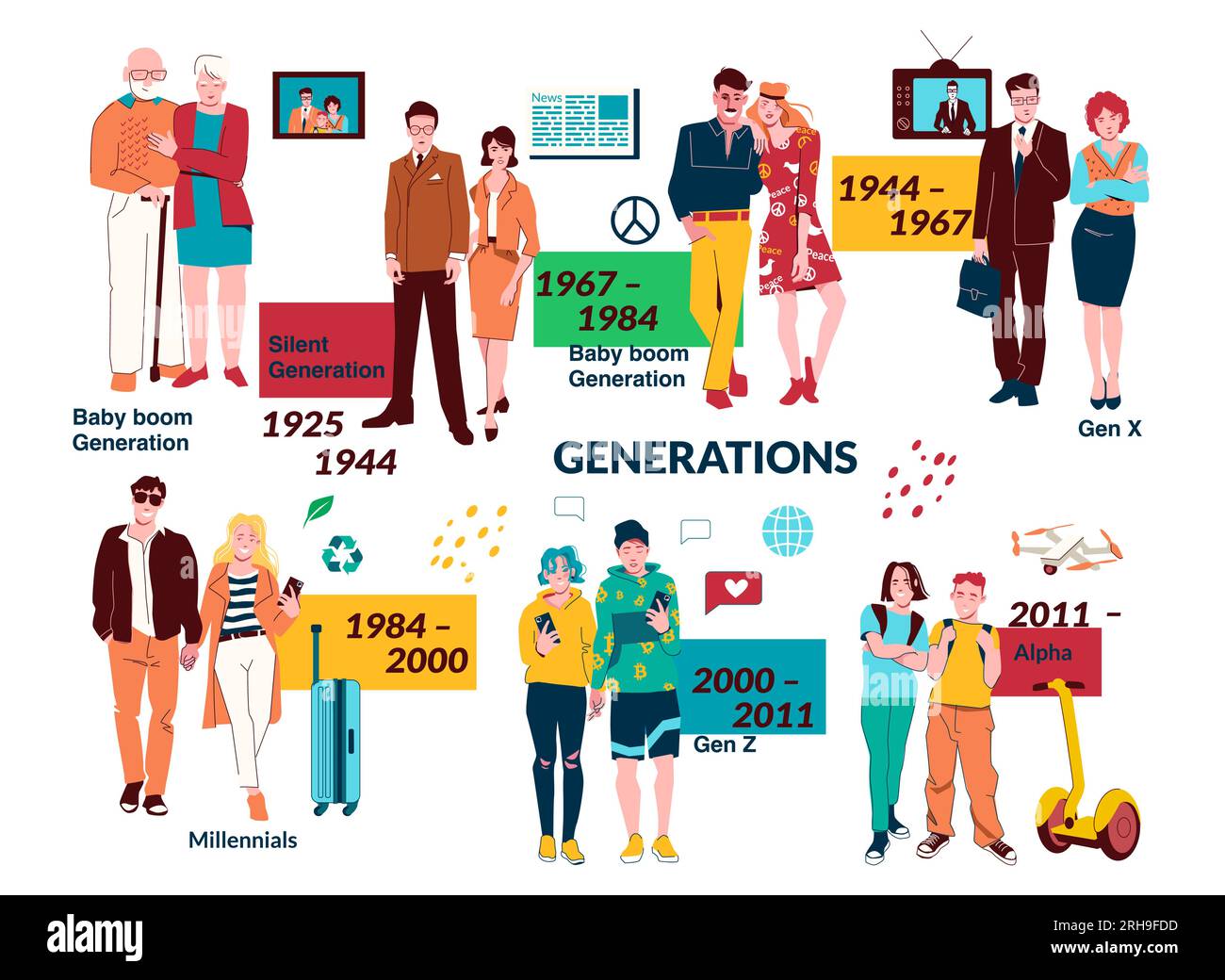
Demographic researchers typically segment generations by shared historical experiences, technological advancements, and socio-economic shifts. While boundaries can vary slightly by region, standard social science frameworks define Generation X, Generation Y (Millennials), and Generation Z by distinct birth year cohorts.
Generation X (1965–1980): The Independent Bridge Between Analog and Digital
Generation X includes individuals born between 1965 and 1980. Entering early adulthood during the late 20th century, Gen Xers experienced the shift from an analog world to the early days of personal computing. Often raised in households where both parents worked or in single-parent homes—earning them the title of the "latchkey generation"—Gen X developed a strong sense of self-reliance, autonomy, and skepticism toward institutional authority.
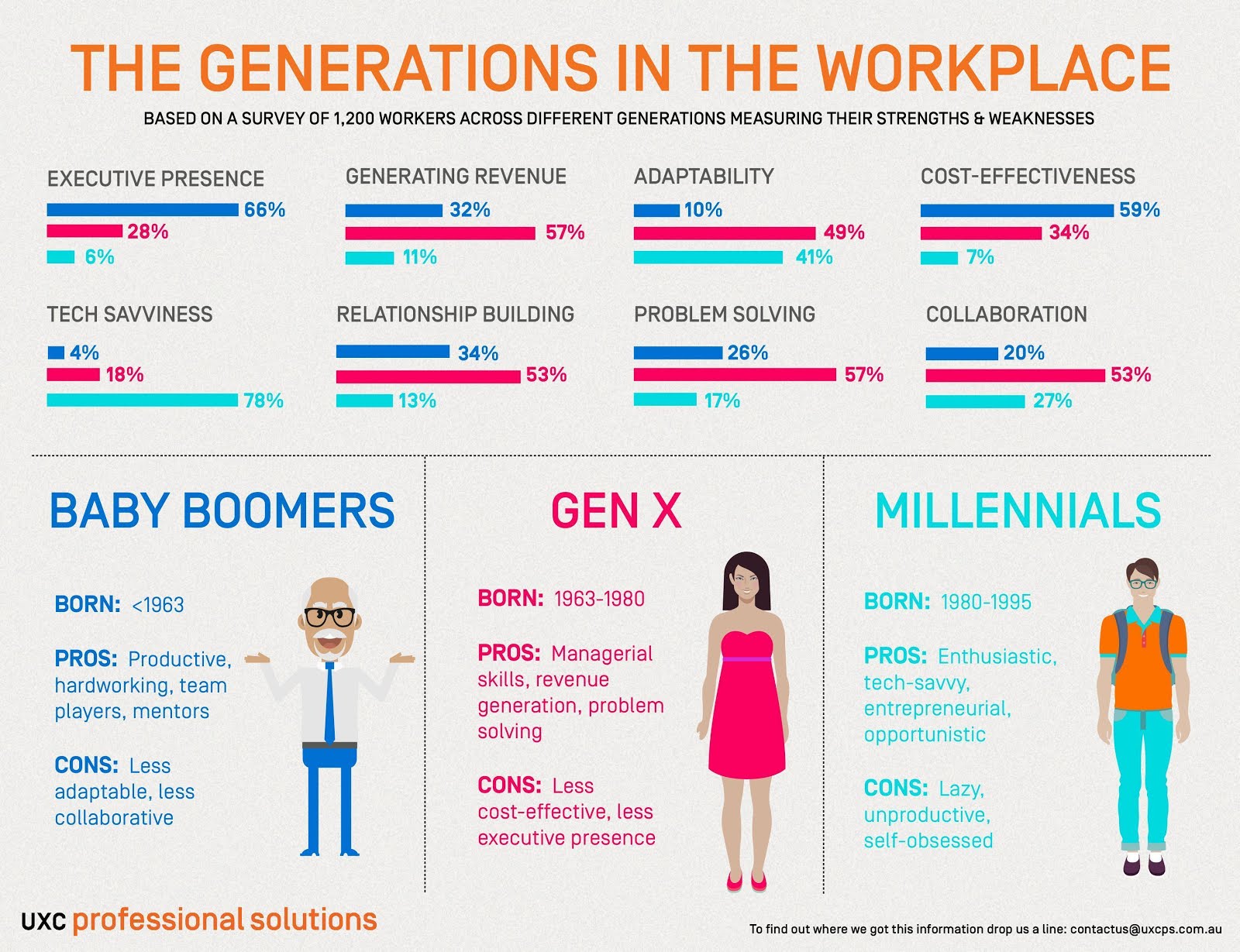
Macroeconomic conditions during their formative years included the economic downturns of the late 1970s and early 1980s, corporate downsizing in the 1990s, and the 2008 financial crisis mid-career. These experiences cultivated an entrepreneurial, pragmatic outlook on work and career stability. In the current labor force, Gen X occupies the majority of C-suite and upper-management leadership roles, acting as an operational bridge between legacy corporate structures and modern digital operations.
Generation Y / Millennials (1981–1996): Digital Pioneers and Purpose Seekers
Generation Y, commonly referred to as Millennials, spans birth years from 1981 to 1996. This cohort reached adulthood at the turn of the millennium, witnessing the explosion of the consumer internet, mobile communication, and social networking platforms.
Millennials were encouraged to pursue higher education at record rates, but they entered the workforce alongside major economic disruptions, notably the Great Recession of 2008. Consequently, Gen Y faced unique financial headwinds, including rising higher education costs, real estate inflation, and delayed traditional milestones such as homeownership and marriage.
Culturally, Gen Y shifted workplace standards away from rigid command-and-control hierarchies toward collaborative environments, work-life integration, and mission-driven corporate responsibility. They prioritize personal development, corporate purpose, and continuous feedback.
Generation Z (1997–2012): True Digital Natives and Pragmatic Realists
Generation Z comprises individuals born between 1997 and 2012. Unlike their predecessors, Gen Z grew up with internet access, smartphones, and social platforms present from early childhood. They are the first true "digital native" generation, experiencing seamless connectivity across all areas of daily life.
Gen Z’s worldview was heavily influenced by observing the financial stress of their Millennial siblings or parents during the 2008 downturn, followed by global public health disruptions and high inflation cycles early in their own entry into higher education and the workforce. As a result, Gen Z combines the digital agility of Millennials with a pragmatic, risk-averse economic mindset reminiscent of Gen X. They place high value on pay transparency, job security, mental health support, and authentic organizational practices.
Major Sociocultural and Economic Shifts Across Generations
The progression from Gen X to Gen Y and Gen Z reflects broad structural changes in societal values, communication channels, economic conditions, and technological infrastructure.
1. Technology Adoption: From Adaptors to Digital Natives
The relationship with technology represents one of the most prominent differentiators across these three generations:
- Gen X (Digital Adaptors): Learned to use technology out of practical necessity during adulthood. They adapt comfortably to digital platforms, such as cloud enterprise tools and email, but retain deep familiarity with analog processes.
- Gen Y (Digital Pioneers): Witnessed the birth of search engines, social networks, and mobile apps. They actively shaped consumer internet culture and remain highly comfortable adopting new platforms and digital workflows.
- Gen Z (Digital Natives): Do not recall a time before ubiquitous connectivity. Their tech consumption centers on mobile-first environments, asynchronous video, algorithmic content distribution, and real-time messaging systems.
2. Workplace Values and Career Expectations
Workplace expectations have undergone a fundamental transformation across all three cohorts.
Gen X values independence, operational efficiency, and clear boundaries between professional and personal life. They generally prefer autonomy over micromanagement, evaluating performance on output rather than hours spent at a desk.
Gen Y challenged traditional office structures by advocating for flexible working arrangements, remote work options, flat managerial hierarchies, and empathetic leadership. For Millennials, a job must align with personal values, offering a sense of purpose alongside financial compensation.
Gen Z refined these workplace expectations by emphasizing practical stability, psychological safety, and clear boundary setting. While Gen Z values meaningful work, they place strong weight on baseline pay, structured career progression, formal mental health resources, and practical work-life separation.
3. Financial Outlook and Economic Reality
Economic conditions during formative years deeply shape how each generation manages wealth, spending, and debt.
Gen X maintains a pragmatic approach to personal finance, heavily balancing traditional assets, retirement accounts, and real estate investments. Having navigated multiple recessions mid-career, they prioritize financial independence and long-term stability.
Gen Y faced prolonged economic friction, leading to delayed asset accumulation compared to prior generations at similar ages. Many rely on modern financial technology platforms, direct-to-consumer services, and flexible investment strategies to build equity despite high debt-to-income ratios from student loans.
Gen Z approaches personal finance with heightened caution and early interest in financial literacy. They leverage digital platforms to track spending, explore side revenue streams early, and prioritize lower consumer debt. Their spending habits favor cost transparency, second-hand circular commerce, and direct value over brand prestige.
Comparative Overview of Gen X, Gen Y, and Gen Z
The following table summarizes the key characteristics, preferences, and cultural markers defining each generation.
| Feature / Metric | Generation X (1965–1980) | Generation Y / Millennials (1981–1996) | Generation Z (1997–2012) |
|---|---|---|---|
| Primary Age Cohort | Mid-40s to Early 60s | Early 30s to Mid-40s | Mid-Teens to Late 20s |
| Defining Cultural Events | End of Cold War, rise of personal computer, 1990s dot-com boom | 2008 Great Recession, rise of social media, smart mobile adoption | Global pandemic disruptions, AI emergence, climate action movements |
| Primary Communication Preference | Email, phone, direct face-to-face interaction | Messaging apps, collaborative docs, curated social channels | Short-form video, instant messaging, asynchronous channels |
| Core Workplace Motivator | Autonomy, self-direction, financial stability | Purpose, career progression, workplace flexibility | Pay equity, work-life balance, mental health support |
| View of Technology | Practical tool for efficiency | Transformative lifestyle driver | Natural environment; foundational assumption |
| Financial Disposition | Resourceful, retirement-focused, self-reliant | Value-driven, debt-conscious, experiential spender | Pragmatic, security-minded, early financial planning |
| Managerial Preference | Hands-off, result-driven | Empathetic, coaching-oriented, feedback-rich | Clear guidelines, structured feedback, psychological safety |
Managing and Collaborating Across a Tri-Generational Workforce
With Gen X in senior executive positions, Gen Y occupying middle management and senior individual contributor roles, and Gen Z rapidly filling entry-to-mid-level positions, organizations operate within a tri-generational environment. Aligning these cohorts requires intentional management strategies.
- Generation X: Leadership, Strategic Oversight, Autonomy
- Generation Y (Millennials): Middle Management, Purpose & Collaboration
- Generation Z: Operational Execution, Digital Fluency, Pragmatism
Bridging Communication Gaps
Communication preferences vary sharply between generations. Gen X favors direct, concise communication through traditional corporate channels like email or scheduled meetings. Gen Y leans heavily on real-time collaborative platforms like Slack, Microsoft Teams, and shared workspaces. Gen Z prefers short, concise, and asynchronous updates, often leaning on visual media and instant messaging.
To prevent communication friction:
- Standardize organizational communication guidelines by defining which tools serve specific channels (e.g., email for official external communication, real-time chat for daily updates).
- Avoid assumptions about technological competence or preference based purely on age; establish uniform onboarding for all internal tools.
- Provide clear context when delegating assignments, ensuring expectations are explicitly documented rather than assumed.
Aligning Compensation and Career Pathways
While Gen Y drove demand for holistic perks, flexible hours, and mission-aligned corporate initiatives, Gen Z places strong emphasis on direct cash compensation, clear progression paths, and transparent pay scales. Gen X seeks long-term retention packages, leadership autonomy, and retirement transition security.
Effective talent strategies must accommodate these varying priorities:
- Offer flexible benefit selections where employees choose between higher tuition reimbursement, enhanced health/wellness stipends, or robust retirement matching.
- Define measurable criteria for promotion to satisfy Gen Z’s preference for rapid, transparent feedback while supporting Gen Y’s focus on professional development.
Establishing Cross-Generational Knowledge Exchange
Multi-generational workforces benefit from structured knowledge-sharing programs. Senior Gen X leaders possess institutional knowledge, negotiation experience, and risk management strategies. Conversely, younger Gen Y and Gen Z employees bring deep familiarity with emerging technologies, digital consumer trends, and changing customer perspectives.
Implementing reverse mentorship programs—where junior employees mentor senior leaders on emerging technologies or modern consumer behaviors, while senior leaders provide career sponsorship—helps build mutual respect and breaks down demographic silos within enterprise settings. Research from the Pew Research Center on generational trends highlights that shared learning opportunities reduce workplace friction and enhance retention across all age groups.
Frequently Asked Questions
What are the birth year boundaries for Gen X, Gen Y, and Gen Z?
Generation X includes individuals born from 1965 to 1980. Generation Y (Millennials) spans from 1981 to 1996. Generation Z includes individuals born between 1997 and 2012. Demographic research institutions, such as the Pew Research Center, broadly accept these age cohorts.
How do workplace motivators differ between Millennials and Gen Z?
Millennials generally prioritize career purpose, corporate culture, collaborative environments, and rapid learning opportunities. Gen Z, while valuing ethical corporate standards, places higher immediate emphasis on base salary, job security, pay transparency, work-life boundaries, and mental health resources due to entering the workforce during period of higher economic uncertainty.
Why is Generation X sometimes referred to as the "Invisible Generation"?
Generation X is relatively smaller in population compared to the large Baby Boomer generation before them and the expansive Millennial generation after them. Because media coverage often focuses on the sheer demographic size of Boomers and Millennials, Gen X is sometimes referred to as the "Invisible" or "Forgotten" Generation despite holding major leadership roles across corporate and civic sectors.
How has technology shaped Gen Z compared to previous generations?
Gen X adapted to digital technologies during early adulthood, and Millennials grew up alongside the birth of the consumer internet. In contrast, Gen Z is the first generation to be born into a world of ubiquitous mobile computing, smart devices, and social media networks. As a result, Gen Z expects instant access to information, seamless digital interactions, and mobile-first platform design by default.
What strategies foster collaboration across all three generations in a single organization?
Organizations can foster multi-generational harmony by establishing clear communication protocols, offering customizable benefits, structuring transparent evaluation frameworks, and running formal cross-generational mentorship programs. Emphasizing common goals rather than stereotyping age cohorts helps build an inclusive work culture.
Practical Action Items for Organizations
To successfully navigate the shifts between Gen X, Gen Y, and Gen Z, leaders and human resource practitioners should execute the following steps:
- Conduct an Organizational Demographic Audit: Map the age and generation distribution across organizational levels to identify where communication or leadership bottlenecks exist.
- Modernize Communication Protocols: Establish central guidelines defining which communication mediums (email, messaging platforms, video conferencing) are appropriate for specific task types to avoid burnout and miscommunication.
- Implement Flexible Compensation Models: Transition from rigid benefits packages to customizable offerings that allow employees to prioritize retirement contributions, wellness stipends, or continuous education based on their stage in life.
- Formalize Transparent Promotion Frameworks: Create explicit performance metrics for advancement to meet Gen Z's demand for career transparency and Gen Y's goal of continuous professional growth.
Image Gallery