How to Know if a CPAP Machine Is Covered by Insurance: A Complete Guide for 2026
To determine if your CPAP machine is covered by insurance, you must first verify that your plan includes Durable Medical Equipment (DME) benefits. Most insurers require a formal sleep apnea diagnosis from a clinical sleep study, a phys...
To determine if your CPAP machine is covered by insurance, you must first verify that your plan includes Durable Medical Equipment (DME) benefits. Most insurers require a formal sleep apnea diagnosis from a clinical sleep study, a physician's prescription, and proof of "medical necessity." Coverage typically involves a rental period where your usage is monitored for compliance before the machine is fully paid for.
Contents
Navigating the intersection of healthcare and insurance can be a complex endeavor, especially when dealing with chronic conditions like obstructive sleep apnea (OSA). As of 2026, the process for obtaining a Continuous Positive Airway Pressure (CPAP) machine through insurance has become more streamlined due to digital health integration, yet the core requirements for medical necessity and financial responsibility remain stringent. Understanding the nuances of your specific policy is the difference between a fully subsidized medical device and an unexpected thousand-dollar bill.
Understanding CPAP Coverage as Durable Medical Equipment (DME)
In the insurance industry, a CPAP machine is classified as Durable Medical Equipment (DME). This category includes items that can withstand repeated use, are primarily used for a medical purpose, and are generally not useful to someone in the absence of illness or injury. Because CPAP machines are long-term therapeutic devices, they do not fall under standard pharmacy benefits or general medical "supplies."
Most private insurance carriers, as well as Medicare and Medicaid, provide coverage for DME, but the level of coverage varies significantly. Coverage is rarely 100% from day one. Instead, it is usually subject to your annual deductible and a coinsurance percentage. For example, if your plan has a 20% coinsurance for DME, the insurance company will pay 80% of the "allowed amount," and you will be responsible for the remainder after your deductible has been met.
Furthermore, many insurance companies in 2026 utilize a "rent-to-own" model. Rather than purchasing the machine outright, the insurer pays a monthly rental fee to a DME provider for a set period—typically 10 to 13 months. If you remain compliant with the therapy, the insurer completes the purchase at the end of the term, and the title of the machine transfers to you. If you stop using the machine or lose insurance coverage during this period, the machine may have to be returned to the provider.
5 Essential Steps to Verify Your CPAP Coverage
Before committing to a specific machine or provider, follow these steps to ensure you have a clear picture of your financial obligations and the insurer’s requirements.
1. Review Your Summary of Benefits and Coverage (SBC)
Your Summary of Benefits is the document that outlines what your plan covers. Look specifically for the section labeled "Durable Medical Equipment." In 2026, most digital insurance portals allow you to search for "CPAP" or "E0601" (the standard HCPCS billing code for CPAP devices) to see specific coverage tiers. Pay attention to whether pre-authorization is required, as failing to obtain this can lead to a total claim denial.
2. Confirm "Medical Necessity" Requirements
Insurance companies do not cover CPAP machines simply because a patient feels tired. They require objective evidence of medical necessity. This almost always includes a sleep study (Polysomnography) showing an Apnea-Hypopnea Index (AHI) of 15 or higher, or an AHI of 5 to 14 if accompanied by comorbidities such as hypertension, stroke, or excessive daytime sleepiness. Ensure your doctor’s office has these records ready to submit.
3. Identify In-Network DME Providers
Insurance companies negotiate specific rates with certain medical supply companies. If you use an "out-of-network" DME provider, your insurance may pay significantly less, or nothing at all. Contact your insurer’s member services department or use their online "Find a Doctor" tool to locate a contracted DME supplier. Note that major national suppliers often handle the insurance verification process for you, but it is always safer to verify independently.
4. Understand the Deductible and Coinsurance
If you have a high-deductible health plan (HDHP), you may find that you are paying the full "contracted rate" for the machine until your deductible is met. It is vital to ask: "What is the contracted rate for code E0601?" This allows you to compare the insurance cost against the out-of-pocket retail price. Occasionally, the retail price at a reputable online vendor is lower than the "insurance rate" if you have not met a large deductible.
5. Ask About the Compliance Period
Most insurers will only continue paying for the machine if you actually use it. Ask your insurer about their compliance window. The industry standard remains the "Rule of 4": using the machine for at least 4 hours per night for at least 70% of the nights during a consecutive 30-day period within the first 90 days of therapy.
Common Requirements for Insurance Approval
To secure approval for a CPAP machine in 2026, the documentation trail must be meticulous. Insurance adjusters look for specific "clinical markers" before authorizing the expenditure.
The Importance of a Professional Sleep Study
A sleep study is the foundational requirement. There are two primary types:
- In-Lab Polysomnography (PSG): Conducted in a hospital or sleep center. This is the gold standard and is often required for patients with complex conditions like central sleep apnea or heart failure.
- Home Sleep Test (HST): A more common and cost-effective option for diagnosing standard OSA. Most insurers in 2026 prefer or require an HST as the first step due to its lower cost, according to guidelines from the American Academy of Sleep Medicine (AASM).
Physician’s Prescription and Documentation
A prescription for a CPAP machine must include the diagnosis (ICD-10 code), the pressure settings (e.g., 5-15 cm H2O), and the expected duration of use (usually "99" or "Lifetime"). Additionally, the doctor’s clinical notes must explicitly state that they have conducted a face-to-face evaluation and that the patient is motivated to use the device.
The "Compliance Period": Why Usage Matters
One of the most misunderstood aspects of CPAP coverage is the compliance requirement. In 2026, almost all CPAP machines are equipped with internal cellular or Wi-Fi modems that transmit usage data to the DME provider and the insurance company.
If the data shows that you are not using the machine for the required number of hours, the insurance company can legally stop making rental payments. At that point, the DME provider will either bill you for the remaining balance of the machine or ask for the device to be returned.
This monitoring is not intended to be "Big Brother," but rather to ensure that expensive medical equipment is being utilized for its intended therapeutic purpose. If you struggle with the mask or find the pressure uncomfortable, it is critical to contact your sleep specialist immediately to adjust settings or change masks. Documenting these "troubleshooting" efforts can sometimes help extend a compliance window if you are struggling to meet the usage requirements.
Comparison of Coverage Types (2026 Estimates)
The following table outlines the general landscape of CPAP coverage across different insurance types in 2026.
| Feature | Medicare Part B | Private PPO/HMO | High-Deductible (HDHP) |
|---|---|---|---|
| Initial Coverage | 80% of allowed amount | 70% – 90% after deductible | 100% only after deductible |
| Rental Period | 13 Months | 10 – 13 Months | Varies (often 10 months) |
| Compliance Rule | 4 hrs/night for 70% of nights | 4 hrs/night for 70% of nights | Varies by provider |
| Sleep Study Required? | Yes (PSG or HST) | Yes (HST preferred) | Yes |
| Replacement Cycle | Every 5 Years | Every 3 – 5 Years | Plan dependent |
What to Do if Your Claim Is Denied
A denial is not necessarily the final word. Common reasons for denial include missing documentation, an "invalid" sleep study (e.g., one that is more than several years old), or the use of an out-of-network provider.
- Request the Explanation of Benefits (EOB): This document will contain a denial code. Call your insurer to ask for a plain-English explanation of that code.
- Appeal the Decision: If the denial was due to "medical necessity," ask your doctor to write a Letter of Medical Necessity (LMN). This letter should highlight your specific health risks (e.g., high blood pressure, risk of stroke) and why CPAP is the only viable treatment.
- Check for "Grandfathered" Studies: If you have used a CPAP for years and are simply switching insurance, some providers may try to deny a new machine because your original sleep study is too old. You may need a "re-evaluation" visit with a sleep doctor to confirm that you still require the therapy.
Ongoing Coverage for CPAP Supplies
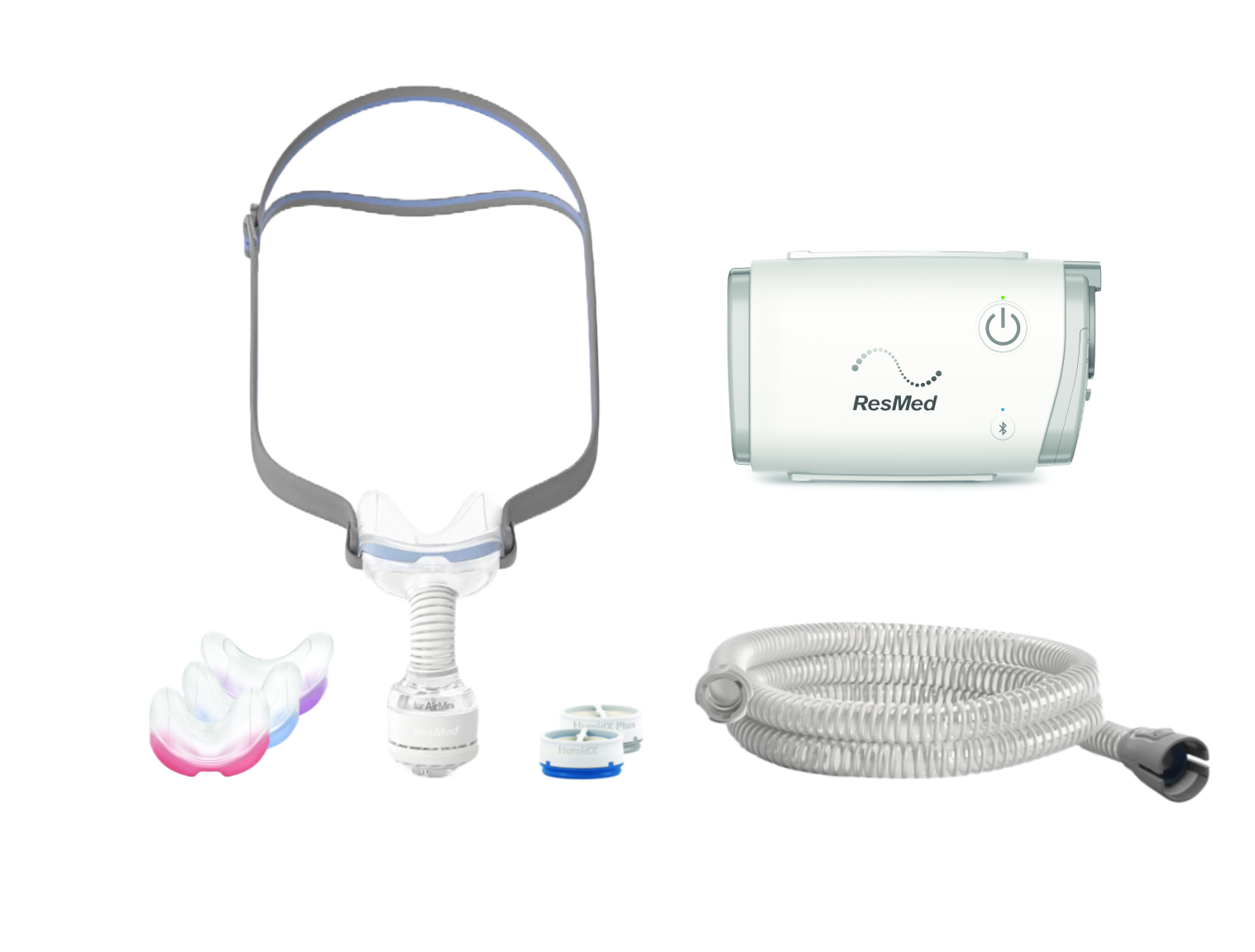
A CPAP machine is only effective if its consumable parts are replaced regularly. Fortunately, insurance coverage usually extends to masks, filters, tubing, and water chambers. However, they follow a strict replacement schedule set by Medicare guidelines, which most private insurers also follow.
- Mask Cushions/Pillows: 2 per month (or 1 full mask every 3 months).
- Filters (Disposable): 2 per month.
- Tubing: Every 3 to 6 months.
- Water Chamber: Every 6 months.
- Full Mask Frame: Every 3 to 6 months.
It is important to note that you cannot "stock up" on supplies in bulk and expect insurance to pay. They will only cover these items at the specified intervals. Many DME providers have "auto-ship" programs that track these dates for you.
Frequently Asked Questions
Can I buy a CPAP machine online and get reimbursed by insurance?
In most cases, no. Insurance companies generally only reimburse claims from contracted, accredited DME providers. If you purchase a machine from a retail website like CPAP.com or similar vendors in 2026, you are likely paying "out-of-pocket." Some insurers may allow an "out-of-network claim," but the reimbursement rate is usually much lower than the purchase price.
Does insurance cover travel CPAP machines?
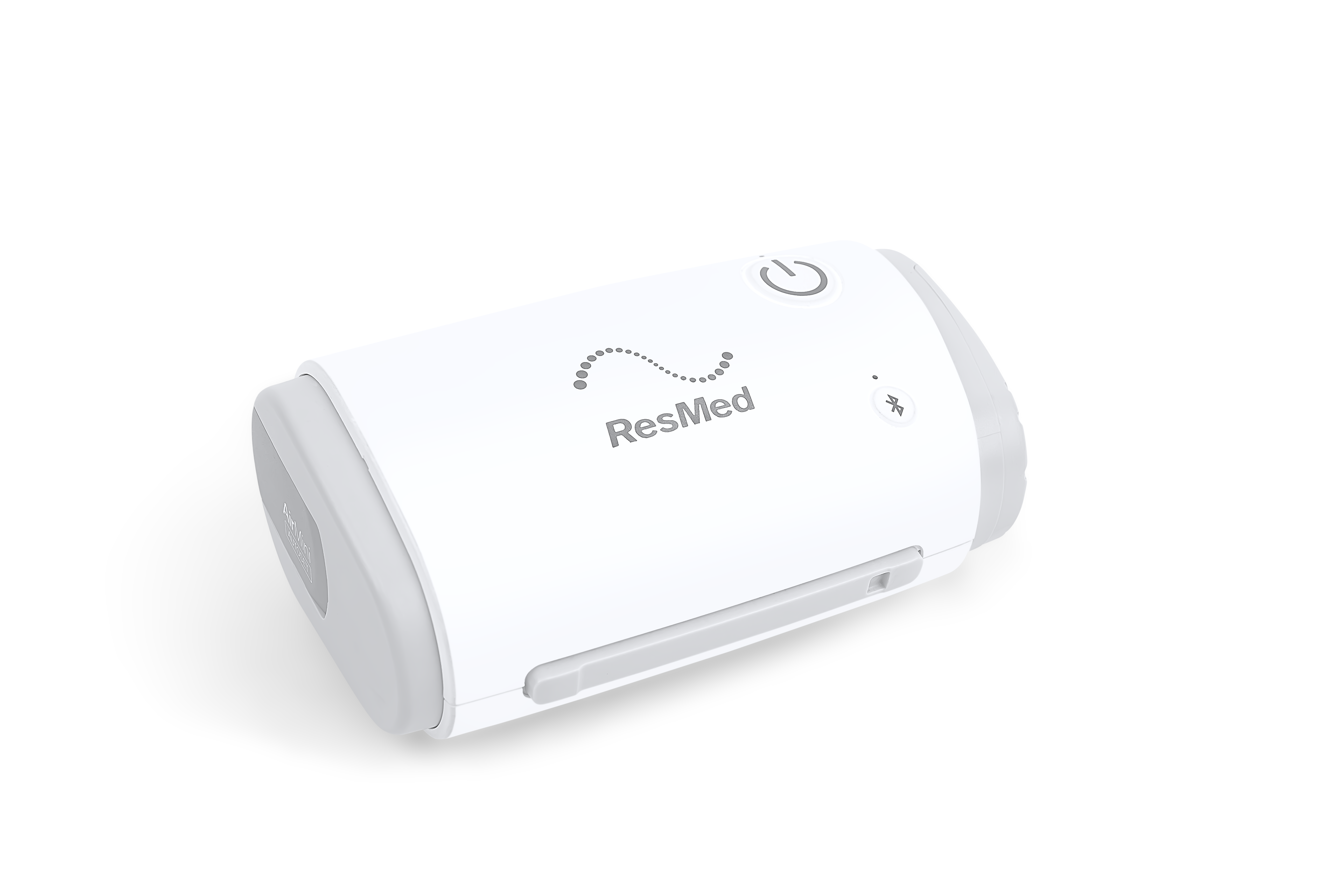
Most insurance plans consider travel CPAP machines to be a "convenience item" rather than a medical necessity. Therefore, they rarely cover the cost of smaller, travel-sized devices. You are usually expected to use your standard bedside machine even when traveling, or pay for a travel device out-of-pocket.
What if I lose my job during the rental period?
If you lose your insurance coverage, the rental payments will stop. You may be given the option to pay for the remaining months at the "private pay" rate to keep the machine, or you may have to return it. If you transition to a new insurance plan immediately, you must notify the DME provider so they can re-verify coverage and continue the rental payments under the new policy.
Is the sleep study covered by insurance too?
Yes, most health insurance plans cover sleep studies if you meet the screening criteria (such as the STOP-BANG questionnaire). However, many insurers now mandate a Home Sleep Test (HST) as the first step before they will approve an expensive in-lab study.
Practical Recommendation
If you suspect you have sleep apnea, start by scheduling a "Sleep Consultation" with a board-certified sleep specialist rather than just a general practitioner. A specialist's office is far more experienced in handling the specific "Prior Authorization" paperwork required for CPAP machines.
Before your appointment, call your insurance provider and specifically ask: "What is my coinsurance for Durable Medical Equipment, and do I have an active deductible?" Armed with this information, you can decide whether to go through insurance or—if you have a very high deductible—purchase a machine privately to save on the "insurance markup" and compliance monitoring requirements.
Image Gallery