Understanding Miami Foundation Life Insurance: A Guide to Charitable Giving
Understanding Miami Foundation life insurance involves recognizing how life insurance policies are utilized as strategic philanthropic tools to support The Miami Foundation’s community initiatives. Rather than a commercial insurance pr...
Understanding Miami Foundation life insurance involves recognizing how life insurance policies are utilized as strategic philanthropic tools to support The Miami Foundation’s community initiatives. Rather than a commercial insurance product, this refers to the process of designating the Foundation as a beneficiary or transferring policy ownership to create a lasting charitable legacy in Greater Miami.
Contents
For many residents of South Florida, the desire to leave a meaningful impact on their community often outpaces their immediate liquidity. Life insurance offers a unique solution, allowing individuals to leverage relatively modest premium payments into a substantial future gift. As of 2026, The Miami Foundation continues to serve as a primary steward for these "legacy gifts," helping donors navigate the complex intersection of estate planning, tax optimization, and community enrichment.
The Role of Life Insurance in Philanthropy
The Miami Foundation, established in 1967, has long been a pillar of South Florida’s social infrastructure. As a 501(c)(3) community foundation, it manages hundreds of millions of dollars in assets aimed at improving quality of life in Miami-Dade County. Life insurance is a cornerstone of "Planned Giving"—a method of making a charitable gift that is legally structured to be received at a future date, typically upon the donor's passing.
Using life insurance for charitable purposes is often described as "leveraging a gift." For a donor who may not have $500,000 in cash to donate today, maintaining a life insurance policy with a $500,000 death benefit ensures that the Foundation will eventually receive those funds. This approach allows middle-income and wealthy donors alike to participate in large-scale philanthropy that might otherwise be impossible through lifetime cash contributions alone.
Mechanisms of Giving: How it Works
There are two primary ways to integrate life insurance with The Miami Foundation: naming the Foundation as a beneficiary or transferring absolute ownership of the policy. Each path carries different legal and tax implications that must be understood before proceeding.
1. Naming The Miami Foundation as a Beneficiary
This is the simplest method. The donor retains full ownership of the life insurance policy and simply adds The Miami Foundation as a primary or contingent beneficiary on the insurance company’s forms.
- Flexibility: The donor maintains control. If family circumstances change or financial needs arise, the donor can change the beneficiary or borrow against the policy's cash value.
- Estate Impact: Because the donor still owns the policy, the death benefit will be included in the donor's gross estate. However, an offsetting estate tax charitable deduction is generally available for the full amount of the gift, potentially neutralizing the estate tax impact.
2. Transferring Policy Ownership
A more permanent and tax-advantaged strategy involves transferring the entire policy to The Miami Foundation. In this scenario, the Foundation becomes both the owner and the beneficiary.
- Irrevocability: Once the transfer is complete, it cannot be undone. The donor gives up all "incidents of ownership," such as the right to change beneficiaries or cancel the policy.
- Immediate Tax Benefits: Because the donor has surrendered control, they are often eligible for an immediate income tax deduction. If the donor continues to pay the premiums on the policy, those subsequent payments are also considered tax-deductible charitable contributions to the Foundation.
Tax Implications and Benefits in 2026
In 2026, tax efficiency remains a driving force behind structured giving. When a donor understands how Miami Foundation life insurance interacts with federal and state regulations, they can maximize the value of their contribution.
Income Tax Deductions
For policies where ownership is transferred to the Foundation, the donor can generally deduct the "fair market value" of the policy. For a "paid-up" policy (one where no more premiums are due), the deduction is usually equal to the replacement cost or the donor's cost basis, whichever is less. For policies that are not yet paid up, the deduction is typically the "interpolated terminal reserve" (a value similar to the cash surrender value) plus any unearned premiums.
Avoiding Capital Gains
If a donor owns a policy with a high cash value that they no longer need, surrendering it to the insurance company might trigger significant income tax on the gains. By donating the policy to The Miami Foundation instead, the donor avoids that tax liability while receiving a deduction for the gift.
Estate Tax Reduction
For high-net-worth individuals in Miami-Dade, estate taxes can significantly erode the assets passed to heirs. By utilizing life insurance to fund a charitable legacy, donors can remove the death benefit from their taxable estate (if ownership was transferred) or offset the inclusion with a deduction (if the Foundation was named as beneficiary). This ensures that more of the individual’s hard-earned wealth goes toward community progress rather than federal taxes.
Types of Policies Accepted
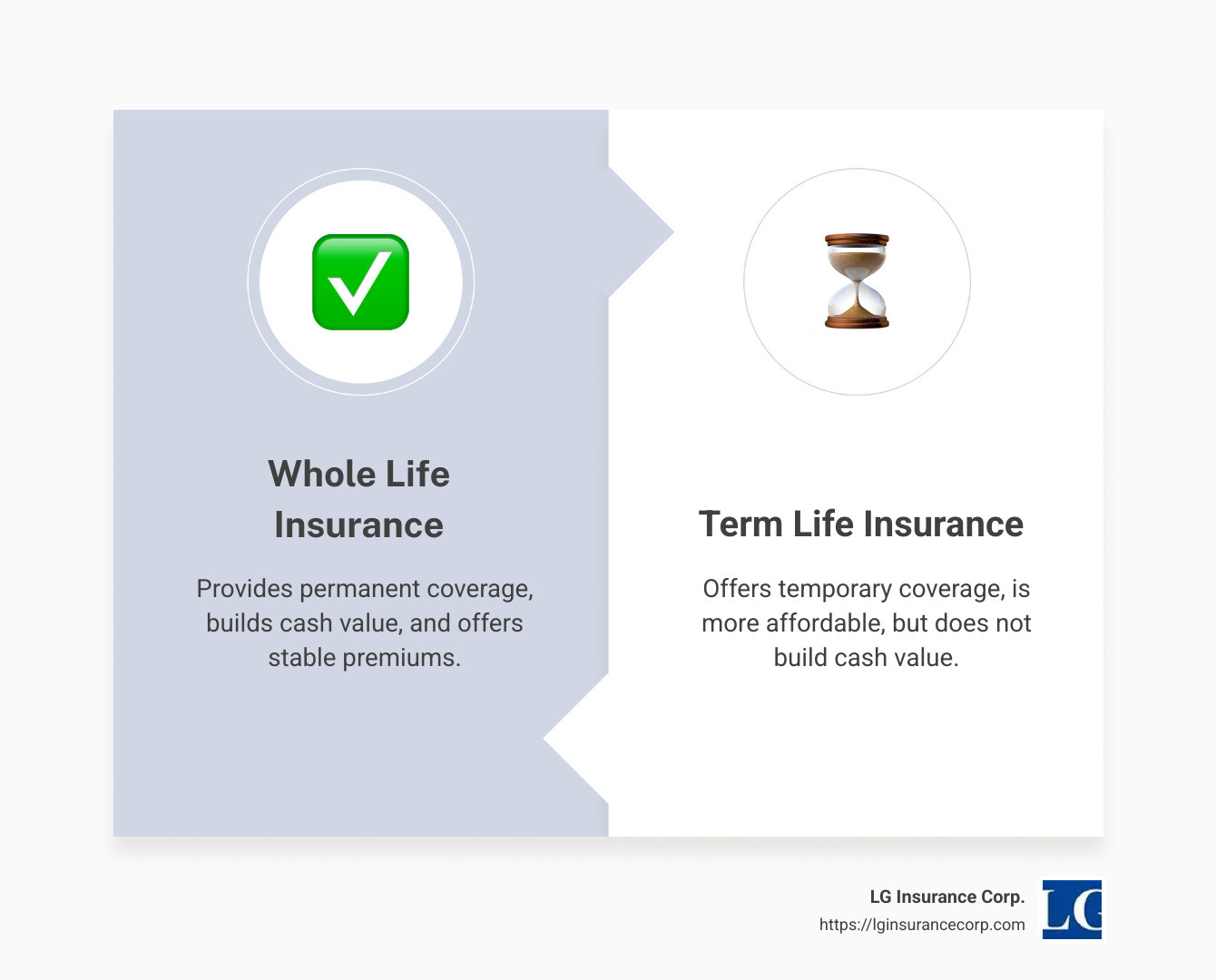
The Miami Foundation typically accepts various forms of permanent life insurance. While term life insurance can be donated, it is less common because the policy has no cash value and expires after a set period, making it a "vanishing" asset if the donor outlives the term.
- Whole Life Insurance: These are the most common policies for donation. They have a guaranteed death benefit and a cash value component that grows over time.
- Universal Life Insurance: These offer more flexibility in premium payments and death benefits. The Foundation may review these carefully to ensure the policy is sustainable and won't lapse.
- Variable Life Insurance: Because these policies are tied to market performance, the Foundation will evaluate the underlying investment risk before accepting ownership.
- Paid-up Policies: These are the "gold standard" for charitable giving. Since no further premiums are required, the Foundation can simply hold the policy until it matures, with no ongoing cost to the donor or the organization.
Strategic Comparison: Beneficiary vs. Ownership Transfer
| Feature | Naming as Beneficiary | Transferring Ownership |
|---|---|---|
| Control | Full control; can change at any time | Irrevocable; no control |
| Income Tax Deduction | None | Immediate deduction for policy value |
| Premium Deductions | Not deductible | Premiums paid are deductible |
| Estate Tax Impact | Included in estate; offset by deduction | Excluded from the taxable estate |
| Simplicity | High; simple form change | Moderate; requires legal transfer |
| Asset Type | Revocable promise | Current asset for the Foundation |
Integrating with a Donor Advised Fund (DAF)
A common way to manage a life insurance gift is through a Donor Advised Fund (DAF) at The Miami Foundation. When the policy matures (upon the donor's death), the proceeds are paid into the DAF.
The donor’s heirs or designated "successor advisors" can then recommend grants from that fund to specific local causes—such as sea-level rise mitigation, education, or the arts—over many years. This transforms a one-time insurance payout into a multi-generational "family foundation" without the administrative overhead or legal complexity of starting a private foundation.
Step-by-Step Implementation
To successfully execute a life insurance gift to The Miami Foundation, donors should follow a structured process to ensure legal compliance and maximize impact.
- Consult with Professional Advisors: Before making any changes, speak with an estate attorney or tax professional. They can help determine if an ownership transfer or a beneficiary designation aligns better with your overall financial goals.
- Contact The Miami Foundation: Reach out to the Foundation’s development team. They can provide specific legal language for beneficiary designations and discuss the types of funds (DAF, Scholarship Fund, etc.) that the gift will eventually support.
- Review the Policy: Ensure the policy is in good standing. If transferring ownership, the Foundation will need to review the policy’s current value and any outstanding loans or liens.
- Execute the Change of Ownership/Beneficiary: Use the insurance company’s official forms. If transferring ownership, ensure the Foundation is listed as the absolute owner and the beneficiary.
- Obtain a Qualified Appraisal: For policies with a value exceeding $5,000 where ownership is transferred, the IRS requires a "qualified appraisal" to support the income tax deduction. This is generally documented on IRS Form 8283.
- Confirm the Gift: Provide the Foundation with a copy of the updated policy or the confirmation from the insurance company. This allows them to include the gift in their long-term planning and acknowledge your contribution to their legacy society.
Common Pitfalls and Considerations
While donating life insurance is a powerful tool, there are several risks that donors must navigate.
- Policy Loans: If a donor has borrowed against the cash value of a policy, donating it can be complicated. The IRS may treat the relief of that debt as a "bargain sale," which could result in taxable income for the donor.
- Lapsing Policies: If a policy is not "paid-up" and the donor stops paying premiums after transferring ownership, the policy may lapse. The Foundation generally does not have the budget to pay premiums on donated policies, so a clear plan for ongoing funding must be established.
- Incidents of Ownership: To qualify for the estate tax exclusion, the donor must truly give up all rights. Retaining even a small amount of control—such as the right to change the beneficiary among a group of charities—can sometimes lead the IRS to include the policy in the taxable estate.
Frequently Asked Questions
Can I donate a term life insurance policy?
Yes, you can name The Miami Foundation as the beneficiary of a term policy. However, you generally cannot transfer ownership of a term policy for a tax deduction, as these policies lack cash value. Furthermore, if you outlive the term, the Foundation receives nothing. Term insurance is best used as a "backup" gift or to cover a specific charitable pledge during a certain period of life.
Is there a minimum death benefit required?
The Miami Foundation does not typically set a rigid minimum for beneficiary designations. However, for an ownership transfer that creates a named fund (like a Scholarship Fund), there are usually minimum threshold requirements (often starting at $10,000 to $25,000 depending on the fund type). It is best to verify current 2026 fund minimums with the Foundation directly.
How do I get a tax deduction for the premiums I pay?
If you have transferred ownership of the policy to the Foundation, you have two options for paying premiums. You can pay the insurance company directly and treat it as a gift to the Foundation, or you can donate the premium amount to the Foundation and have them pay the insurance company. The latter is often preferred for better record-keeping and clearer tax documentation.
Can I split the death benefit between my family and the Foundation?
Absolutely. You can designate The Miami Foundation as a "partial beneficiary." For example, you could assign 80% of the death benefit to your spouse or children and 20% to the Foundation. This allows you to provide for your loved ones while still contributing to the community.
What happens if the insurance company goes out of business?
This is a rare but valid concern. Most states, including Florida, have a Life & Health Insurance Guaranty Association that provides some level of protection for policyholders. When the Foundation reviews a policy for ownership transfer, they typically look for companies with high ratings from agencies like A.M. Best or S&P to mitigate this risk.
Final Recommendation
For those looking to cement their legacy in South Florida, understanding Miami Foundation life insurance is a vital step. The most effective way to start is by conducting a comprehensive policy review with your insurance agent to see if you have "orphan policies"—older policies that are no longer needed for their original purpose, such as paying off a mortgage or providing for adult children. Converting these into a gift for The Miami Foundation can provide you with immediate tax relief while ensuring that your values continue to shape the community for decades to come.
Image Gallery