Exploring the Wildlife of Ecuador in Detail
Ecuador stands as one of the most biologically diverse nations on Earth, compressed into a relatively small geographic area that spans the Amazon Basin, the Andean highlands, the Pacific coast, and the isolated Galapagos Archipelago. T...
Ecuador stands as one of the most biologically diverse nations on Earth, compressed into a relatively small geographic area that spans the Amazon Basin, the Andean highlands, the Pacific coast, and the isolated Galapagos Archipelago. This extraordinary biodiversity stems from a convergence of the Andes Mountains shaping distinct climatic zones, the warming and cooling ocean currents off the coast, and the country's equatorial positioning, which collectively create thousands of specialized ecological niches.
Contents
The Geographical Framework of Ecuadorian Biodiversity
Understanding Ecuador's ecological wealth requires examining its division into four distinct geographic regions: the Amazon (Oriente), the Andes (Sierra), the Coast (Costa), and the Galapagos Islands (Insular). Each zone possesses unique geological histories and climatic profiles that dictate the distribution of flora and fauna. The complex topography of the Andes acts as both a barrier and a bridge for species evolution, driving speciation and creating high rates of endemism where certain species exist nowhere else on the planet.
Conservation efforts in Ecuador are anchored by a sophisticated national system of protected areas known as the Sistema Nacional de Áreas Protegidas (SNAP). This network encompasses national parks, biological reserves, and ecological reserves managed by the Ministry of Environment, Water and Ecological Transition (Ministerio del Ambiente, Agua y Transición Ecológica). These protected zones safeguard crucial migratory corridors and fragile habitats against the pressures of deforestation, resource extraction, and climate change.
The Amazon Rainforest: A Hotspot of Megadiversity
The Ecuadorian Amazon represents one of the most biologically rich tropical rainforests globally. Protected areas such as Yasuní National Park and Cuyabeno Wildlife Production Reserve harbor staggering numbers of species within single hectares. Yasuní, recognized globally as a UNESCO Biosphere Reserve, holds records for amphibian, bird, mammal, and plant species diversity.
Canopy towers and blackwater lagoons provide access to a realm inhabited by iconic mammalian species, including the elusive jaguar (Panthera onca), giant otters (Pteronura brasiliensis), and multiple species of primates such as howler monkeys, spider monkeys, and pygmy marmosets—the smallest monkeys in the world. Birdwatchers frequently spot harpy eagles (Harpia harpyja), hoatzins (Opisthocomus hoazin), and dozens of vividly colored toucans and macaws.
Herpetofauna thrives in the humid understory, featuring an immense variety of poison dart frogs, tree boas, and the black caiman (Melanosuchus niger). In the river systems, pink river dolphins (Inia geoffrensis) navigate flooded forests during the high-water season.
The Andean Highlands: Cloud Forests and Páramo Ecosystems
Moving westward from the Amazon, the Andes mountains rise sharply, dividing into the Western and Eastern Cordilleras. This high-altitude landscape is characterized by two major ecological zones: the high-altitude páramo grasslands and the misty montane cloud forests.
The Páramo Zone
Above the tree line, typically starting around 3,200 meters above sea level, the páramo features cold, windy conditions with intense ultraviolet radiation. Vegetation here has adapted through specialized structures, most notably the Espeletia genus (frailejones), which feature thick, woolly leaves to protect against frost.
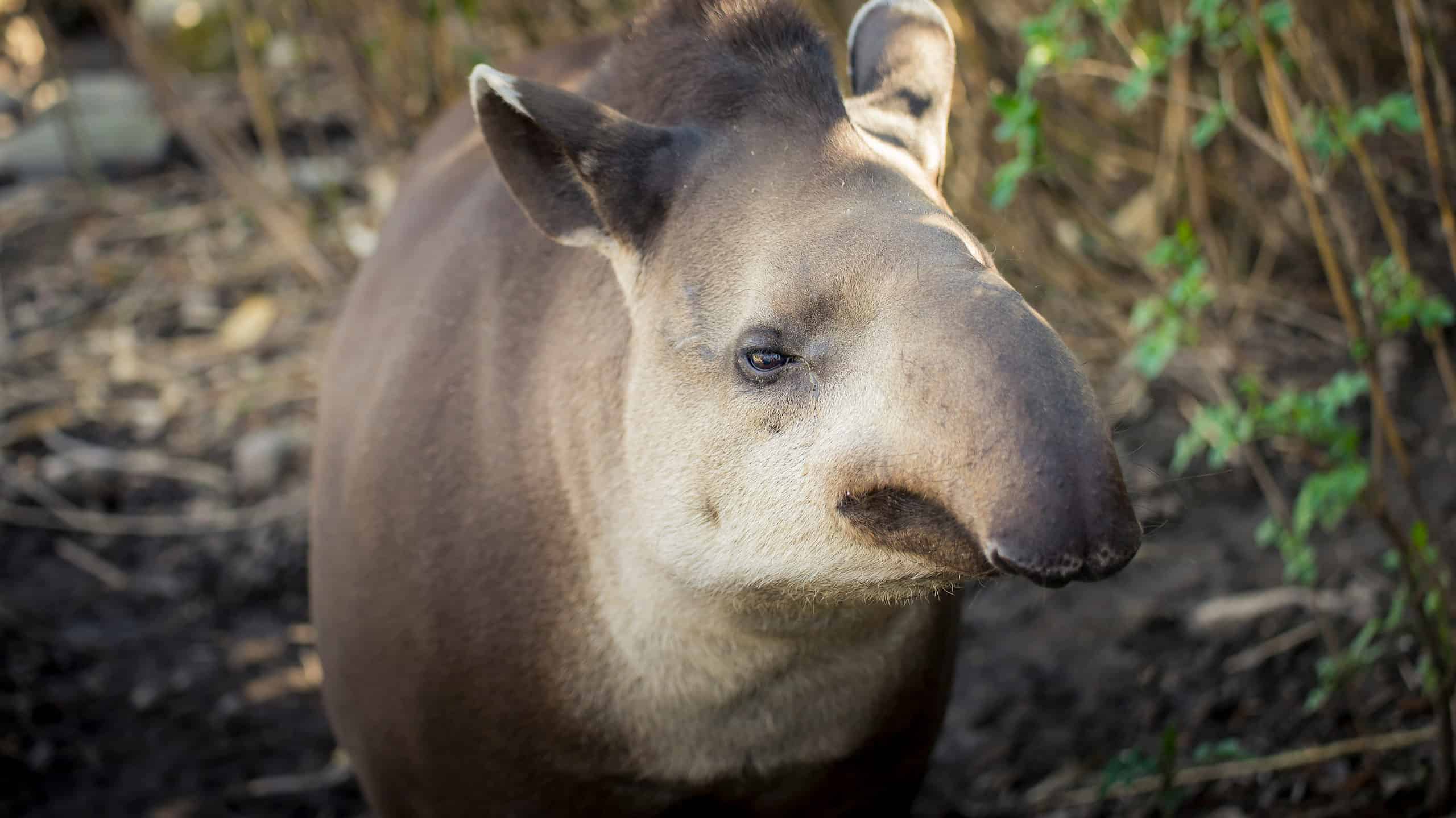
Wildlife in the páramo includes the Andean condor (Vultur gryphus), a massive scavenger with a wingspan exceeding three meters, and the spectacled bear (Tremarctos ornatus), South America's only native bear species. Mammals like the mountain tapir (Tapirus pinchaque) and the Andean white-eared opossum also roam these rugged alpine meadows.
The Cloud Forests
Flanking the mountain slopes, the cloud forests—exemplified by regions like Mindo, Tandayapa, and Podocarpus National Park—are perpetually blanketed in mist. This constant moisture supports an explosion of epiphytes, orchids, and ferns.
Cloud forests are globally renowned as hummingbird capitals. Observers can spot dozens of hummingbird species in a single day, including the sword-billed hummingbird (Ensifera ensifera), which possesses a beak longer than its body, and the brilliant bootless racket-tail. Mixed-species bird flocks also traverse the understory, alongside elusive mammals like the olinguito (Bassaricyon neblina), a carnivoran species discovered and scientifically described in the 21st century.
The Pacific Coast and Mangrove Ecosystems
The coastal lowlands and marine environments of mainland Ecuador transition from humid tropical forests in the north to dry tropical forests and arid scrublands in the southern provinces like Manabí and Loja. Mangrove ecosystems along estuaries serve as critical nursery grounds for marine life, crustaceans, and coastal avifauna.
Machalilla National Park protects significant remnants of dry tropical forest and marine habitats. Key species in this region include the howler monkey, the Guayaquil squirrel, and numerous endemic bird species of the Tumbesian region.
Offshore, the warm coastal waters attract humpback whales (Megaptera novaeangliae) every year between June and September. These marine mammals migrate from Antarctic feeding grounds to mate and calve along the Ecuadorian coast, particularly around Puerto López and the surrounding waters of Isla de la Plata.
The Galapagos Archipelago: Evolution in Isolation
Situated approximately 1,000 kilometers off the Ecuadorian mainland, the Galapagos Islands represent a volcanic archipelago that never touched the continent. This isolation allowed ancestral species that drifted to the islands to evolve along unique evolutionary trajectories, inspiring Charles Darwin's theory of natural selection during his voyage on the HMS Beagle.
| Island / Zone | Key Endemic Wildlife | Distinct Behavioral or Ecological Features |
|---|---|---|
| Isabela Island | Galapagos Penguin, Flightless Cormorant, Marine Iguana | Largest island; hosts diverse volcanic habitats and major marine bird colonies. |
| Española Island | Waved Albatross, Blue-footed Booby, Hood Mockingbird | Sole breeding ground for the entire global population of waved albatrosses. |
| Santa Cruz Island | Giant Tortoise (Chelonoidis spp.), Land Iguana | Central hub for conservation breeding programs (Charles Darwin Research Station). |
| North Seymour Island | Magnificent Frigatebird, Blue-footed Booby | Renowned for vibrant mating rituals and accessible nesting colonies. |
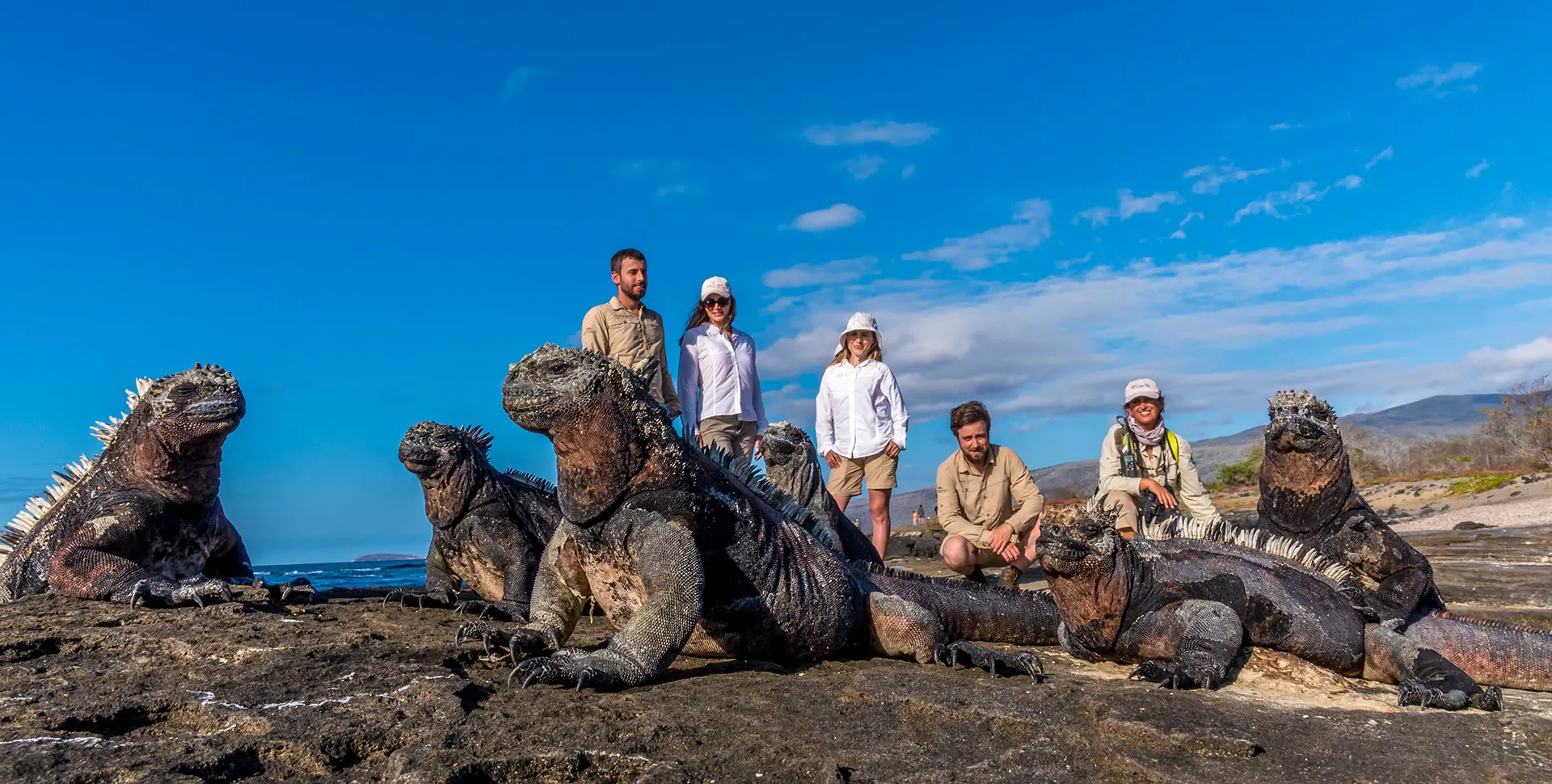
Marine iguanas (Amblybunchus cristatus) graze on underwater algae, representing the world's only sea-going lizard. Giant tortoises roam the highlands of several islands, having evolved distinct shell shapes depending on the aridity of their home island. Avian populations feature blue-footed, red-footed, and Nazca boobies, alongside the Galapagos penguin—the only penguin species found north of the equator.
Comparative Overview of Ecuador's Major Ecological Regions
To effectively plan ecological exploration or conservation study, researchers and travelers must understand the contrasts between Ecuador's primary zones:
| Region | Primary Elevation | Climate Profile | Iconic Endemic Species | Principal Conservation Challenges |
|---|---|---|---|---|
| Amazon (Oriente) | 100 – 600m | Hot, humid, high rainfall year-round | Jaguar, Pink River Dolphin, Harpy Eagle | Oil extraction, illegal logging, road expansion |
| Andes (Sierra) | 600 – 6,310m | Variable, temperate to freezing alpine | Andean Condor, Spectacled Bear, Sword-billed Hummingbird | Agricultural expansion, overgrazing, climate change |
| Coast (Costa) | 0 – 600m | Tropical wet to arid dry forest | Humpback Whale, Mantled Howler Monkey, Tumbesian birds | Deforestation, aquaculture development, urban sprawl |
| Galapagos (Insular) | Sea level | Arid to humid highland microclimates | Giant Tortoise, Marine Iguana, Waved Albatross | Invasive species, tourism pressure, marine overfishing |
Conservation Status and Practical Travel Guidelines
Preserving Ecuador's exceptional biodiversity requires strict adherence to environmental regulations and sustainable tourism practices. The Ministry of Environment enforces strict carrying capacities in protected zones, particularly within the Galapagos National Park and sensitive Amazonian reserves.
Visitors and researchers must respect wildlife by maintaining safe viewing distances, avoiding flash photography with sensitive species, and packing out all non-biodegradable waste. Supporting locally owned ecolodges and licensed naturalist guides ensures that tourism revenue directly contributes to community-based conservation and anti-poaching initiatives.
Frequently Asked Questions
What is the best time of year to visit Ecuador for wildlife viewing?
Ecuador's equatorial position means wildlife viewing is viable year-round, but patterns vary by region. The Amazon experiences high rainfall throughout the year, though low-water months (July to September) offer easier trail navigation. The Andes are best visited during the drier months of June through September. In the Galapagos, the warm, wet season (December to May) brings calm seas and active land bird breeding, while the cool, dry season (June to November) features cooler waters rich in marine life and active sea mammal migration.
Are there specific entry permits required for visiting protected wildlife areas?
Yes. While mainland national parks generally do not charge steep entrance fees for foreign tourists, specific reserves may require registered guides. The Galapagos Islands require a strict transit control card (TCC) and a national park entrance fee paid upon arrival at the airport, alongside mandatory accompaniment by a certified Galapagos National Park naturalist guide for all visitor sites.
How can travelers minimize their ecological impact while exploring Ecuadorian habitats?
Travelers should choose tour operators certified in sustainable practices, adhere strictly to "Leave No Trace" principles, avoid purchasing souvenirs made from endangered wildlife parts (such as coral, tortoise shell, or pelts), and maintain a respectful distance from all wild animals to prevent habituation or stress.
Is professional medical preparation necessary before traveling to the Ecuadorian Amazon or Andes?
Medical preparation depends on the specific destination. For the Amazon, vaccinations for yellow fever and prophylactic treatment for malaria are commonly recommended by health authorities. Travelers visiting high-altitude Andean regions should prepare for altitude sickness (soroche) by allowing time for acclimatization and maintaining adequate hydration.
What role do local indigenous communities play in wildlife conservation in Ecuador?
Indigenous nationalities, such as the Waorani, Kichwa, and Shuar in the Amazon, act as crucial stewards of vast tracts of primary rainforest. Community-led tourism initiatives and ancestral land management practices have proven highly effective in defending against illegal resource extraction and preserving biodiversity corridors.
Conclusion and Next Actions
Exploring the wildlife of Ecuador requires careful preparation, respect for local regulations, and an appreciation for the complex interplay between geography and evolution. Begin by defining your primary ecological interests—whether tracking high-altitude Andean birds, observing marine life in the Galapagos, or navigating the Amazonian canopy—and verify current permit requirements and park regulations with the Ministry of Environment before finalizing your itinerary.
Image Gallery