Exploring the Wonders of the World in Jordan: A Comprehensive Travel and Cultural Guide
Jordan stands as a remarkable crossroads of ancient history, architectural mastery, and breathtaking natural landscapes, offering travelers an immersive journey into some of the most profound heritage sites in the Middle East. At the c...
Jordan stands as a remarkable crossroads of ancient history, architectural mastery, and breathtaking natural landscapes, offering travelers an immersive journey into some of the most profound heritage sites in the Middle East. At the center of this experience is Petra, an archaeological metropolis carved directly into vibrant sandstone cliffs, which holds its prestigious status as one of the New Seven Wonders of the World. Beyond this iconic rose-red city, the Hashemite Kingdom of Jordan unfolds through desert expanses, Roman ruins, biblical landmarks, and ecological sanctuaries that demand careful planning to appreciate fully.
Contents
Successfully navigating Jordan requires understanding entry requirements, logistical frameworks, seasonal weather patterns, and regional etiquette. Whether you are planning a multi-week expedition across the country or focusing on its primary historical treasures, mastering the practical details ensures a seamless journey through this historically rich terrain.
Understanding Jordan's Global Wonder: Petra
No exploration of Jordan is complete without examining Petra, the ancient capital of the Nabataean Kingdom. Flourishing from the 4th century BCE onward, this trading hub grew prosperous due to its strategic position along ancient incense and spice routes. The Nabataeans carved monumental tombs, temples, and water-management systems out of the solid rock, creating a fusion of Hellenistic architectural styles with traditional Eastern designs.
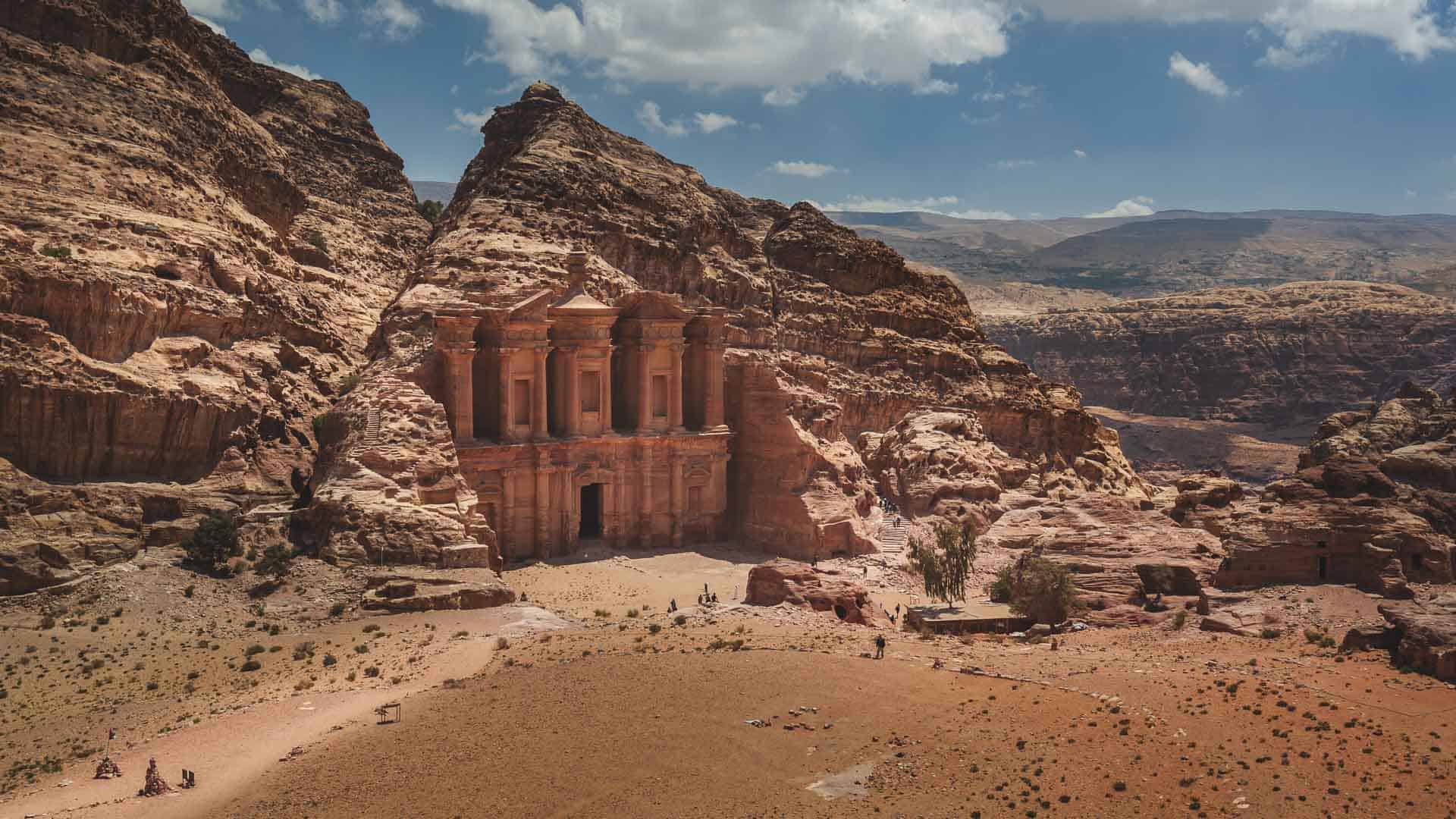
Walking through the Siq—a narrow, winding gorge flanked by towering cliffs over 80 meters high—leads visitors to the Khazneh, commonly known as the Treasury. This towering facade is only the beginning. The expansive archaeological park spans over 260 square kilometers, containing a Roman-style theater, royal tombs, colonnaded streets, and the towering Monastery (Ad-Deir), which requires climbing over 800 stone steps.
Key Archaeological Zones within Petra
- The Siq and the Treasury (Al-Khazneh): The primary entrance pathway and the most recognizable monument, best viewed during morning light.
- The Street of Facades and Royal Tombs: A dramatic cliffside row of monumental burial chambers, including the Urn Tomb and the Palace Tomb.
- The Great Temple and Qasr al-Bint: Free-standing structures showcasing stone masonry that survived centuries of seismic activity.
- The Monastery (Ad-Deir): A remote, colossal monument situated high in the hills, offering sweeping views of the surrounding mountains.
Logistics, Visas, and Entry Requirements
Before setting foot in Jordan, international travelers must secure appropriate documentation and understand entry protocols. Most nationalities require a visa to enter the Hashemite Kingdom, which can typically be obtained upon arrival at Queen Alia International Airport in Amman or at most land borders, though obtaining one in advance or utilizing a bundled tourism package is often more efficient.
The Jordan Pass serves as the single most effective tool for international visitors. It combines visa fees with entry tickets to Petra and over 40 other cultural attractions across the country, provided the traveler stays for a minimum of three consecutive nights. Purchasing the Jordan Pass prior to arrival waives the standard visa fee upon entry, making it a valuable financial and logistical asset.
| Jordan Pass Tier | Included Petra Access | Visa Fee Waiver | Minimum Stay Requirement |
|---|---|---|---|
| Wanderer | 1 Consecutive Day | Included | 3 Consecutive Nights (4 Days) |
| Explorer | 2 Consecutive Days | Included | 3 Consecutive Nights (4 Days) |
| Expert | 3 Consecutive Days | Included | 3 Consecutive Nights (4 Days) |
Beyond Petra: Expanding the Jordanian Itinerary
While Petra serves as the primary anchor for international tourism, Jordan features a diverse array of secondary wonders that enrich any itinerary. Incorporating these locations provides a balanced perspective of the country's multi-layered history.
Wadi Rum (The Valley of the Moon)
Characterized by dramatic sandstone mountains, natural arches, and expansive red-sand dunes, Wadi Rum is a protected desert wilderness in southern Jordan. Associated with T.E. Lawrence and British military operations during the Arab Revolt, the area allows visitors to experience traditional Bedouin culture through guided 4x4 jeep tours, camel treks, and overnight stays in geodesic desert camps.
Jerash (Gerasa)
Located north of Amman, Jerash represents one of the best-preserved Roman provincial cities in the world. Visitors can walk along the colonnaded Oval Plaza, explore the expansive Temple of Artemis, and stand within the acoustics of the South Theater, which still hosts cultural performances. The site illustrates the profound architectural footprint of the Roman Empire in the Decapolis.
The Dead Sea and Baptism Site
Positioned at the lowest elevation on Earth, the Dead Sea offers unique buoyancy due to its exceptionally high mineral and salt concentration. Nearby lies Bethany Beyond the Jordan (Al-Maghtas), designated as a UNESCO World Heritage site and recognized as the traditional location of the baptism of Jesus by John the Baptist.
Practical Considerations for Travelers
Navigating Jordan safely and comfortably requires attention to local customs, transportation logistics, and seasonal climate shifts.
Climate and Best Time to Visit
Jordan experiences a Mediterranean climate in the western highlands and arid desert conditions across the east and south. Spring (March to May) and autumn (September to November) offer optimal weather conditions, featuring mild daytime temperatures suited for long hikes in Petra and Wadi Rum. Summer months (June to August) can bring extreme heat, particularly in the desert regions and the Jordan Valley, while winters can be surprisingly cold and rainy in Amman and the high-altitude archaeological sites.
Cultural Etiquette and Dress Code
As a predominantly Muslim nation, Jordan is culturally conservative. Visitors should dress modestly, covering shoulders and knees, particularly when visiting religious sites, rural towns, and local neighborhoods. While major tourist zones are accustomed to international dress standards, conservative attire demonstrates cultural respect and enhances local interactions.
Transportation Infrastructure
Renting a car provides maximum flexibility for independent travelers navigating the Desert Highway or the scenic King's Highway. Alternatively, private hire drivers and licensed taxi services are widely available in Amman and major tourism hubs for inter-city travel. Public bus networks operate between major cities but maintain less predictable schedules for travelers on tight itineraries.
Frequently Asked Questions
How many days are needed to properly explore Petra?
Most travelers find that two full days are necessary to appreciate the primary monuments and distant trails of Petra without rushing. A one-day ticket requires a fast-paced walk from the Siq to the Monastery, whereas a two- or three-day pass allows for deep exploration of the sacrificial high places and outlying ruins.
Is Jordan considered a safe destination for international tourists?
Jordan maintains a stable political environment and a strong security presence geared toward protecting its vital tourism infrastructure. Travelers should nevertheless monitor current government travel advisories, exercise standard situational awareness, and respect local laws and customs.
Can I drink tap water in Jordan?
Tap water in Jordan is generally not recommended for drinking by international visitors. Bottled water, filtered water, or purification tablets should be used for hydration and brushing teeth throughout your stay.
What currency is used in Jordan, and are credit cards widely accepted?
The official currency is the Jordanian Dinar (JOD), which is pegged to the US Dollar. While major hotels, restaurants, and tour operators accept international credit cards, carrying physical cash is essential for smaller shops, Bedouin camps, tipping, and rural purchases.
Do I need to book tours for Wadi Rum in advance?
While it is possible to arrange basic transport upon arrival at the Wadi Rum visitor center, booking overnight camps and authorized Bedouin jeep tours in advance ensures vetted accommodations and reliable logistics, particularly during peak spring and autumn seasons.
Conclusion
Exploring Jordan offers a rare combination of archaeological grandeur, geological wonder, and rich cultural hospitality. By securing the appropriate documentation such as the Jordan Pass, respecting local customs, and structuring your itinerary to balance iconic sites like Petra with expansive landscapes like Wadi Rum and Jerash, you can achieve a deeply rewarding travel experience. Proper preparation transforms a standard vacation into an insightful journey through the heart of the Middle East.
Image Gallery