Product Manager Conferences 2025: Key Insights, Top Events, and Professional Value
Product manager conferences in 2025 established new benchmarks for professional development, emphasizing artificial intelligence integration, product-led growth, and cross-functional executive leadership. Premier gatherings like Produc...
Product manager conferences in 2025 established new benchmarks for professional development, emphasizing artificial intelligence integration, product-led growth, and cross-functional executive leadership. Premier gatherings like ProductCon, Mind the Product, and INDUSTRY brought together global practitioners to refine technical frameworks, optimize product operations, and build high-impact professional networks.
Contents
Why Attending Product Management Conferences Matters for Career Growth
The product management discipline undergoes rapid transformation as macroeconomic shifts, software delivery models, and artificial intelligence redefine how products are conceived, built, and scaled. Attending dedicated industry conferences provides product managers (PMs), group product managers (GPMs), and chief product officers (CPOs) with an accelerated venue to benchmark their team processes against industry standards.
Product Conference Value Pillars:
- Technical Frameworks (AI, Analytics, Ops)
- Strategic Alignment (Roadmaps, Metrics)
- Peer Benchmarking (Networks, Mentors)
- Executive Upskilling (Governance, P&L)
Industry conferences bridge the gap between theoretical frameworks and operational reality. While online courses and articles cover fundamentals, live conferences showcase real-world case studies detailing how leading product organizations navigate product pivot points, technical debt, and market expansion.
Beyond core skills, these events offer direct access to peer networks, executive recruiters, and tool creators, making them essential for career progression and organizational efficiency.
Flagship Product Management Conferences of 2025
The 2025 conference calendar featured several major events catering to different experience levels, industries, and geographic regions. The most impactful gatherings included both hybrid and in-person formats.
1. ProductCon (Organized by Product School)
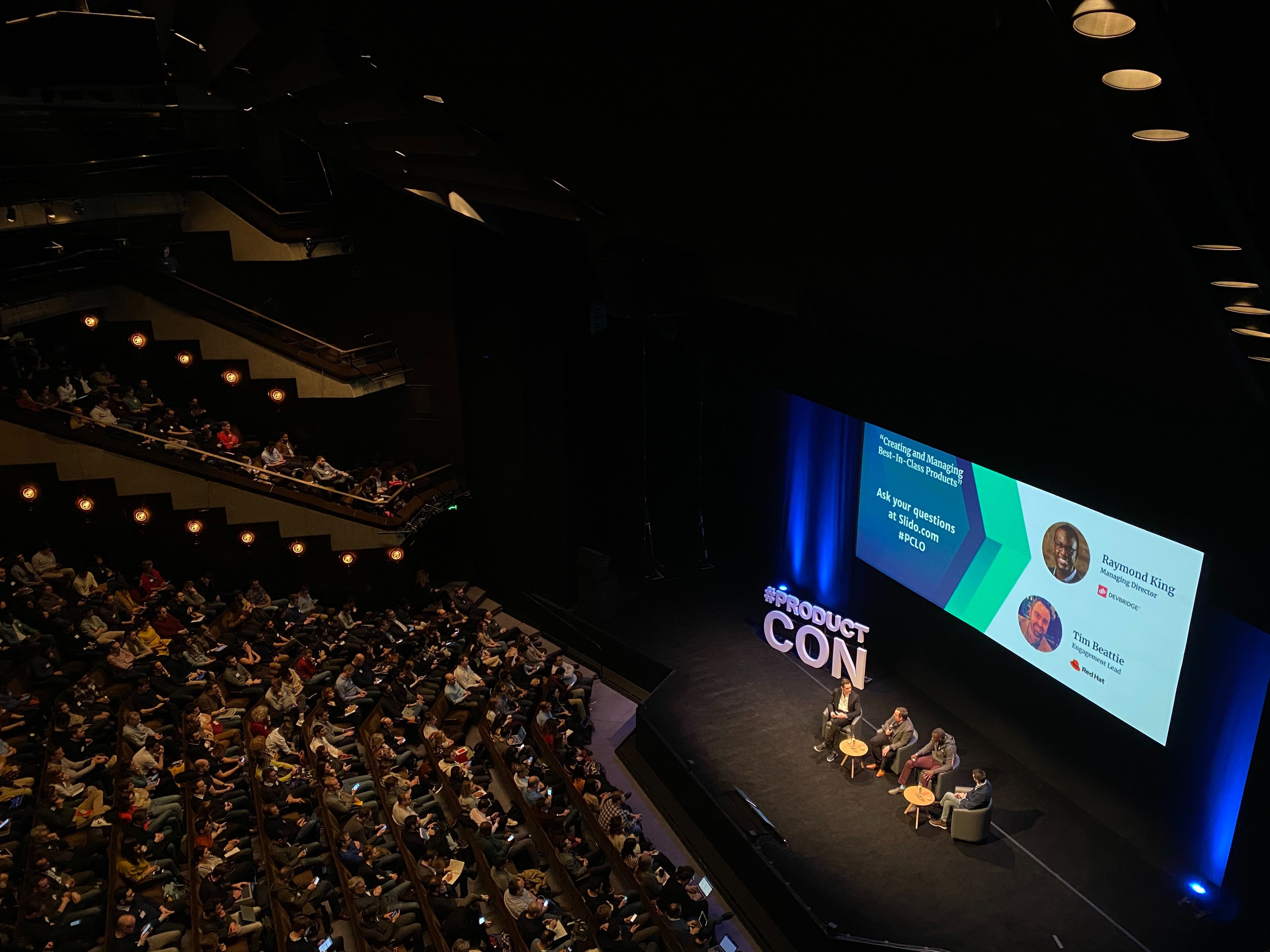
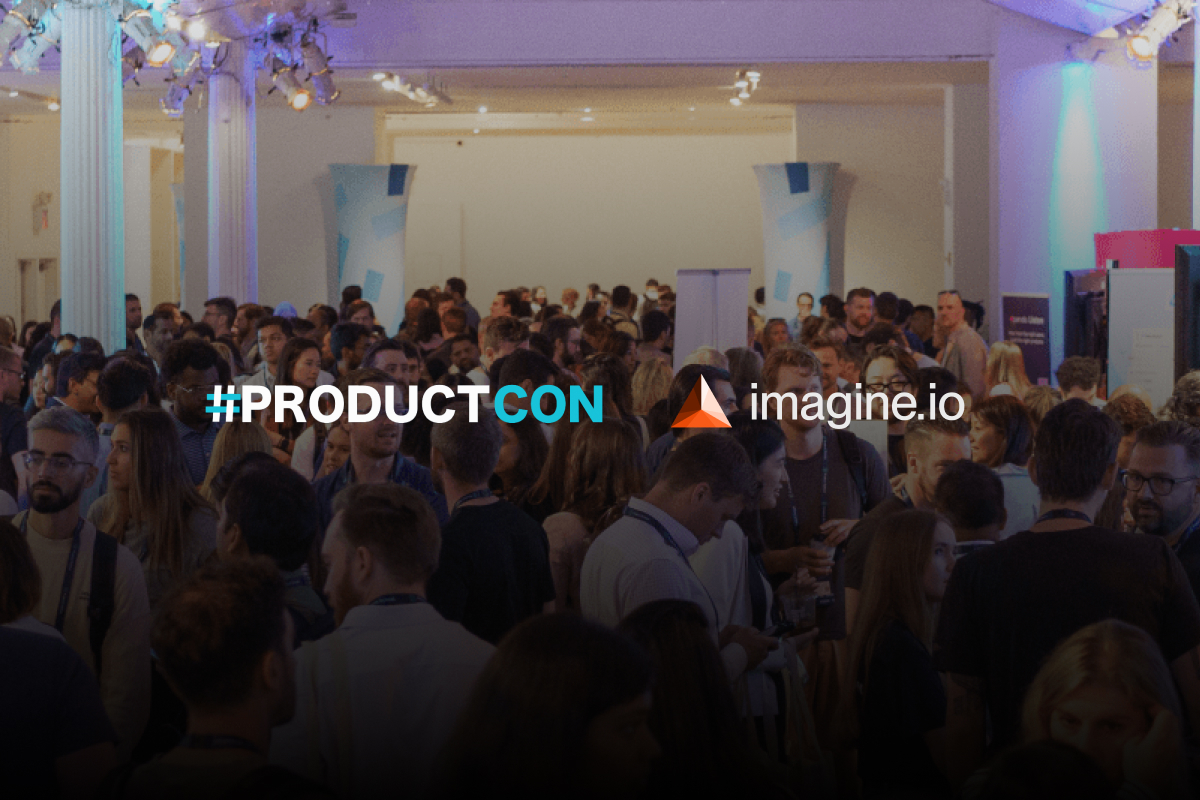
Hosted by Product School, ProductCon remains one of the largest global product management conference series. Held across multiple major technology hubs—including London, New York, and San Francisco—alongside global virtual streaming, ProductCon focuses heavily on practical execution, career advancement, and product leadership.
In 2025, ProductCon focused on integrating generative AI into daily product workflows, moving from feature-centric roadmaps to outcome-based goals, and mastering cross-functional influence without direct authority.
2. Mind the Product (MTPCon)
Founded as a grassroots community movement, Mind the Product hosts MTPCon in locations such as London and San Francisco. Known for its curated single-track agenda, MTPCon avoids simultaneous split tracks, ensuring all attendees experience the same keynote presentations and strategic discussions.
The 2025 MTPCon events emphasized product ethics, sustainable growth models, and the evolving relationship between product management, engineering architecture, and corporate strategy.
3. INDUSTRY: The Product Conference
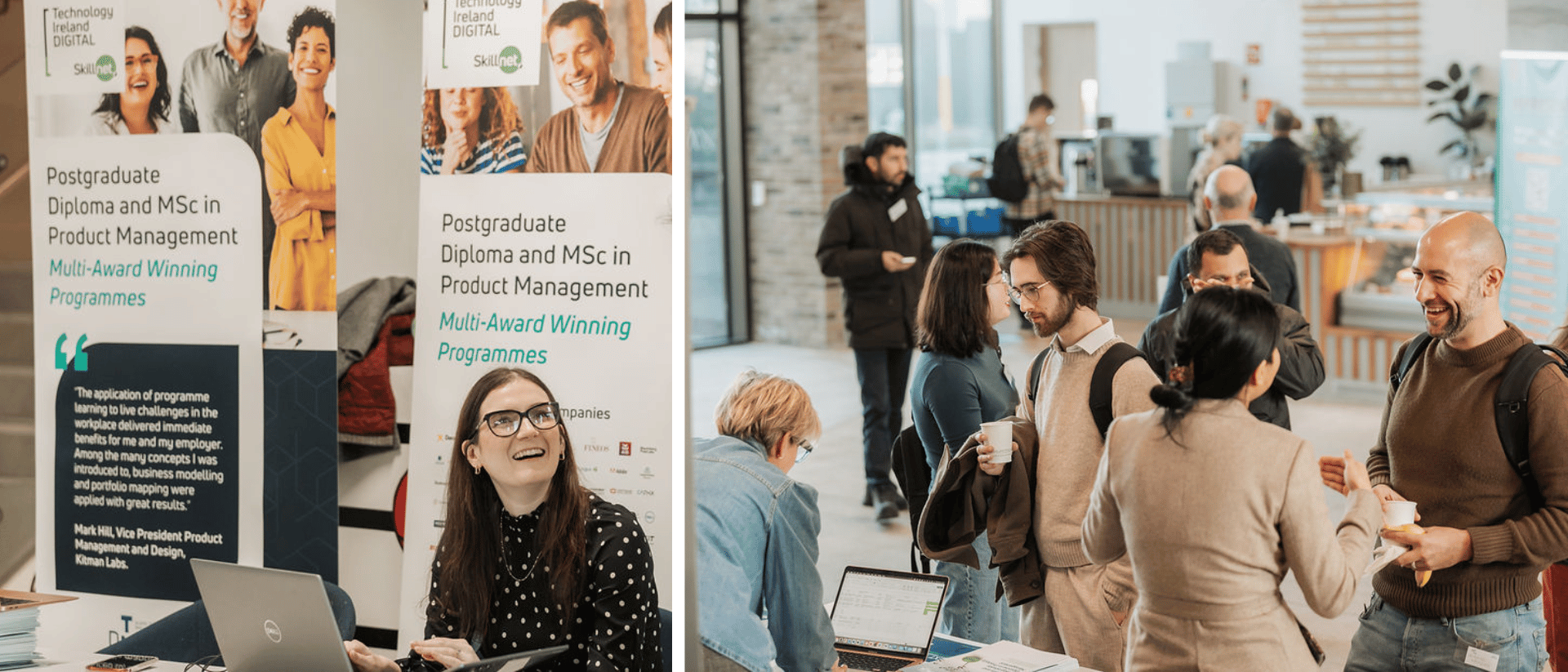
Designed specifically for software product managers, INDUSTRY brings together practitioners in Cleveland, Ohio, and Dublin, Ireland. The conference features deep-dive keynotes, structured networking sessions, and interactive workshops.
During its 2025 schedule, INDUSTRY highlighted operational frameworks for scaling mid-market SaaS platforms, optimizing product-led sales funnels, and managing complex stakeholder dynamics in enterprise environments.
4. ProductLed World & Product-Led Growth Summits
Focused exclusively on product-led growth (PLG) strategies, ProductLed World events cater to PMs, growth leaders, and founders aiming to make the product itself the primary driver of acquisition, retention, and expansion.
Key topics across 2025 included self-serve onboarding optimization, freemium-to-paid conversion mechanics, product analytics instrumentation, and viral loop design.
5. Chief Product Officer (CPO) & Product Operations Summits
Tailored for executive product leaders and specialized operational practitioners, these summits address high-level organizational design, hiring strategy, portfolio management, and the implementation of product operations (Product Ops) functions.
Key Trends and Themes Dominating 2025 Product Gatherings
Conferences throughout 2025 reflected major industry shifts, moving beyond basic product management tactics toward strategic, technical, and financially conscious execution.
2025 Core Subject Areas:
- Generative AI & Automation in Product Discovery & Delivery
- Unit Economics, Retention, and Sustainable Monetization
- Scaling Product Operations (Product Ops) for Governance
- Outcome-Based Strategic Roadmapping & Stakeholder Alignment
AI-Driven Product Discovery and Delivery
Artificial intelligence transitioned from a theoretical concept to an operational requirement. Sessions demonstrated how PMs use AI tools to automate user interview synthesis, generate preliminary product requirement documents (PRDs), run predictive churn analyses, and personalize user experiences at scale. However, speakers repeatedly emphasized that AI tools assist—but do not replace—core human judgment in product strategy.
Shift from Pure Growth to Unit Economics
Reflecting tighter macroeconomic environments, 2025 event agendas pivoted away from "growth at all costs." Sessions prioritized sustainable unit economics, net revenue retention (NRR), customer lifetime value (LTV) optimization, and cost-effective user acquisition channels.
Institutionalization of Product Operations
Product Operations emerged as a core discipline. Discussions detailed how Product Ops teams standardise product data analytics, streamline customer feedback loops, align toolstacks, and enable product teams to make faster, data-informed decisions.
Comprehensive Comparison of Premier Product Conferences
The following table provides an overview of top product management conferences, helping practitioners choose the right event based on audience, focus, and format.
| Conference Name | Primary Target Audience | Format & Primary Locations | Core Focus Areas | Typical Investment Level |
|---|---|---|---|---|
| ProductCon | Associate PMs, PMs, Senior PMs | Hybrid (London, NY, SF, Online) | AI tools, career scaling, feature execution, roadmapping | Free (Virtual) to $300–$900 (In-Person) |
| Mind the Product (MTPCon) | Senior PMs, Product Leads, Directors | In-Person (London, San Francisco) | Strategic vision, product ethics, team dynamics, leadership | $600–$1,400 |
| INDUSTRY | Software PMs, Mid-Market Leaders | In-Person (Cleveland, Dublin) | SaaS growth, product design, execution frameworks | $700–$1,200 |
| ProductLed World | Growth PMs, Monetization Leads | Hybrid (Global hubs, Online) | User onboarding, freemium conversions, PLG mechanics | $400–$1,000 |
| CPO Summit | VPs of Product, CPOs, Group PMs | In-Person (Major Tech Cities) | Executive alignment, portfolio strategy, team scaling | $1,000–$2,000+ |
How to Select the Right Conference and Maximize Event ROI
Selecting a conference requires evaluating your career stage, learning goals, and professional development budget.
Conference Selection & ROI Workflow:
- Step 1: Assess Skill Gaps & Stage (IC vs. Management)
- Step 2: Compare Track Agenda & Format Fit
- Step 3: Secure Employer Funding via ROI Proposal
- Step 4: Execute Structured Networking & Content Capture
- Step 5: Deliver Internal Team Knowledge-Share Workshop
1. Match the Agenda to Your Career Stage
- Individual Contributors (Associate PMs to Senior PMs): Look for events offering practical tactical sessions on product discovery, user research methodologies, data analysis, and technical storytelling (e.g., ProductCon, INDUSTRY).
- Product Leaders (Directors, VPs, CPOs): Prioritize single-track executive summits focused on organizational structure, talent retention, board communication, and long-term business strategy (e.g., MTPCon executive tracks, CPO Summit).
2. Justify Employer Sponsorship
To secure company funding, frame attendance as an investment in team-wide capabilities rather than an individual perk.
- Highlight specific sessions that solve current organizational challenges (e.g., improving sprint efficiency or implementing AI workflows).
- Commit to delivering a post-conference briefing or workshop to share key takeaways with engineering, design, and product colleagues.
- Calculate the total estimated cost (ticket, travel, lodging) alongside expected team-wide efficiencies.
3. Build a Pre-Conference Networking Strategy
The primary value of in-person attendance often lies in informal interactions.
- Review speaker lists and attendee communities prior to the event.
- Schedule 15-minute coffee meetings with peers handling similar technical or organizational challenges.
- Participate actively in pre-conference workshops or breakout roundtables.
4. Implement a Structured Knowledge Transfer Plan
Maximize return on investment after the event by turning personal learning into team assets:
- Summarize top takeaways into actionable slides or a shared internal wiki page.
- Share practical tools, templates, or framework diagrams with the broader team.
- Schedule an internal brown-bag session to walk colleagues through key learnings.
Frequently Asked Questions
What were the dominant skill requirements highlighted at 2025 product manager conferences?
Conferences emphasized practical AI literacy, data synthesis capabilities, customer discovery techniques, and strong business acumen. Speakers highlighted that top-tier product managers must understand P&L fundamentals, unit economics, and technical architecture as thoroughly as user experience design.
Are virtual options effective for product management conferences?
Virtual tracks provide cost-effective access to keynotes and presentation slides, making them ideal for learning frameworks on a budget. However, in-person attendance offers significantly higher value for peer networking, direct Q&A sessions, off-the-record executive discussions, and career mentorship.
How far in advance should I purchase tickets for major product conferences?
Most major industry conferences offer early-bird pricing 3 to 6 months before the event, providing discounts between 20% and 40%. Registering early also simplifies employer expense approval and travel planning.
What is the average budget required to attend an in-person product manager conference?
Ticket costs generally range from $300 to $1,500 depending on the conference tier and ticket type. Including travel, hotel accommodation, and meals, total expenses typically average between $1,200 and $3,000 per attendee for a multi-day event.
How do product operations (Product Ops) conferences differ from general product management events?
General product management conferences focus on individual PM skills, product strategy, design, and market fit. Product Ops conferences specifically target the infrastructure, data integration, toolstack governance, and repeatable processes that enable large product organizations to scale efficiently.
Strategic Next Steps for Product Professionals
To get the most out of upcoming industry events, build a structured plan that aligns learning opportunities with your long-term career goals:
- Audit Your Technical and Strategic Skill Gaps: Identify whether you need to develop technical skills (such as AI integration or advanced analytics) or executive capabilities (such as team leadership and P&L management).
- Review Conference Agendas: Check the agendas of flagship events like ProductCon, Mind the Product, and INDUSTRY to find sessions that address your specific skill gaps.
- Submit an Employer Budget Request: Draft a professional development proposal showing how attending an event will help address current team or product challenges.
- Engage with the Community Year-Round: Join local product meetups, regional Slack groups, and online forums to maintain connections with speakers and peers long after the main event ends.
Image Gallery