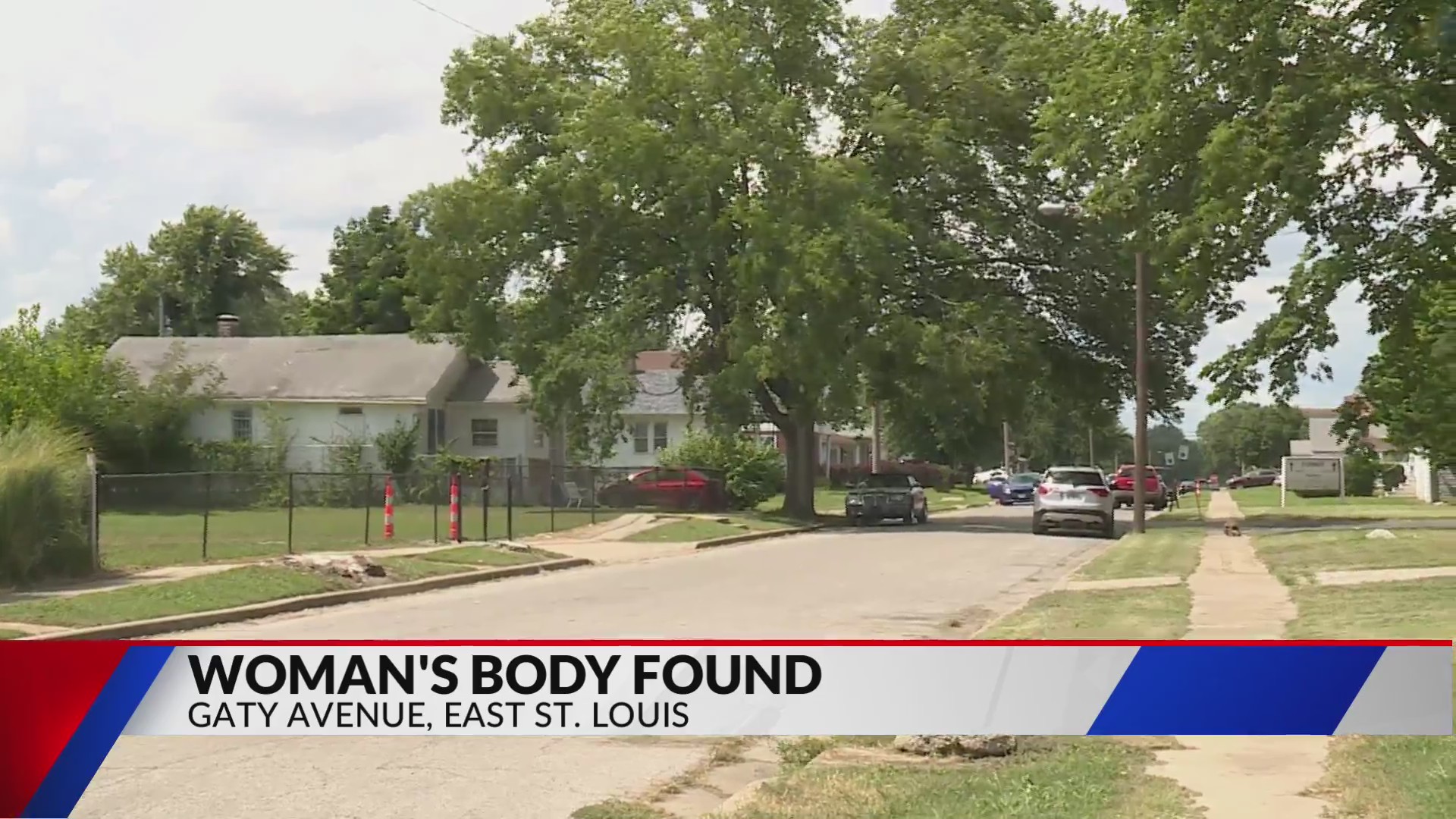
The Body Found in St. Louis Investigation: Comprehensive Overview and Public Records Access
When a human remains discovery occurs within the St. Louis metropolitan area, a multi-jurisdictional investigative response immediately activates, involving local police departments, the regional medical examiner’s office, and speciali...
When a human remains discovery occurs within the St. Louis metropolitan area, a multi-jurisdictional investigative response immediately activates, involving local police departments, the regional medical examiner’s office, and specialized forensic units. Understanding how these cases are processed, how public records are requested, and what protocols govern law enforcement transparency provides essential clarity for journalists, researchers, and community members seeking accurate information.
Contents
The Scope of Homicide and Unattended Death Investigations in St. Louis
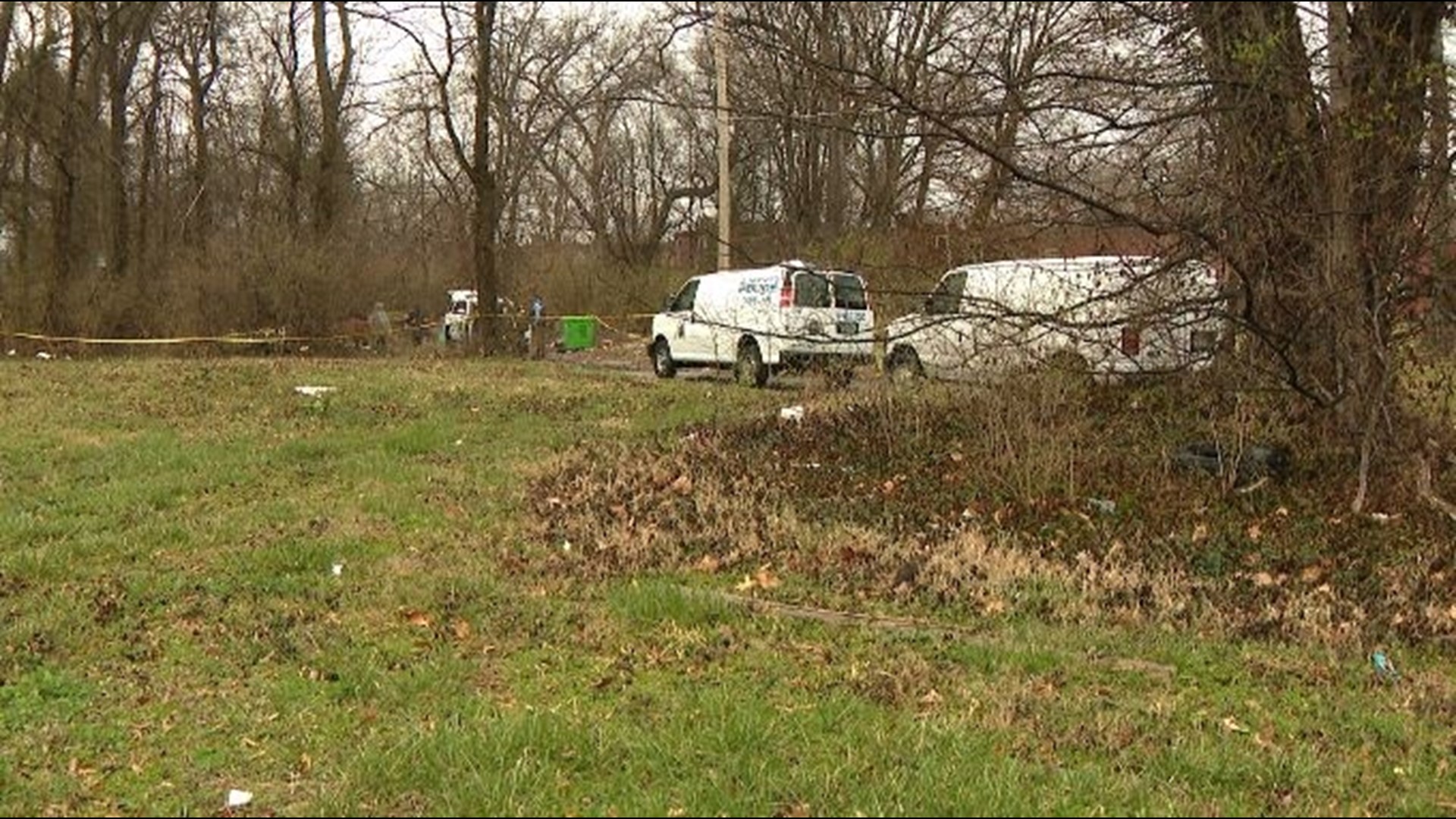
The investigation surrounding the discovery of human remains in St. Louis requires a rigorous, systematic approach divided between municipal police forces—such as the St. Louis Metropolitan Police Department (SLMPD)—and surrounding county agencies, depending on the exact geographic coordinates of the recovery site. When a body is located, the primary objective of the initial response team is scene preservation. Forensic technicians establish a secure perimeter to collect trace evidence, document atmospheric and environmental conditions, and prevent contamination by unauthorized personnel or elements.
Concurrently, the regional medical examiner or coroner takes legal custody of the remains. In the City of St. Louis, the Office of the Medical Examiner operates independently from the police department to ensure objective pathological evaluations. Forensic pathologists conduct external examinations, internal autopsies, toxicological screenings, and dental or DNA profiling to determine the cause and manner of death. Because these procedures demand scientific precision, preliminary findings are rarely released immediately to the public, as premature disclosures can jeopardize ongoing criminal investigations or misdirect public understanding.
Jurisdictional Boundaries and Inter-Agency Coordination
St. Louis presents unique jurisdictional challenges due to the administrative separation between the City of St. Louis and St. Louis County. This division dictates which agency leads the investigation and which entity maintains public records.
| Investigative Phase | City of St. Louis Agency | St. Louis County Agency |
|---|---|---|
| Primary Law Enforcement | SLMPD Homicide Division | St. Louis County Police Department |
| Medicolegal Autopsy | City Medical Examiner Office | County Medical Examiner Office |
| Prosecution | City Circuit Attorney's Office | County Prosecuting Attorney |
| Records Custodian | SLMPD Open Records Section | County Police Records Division |
When a body is found near municipal boundaries or along the Mississippi or Missouri riverbanks, federal agencies such as the Federal Bureau of Investigation (FBI) or the United States Coast Guard may become involved. Such involvement typically occurs if jurisdictional lines are disputed, if a federal crime is suspected, or if the recovery site falls within navigable waters subject to federal maritime jurisdiction.
Protocols for Identifying Unknown Remains
When human remains are found in a state of advanced decomposition, skeletonization, or fragmentation, visual identification becomes impossible. In these complex scenarios, investigators rely on advanced forensic anthropology and odontology. The process follows several distinct stages:
- Recovery and Sifting: Forensic anthropologists map the recovery site and carefully excavate the surrounding soil or debris to ensure no skeletal fragments or personal effects are left behind.
- Post-Mortem Radiography: X-rays are taken to identify past bone fractures, surgical hardware, or dental structures that can be matched against antemortem medical records.
- DNA Extraction: Bone or dental samples are sent to accredited forensic laboratories, such as the University of North Texas Center for Human Identification, to develop a genetic profile.
- Database Cross-Referencing: Profiles are uploaded to the National Missing and Unidentified Persons System (NamUs) and the Combined DNA Index System (CODIS) to search for potential matches with missing persons reports nationwide.
Accessing Public Records and Police Reports
Public access to records regarding an ongoing investigation in Missouri is governed by Chapter 610 of the Revised Statutes of Missouri, commonly known as the Sunshine Law. However, navigating these laws requires understanding statutory exemptions designed to protect active criminal investigations.
Under Missouri Sunshine Law, active investigative reports, unredacted incident logs, and confidential witness statements are generally closed to the public until a case is formally closed, dismissed, or adjudicated. Once an investigation transitions from active to inactive or closed status, basic incident reports and specific public records become accessible upon formal written request to the records division of the handling law enforcement agency.
To request records, applicants must submit a detailed public records request specifying the incident number, date, location, and the names of individuals involved if known. Agencies are permitted by state statute to charge reasonable fees for staff time and document duplication. It is important to note that medical examiner autopsy reports are handled separately from police incident reports; access to autopsy records may be restricted to immediate family members, legal representatives, or authorized researchers depending on the status of the legal inquiry.
Frequently Asked Questions
How long does it take to identify a body found in St. Louis?
The timeline for identification varies widely based on the condition of the remains. If fingerprints or dental records are intact and available, identification can occur within days. If DNA profiling and familial database comparisons are required, the process can take weeks, months, or even years.
Who handles public inquiries when a body is discovered?
Public information officers (PIOs) from the specific law enforcement agency managing the case—either the SLMPD or the St. Louis County Police Department—are the authorized sources for media releases and official public updates.
Are autopsy reports automatically open to the public in Missouri?
No. Autopsy reports are generally classified as closed or restricted records during active criminal investigations. Once an investigation concludes, access is governed by state sunshine laws and local medical examiner policies, which often restrict full report distribution to designated next-of-kin or legal counsel.
Can family members of missing persons submit DNA proactively?
Yes. Family members can work with local police departments or NamUs to submit reference DNA samples (such as swab samples or personal items belonging to the missing person) to be stored securely in national databases for future comparison against unidentified remains.
What should a citizen do if they discover suspected human remains?
If a citizen encounters suspected human remains, they must immediately leave the area undisturbed, avoid touching or moving any objects, and contact local emergency services by dialing 911. Tampering with a death scene compromises forensic evidence and can impede criminal investigations.
Next Actions and Official Resources
For individuals tracking specific investigations or seeking assistance regarding missing persons in the region, relying on verified institutional channels is critical. Consult the official St. Louis Metropolitan Police Department portal for public safety notices, or utilize the National Missing and Unidentified Persons System (NamUs) database to cross-reference active missing person listings and unidentified decedent profiles across Missouri.
Image Gallery