Cost of Red Light Therapy at Home: Understanding the Price Landscape
The cost of red light therapy at home ranges from $30 for basic handheld spot devices to over $3,000 for full-body panel arrays. Mid-range tabletop panels offering therapeutic irradiance typically cost between $200 and $600. Prices dep...
The cost of red light therapy at home ranges from $30 for basic handheld spot devices to over $3,000 for full-body panel arrays. Mid-range tabletop panels offering therapeutic irradiance typically cost between $200 and $600. Prices depend primarily on LED power output, wavelength accuracy, coverage area, build quality, and regulatory safety clearances.
Contents
The At-Home Red Light Therapy Market Overview
Photobiomodulation (PBM)—commonly known as red light therapy—uses specific red and near-infrared (NIR) wavelengths to stimulate cellular function, enhance ATP (adenosine triphosphate) production in mitochondria, reduce inflammation, and accelerate tissue repair. Historically confined to specialized dermatological clinics, sports medicine facilities, and high-end wellness spas, home-use PBM equipment has experienced rapid technological advancement and market expansion.
Understanding the cost of red light therapy at home requires evaluating the engineering trade-offs between consumer price points and clinical efficacy. Low-cost devices frequently advertise identical benefits to high-end clinical systems, yet significant differences exist in light intensity (irradiance), beam angle, thermal management, and spectral purity.
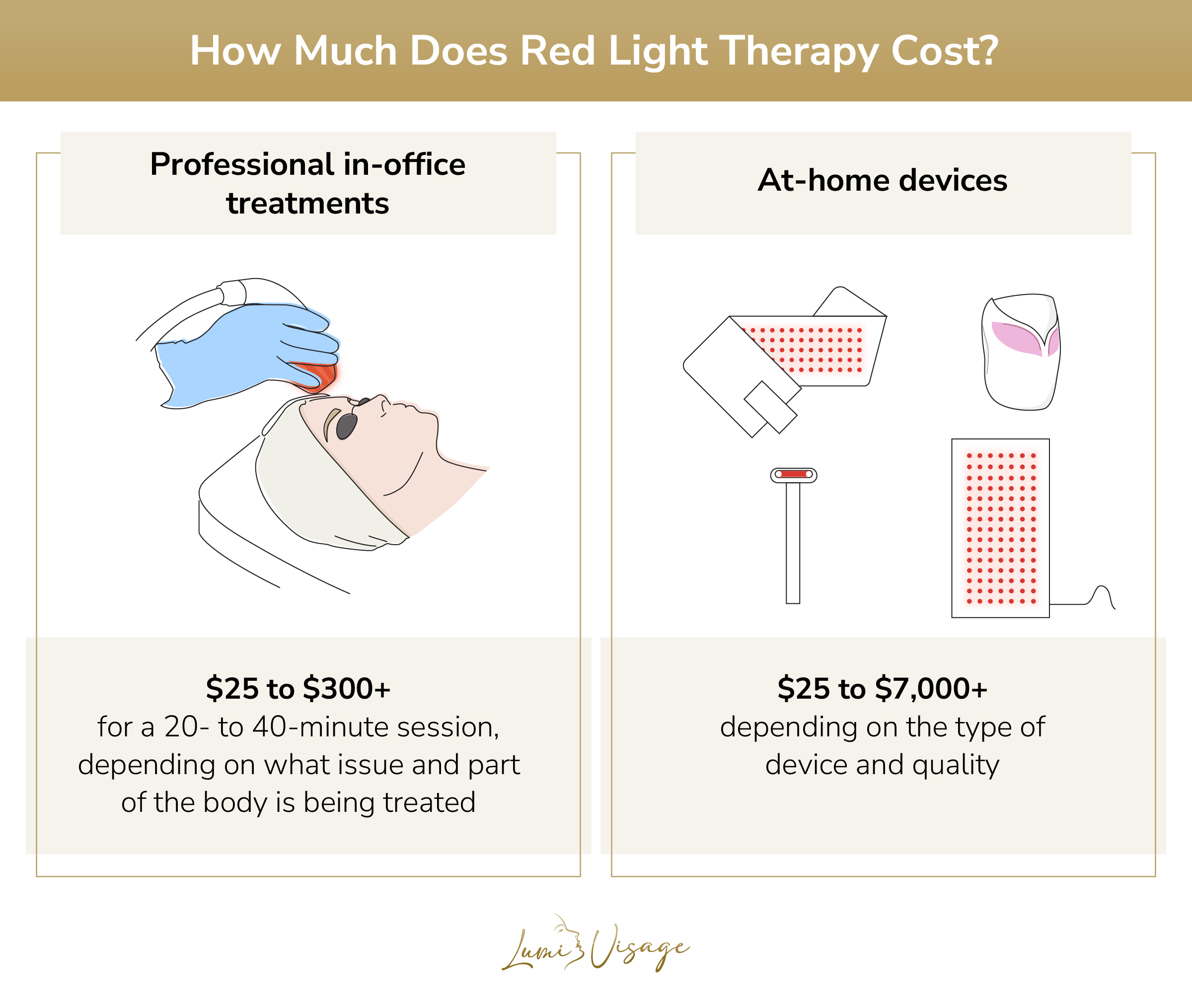
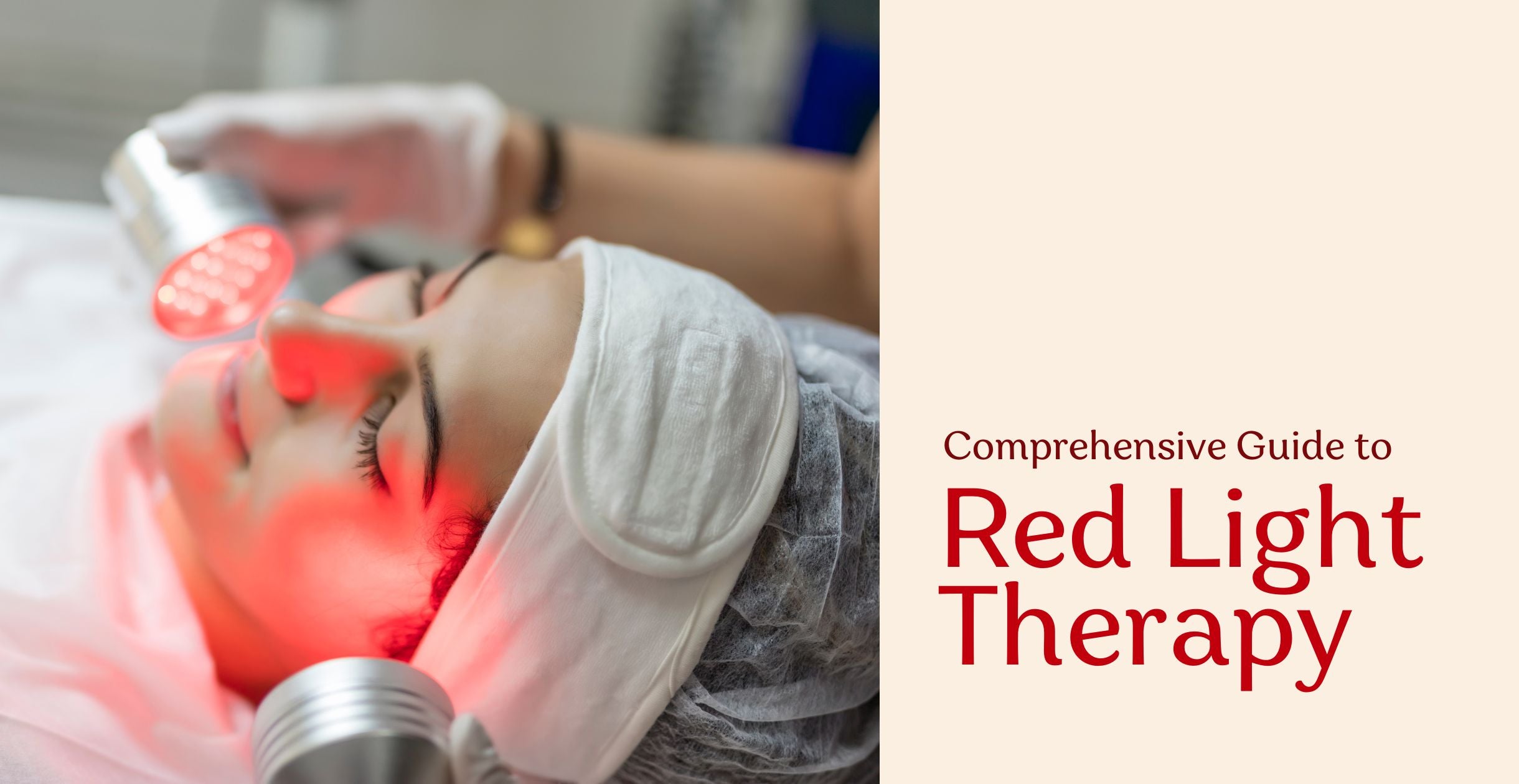
While clinical sessions cost anywhere from $50 to $150 per individual treatment, purchasing a home device transfers the financial model from a recurring operational expense to a single capital investment. However, navigating the broad spectrum of prices—spanning two orders of magnitude—requires a clear analysis of hardware tiers, key performance indicators, regulatory standards, and hidden operational costs.
Disclaimer: Photobiomodulation devices intended for home use are categorized under various regulatory tiers. This article provides educational pricing and technical analysis. Consult a licensed medical professional before using light therapy devices to treat clinical medical conditions.
Pricing Tiers for At-Home Red Light Therapy Devices
The market for at-home red light therapy hardware falls into four primary pricing tiers, distinguished by physical size, coverage area, power delivery, and construction quality.
PBM DEVICE PRICE TIERS:
- Entry-Level ($30 – $150): Spot bulbs, handhelds, basic masks
- Mid-Tier ($150 – $600): Tabletop panels, premium masks
- High-End ($600 – $2,500): Half & full-body modular panels
- Commercial-Grade ($2,500–$10,000+): Multi-panel arrays & full pods
Entry-Level: Handhelds, Spot-Treatment Bulbs, and Budget Wearables ($30 – $150)
Entry-level devices target small, localized areas such as single joints, facial spot treatments, or targeted skin patches.
- Hardware Format: PAR38 LED spot bulbs, small battery-powered wands, flexible silicone masks from low-cost manufacturers, and wrap-around joint belts.
- Technical Characteristics: Power draw typically ranges between 10 to 40 watts. Irradiance at contact range rarely exceeds 30 to 50 mW/cm², and drops significantly when backed away from the skin.
- Best Used For: Superficial skin conditions, mild targeted joint pain, or users seeking an economical introduction to photobiomodulation.
- Limitations: Narrow coverage area requires long treatment sessions to cover larger body regions. Heat dissipation is often limited, shortening LED lifespan.
Mid-Tier: Targeted Panels and Premium Wearables ($150 – $600)
Mid-tier products represent the sweet spot for many home users, balancing optical power density, build quality, and treatment area.
- Hardware Format: Compact tabletop panels (spanning 10 to 18 inches in height), specialized flexible face and neck masks built with medical-grade silicone, and focused targeted lights.
- Technical Characteristics: Actual power consumption ranges from 80 to 300 watts. These devices deliver therapeutic irradiance between 50 and 100 mW/cm² at a distance of 6 inches, utilizing dual-chip or multi-wavelength LEDs emitting precisely around 660 nm (red) and 850 nm (near-infrared).
- Best Used For: Targeted facial rejuvenation, localized muscle recovery, joint pain relief, and routine daily skin health.
- Limitations: Requires treating the body in sections; full-body coverage in a single session is not possible with tabletop dimensions.
High-End: Full-Body Panels and Modular Setup ($600 – $2,500)
High-end systems are designed for serious fitness enthusiasts, biohackers, and individuals seeking comprehensive full-body systemic benefits.
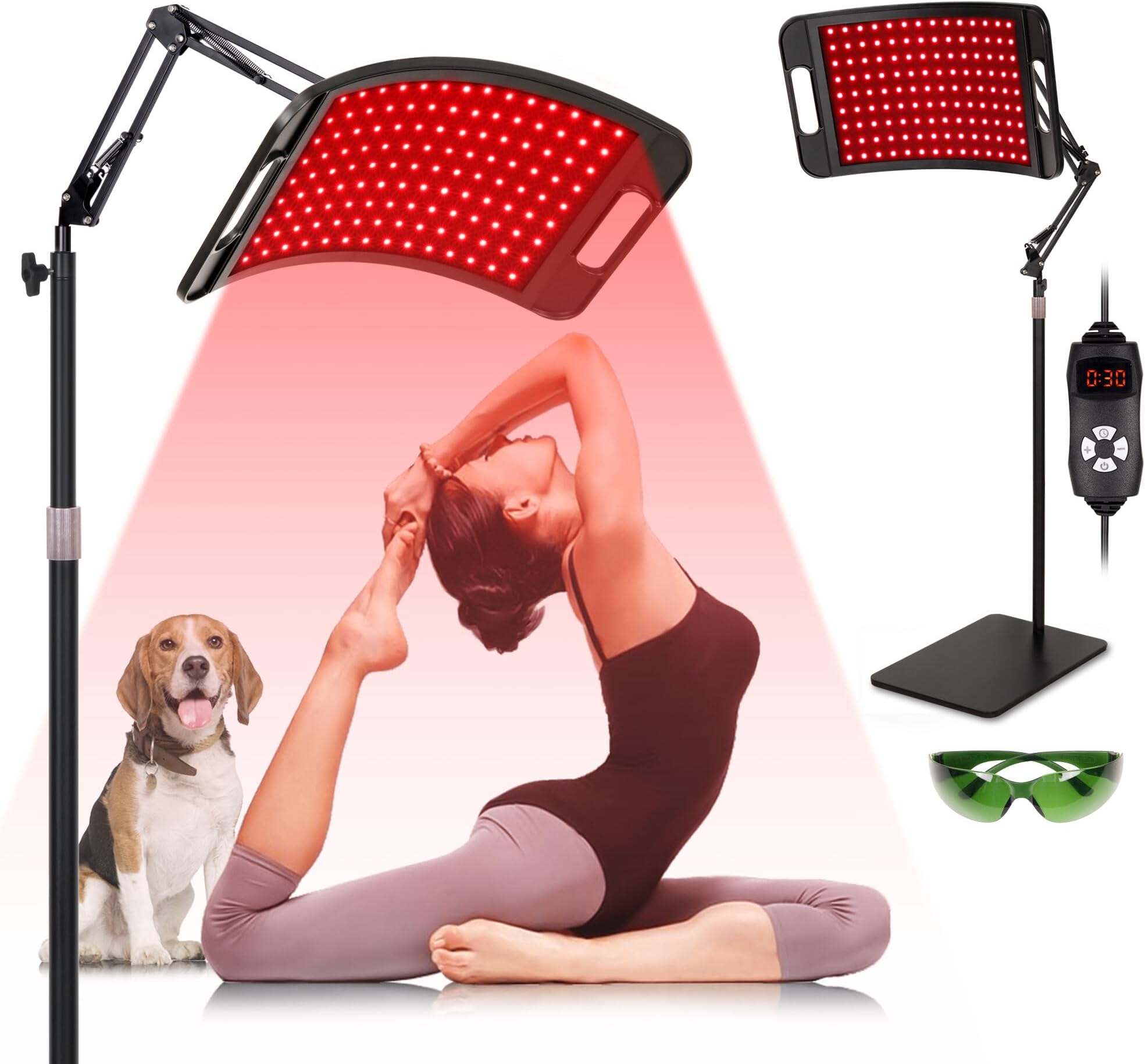
- Hardware Format: Tall wall-mounted or stand-mounted panels (3 feet to 6 feet in height) capable of linking together in modular configurations.
- Technical Characteristics: Power consumption ranges from 400 to over 1,000 watts. Built with heavy-duty aluminum housings, internal cooling fans, digital control screens, low-EMF power supplies, and multi-wavelength optical arrays (e.g., blending 630nm, 660nm, 810nm, 830nm, and 850nm wavelengths). Irradiance consistently measures over 100 mW/cm² at 6 inches.
- Best Used For: Full-body muscle recovery, systemic inflammation reduction, large-scale collagen synthesis, and rapid daily treatments (5 to 10 minutes total).
- Limitations: Substantial physical footprint, heavy weight (20 to 60 lbs), higher upfront capital expenditure, and increased power requirements.
Commercial-Grade / Ultra-Premium: Full-Body Canopy Systems and Pods ($2,500 – $10,000+)
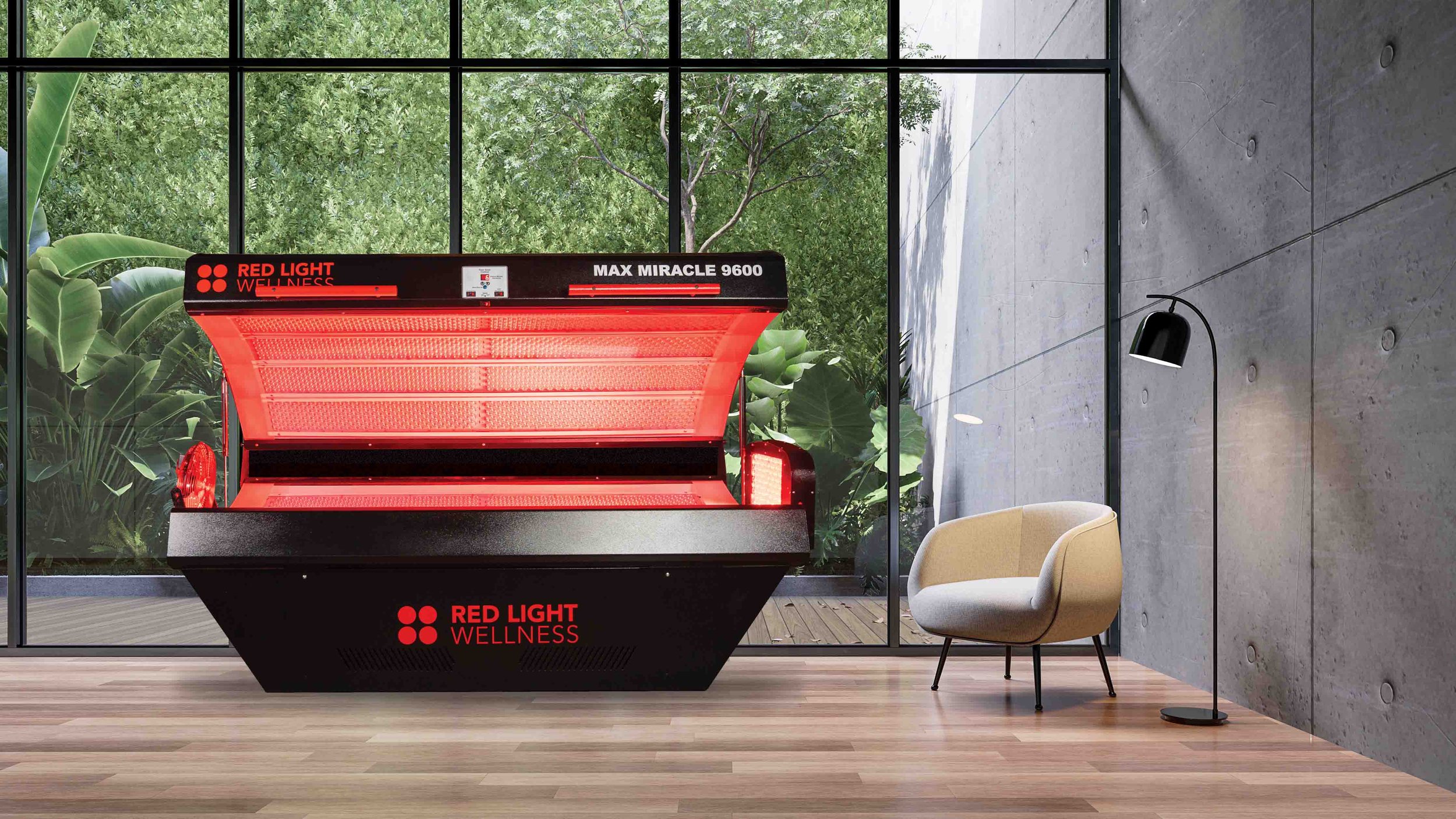
At the apex of the market are multi-panel surround systems, vertical motor-driven canopies, and lie-down photobiomodulation capsules designed for luxury home gyms and clinical environments.
- Hardware Format: 360-degree multi-panel arrays, motorized overhead canopies, and full-body lie-down beds.
- Technical Characteristics: Multiple interconnected driver units, active cooling channels, custom lens optics (typically 30° to 60° beam angles), programmable pulse frequencies (1 Hz to 10,000 Hz), and comprehensive medical safety compliance.
- Best Used For: Complete front-and-back body exposure simultaneously, athletic recovery facilities, and private wellness suites.
- Limitations: Significant space requirements, professional installation may be required, and cost exceeds normal consumer budgets.
Key Technical Factors That Drive Device Costs
The wide price divergence in home red light therapy hardware is not merely marketing markup; it stems directly from internal component quality, engineering specifications, and regulatory compliance.
1. Wavelength Precision and Spectral Purity
Effective photobiomodulation relies on specific optical windows where cytochrome c oxidase (in mitochondria) and water molecules absorb light energy efficiently. According to research published through the National Center for Biotechnology Information (NCBI), peak absorption occurs in the red spectrum (630–660 nm) and the near-infrared spectrum (810–850 nm).
Cheap light-emitting diodes (LEDs) often suffer from broad spectral output (e.g., +/- 20 nm variance), meaning much of the emitted light falls outside the peak biological absorption band. Premium panels utilize narrow-band LEDs (+/- 2 to 5 nm accuracy) engineered specifically for photobiomodulation, driving up diode procurement costs.
Biological Absorption Spectrum:
- Red Light: 630 nm to 660 nm (Superficial Tissue / Collagen / Skin)
- Near-Infrared: 810 nm - 830 nm - 850 nm (Deep Muscle / Joint / Bone)
2. Irradiance and Optical Power Density
Irradiance measures the amount of light energy delivered per unit area, expressed in milliwatts per square centimeter ($\text{mW/cm}^2$). Higher irradiance delivers an effective therapeutic dose (measured in Joules per square centimeter, $\text{J/cm}^2$) in less time.
- High-grade panels deliver $>100\text{ mW/cm}^2$ at a 6-inch distance, enabling a 5-minute session to deliver $\approx 30\text{ J/cm}^2$.
- Low-grade devices often yield $<20\text{ mW/cm}^2$ at the same distance, requiring 30 minutes or more for an equivalent light dose.
Achieving high irradiance requires high-wattage power supplies, custom optical lenses, and robust thermal management systems, all of which elevate production costs.
3. EMF Shielding and Flicker Control
Because users stand or sit close to photobiomodulation panels, electromagnetic field (EMF) emissions and optical flicker are critical health and comfort considerations.
- Extremely Low Frequency (ELF) and Magnetic EMF: Premium panels incorporate internal metal shielding and isolated driver units to reduce magnetic field emissions to near zero ($<0.1\text{ mG}$) at operational distances.
- Flicker Rates: Inexpensive LED drivers modulate current in ways that induce rapid, invisible optical flicker (sub-100 Hz), which can trigger eye strain or headaches. High-end panels utilize zero-flicker constant-current LED drivers, adding to circuit board complexity and cost.
4. Regulatory Clearances and Safety Certifications
Device manufacturers seeking to market products for specific medical or cosmetic claims undergo rigorous regulatory review. Obtaining 510(k) clearance from the U.S. Food and Drug Administration (FDA) requires demonstrating safety and substantial equivalence to existing predicate medical devices.
- FDA 510(k) Clearance: Costs manufacturers tens to hundreds of thousands of dollars in testing, legal documentation, and auditing fees.
- Electrical Safety Certifications: Testing for safety standards such as UL 60601-1 or IEC 62471 (photobiological safety) ensures devices will not cause optical hazard or electrical fault, adding to retail pricing.
At-Home Device Pricing and Features Comparison
The following matrix compares technical specifications, price ranges, and practical considerations across device categories.
| Device Category | Average Price Range | Typical Wavelengths | Average Irradiance (@ 6 in.) | Primary Strengths | Main Drawbacks |
|---|---|---|---|---|---|
| Spot Bulbs & Wands | $30 – $150 | 660nm, 850nm | 20 – 40 $\text{mW/cm}^2$ | Low cost, portable, targeted treatment | Small footprint, requires manual holding |
| Flexible Masks | $150 – $450 | 630nm, 830nm, 1070nm | 15 – 35 $\text{mW/cm}^2$ (Direct Contact) | Hands-free, direct skin contact, lightweight | Limited to facial skin, fragile wiring |
| Tabletop Panels | $200 – $600 | 660nm, 850nm | 60 – 100 $\text{mW/cm}^2$ | High irradiance, durable, versatile | Requires desk/stand, targeted area only |
| Half-Body Panels | $600 – $1,200 | 630nm, 660nm, 830nm, 850nm | 100 – 120 $\text{mW/cm}^2$ | Efficient torso/leg coverage, modular | Heavier weight, higher upfront cost |
| Full-Body Panels | $1,200 – $2,500 | Multi-band (5+ spectra) | 100 – 140 $\text{mW/cm}^2$ | Rapid full-body treatment, robust drivers | High price, dedicated floor space required |
| Full Pods / Beds | $3,000 – $10,000+ | Multi-band + Pulsing | 100 – 150 $\text{mW/cm}^2$ (360°) | Total exposure, integrated controls | Extremely high cost, complex installation |
At-Home vs. In-Clinic Costs: Calculating Long-Term ROI
To evaluate whether purchasing an at-home red light therapy panel makes financial sense, compare the capital equipment investment against recurring clinical service fees.
In-Clinic Treatment Economics
- Average Clinic Session Cost: $50 to $150 per session (at medical spas, wellness hubs, or chiropractic clinics).
- Recommended Protocol: 3 to 5 sessions per week for 8 to 12 weeks for chronic pain or dermatological improvements.
- First-Year Clinical Total: At $75 per session, 3 sessions per week over 52 weeks equals $11,700 per year.
At-Home Device Economics
- Initial Device Purchase (Mid-to-High Tier Panel): $600 (Tabletop) to $1,500 (Full-Body Panel).
- Operational Power Costs: Negligible (typically under $15 per year in electricity).
- Break-Even Point: $$\text{Break-Even Sessions} = \frac{\text{Device Cost ($1,000)}}{\text{Clinic Session Cost ($75)}} = 13.3\text{ Sessions}$$
For an individual committing to regular photobiomodulation therapy, an at-home panel pays for itself within 3 to 6 weeks of consistent use compared to salon or clinic rates.
FINANCIAL COMPARISON OVER 1 YEAR (3 sessions/week)
| Option | Cost |
|---|---|
| Clinical Sessions ($75/visit) | $11,700 total |
| At-Home Panel Purchase | $1,000 one-time + ~$15 elec. |
| NET SAVINGS IN YEAR 1 | ~$10,685 |
Hidden Costs and Ongoing Expenses of Home Red Light Therapy
While the retail price tag of a red light device represents the primary cost, prospective buyers should account for ancillary and operational expenses over the product lifespan.
TOTAL COST OF OWNERSHIP (TCO):
- Hardware Purchase Price (Initial Capital)
- Electricity Usage (Watts x Hours x Rate)
- Mounting Accessories & Stands (Floor/Mobile)
- Protective Eyewear (Goggles/Blockers)
- Warranty Extensions & Replacement Components
1. Electricity Consumption
PBM panels run on standard household electrical current. Calculating running costs relies on total power consumption:
$$\text{Daily Energy (kWh)} = \frac{\text{Rated Power (Watts)} \times \text{Daily Hours}}{1000}$$
- Example: A 600-watt panel operated for 20 minutes (0.33 hours) per day consumes roughly 0.2 kWh per day.
- At an average U.S. residential electricity rate of $0.16 per kWh, daily running cost is approximately $0.03 per day ($11.68 annually). Energy consumption is thus a minor cost factor compared to initial hardware pricing.
2. Accessories, Stands, and Mounting Systems
Large panels weigh between 20 and 60 pounds. Mounting them safely often requires dedicated accessories:
- Door Mount Systems: Usually included with high-end panels, but aftermarket door brackets cost $30 to $70.
- Wheeled Mobile Floor Stands: Vertical or horizontal floor stands with electric or hydraulic lifts cost between $200 and $600, adding noticeably to total system cost.
3. Protective Eyewear and Accessories
Near-infrared light is invisible to the human eye, but high optical power densities can cause ocular warming or discomfort. While basic safety goggles are often included, specialized laser safety glasses or total light-blockers cost $15 to $50.
4. Warranty Coverage and Replacement Component Costs
LEDs have rated lifespans ranging from 50,000 to 100,000 hours, meaning the diodes themselves rarely burn out under normal home usage. However, internal cooling fans, power transformers, and digital touchscreens can fail sooner.
- Standard manufacturer warranties cover 2 to 3 years.
- Extended warranties or out-of-warranty replacement power drivers cost $50 to $150 per internal module.
How to Select the Right Device for Your Budget
Selecting a red light device involves balancing your treatment goals, available space, and budget constraints.
DECISION TREE MATRIX
Is your primary goal localized (face/joint) or systemic (full body)?
- LOCALIZED SKIN / JOINT:
- Budget < $150? Buy a targeted LED Wand or PAR38 Spot Bulb.
- Budget $150-$450? Buy a Medical-Grade Silicone Face Mask or Mini Panel.
- FULL BODY / MUSCLE RECOVERY:
- Budget $200-$600? Buy a Medium Tabletop Panel (Treat in sections).
- Budget $600-$2,500? Buy a Modular Half-Body or Full-Body Wall Panel.
1. Define Your Primary Objective
- Facial Skin & Collagen Focus: A targeted silicone face mask ($200–$400) or compact tabletop panel ($200–$350) delivers sufficient energy directly to dermal layers.
- Athletic Recovery & Deep Tissue Relief: Requires near-infrared wavelengths (810nm–850nm) with high irradiance ($>100\text{ mW/cm}^2$). Invest in a tabletop or half-body panel ($400–$900).
- Systemic Wellness & Full-Body Efficiency: Invest in a 3-foot to 6-foot panel ($800–$2,000) to treat large body areas in a single 10-minute session.
2. Verify Technical Claims
- Check Actual Wattage vs. LED Max Power: Manufacturers often label panels by theoretical LED maximum capacity (e.g., "300W") while actual power draw from the wall is only 90W. Look for true wall power consumption in product specifications.
- Request Third-Party Spectroradiometer Reports: Reputable brands publish independent laboratory test results verifying exact wavelength emission peaks and irradiance at set distances.
3. Assess Warranty and Support Terms
Avoid unbranded white-label panels from overseas marketplaces that lack localized customer service or clear warranty support. A 3-year warranty backed by an established customer support team protects your investment against power supply or cooling fan failures.
Frequently Asked Questions
Is a $50 red light therapy panel as effective as a $600 panel?
No. A $50 device generally delivers significantly lower irradiance, narrower spatial coverage, and wider wavelength variances compared to a $600 panel. While budget devices may offer localized benefits at direct skin contact, mid-tier panels deliver higher optical power density over larger body regions, reducing overall treatment time while penetrating deeper tissues.
How long do home red light therapy panels last before needing replacement?
Quality LED photobiomodulation panels are rated for 50,000 to 100,000 hours of continuous operational use. Used daily for 20 minutes, the light diodes can theoretically last decades. However, internal power supply drivers or cooling fans may require service or replacement after 5 to 7 years of regular use.
Are expensive red light therapy devices FDA approved or cleared?
PBM devices are typically not "FDA approved" (a designation reserved for high-risk Class III medical devices or prescription pharmaceuticals). Instead, high-quality manufacturers seek FDA 510(k) clearance as Class II medical devices for specific over-the-counter indications, such as treating minor muscle pain, joint stiffness, or facial wrinkles. Clearance adds regulatory compliance costs, which are reflected in the device price.
Does health insurance cover the cost of at-home red light therapy panels?
Standard health insurance policies rarely cover consumer home photobiomodulation devices. However, users in the United States can frequently purchase FDA-cleared red light therapy devices using tax-advantaged Flexible Spending Accounts (FSA) or Health Savings Accounts (HSA) funds. Check with your plan administrator for specific documentation or Letter of Medical Necessity (LMN) requirements.
What is the average monthly electricity cost of running a panel daily?
Running a typical 600-watt panel for 20 minutes per day consumes roughly 6 kilowatt-hours (kWh) of power per month. At standard electrical utility rates ($0.16/kWh), the monthly operating cost is less than $1.00 per month.
Strategic Recommendations for Buyers
Navigating the at-home red light therapy price landscape comes down to balancing technical performance against personal treatment scope. For most consumers, spending $300 to $800 on a reputable mid-tier tabletop or half-body panel delivers the optimal balance of therapeutic irradiance, safety certifications, structural durability, and long-term financial value.
Prioritize verified optical power density, precise 660nm/850nm dual-chip emission, low EMF output, and a solid 3-year warranty over cosmetic novelties or unverified performance claims. By replacing or supplementing high-cost clinical appointments with a quality home unit, committed users can achieve substantial cost savings while maintaining consistent treatment regimens.
Image Gallery