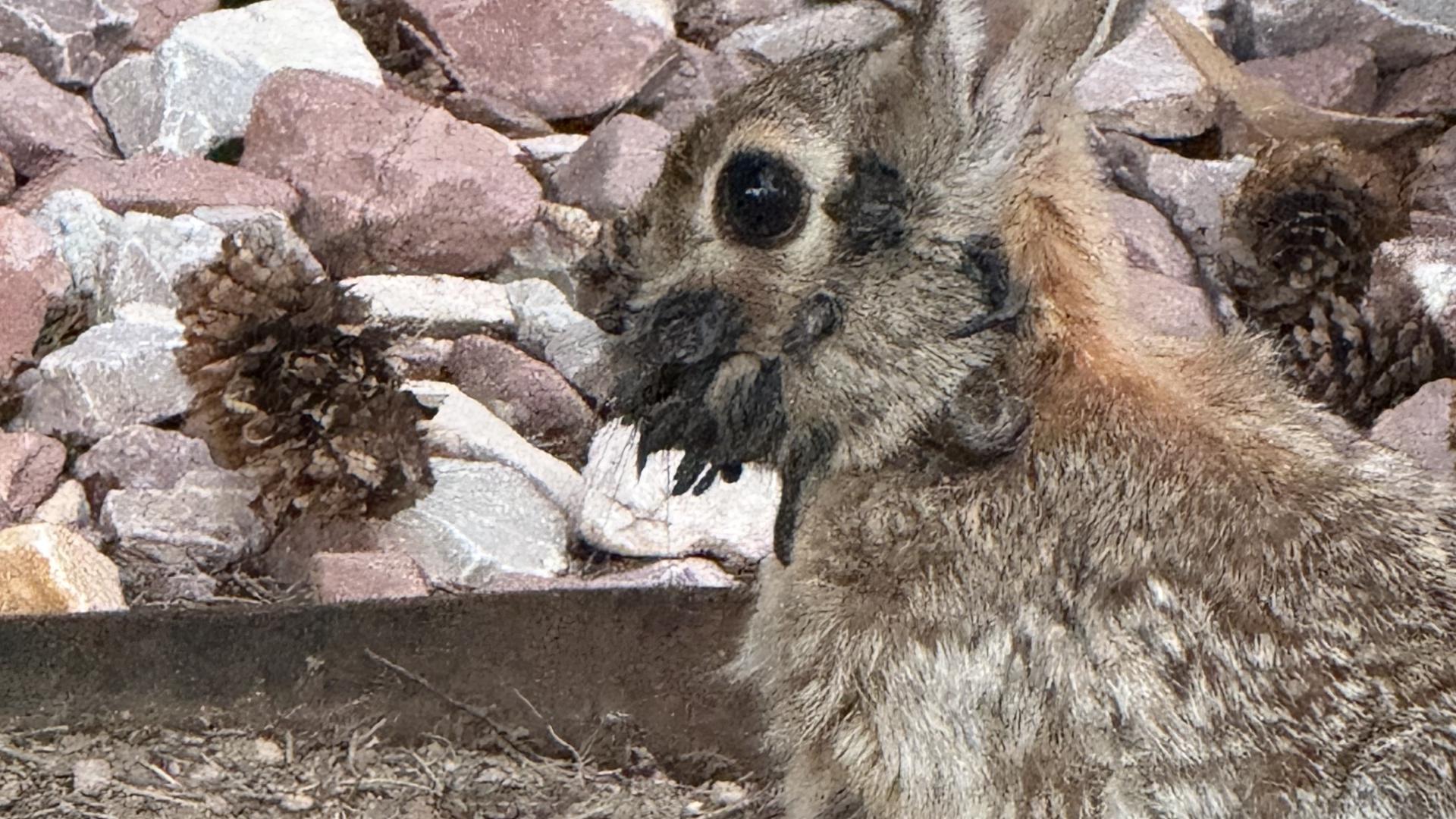
Frankenstein Rabbits: A Technical Overview
"Frankenstein rabbits" is a popular media term for transgenic and bioengineered rabbit (Oryctolagus cuniculus) models. Scientifically, these organisms are modified using techniques such as CRISPR/Cas9 gene editing, pronuclear microinje...
"Frankenstein rabbits" is a popular media term for transgenic and bioengineered rabbit (Oryctolagus cuniculus) models. Scientifically, these organisms are modified using techniques such as CRISPR/Cas9 gene editing, pronuclear microinjection, and somatic cell nuclear transfer to express exogenous genes, humanize immune pathways, or model complex metabolic diseases for therapeutic protein production and pharmaceutical development.
Contents
Technical Context: Demystifying "Frankenstein Rabbits"
The sensationalized moniker "Frankenstein rabbit" emerged in public discourse following high-profile biotechnology experiments, including the creation of GFP (green fluorescent protein) expressing lagomorphs and human-rabbit interspecies chimeric embryos in the early 2000s. In modern biotechnology and biomedical research, the term refers strictly to genetically engineered, transgenic, or chimeric rabbit models utilized as precise biological instruments.
While rodents such as mice (Mus musculus) and rats (Rattus norvegicus) dominate small-animal research, rabbits occupy a critical physiological and immunological bridge between small rodents and non-human primates. The domestic rabbit offers distinct biological features that make it indispensable for specialized genetic engineering:
- Complex Immune Repertoire: Rabbits generate antibody diversity through somatic gene conversion and hypermutation mechanisms distinct from rodents, producing high-affinity antibodies against epitopes that are non-immunogenic in mice.
- Physiological Proximity to Humans: Rabbits exhibit lipid metabolism, cardiovascular architecture, and airway electrophysiology that far more closely mirror human biology than rodent systems.
- Sufficient Biomass: Their larger body size allows for serial blood sampling, micro-surgical tissue engineering, and higher yields of therapeutic proteins in expression systems.
To understand the modern technical landscape of bioengineered rabbits, one must evaluate the methodologies used to construct these models, their therapeutic applications, and the operational controls required to maintain genetic stability.
Genetic Modification Methodologies in Bioengineered Rabbits
Constructing genetically altered lagomorphs requires specialized embryological techniques due to unique properties of the rabbit oocyte, such as a dense, opaque cytoplasm rich in lipid droplets that complicates pronuclear visualization.
Transgenic Rabbit Engineering Pipelines:
- Pronuclear Injection: Random Integration / Mosaicism
- SCNT / Somatic Cloning: Nuclear Transfer / Low Efficiency
- CRISPR/Cas9 RNP: Site-Specific DSB / Targeted HDR
- Viral Vector (Lenti): High Efficiency / Insert Size Limit
1. Pronuclear Microinjection
Pronuclear microinjection was the initial standard for creating transgenic rabbits. The protocol involves harvesting fertilised zygotes from superovulated females, visualizing the pronuclei using differential interference contrast (DIC) microscopy or centrifugation to displace opaque lipids, and microinjecting linear DNA constructs directly into the male pronucleus.
Despite its historical utility, pronuclear injection suffers from key technical drawbacks:
- Random Integration: Transgenes integrate randomly into the host genome, risking insertional mutagenesis or variable expression due to position effects.
- Concatemerization: Multiple copies of the construct often insert as tandem head-to-tail concatemer structures, leading to gene silencing via epigenetic mechanisms.
- High Mosaicism Rate: Integration frequently occurs after the first zygotic cleavage division, yielding founder animals ($F_0$) composed of mixed wild-type and transgenic cell lines.
2. Somatic Cell Nuclear Transfer (SCNT)
Somatic cell nuclear transfer allowed for targeted gene modifications prior to embryo generation. Fetal fibroblasts or adult somatic cells are cultured in vitro, subjected to locus-specific genetic modifications (such as homologous recombination), validated, and then used as nuclear donor cells.
The donor nucleus is transferred into an enucleated metaphase II oocyte via electrofusion. The reconstructed zygote is chemically or electrically activated and cultured to the blastocyst stage before transfer into a synchronized pseudopregnant recipient female. While SCNT ensures that 100% of offspring carry the precise pre-validated mutation, the technique in lagomorphs yields low cloning efficiency (typically under 1% to 3% live birth rates) due to incomplete epigenetic reprogramming and placental abnormalities.
3. CRISPR/Cas9 and Precision Genome Editing
The deployment of site-specific nucleases—specifically Clustered Regularly Interspaced Short Palindromic Repeats (CRISPR) paired with Cas proteins (Cas9, Cas12a)—has revolutionized rabbit transgenesis. CRISPR reagents can be delivered directly into zygotes as mRNA, plasmid DNA, or pre-assembled ribonucleoprotein (RNP) complexes via microinjection or electroporation.
- Non-Homologous End Joining (NHEJ): Induces targeted double-strand breaks (DSBs) to create insertions or deletions (indels), effectively knocking out specific host genes (e.g., knockouts of endogenous immunoglobulin loci or the LDLR gene).
- Homology-Directed Repair (HDR): Co-injection of a single-stranded oligodeoxynucleotide (ssODN) or double-stranded donor plasmid containing homologous flanking arms enables precise knock-in of human gene sequences or point mutations.
Using CRISPR/Cas9 RNP complexes significantly reduces mosaicism compared to DNA injection because the short half-life of the protein limits cleavage activity past the single-cell embryo stage.
Primary Applications in Biomedical Science and Biotechnology
Bioengineered rabbit platforms serve four primary commercial and academic sectors: humanized monoclonal antibody discovery, biopharmaceutical protein production (molecular farming), pathological disease modeling, and tissue engineering.
Biomedical Application Sectors:
- Therapeutic Antibody Platforms (RabMAb, Humanized Ig locus)
- Molecular Farming (Mammary gland promoters, Ruconest C1-inhibitor)
- Disease Models (Atherosclerosis, Hypercholesterolemia, Viruses)
- Regenerative Medicine (Osteochondral scaffolds, Tissue grafts)
Humanized Monoclonal Antibody Production
Rabbit monoclonal antibodies (RabMAbs) exhibit picomolar binding affinity and superior specificity compared to standard mouse antibodies. To leverage this without triggering human anti-rabbit antibody (HARA) immune responses in patients, bioengineers created transgenic rabbits carrying human immunoglobulin (Ig) gene loci while inactivating the corresponding endogenous rabbit Ig heavy and light chain genes.
Upon immunization with target antigens, these transgenic rabbits undergo somatic hypermutation and class-switch recombination, generating fully humanized antibodies in vivo. This eliminates the need for post-discovery humanization steps required in conventional antibody pipelines.
Recombinant Biopharmaceutical Bioreactors
Transgenic rabbits function as efficient biological factories for complex, highly glycosylated human therapeutic proteins that cannot be synthesized by bacterial or yeast culture systems. By placing target genes under the control of mammary gland-specific promoters—such as the bovine $\beta$-casein or caprine whey acidic protein (WAP) promoters—the recombinant protein is secreted directly into the rabbit's milk.
A prominent commercial success is conestat alfa (trade name Ruconest), a recombinant human C1 esterase inhibitor produced in the milk of transgenic rabbits. It was approved by the European Medicines Agency (EMA) and the U.S. Food and Drug Administration (FDA) for treating hereditary angioedema. A single bioengineered female rabbit can yield significant quantities of active, correctly folded, and post-translationally modified human therapeutic protein per liter of milk.
Pathological Disease Modeling
Unlike mice, which are naturally resistant to atherosclerosis due to differences in lipid transport, transgenic rabbits engineered with mutations in the low-density lipoprotein receptor (LDLR) or apolipoprotein E (APOE) genes spontaneously develop hypercholesterolemia and arterial plaques when fed standard diets. These models allow researchers to test novel statins, mRNA therapeutics, and biological drugs under pathophysiological conditions that accurately mimic human coronary artery disease.
Methodological Comparison Matrix
The following table compares the primary technical platforms utilized to generate bioengineered rabbit models across key engineering parameters:
| Engineering Method | Target Efficiency (%) | Risk of Mosaicism | Insert Size Capacity | Primary Technical Advantage | Major Technical Limitation |
|---|---|---|---|---|---|
| Pronuclear Microinjection | 1% – 5% | Very High (>60%) | High (>100 kb with BACs) | Straightforward protocol; well-established historical baseline. | Random genomic insertion; variable copy numbers; gene silencing. |
| Somatic Cell Nuclear Transfer (SCNT) | 0.5% – 2% | None (0%) | Virtually Unlimited | Guarantees 100% targeted genomic modifications in founders. | Extreme technical complexity; epigenetic defects; low birth viability. |
| Lentiviral Embryo Transduction | 20% – 50% | Moderate (10%–30%) | Limited (<8–10 kb) | High integration efficiency in pre-implantation embryos. | Random insertion; potential insertional oncogenesis; vector silencing. |
| CRISPR/Cas9 RNP Delivery | 30% – 85% | Low (<15% with RNPs) | Variable (up to 10 kb via HDR) | High site specificity; rapid turnaround; minimal mosaicism. |
Technical Challenges and Protocol Optimization
Engineers working with bioengineered rabbit lines face distinct biological hurdles that require rigid quality-control protocols.
Quality Control & Genotyping Pipeline:
- Founder Animal (F0)
- Genomic DNA Extraction
- ddPCR / Digital PCR
- Determine Copy Number
- Off-Target Analysis
- Whole Genome Seq
- Identify Off-Targets
- Genomic DNA Extraction
- Breeding to F1 Line
- Confirm Germline Pass
Managing Embryonic Sensitivity
Rabbit embryos are exceptionally sensitive to ambient temperature fluctuations, light exposure, and mechanical stress during ex vivo manipulation. Successful protocols mandate:
- Maintaining culture media at $38.5^\circ\text{C}$ (matching rabbit core body temperature rather than the standard $37.0^\circ\text{C}$ used for mice).
- Utilizing specialized, low-osmolality culture media (such as M16 or RD medium) supplemented with essential amino acids and fetal bovine serum (FBS).
- Minimizing microinjection hold times to prevent blastomere collapse.
Genotyping and Copy-Number Verification
Because transgenic lines can harbor concatemers or unexpected structural variations, molecular validation of founder ($F_0$) animals requires a multi-tiered screening approach:
- Quantitative Droplet Digital PCR (ddPCR): Quantifies exact transgene copy numbers per genome, distinguishing single-copy integrations from multi-copy tandem arrays.
- Long-Range PCR & Sequencing: Verifies the precise 5' and 3' junction boundaries of knock-in constructs to ensure no host genomic truncation occurred.
- Whole Genome Sequencing (WGS): Evaluates CRISPR-induced off-target cleavage across candidate genomic loci displaying homology to the single-guide RNA (sgRNA) seed sequence.
Biosafety, Regulatory Frameworks, and Ethical Oversight
The production and housing of genetically engineered lagomorphs are strictly regulated under global biotechnology governance standards.
Institutional and Biosafety Controls
Work involving transgenic rabbits must comply with Institutional Animal Care and Use Committee (IACUC) guidelines and national biosafety frameworks. Depending on the nature of the genetic modification:
- BSL-1 Containment: Standard transgenic lines expressing benign reporter genes (e.g., GFP) or non-pathogenic human proteins.
- BSL-2 Containment: Applied when viral vectors (such as lentivirus or modified adenovirus) are used for gene delivery, or when modeling infectious disease susceptibility (e.g., human hepatitis viruses).
Regulatory Pathways for Derived Therapeutics
Biopharmaceuticals derived from bioengineered rabbits (such as milk-extracted proteins) are evaluated by regulatory agencies including the FDA's Center for Veterinary Medicine (CVM) and Center for Drug Evaluation and Research (CDER), alongside the EMA's Committee for Medicinal Products for Human Use (CHMP).
Regulatory Approval Path:
- Vector Constructs & Target Transgene Validation
- Transgenic Founder Generation & Germline Confirmation
- Viral Clearance & Prion Depletion Studies (Downstream)
- Phase I-III Clinical Trials & FDA/EMA Biologics Approval
The approval process demands rigorous verification of:
- Transgene Stability: Demonstration that the integrated transgene remains genetically stable across multiple generations ($F_1$ through $F_5$).
- Viral Clearance and Purity: Downstream processing must rigorously purge potential adventitious agents, endogenous retroviruses, or prions from the harvested biological fluids.
- Glycosylation Uniformity: Characterization of $N$- and $O$-glycan profiles on recombinant proteins, ensuring minimal non-human immunogenic sugar residues (such as alpha-galactose or $N$-glycolylneuraminic acid) are present.
Frequently Asked Questions
Why are bioengineered rabbits used instead of mice for therapeutic antibody discovery?
Rabbits possess an immune system that utilizes somatic gene conversion and hypermutation, producing antibodies with higher binding affinities and broader epitope coverage than rodent systems. Furthermore, transgenic rabbits carrying human immunoglobulin genes produce fully humanized antibodies, eliminating the technical risk of human anti-mouse antibody (HAMA) rejection during human clinical trials.
What is the primary cause of genetic mosaicism in transgenic rabbits?
Genetic mosaicism occurs when an inserted transgene or gene-editing tool integrates or cleaves target DNA after the single-cell zygote has undergone its initial mitotic division. As a result, only a fraction of the organism's somatic and germline cells carry the genetic modification. Delivering Cas9 as pre-assembled ribonucleoprotein (RNP) complexes minimizes this issue by restricting nuclease activity to a short window before first cleavage.
How are therapeutic proteins purified from transgenic rabbit milk?
The target gene is linked to a mammary gland-specific promoter (such as the whey acidic protein promoter). Secreted milk is collected from lactating females, skimmed to remove lipids, and subjected to acid precipitation or tangential flow filtration to remove native caseins. The target recombinant protein is then isolated using high-resolution chromatography, including affinity and ion-exchange columns.
What are the main limitations of Somatic Cell Nuclear Transfer (SCNT) in lagomorphs?
SCNT in rabbits suffers from extremely low success rates (typically under 2% live births) due to incomplete epigenetic reprogramming of the somatic cell nucleus, aberrant DNA methylation, and high rates of peri-implantation embryonic loss. Because of these challenges, CRISPR/Cas9 direct zygote injection has largely superseded SCNT for most targeted modification workflows.
Are products derived from bioengineered rabbits safe for human therapeutic use?
Yes. Regulatory bodies such as the FDA and EMA have approved biopharmaceuticals derived from transgenic rabbit milk, such as conestat alfa. These products undergo strict purification, viral inactivation testing, batch-to-batch glycosylation analysis, and clinical safety trials to ensure they match human physiological standards and present no risk of immunogenicity or adventitious contamination.
Practical Recommendations for Research and Development
Organizations planning to implement bioengineered rabbit models within their discovery or production pipelines should adhere to the following workflow sequence:
- Prioritize CRISPR RNP Delivery over Plasmid DNA: When creating knock-in or knockout lines, use pre-assembled Cas9/Cas12a RNPs combined with synthetic single-stranded donor templates to minimize mosaicism and eliminate backbone vector integration.
- Establish Single-Copy $F_1$ Breeders: Never use $F_0$ founder animals for definitive phenotypic or pharmacokinetic studies. Breed $F_0$ founders with wild-type stock to generate $F_1$ offspring, confirming Mendelian inheritance and establishing clonal stability.
- Implement Digital PCR Screening: Integrate ddPCR early in the genotyping pipeline to screen out multi-copy tandem concatemers, ensuring stable, reproducible expression levels over long-term breeding cycles.
- Maintain Environmental Controls: Design animal housing with automated environmental parameters ($18^\circ\text{C}$–$21^\circ\text{C}$, 45%–55% relative humidity) to reduce ambient stress, which directly affects reproductive efficiency and transgenic yield in lagomorph species.
Image Gallery