Monoclonal Antibodies: Therapeutic Applications from Cancer Treatment to COVID-19
Monoclonal antibodies (mAbs) are laboratory-produced proteins designed to mimic or enhance the immune system's ability to attack harmful antigens. Primarily used to treat various cancers by targeting specific tumor markers, they also s...
Monoclonal antibodies (mAbs) are laboratory-produced proteins designed to mimic or enhance the immune system's ability to attack harmful antigens. Primarily used to treat various cancers by targeting specific tumor markers, they also serve as critical neutralizers for viruses like SARS-CoV-2 (COVID-19) and manage chronic inflammatory conditions by blocking overactive immune signals.
Contents
The Biological Foundations of Monoclonal Antibodies
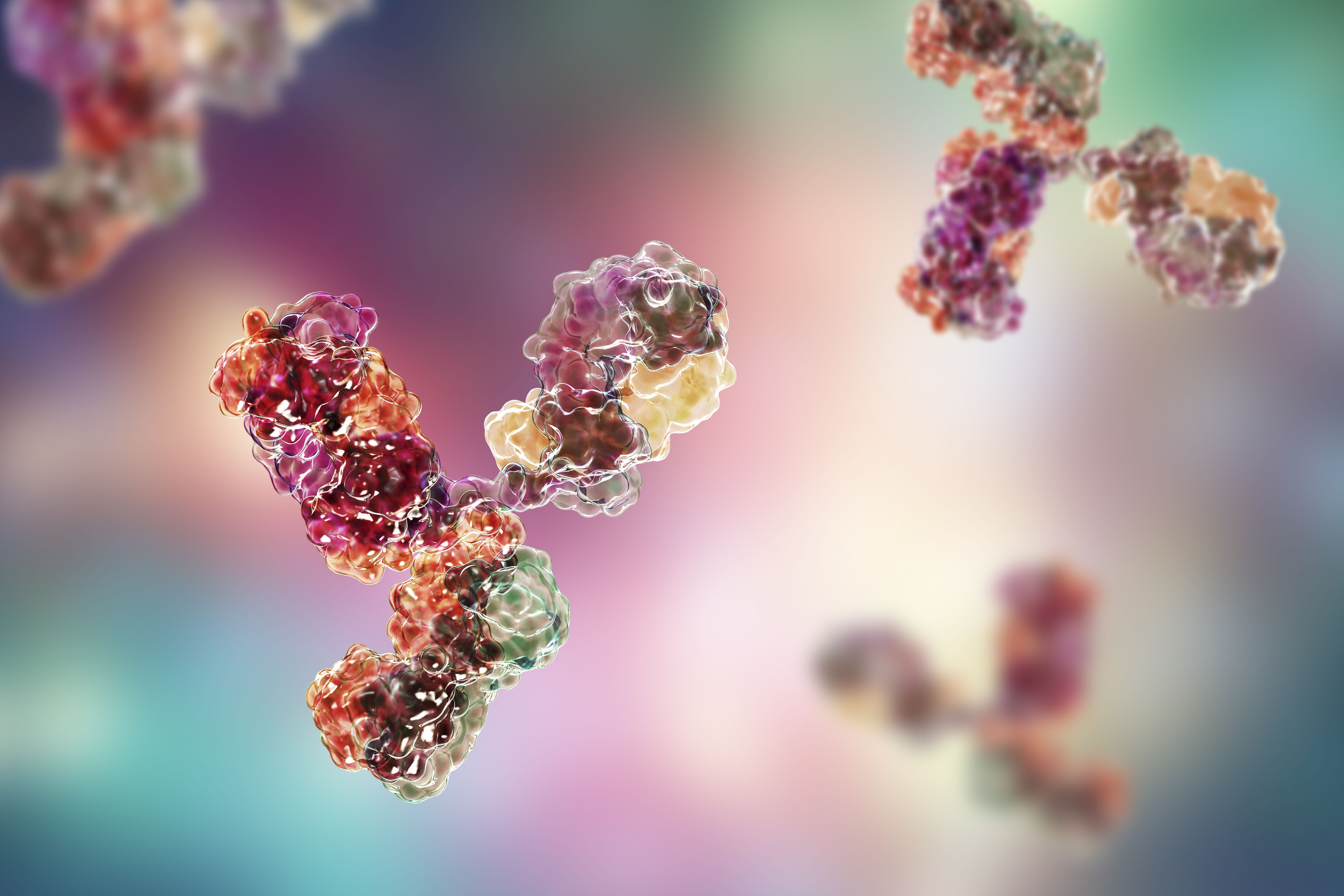
To understand the vast utility of monoclonal antibodies, one must first grasp their biological architecture. Antibodies are Y-shaped proteins naturally produced by B-cells in the human immune system. Their primary function is to recognize and bind to "antigens"—unique identifiers on the surface of bacteria, viruses, or cancer cells. Once bound, the antibody either neutralizes the threat directly or "flags" it for destruction by other immune cells.
In a laboratory setting, scientists can create "monoclonal" antibodies. The term "monoclonal" refers to the fact that these proteins are identical clones derived from a single parent cell. This uniformity allows for extreme precision; a monoclonal antibody can be engineered to bind to one specific protein on one specific cell type, leaving healthy cells largely untouched. Since the first successful generation of mAbs using hybridoma technology in the 1970s, the field has evolved from using murine (mouse) proteins to fully humanized antibodies, significantly reducing the risk of allergic reactions and increasing therapeutic efficacy.
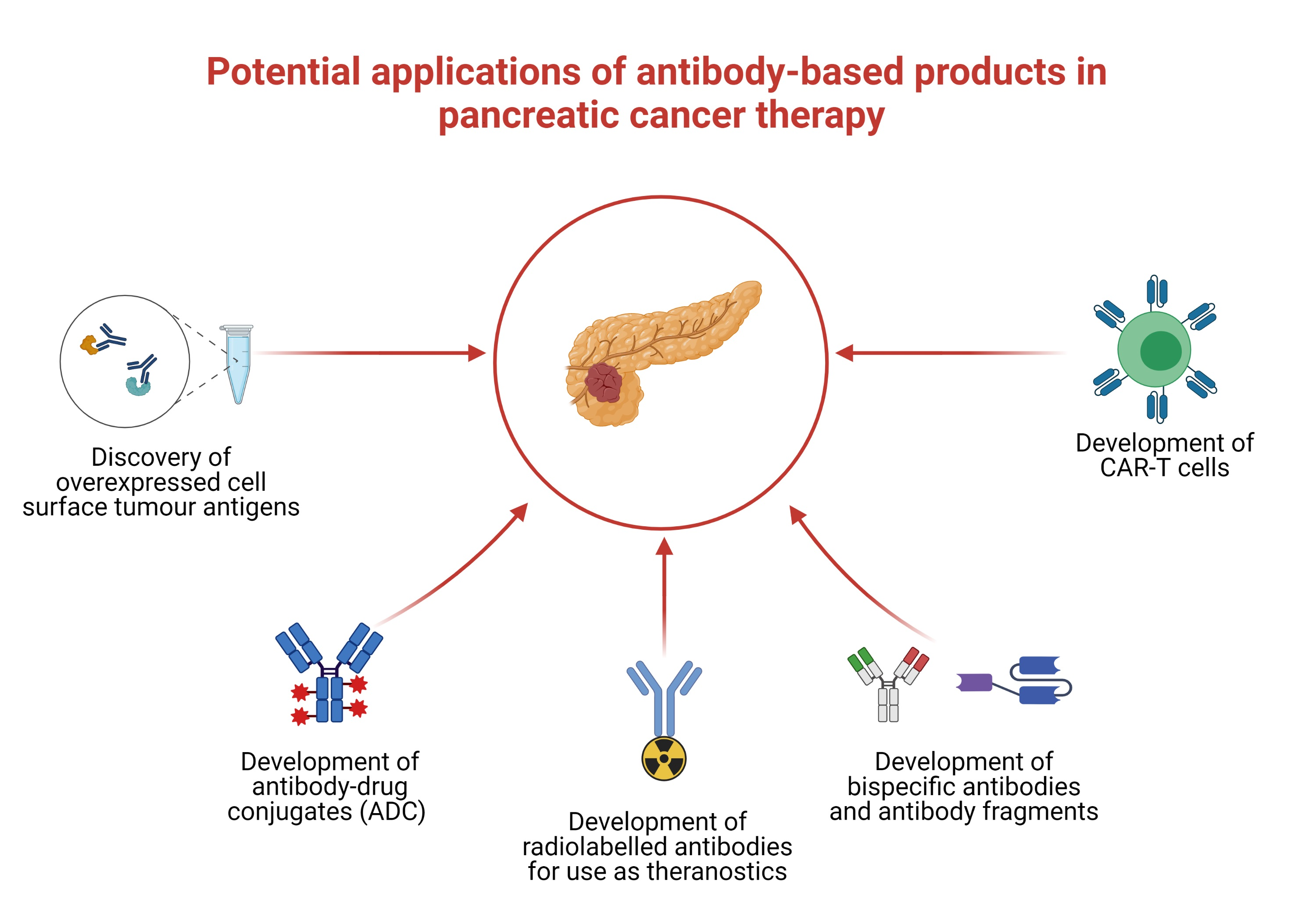
As of 2026, the technology has advanced toward bispecific antibodies, which can bind to two different antigens simultaneously. This dual-action capability is currently reshaping how clinicians approach complex diseases that have traditionally evaded single-target therapies.
Monoclonal Antibodies in Oncology: The Precision Strike
The most extensive use of monoclonal antibodies remains in the field of oncology. Unlike traditional chemotherapy, which attacks all rapidly dividing cells and often causes collateral damage to healthy tissue, mAb therapy is a pillar of "precision medicine."
Mechanisms of Action in Cancer Therapy
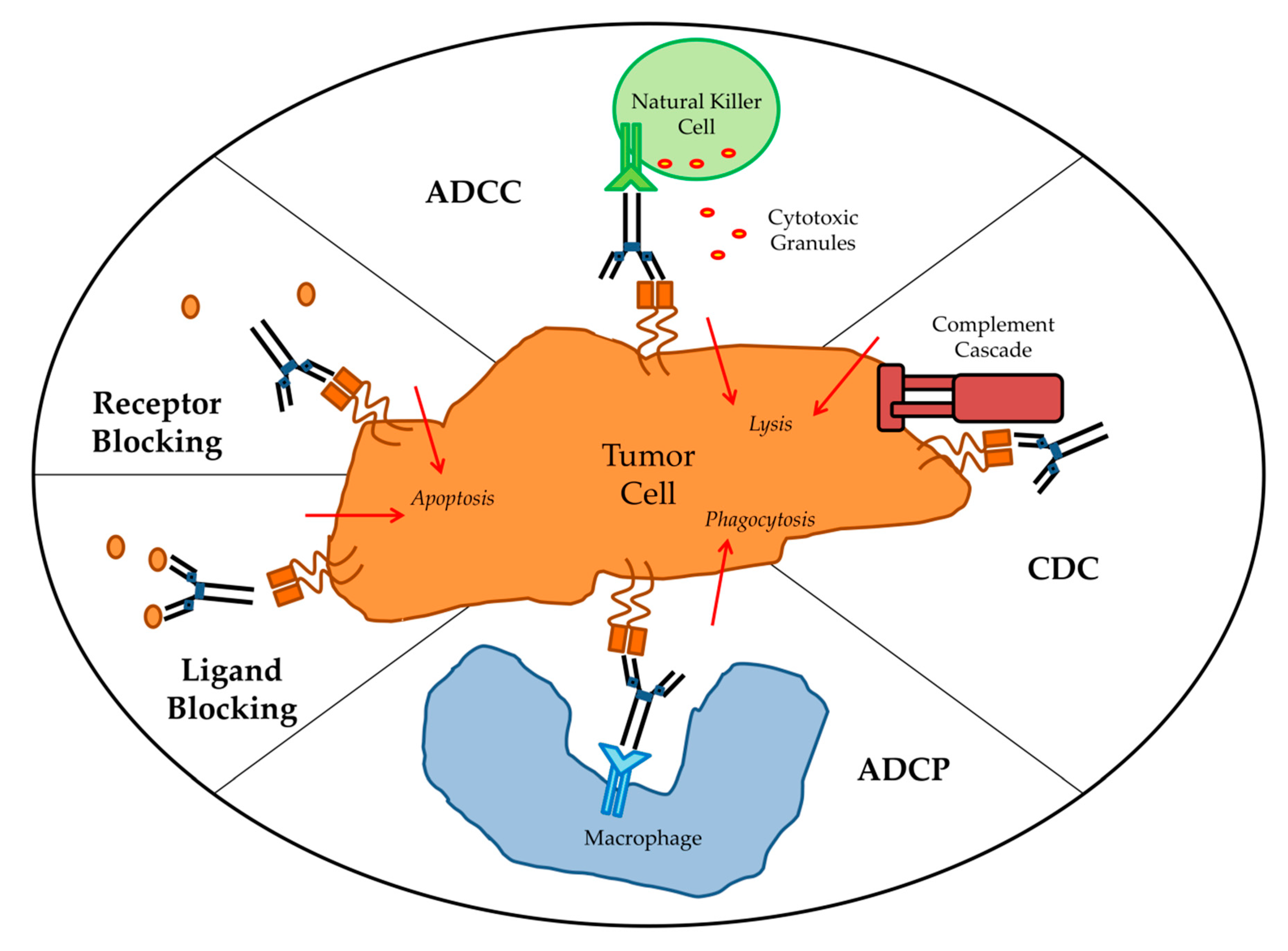
Monoclonal antibodies combat cancer through several distinct mechanisms, often categorized by how they interact with the tumor and the host immune system:
- Direct Cell Killing: Some mAbs bind to receptors on the surface of cancer cells that are essential for growth signals. By blocking these receptors, the antibody effectively starves the cell of the instructions it needs to multiply. An example is Trastuzumab (Herceptin), which targets the HER2 receptor in specific breast cancers.
- Immune-Mediated Destruction: Many mAbs act as "beacons." When they attach to a cancer cell, they trigger Antibody-Dependent Cellular Cytotoxicity (ADCC). This process recruits Natural Killer (NK) cells and macrophages to the site to dissolve the tumor cell membrane.
- Checkpoint Inhibition: This is perhaps the most revolutionary application. Some cancers "hide" from the immune system by activating "checkpoints" that tell T-cells to stand down. mAbs like Pembrolizumab (Keytruda) block these checkpoints (such as PD-1 or CTLA-4), essentially "releasing the brakes" on the immune system so it can recognize and attack the malignancy.
- Antibody-Drug Conjugates (ADCs): In this "Trojan Horse" approach, a monoclonal antibody is chemically linked to a potent cytotoxic drug. The antibody seeks out the cancer cell, binds to it, and is internalized, releasing the lethal payload directly inside the tumor cell while sparing the rest of the body.
Efficacy and Limitations in Cancer
While mAbs have turned once-terminal diagnoses into manageable chronic conditions, they are not without challenges. Some tumors develop "antigen loss," where they stop expressing the protein the antibody targets, leading to treatment resistance. Furthermore, the high cost of development and manufacturing remains a barrier to global access, though the rise of biosimilars—highly similar versions of off-patent biologics—is beginning to lower costs in 2026.
The Pivot to COVID-19: Rapid Response and Viral Neutralization
The global pandemic highlighted the versatility of mAb technology. When SARS-CoV-2 emerged, researchers utilized the same platforms developed for cancer and autoimmune diseases to rapidly identify antibodies that could neutralize the virus.
How mAbs Neutralize SARS-CoV-2
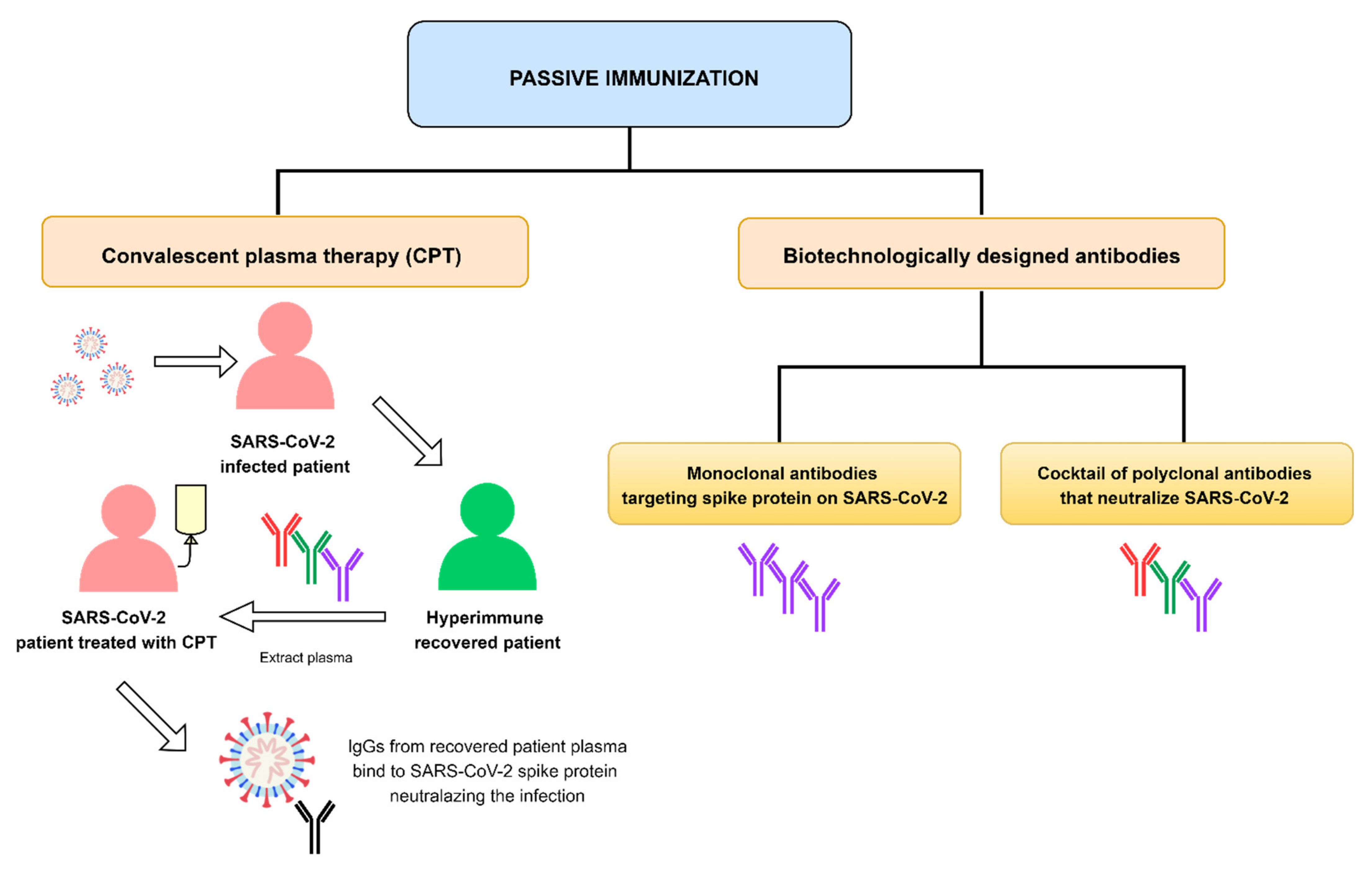
The primary target for COVID-19 monoclonal antibodies is the spike protein of the virus. This protein is the "key" the virus uses to enter human cells via the ACE2 receptor. By binding to the receptor-binding domain (RBD) of the spike protein, mAbs physically block the virus from entering the cell, effectively halting the infection's progression.
Throughout the pandemic and into the mid-2020s, several mAb cocktails were authorized for emergency use, including those from Regeneron and Eli Lilly. However, the virus's tendency to mutate led to a "cat-and-mouse" game. As new variants (like Omicron and its subsequent lineages) emerged, many early antibodies lost their binding affinity.
The Role of mAbs in 2026
In 2026, the focus has shifted toward prophylactic use for immunocompromised individuals. For patients who do not mount a sufficient immune response to vaccines—such as those undergoing chemotherapy or organ transplant recipients—monoclonal antibodies provide "passive immunity." This involves regular infusions or injections that provide a steady supply of protective antibodies, bypassing the patient's own weakened immune system.
| mAb Category | Target Entity | Primary Indication | Examples (Common/Generic) |
|---|---|---|---|
| Antineoplastic | HER2, CD20, PD-1 | Breast Cancer, Lymphoma, Melanoma | Trastuzumab, Rituximab, Pembrolizumab |
| Antiviral | SARS-CoV-2 Spike Protein | COVID-19 (Treatment/Prophylaxis) | Sotrovimab, Pemivibart |
| Anti-inflammatory | TNF-alpha, IL-6 | Rheumatoid Arthritis, Crohn's | Adalimumab, Infliximab |
| Lipid-lowering | PCSK9 | Hypercholesterolemia | Evolocumab, Alirocumab |
| Neurological | Amyloid-beta | Alzheimer's Disease | Lecanemab, Donanemab |
Broadening the Horizon: Autoimmune and Chronic Diseases
Beyond cancer and viral infections, monoclonal antibodies have revolutionized the management of chronic autoimmune disorders. In these conditions, the immune system mistakenly attacks the body's own tissues. mAbs are used to target specific cytokines—signaling molecules that promote inflammation.
- Rheumatoid Arthritis and IBD: By targeting Tumor Necrosis Factor-alpha (TNF-alpha), drugs like Adalimumab (Humira) have prevented joint destruction and induced remission in Inflammatory Bowel Disease (IBD).
- Asthma and Allergies: mAbs like Omalizumab target IgE, the antibody responsible for allergic reactions, providing relief for patients with severe persistent asthma that does not respond to inhaled corticosteroids.
- Alzheimer's Disease: A more recent and controversial application involves mAbs designed to clear amyloid-beta plaques from the brain. While clinical benefits continue to be debated in 2026, these therapies represent the first disease-modifying treatments for neurodegenerative decline.
Clinical Considerations: Administration and Side Effects
Monoclonal antibodies are large, complex molecules that cannot be taken orally, as the digestive system would break them down before they reached the bloodstream. Consequently, they must be administered via intravenous (IV) infusion or subcutaneous injection.
Safety and Monitoring
While generally better tolerated than systemic chemotherapy, mAbs carry specific risks:
- Infusion Reactions: Because they are foreign proteins, some patients may experience fever, chills, or rash during administration.
- Immunogenicity: The body may eventually recognize the therapeutic antibody as a "foreign invader" and develop anti-drug antibodies, neutralizing the treatment.
- Infection Risk: Because many mAbs suppress specific parts of the immune system (especially those for autoimmune diseases), patients may be at a higher risk for opportunistic infections, such as tuberculosis or fungal pneumonia.
Note: This information is for educational purposes. Patients should consult a board-certified immunologist or oncologist regarding specific treatment protocols and eligibility.
FAQs
What is the difference between a vaccine and a monoclonal antibody?
A vaccine stimulates your own immune system to produce antibodies (active immunity), which takes time but usually lasts longer. A monoclonal antibody treatment provides lab-made antibodies directly (passive immunity), offering immediate protection or treatment, but the effect typically wears off after weeks or months as the proteins are metabolized.
Why are monoclonal antibodies so expensive?
The cost is driven by the complex manufacturing process. Unlike chemically synthesized pills, mAbs are grown in specialized "bioreactors" using living cell lines. The purification process, stringent quality control, and the massive R&D costs associated with clinical trials contribute to high market prices.
Can monoclonal antibodies cure cancer?
While they are not always a "cure" in the sense of eliminating the disease forever with one dose, they are curative for some specific types of lymphoma and early-stage cancers. In many cases, they turn terminal cancer into a manageable chronic condition, significantly extending life expectancy.
Are COVID-19 monoclonal antibodies still effective against new variants?
Effectiveness depends entirely on the specific mutations of the circulating variant. In 2026, many older antibodies have been retired because they no longer bind to the mutated spike proteins. Scientists now focus on "broadly neutralizing antibodies" that target the parts of the virus that are less likely to mutate.
How long does a monoclonal antibody infusion take?
An infusion typically takes between 30 and 90 minutes, depending on the specific medication and the patient's reaction. After the infusion, patients are usually monitored for an additional hour to ensure no delayed allergic reactions occur.
Next Steps for Patients and Caregivers
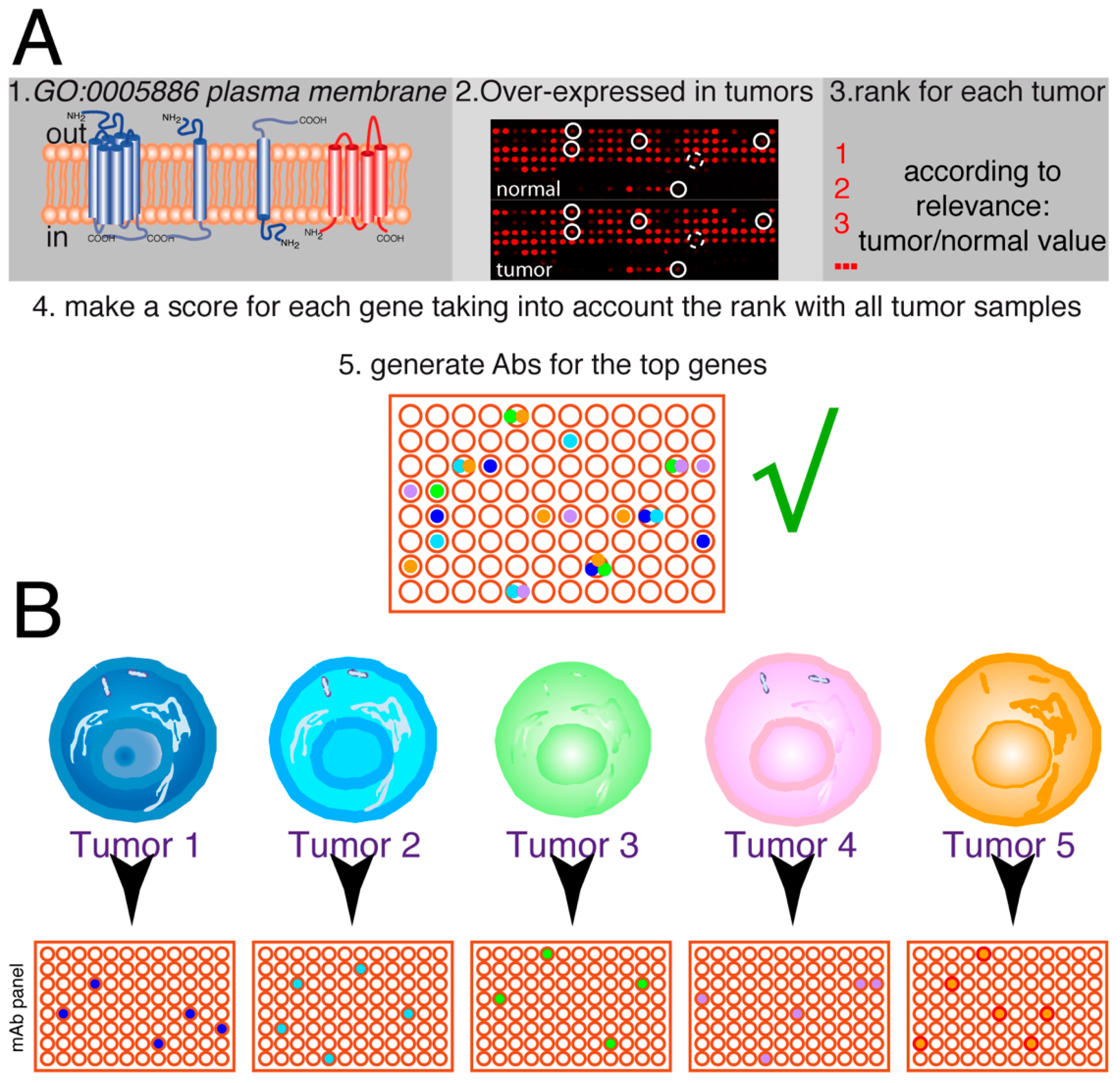
If you or a loved one is facing a diagnosis where monoclonal antibodies may be indicated—such as a specific malignancy, an autoimmune flare-up, or high-risk viral exposure—the first step is biomarker testing. For cancer, this involves testing the tumor tissue to see if it expresses the specific target the antibody is designed to hit. For autoimmune conditions, blood tests for specific cytokines can guide therapy selection. Discuss these diagnostic steps with your specialist to determine if you meet the clinical criteria for mAb therapy.
Image Gallery