Exploring the Scale of Chief Joseph Ranch Acreage
Chief Joseph Ranch, situated in the Bitterroot Valley of Montana, encompasses approximately 1,400 acres of diverse landscape, ranging from riverfront pasture to high-altitude timberland. While often recognized globally for its role as...
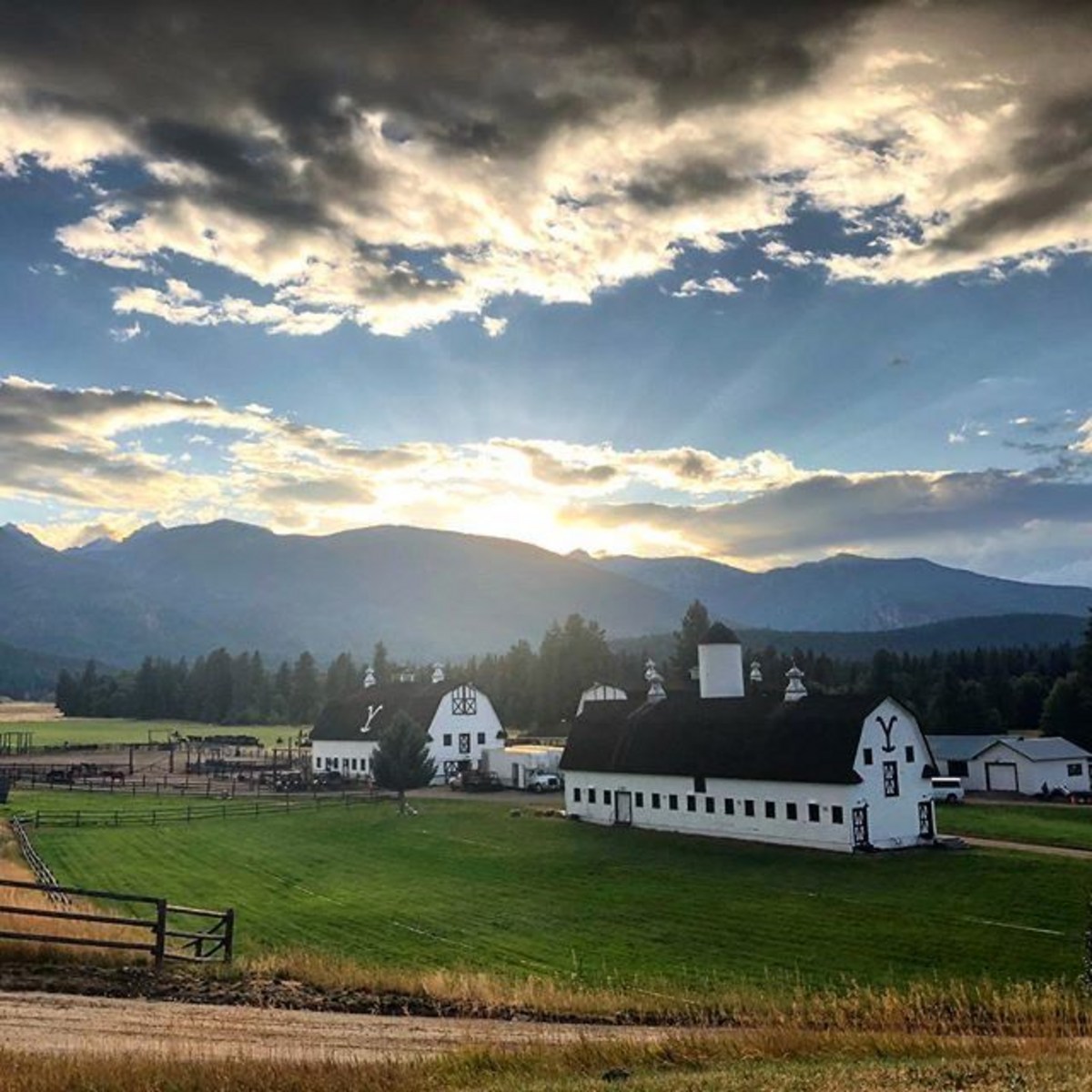
Chief Joseph Ranch, situated in the Bitterroot Valley of Montana, encompasses approximately 1,400 acres of diverse landscape, ranging from riverfront pasture to high-altitude timberland. While often recognized globally for its role as the primary filming location for the television series Yellowstone, the property functions as a legitimate working ranch, necessitating a sophisticated management strategy to balance its agricultural operations, environmental stewardship, and the logistical demands of being a prominent landmark in the American West.
Contents
The scale of the acreage is defined by more than just its footprint; it is characterized by its geography, the integration of the Bitterroot River, and the specific zoning requirements necessary to operate both a commercial beef cattle enterprise and a high-profile media production site. Understanding the ranch's scale requires viewing it through the lenses of land use, historical context, and modern operational demands.
Geographical Scope and Terrain
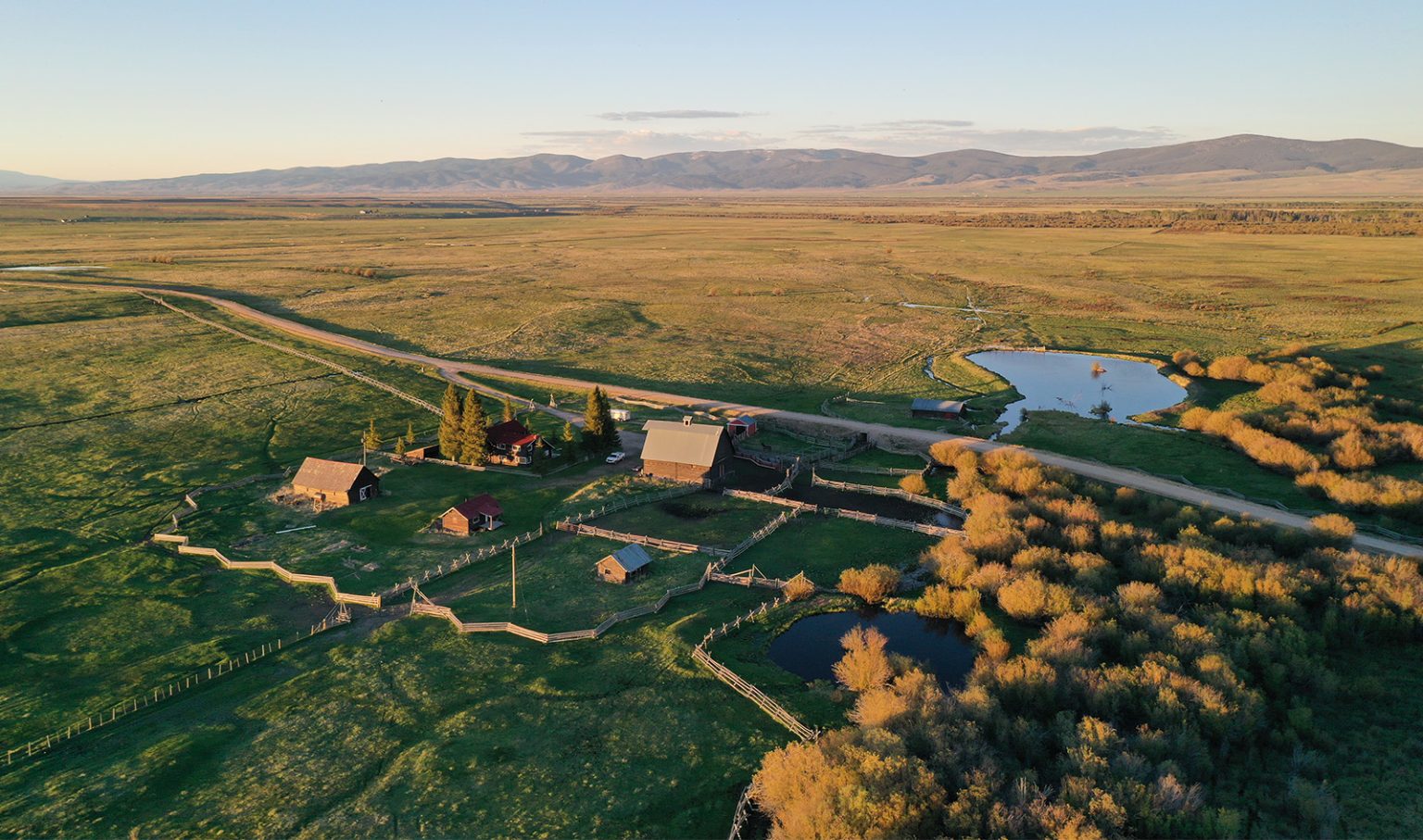
The 1,400-acre expanse of Chief Joseph Ranch is nestled between the Bitterroot Mountain Range and the Sapphire Mountains. This positioning within the Bitterroot Valley provides the ranch with a unique microclimate and topographical variety that informs its operational capacity.
The acreage is not a monolithic block of flat land; it is a complex mosaic of ecosystems. The lower elevations consist largely of irrigated hay fields and grazing pastures, which are essential for supporting the ranch’s livestock. As one moves toward the perimeter of the property, the elevation gains, transitioning into heavily forested areas that serve as natural buffers and habitats for native wildlife, including elk, deer, and various avian species.
The most critical geographical feature influencing the ranch’s acreage utility is the Bitterroot River. The river cuts through the property, providing essential water rights that allow for the irrigation of the meadows. These water rights are a fundamental component of the ranch’s value, as they dictate the carrying capacity of the land—or the number of livestock the property can sustain without supplemental feed during the dry summer months.
Historical Land Context
Originally established as a homestead in the early 20th century, the ranch has evolved significantly in scale and purpose. Historically, properties in the Bitterroot Valley were carved out to support self-sufficient farming and timber harvesting. Over the decades, Chief Joseph Ranch underwent various consolidations and sales, eventually stabilizing at its current size.
Unlike many expansive ranches in Montana that sprawl across tens of thousands of acres, Chief Joseph Ranch is considered a mid-sized operation. This specific scale—large enough to require significant management and infrastructure, but compact enough to remain geographically unified—allows for a high level of intensity in land maintenance. The architectural legacy, including the iconic 5,000-square-foot log lodge built in 1914, sits centrally within this acreage, anchoring the human footprint amidst the broader natural landscape.
Comparative Scale of Montana Ranches
To better understand the magnitude of Chief Joseph Ranch, it is helpful to place it within the context of Montana’s agricultural land-use standards.
| Feature | Chief Joseph Ranch | Large-Scale Commercial Ranch |
|---|---|---|
| Total Acreage | ~1,400 Acres | 10,000 – 100,000+ Acres |
| Primary Use | Mixed (Ag/Production) | Commodity Beef/Livestock |
| Land Density | High (Multi-purpose) | Low (Extensive Grazing) |
| Water Reliance | Riverfront Riparian Rights | Reservoir/Deep Well Systems |
As shown in the table above, while 1,400 acres is significant, it is distinct from the vast "mega-ranches" common in the eastern plains of Montana. Chief Joseph Ranch focuses on intensive management, whereas larger operations rely on expansive, low-density grazing cycles.
Operational Dynamics and Land Management
Managing 1,400 acres requires a systematic approach to soil health, weed control, and fence maintenance. The ranch must comply with regional agricultural standards, which include managing invasive species—a common challenge in the Bitterroot Valley—and rotating livestock to prevent overgrazing.
Beyond agriculture, the scale of the land has proven vital for its modern operational integration. Hosting a large-scale film production requires significant "laydown" space. This includes areas for heavy machinery, temporary structures, electrical staging, and security perimeters. Because the ranch encompasses diverse terrain, it can accommodate these logistical needs without compromising the integrity of the core agricultural sections or the riverine environment.
Water Rights and Irrigation
The acreage is heavily dependent on valid water rights that date back to early settlement filings. In Montana, water rights are tied to the land and are critical to the financial and operational viability of a property. The irrigation of the pastures is managed through a system of ditches and headgates that divert water from the Bitterroot River. Maintaining these systems is a constant task, as they require seasonal clearing and monitoring to ensure that the water flow complies with state allocations and environmental protection laws, such as those monitored by the Montana Department of Natural Resources and Conservation.
Environmental Stewardship
With 1,400 acres, the ranch acts as a steward of a significant corridor of the Bitterroot ecosystem. The presence of the river necessitates strict adherence to riparian zone regulations. This includes preventing cattle from accessing the banks directly in certain areas to minimize erosion and sediment runoff, which could otherwise harm the native trout populations. The scale of the property allows the owners to implement these conservation practices while still maintaining a productive commercial operation, serving as a model for how land can be managed for both utility and ecological health.
Frequently Asked Questions
Is the entire 1,400 acres open to the public?
No. Chief Joseph Ranch is a privately owned working ranch. While it has gained fame as a media location, it remains private property. Access is restricted to the owners, authorized staff, and contracted partners.
How does the ranch support its livestock on 1,400 acres?
The ranch utilizes a combination of irrigated pastures and supplemental hay production. By maximizing the water rights from the Bitterroot River, the ranch ensures lush grazing during the growing season, which is essential for sustaining cattle through the harsh Montana winter.
Why is 1,400 acres considered a specific management challenge?
This size is often considered "too big to be a hobby, but too small for high-volume commercial commodity production." It requires high-efficiency management, meaning every acre must be utilized effectively—whether for hay, grazing, or operational infrastructure—to ensure economic sustainability.
Does the land contain protected historical sites?
Yes. The original lodge, built in 1914, is a significant historical asset. The land surrounding it is maintained in a way that respects the architectural integrity of the structures, meaning that any development or land-use changes on the acreage must be conducted with sensitivity to the site's heritage.
How does filming impact the acreage?
Large-scale film production utilizes designated portions of the ranch for staging. Because of the 1,400-acre size, the ranch can designate specific areas for production traffic and equipment storage, keeping the majority of the property’s working agricultural functions separate from the film crew’s footprint.
Is the ranch acreage prone to wildfire risk?
Like much of the Bitterroot Valley, the property is situated in an area prone to wildfire. Owners must manage the density of the forest, perform fire-break maintenance, and clear underbrush on the acreage to mitigate the risk of fire spreading from the timbered areas to the primary structural assets.
Recommendation for Further Exploration
For those interested in the specific land-use regulations or the history of property development in the Bitterroot Valley, it is recommended to review the official filings from the Ravalli County Clerk and Recorder’s Office. These documents provide a public record of property boundaries, water rights, and zoning designations that define how land of this scale is governed in Montana. Understanding these legal frameworks offers a more comprehensive view of how properties like Chief Joseph Ranch balance commercial reality with land stewardship.
Image Gallery