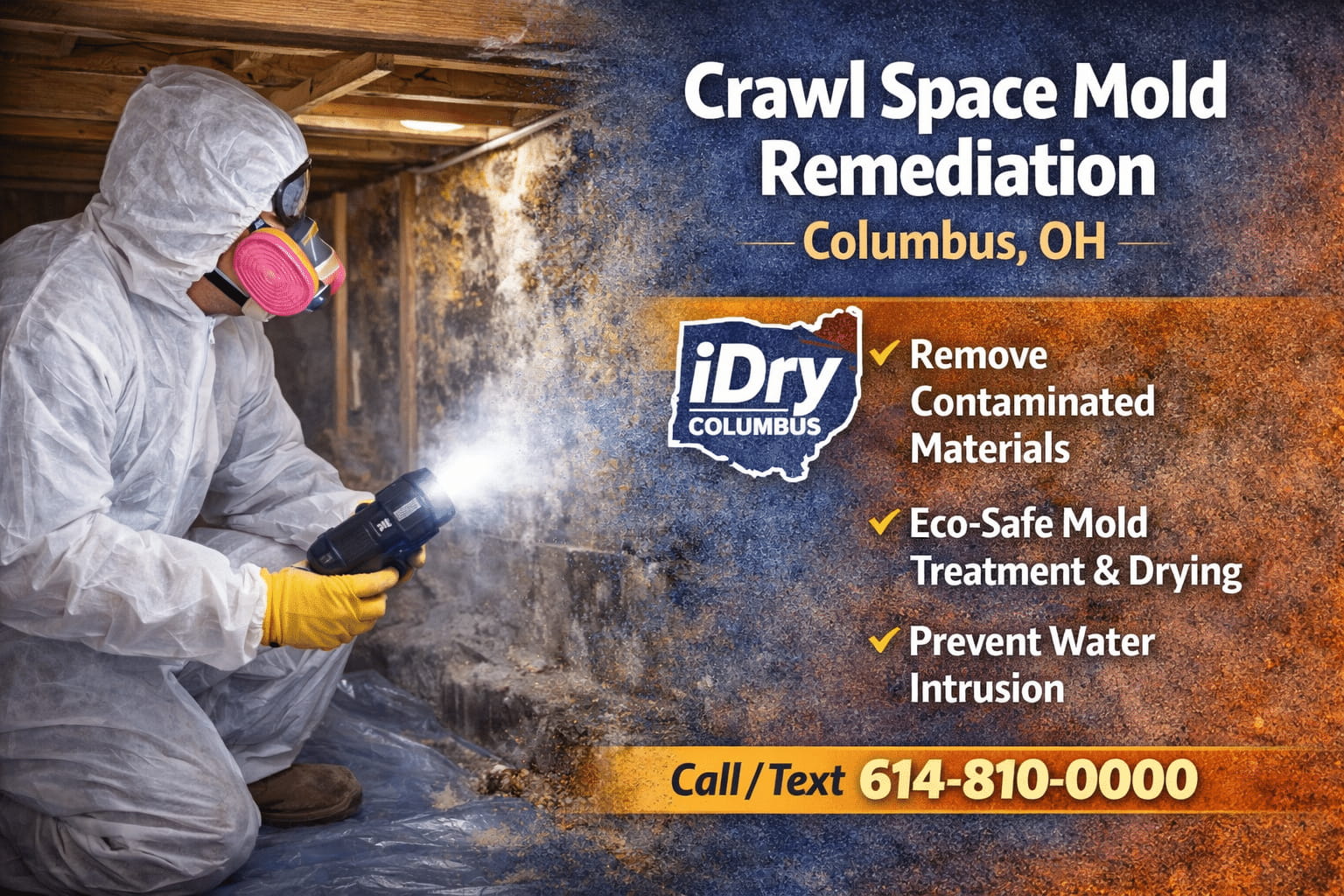
Understanding Mold Remediation in Upper Arlington, Ohio: A Homeowner’s Guide
Mold remediation in Upper Arlington, Ohio, is a structured process designed to identify, isolate, and remove fungal growth to restore indoor air quality and structural integrity. Because the region experiences high humidity during summ...
Mold remediation in Upper Arlington, Ohio, is a structured process designed to identify, isolate, and remove fungal growth to restore indoor air quality and structural integrity. Because the region experiences high humidity during summer months and significant temperature fluctuations throughout the year, residential and commercial properties are susceptible to mold development when moisture management systems fail or hidden leaks persist. Professional remediation involves scientific protocols to contain spores, remove contaminated materials, and address the underlying moisture source to prevent regrowth.
Contents
Recognizing the Signs of Mold Growth
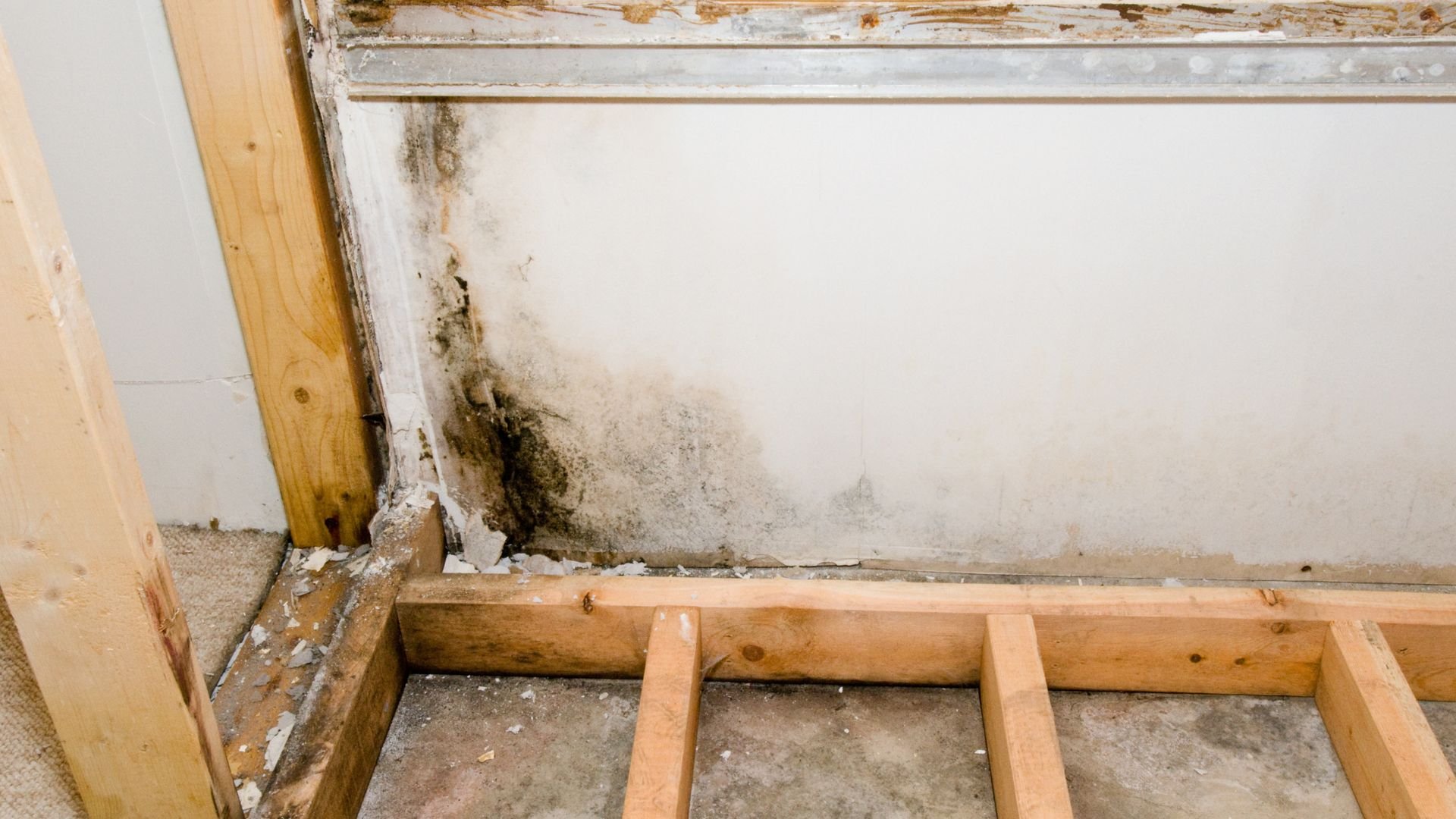
Mold is a biological organism that thrives in damp, dark, and poorly ventilated environments. In Upper Arlington homes—many of which feature historic architecture or older basements—mold often develops in areas where water intrusion occurs undetected. Common indicators include a musty, earthy odor that persists even after deep cleaning, visible fuzzy or discolored patches on walls or ceilings, and the physical warping or bubbling of paint or wallpaper.
Health-related symptoms are another frequent indicator. Residents may report increased respiratory irritation, persistent congestion, or aggravated asthma symptoms when spending time in specific rooms. However, because mold spores are ubiquitous in the natural environment, their presence is not always a cause for immediate alarm; it is the concentration and colonization within a structure that necessitates professional intervention.
The Professional Remediation Process
Remediation is distinct from simple cleaning. While standard household cleaners may remove surface discoloration, they often fail to address the underlying root system (hyphae) of the mold, especially on porous materials like drywall, insulation, or wood. Certified professionals in Ohio typically follow the S520 Standard published by the Institute of Inspection, Cleaning, and Restoration Certification (IICRC).
1. Assessment and Inspection
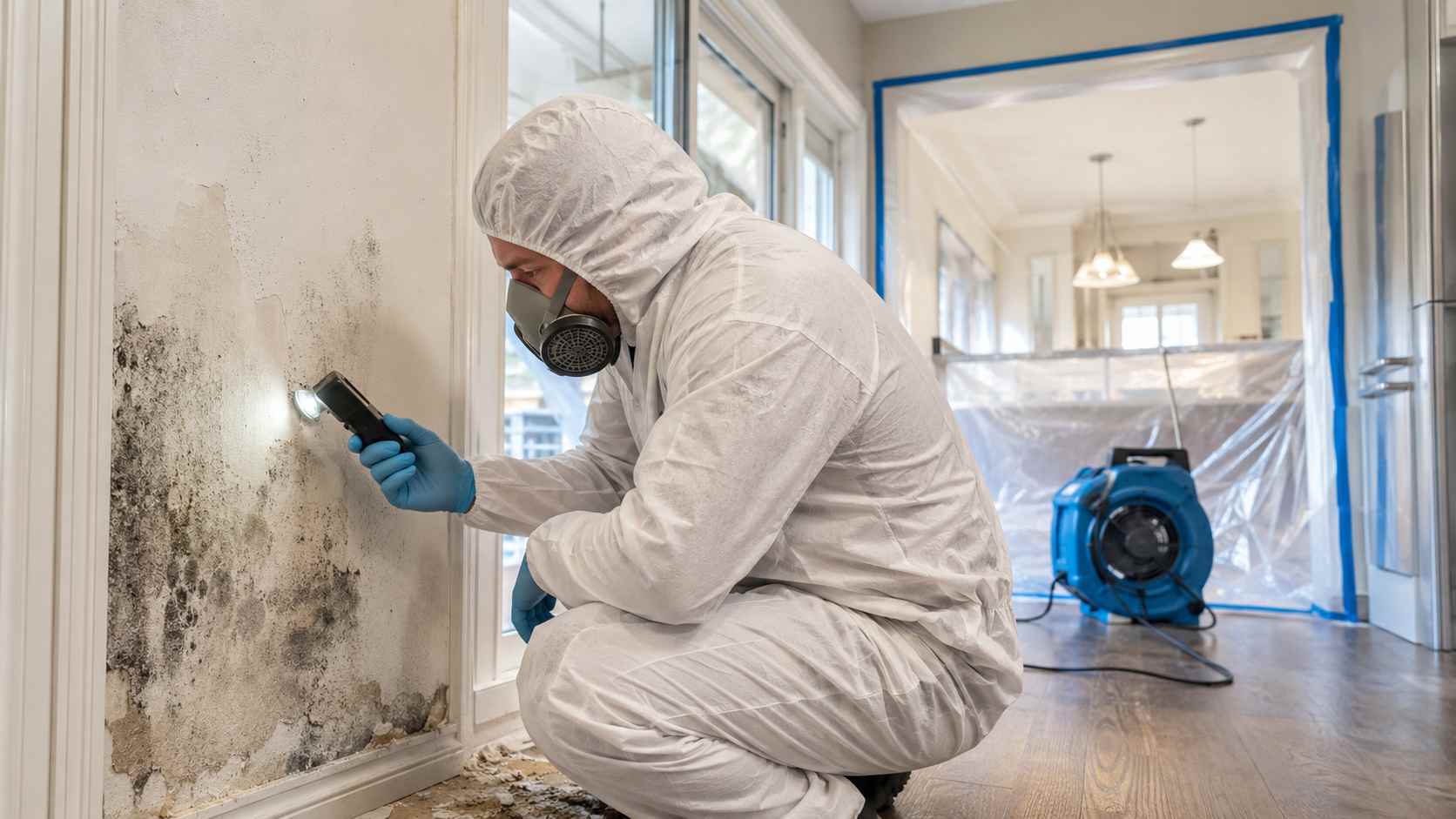
The process begins with a thorough inspection. Professionals use moisture meters, thermal imaging cameras, and air quality sampling to map the extent of the contamination. The goal is to identify both the visible mold and the "hidden" colonies that may be thriving behind drywall or under subflooring.
2. Containment
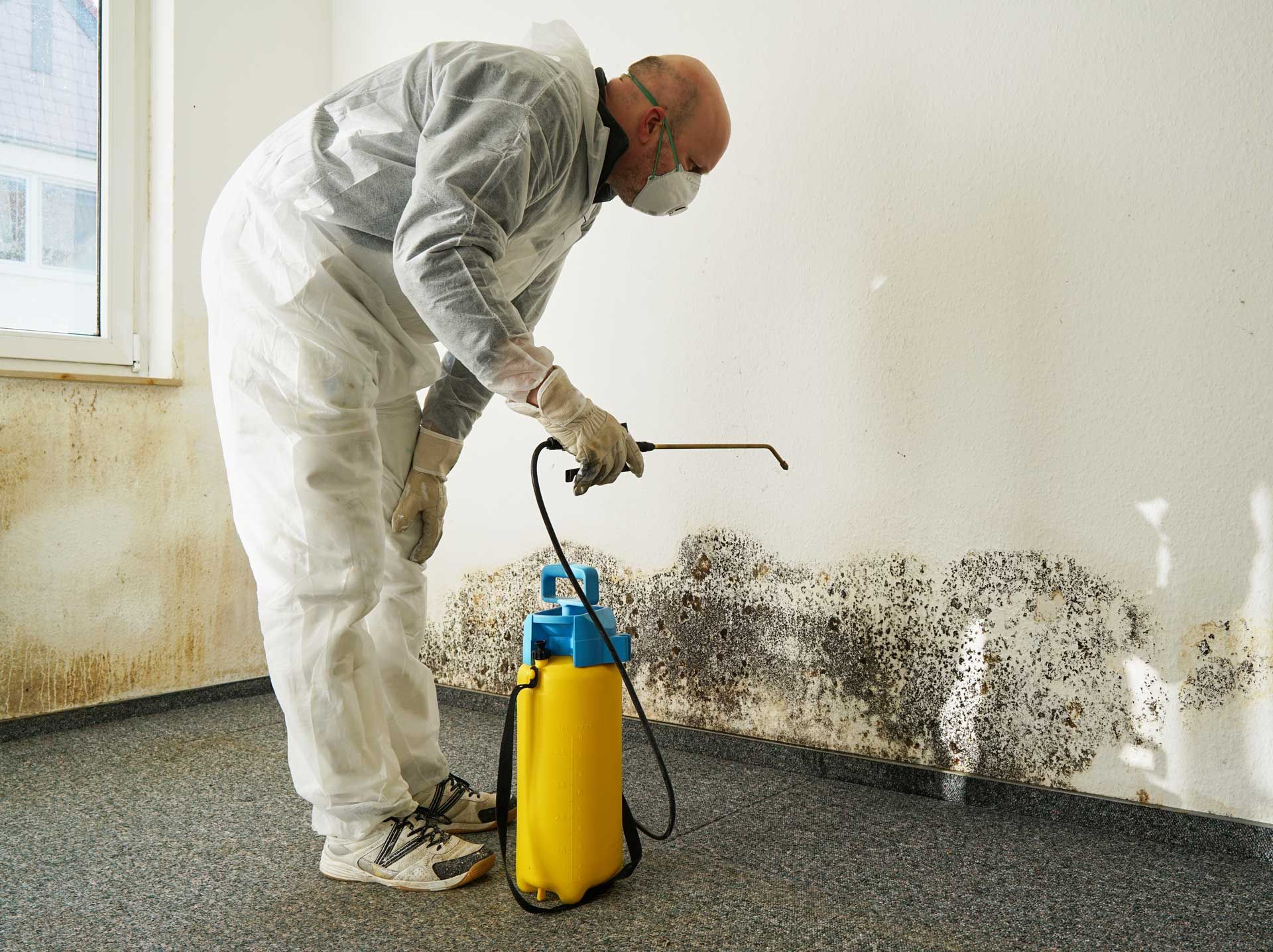
Before any physical disturbance occurs, the affected area must be isolated. Technicians use heavy-duty plastic sheeting and negative air pressure machines (HEPA-filtered scrubbers) to ensure that mold spores are not circulated into unaffected areas of the home during the removal process.
3. Removal and Decontamination
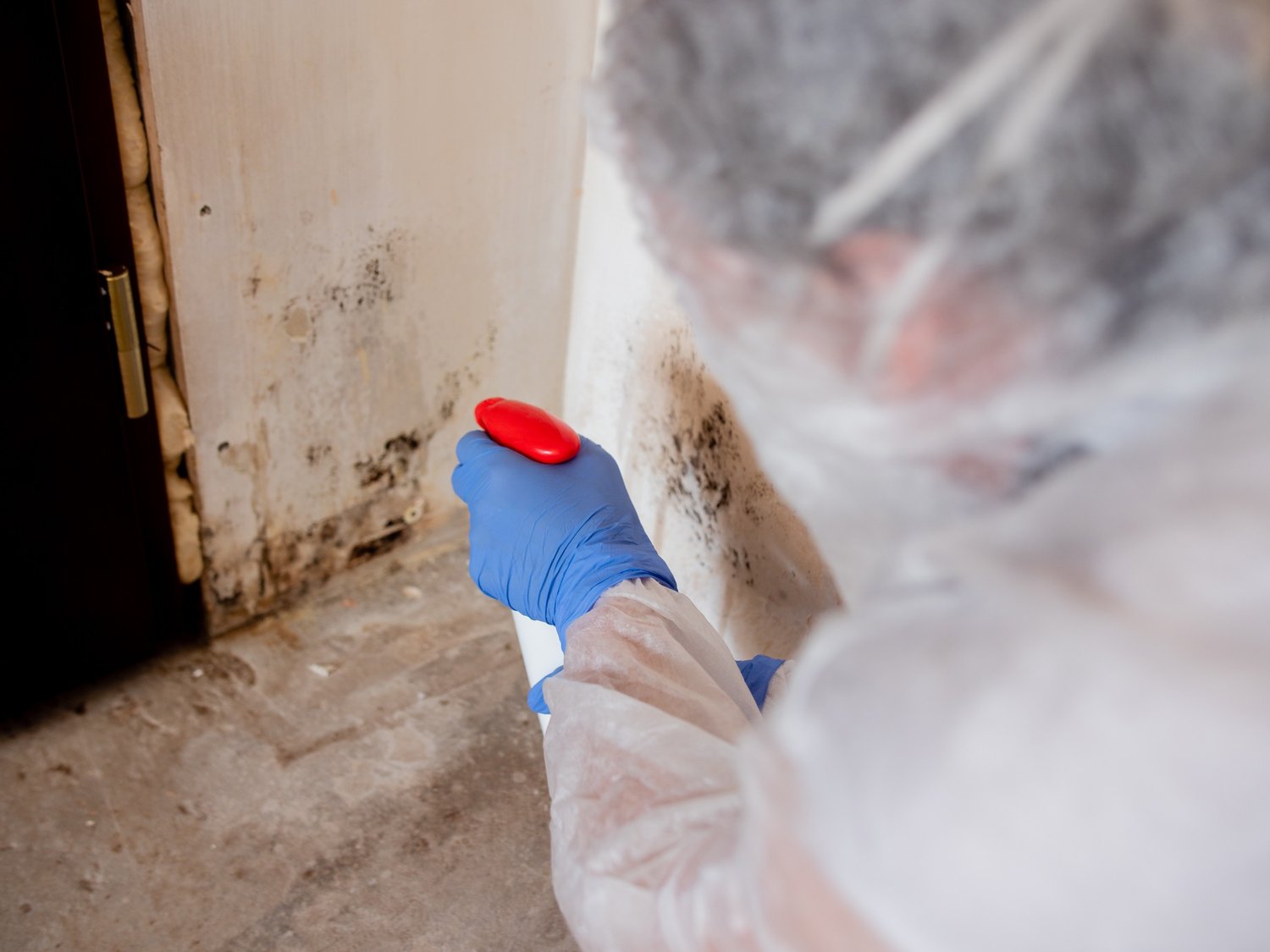
Contaminated porous materials that cannot be sanitized—such as drywall or carpeting—are typically removed and disposed of according to local waste regulations. Non-porous surfaces like metal or glass may be cleaned and treated with fungicidal agents. HEPA (High-Efficiency Particulate Air) vacuuming is utilized throughout the project to capture microscopic spores from surfaces.
4. Clearance Testing
After remediation, the property should ideally undergo post-remediation verification. This involves a final inspection and, often, independent air quality testing to confirm that spore counts have returned to normal, baseline levels.
Moisture Control: The Permanent Solution
Mold remediation is ultimately ineffective if the moisture source remains. In Upper Arlington, basements are a frequent point of contention due to the local water table and seasonal precipitation. Homeowners should prioritize the following moisture management tasks:
- Foundation Maintenance: Ensure gutters and downspouts direct water at least six to ten feet away from the foundation.
- Dehumidification: Maintaining relative humidity levels between 30% and 50% is crucial. In Ohio’s humid summer, a high-capacity dehumidifier in the basement is often a necessity.
- Ventilation: Ensure bathrooms and kitchens are properly vented to the exterior of the house rather than into attics or crawlspaces.
- Leak Repair: Promptly address plumbing leaks, roof defects, or window seal failures to prevent the saturation of building materials.
Comparing Remediation Approaches
| Method | Application | Pros | Cons |
|---|---|---|---|
| Encapsulation | Sealed wood, joists | Cost-effective, prevents future spore release. | Does not remove mold; relies on seal integrity. |
| Media Blasting | Subflooring, beams | Highly effective at physical removal. | Creates significant dust; requires professional setup. |
| Drywall Replacement | Heavily damaged areas | Ensures complete removal of deep root structures. | Disruptive; requires reconstruction and painting. |
| HEPA Filtration | Entire zone | Removes airborne spores; improves air quality. | Requires specialized, expensive equipment. |
Frequently Asked Questions
Is mold remediation legally required in Ohio?
Ohio does not have a specific state-mandated license for mold contractors, though many reputable firms choose to be certified by organizations such as the IICRC. Homeowners should verify that their chosen professional follows established industry standards and carries appropriate insurance for environmental liability.
Can I handle mold removal myself?
For small, localized areas (generally less than 10 square feet) on hard, non-porous surfaces, DIY cleaning may be feasible. However, if the mold is caused by sewage, involves large areas, or is found within HVAC systems, professional remediation is strongly recommended to avoid accidental cross-contamination of your home.
How does humidity in Ohio affect my risk?
Ohio’s climate involves significant seasonal humidity. During the summer, warm air can carry moisture into cool basements, where it condenses on concrete walls and wooden joists. This creates the exact conditions necessary for mold to flourish, making regular climate control essential for property maintenance.
Will my homeowners' insurance cover the cost?
Coverage depends on your specific policy and the cause of the mold. Most standard policies cover mold remediation if it resulted from a "covered peril," such as a sudden burst pipe. They typically do not cover mold resulting from long-term maintenance neglect or high humidity issues. Always contact your agent before authorizing work to clarify your policy details.
What should I look for in a remediation company?
Seek companies that provide detailed written scopes of work, use third-party testing firms for post-remediation clearance, and carry specific insurance for mold and environmental work. Avoid companies that offer to perform the "clearance test" themselves, as this presents an inherent conflict of interest.
Practical Next Steps for Property Owners
If you suspect significant mold growth, your immediate priority should be safety and documentation. First, stop any active water intrusion by shutting off the water supply or covering roof leaks. Second, contact an independent indoor air quality consultant to conduct a site assessment; having an unbiased report will ensure that any remediation company you hire is held to a clear, verifiable standard. Do not disturb, tear out, or apply bleach to large areas of mold, as this can release millions of spores into your living environment, worsening the situation before a professional can arrive.
Image Gallery