How Level One Foundation Repair in Corpus Christi Helps Homes
Level one foundation repair in Corpus Christi primarily involves non-invasive cosmetic adjustments, such as shimming pier and beam structures or sealing minor drywall cracks, which address early-stage settlement before it compromises s...
Level one foundation repair in Corpus Christi primarily involves non-invasive cosmetic adjustments, such as shimming pier and beam structures or sealing minor drywall cracks, which address early-stage settlement before it compromises structural integrity. This proactive maintenance safeguards coastal properties against the region's aggressive soil dynamics, protecting long-term property value.
Contents
Corpus Christi presents a uniquely challenging environment for residential real estate. Coastal humidity, heavy downpours, periodic tropical weather events, and expansive clay soils create an ongoing cycle of moisture fluctuation. When the clay beneath a house absorbs water, it swells; during dry periods, it shrinks and leaves large gaps. This constant shifting exerts immense pressure on concrete slabs and crawl spaces alike.
Understanding how level one foundation repair functions in this specific geographic and climatic context is essential for homeowners looking to protect their investments. By intervening early, property owners can avoid the exorbitant costs and disruptive procedures associated with major structural overhauls.
Understanding Corpus Christi’s Soil and Foundation Challenges
The foundation of any home is only as stable as the earth it rests upon. In the Coastal Bend region, the local geology demands constant vigilance from homeowners and engineers alike.
The Impact of Expansive Clay Soils
Much of the soil in and around Corpus Christi is classified as expansive clay. These soils contain minerals that absorb significant amounts of water. When rainfall is abundant, the clay expands dramatically, pushing upward against a home's foundation. As the sun beats down and dry conditions take over, the soil contracts, leaving voids underneath sections of the structure. This uneven support causes differential settlement, where one part of the house sinks faster than another.
Coastal Moisture and Salinity Factors
Proximity to the Gulf of Mexico introduces another layer of complexity. High humidity and salt-laden air accelerate the corrosion of steel reinforcements within concrete slabs, a process often referred to as concrete spalling. Furthermore, plumbing leaks beneath a slab can introduce localized moisture pockets, exacerbating the expansion and contraction cycles of the surrounding clay.
The Difference Between Level One and Major Structural Repairs
Foundation repair methods are typically categorized by the extent of structural intervention required.
- Level One Repairs: These are minor, surface-level adjustments and preventative measures. They focus on cosmetic fixes, minor shimming of pier and beam systems, and sealing non-structural cracks. No major excavation or heavy lifting of the primary slab is usually required.
- Level Two and Beyond: These involve substantial engineering interventions, such as driving steel or concrete pilings deep into the load-bearing strata beneath the active soil zone, using hydraulic jacks to lift the home, and repairing major structural fractures.
What Constitutes Level One Foundation Repair?
Level one repairs are best understood as the maintenance and tuning phase of foundation care. Rather than curing a catastrophic failure, these interventions manage minor symptoms of normal settling.
Pier and Beam Adjustments
For older homes in neighborhoods like the Marina District or eclectic coastal pockets built on pier and beam foundations, level one service often means adjusting the shims between the wooden beams and the concrete or wood piers. Over time, wood compresses or soil settles slightly, causing doors to stick or floors to slope. Inserting new, properly rated shims restores level planes throughout the home without lifting the entire house.
Sealing Minor Cracks and Mortar Joints
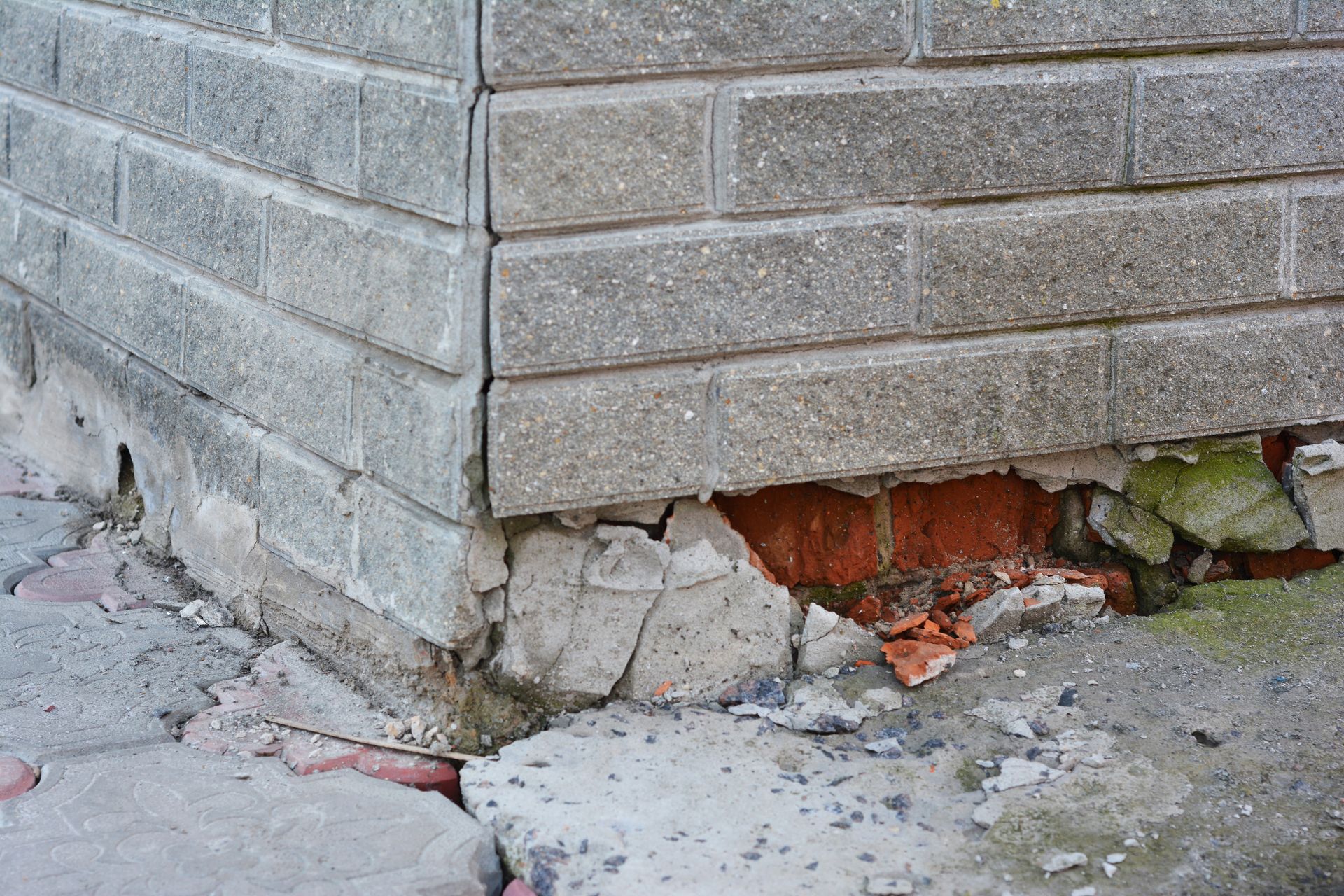
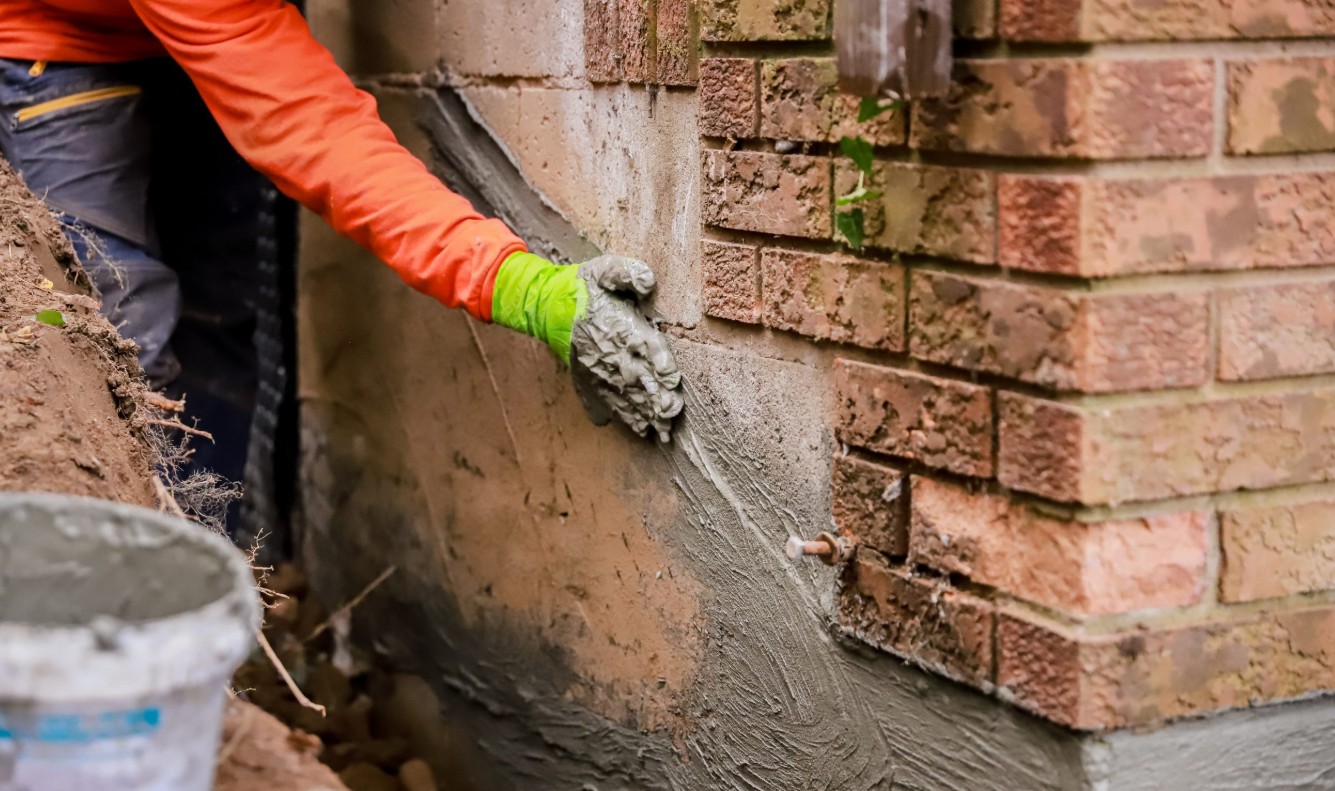
Hairline cracks in drywall, brick veneer mortar, or the perimeter grade beam are common occurrences in settling homes. Level one repair includes routing out these minor cracks and sealing them with flexible, high-grade masonry sealants or elastomeric caulking. This stops moisture intrusion, which is critical in Corpus Christi's humid climate where trapped water can foster mold growth or rust internal fasteners.
Minor Drainage and Grading Corrections
Water management is the first line of defense for any foundation. Level one measures frequently encompass minor adjustments to exterior grading—ensuring the soil slopes away from the foundation walls—and the installation or extension of downspouts. Diverting roof runoff away from the perimeter prevents the localized saturation of expansive clay soils.
Key Benefits of Early Intervention for Corpus Christi Homes
Addressing foundation symptoms at the earliest possible stage yields compounding benefits for homeowners, ranging from financial savings to structural preservation.
| Repair Category | Typical Intervention | Primary Objective | Cost Impact |
|---|---|---|---|
| Level One Repair | Shimming, cosmetic crack sealing, minor drainage tweaks | Prevent minor settling from escalating into structural damage | Low to Moderate |
| Level Two Repair | Installing pressed concrete or steel pilings | Stabilize and lift settled sections of a failing slab | High |
| Major Reconstruction | Re-pouring sections of slab, extensive framing overhaul | Rebuild compromised structural load-bearing elements | Very High |
Preventing Minor Issues from Escalating
A hairline crack in a brick veneer might seem harmless, but left unchecked, it allows rainwater to penetrate the wall cavity. In Corpus Christi, this moisture can lead to wood rot in the framing or rust in the steel lintels. By performing level one repairs early, homeowners arrest this degradation loop before it requires heavy engineering solutions.
Preserving Aesthetic and Structural Integrity
Sticking doors, jammed windows, and sloping floors are frustrating daily annoyances. Level one adjustments realign door frames and window sashes, restoring smooth operation. Furthermore, keeping the building envelope sealed prevents drafts and pest infiltration, maintaining the overall comfort of the indoor living environment.
Protecting Property Value and Marketability
When selling a home in Corpus Christi, a prospective buyer's home inspector will scrutinize the foundation. Homes with well-maintained, minor settling records are far easier to market than those requiring extensive structural disclosures or engineering reports. Proactive level one maintenance demonstrates to buyers that the property has been diligently cared for.
Recognizing the Signs That Your Home Needs Attention
Homeowners should monitor their living spaces for subtle indicators that indicate the soil beneath is shifting and that level one adjustments are warranted.
Interior Indicators
- Sticking Doors and Windows: Doors that fail to latch properly or rub against their frames often indicate that the door frame has skewed due to minor settling.
- Drywall Fractures: Thin, diagonal cracks stretching upward from the corners of doors and windows are classic signs of minor structural movement.
- Gaps in Trim: Separation between baseboards, crown molding, or cabinetry and the walls.
Exterior Indicators
- Brick Step-Cracking: Stair-step cracking running through the mortar joints of brick veneer exteriors.
- Foundation Perimeter Gaps: Visible separation between the soil and the concrete grade beam, or minor flaking and scaling of the concrete surface.
- Patio and Walkway Separation: Concrete flatwork pulling away from the main foundation slab.
Selecting a Qualified Professional in the Coastal Bend
When seeking foundation evaluation or repair services in Corpus Christi, choosing the right professional ensures accurate diagnosis and appropriate intervention.
The Importance of Independent Evaluations
Before committing to any repair plan, consider hiring an independent structural engineer who has no financial stake in selling repairs. An engineer provides an unbiased assessment of whether your home requires simple level one maintenance or more complex structural stabilization.
Verifying Licensing and Local Experience
Foundation contractors operating in Corpus Christi must understand local soil mechanics. Ensure that any company you consider is fully bonded, carries general liability insurance, and holds appropriate state or local credentials. Local experience matters because a technique that works in the rocky terrain of Central Texas may fail completely in the expansive clays of the Gulf Coast.
Reviewing Warranties and Estimates
Reputable foundation service providers stand by their work. Request detailed, written estimates that explicitly outline the scope of work, materials to be used, and expected timelines. Review warranty terms carefully, noting whether the warranty is transferable to future owners if you plan to sell the home.
Frequently Asked Questions
What causes foundations to shift in Corpus Christi?
Foundation movement in Corpus Christi is primarily driven by expansive clay soils that swell when saturated by heavy coastal rains and shrink during dry spells. High humidity, tropical weather events, and poor site drainage further exacerbate these moisture fluctuations, putting uneven pressure on home foundations.
Is level one foundation repair expensive?
Compared to major structural interventions like installing steel piers and lifting a slab, level one repairs are significantly more affordable. Because they focus on minor shimming, surface sealing, and drainage tweaks rather than heavy excavation, material and labor costs remain relatively low.
Can I perform level one foundation repairs myself?
While minor tasks like caulking hairline drywall cracks or extending downspouts can be handled as DIY projects, pier and beam adjustments require specialized knowledge and equipment. Improper shimming can cause uneven stress distribution, leading to worse alignment issues or damage to framing.
How often should I inspect my home's foundation?
Homeowners in Corpus Christi should perform visual self-inspections twice a year, ideally at the transition between wet and dry seasons. Additionally, having a professional evaluation every few years can catch subtle settling issues before they require intensive remediation.
Will home insurance cover level one foundation repair?
Standard homeowners insurance policies in Texas typically do not cover foundation repairs caused by normal settling, soil expansion, or general wear and tear. Coverage is usually restricted to specific, sudden perils explicitly named in the policy, such as plumbing leaks under certain conditions.
Next Actions for Homeowners
To safeguard your Corpus Christi home against foundation distress, begin by conducting a thorough perimeter walk and interior room check for the warning signs outlined above. Clean and extend your gutter downspouts to direct water at least three to five feet away from the foundation walls. If you notice persistent sticking doors or widening masonry cracks, schedule an inspection with a licensed local professional or an independent structural engineer to determine whether timely level one repairs can stabilize your home.
Image Gallery