A Closer Look: When a Jada Pinkett Smith Look-Alike Appears at Miami Premieres
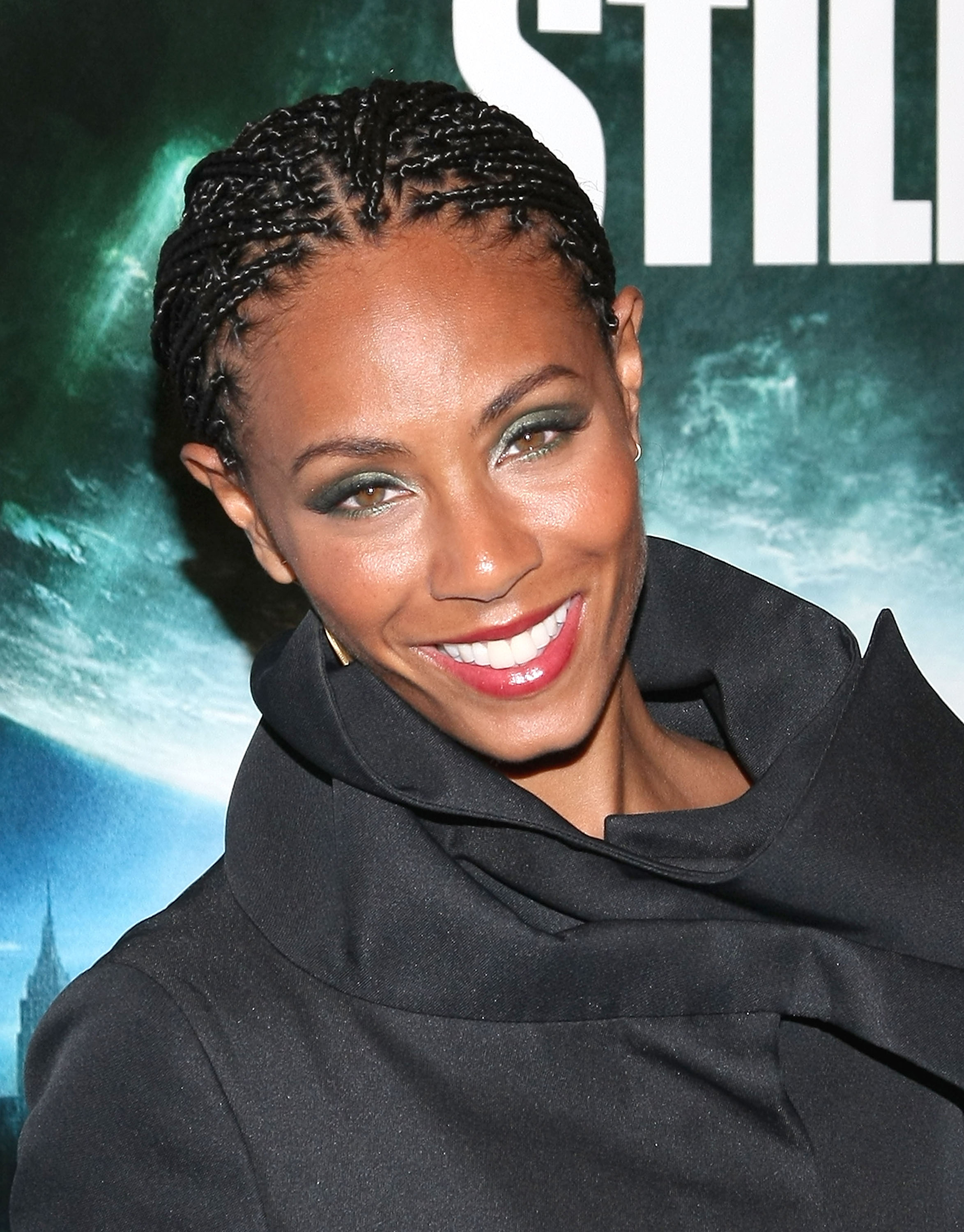
The presence of a Jada Pinkett Smith look-alike at high-profile Miami film premieres has sparked significant public interest and social media discourse. While celebrity doppelgängers are a frequent occurrence in the entertainment indus...
The presence of a Jada Pinkett Smith look-alike at high-profile Miami film premieres has sparked significant public interest and social media discourse. While celebrity doppelgängers are a frequent occurrence in the entertainment industry, the uncanny physical resemblance in these instances serves as a case study in how public perception, viral media, and the culture of celebrity identity intersect in modern urban settings like Miami.
Contents
The Phenomenon of Celebrity Look-Alikes in Pop Culture
The fascination with celebrity look-alikes is not a new development, but it has evolved significantly in the digital age. In decades past, look-alikes were primarily performers hired for corporate events or private parties. Today, social media platforms have transformed the "doppelgänger" into a viral phenomenon. When an individual bears a striking resemblance to a high-profile figure like Jada Pinkett Smith, their appearance at a public event—such as a film premiere in a major metropolitan hub like Miami—naturally draws crowds and smartphone cameras.
Miami, known for its vibrant nightlife and frequent hosting of major red-carpet events, provides the perfect stage for such encounters. The city’s concentration of media, entertainment industry professionals, and nightlife influencers means that even an accidental appearance by a look-alike can quickly transition from a private moment to a public sensation.
Anatomy of an Unplanned Public Appearance
When a Jada Pinkett Smith look-alike appears at Miami premieres, the reaction typically unfolds in a predictable pattern. First, there is the "recognition phase," where attendees or passersby notice the physical similarity. Because Jada Pinkett Smith has a distinct, recognizable aesthetic—often characterized by her signature hairstyles and bold fashion choices—a look-alike who adopts similar styling can create a momentary confusion among onlookers.
The transition from a face in the crowd to a trending topic usually happens via short-form video platforms. A brief clip uploaded to social media, often featuring the question "Is that her?", acts as the catalyst for broader debate. In Miami’s premiere circuit, where flash photography and high-energy environments are the norm, these videos rarely allow for immediate verification, fueling further speculation online.
Managing Public Expectations and Identity
For the individuals who resemble major celebrities, the experience can be both surreal and challenging. On one hand, there is the novelty of being mistaken for a Hollywood icon; on the other, there is the potential for public intrusion. While these look-alikes may simply be enjoying a night out, the public's desire to treat them as the celebrity they resemble creates a unique dynamic.
It is important to distinguish between "professional" look-alikes and private citizens who simply share features with a celebrity. Professional impersonators are generally transparent about their role, often branding themselves accordingly to manage expectations. Private citizens, however, may find themselves the subject of unwanted attention simply due to their natural appearance. When instances like these occur at Miami film premieres, the event organizers and security staff are often tasked with managing the crowd's reaction to maintain the professional flow of the red carpet.
The Role of Social Media and Viral Verification
In 2026, the speed at which information—or misinformation—travels is instantaneous. The "Jada Pinkett Smith look-alike" narrative thrives on the ambiguity provided by low-resolution mobile footage. The lack of formal verification is precisely what keeps the story relevant for long periods.
The following table summarizes the common factors that contribute to the virality of celebrity look-alike stories:
| Factor | Description | Impact on Virality |
|---|---|---|
| Physical Resemblance | Alignment of facial features, hair, or style | Primary driver of initial attention |
| Contextual Setting | A high-profile location like a Miami film premiere | Adds perceived legitimacy to the claim |
| Social Media Amplification | Rapid sharing and algorithmic promotion | Transitions incident from local to global |
| Ambiguity of Evidence | Grainy video or distant photography | Sustains debate and speculation |
Navigating the Intersection of Fame and Privacy
The recurring visibility of look-alikes at events creates a complex conversation regarding the privacy of those who happen to look like famous figures. While celebrity culture invites a certain level of scrutiny, private citizens possess the right to exist in public spaces without being treated as public property.
At major Miami events, it is common for security teams to prioritize the safety of high-profile guests. If a look-alike is misidentified as a celebrity, the result can sometimes lead to logistical congestion. Event attendees should be mindful that physical appearance does not equate to the identity or presence of the actual celebrity. Respecting the personal boundaries of those who are simply navigating a public space is a necessary standard in maintaining decorum at film and entertainment premieres.
Frequently Asked Questions
Why are celebrity look-alikes often spotted at Miami events? Miami’s high concentration of film premieres, fashion events, and nightlife hotspots makes it a frequent destination for both the celebrities themselves and individuals who share their physical traits. The density of media coverage in the area increases the likelihood that a look-alike will be photographed.
Is there a way to verify if an appearance at a premiere is genuine? Verification typically comes from official press releases, confirmed attendee lists from the film studio, or direct coverage by credible entertainment news outlets. If the news is limited to social media clips without confirmation from reputable sources, it is highly likely that the individual is not the celebrity.
What should I do if I see a celebrity look-alike? Treat them with the same courtesy you would extend to any other person. While it may be tempting to record or approach them, remember that they are an individual with their own life, distinct from the celebrity they resemble.
Do look-alikes profit from these appearances? Professional impersonators often do, as it is their career. However, individuals who simply share a resemblance and are out in public for personal reasons generally do not. Assuming they are "hired" to be there can lead to unnecessary misunderstandings.
How do film premieres handle crowd control regarding look-alikes? Security teams are trained to focus on the arrival of confirmed talent. When a look-alike draws a crowd, security may redirect the individual or the crowd to ensure that the actual event schedule is not disrupted.
Next Steps for Media Consumers
As an observer of celebrity culture, the most effective approach is to rely on confirmed reporting rather than viral speculation. When you see an unverified report of a celebrity presence, look for corroboration from established media entities before assuming the identity of the person in the footage. Being a discerning consumer of media helps prevent the spread of misinformation and protects the privacy of those who happen to mirror the likeness of public figures.
Image Gallery