2005 Nissan Pathfinder Oil Type Details: Complete Fluid Specifications and Maintenance Guide
Selecting the correct engine oil for a 2005 Nissan Pathfinder ensures longevity, optimal fuel economy, and reliable performance across varying temperature ranges. The third-generation Pathfinder, introduced for the 2005 model year, is...
Selecting the correct engine oil for a 2005 Nissan Pathfinder ensures longevity, optimal fuel economy, and reliable performance across varying temperature ranges. The third-generation Pathfinder, introduced for the 2005 model year, is powered by the 4.0-liter VQ40DE V6 engine, which has specific lubrication requirements that dictate both viscosity and oil classification standards.
Contents
Maintaining this SUV properly requires understanding manufacturer specifications, oil capacities, filter requirements, and the differences between conventional and synthetic formulations. This guide examines every technical detail necessary to service the 2005 Nissan Pathfinder's lubrication system correctly, helping you prevent premature engine wear and maintain peak operating efficiency.
Factory Engine Oil Specifications for the 2005 Nissan Pathfinder
The 2005 Nissan Pathfinder features the VQ40DE 4.0-liter dual overhead cam (DOHC) V6 engine. For this specific powerplant, Nissan specified 5W-30 as the primary engine oil viscosity for normal operating conditions.
According to official Nissan service documentation from the era, 5W-30 provides the ideal balance of cold-weather flow characteristics and high-temperature film strength. The "5W" rating indicates the oil's cold-cranking capabilities at low temperatures, while the "30" represents the kinematic viscosity at standard operating temperatures (100°C).
API Certification and Quality Standards
Beyond the numerical viscosity rating, the oil used in a 2005 Nissan Pathfinder must meet specific industry performance standards. Always look for oils that carry the API Certification Seal and meet or exceed the following classifications:
- API Service Category: SM or SN (or newer current standards such as SP). Modern oils are backward-compatible, meaning newer API standards offer superior protection compared to what was available in 2005.
- ILSAC Certification: GF-4 or GF-5 (GF-6 is also acceptable). ILSAC ratings ensure the oil contributes to fuel economy and protects emission control systems like the catalytic converters.
- ACEA Standards: For European formulations, if used, look for ACEA A3/B3 or A3/B4 specifications, though North American API-certified oils are standard.
Using non-certified or incorrect viscosity oils can lead to variable valve timing (VVT) actuator sluggishness, increased friction, and accelerated wear on the timing chain guides—a known vulnerability in early-production VQ40DE engines if maintenance intervals are neglected.
Conventional vs. Synthetic Oil: What to Choose
When servicing a 2005 Nissan Pathfinder, owners face a choice between conventional petroleum-based oil, synthetic blends, or full synthetic oils. While conventional 5W-30 was standard when the vehicle rolled off the assembly line in 2005, lubricant technology has advanced significantly.
Full Synthetic Oil Advantages
Switching to a full synthetic 5W-30 oil offers notable performance benefits for the VQ40DE engine:
- Thermal Stability: Synthetic oils resist breakdown at higher operating temperatures, which is particularly beneficial if the Pathfinder is used for towing or heavy hauling.
- Cold-Weather Flow: Synthetics flow more rapidly during sub-zero startups, reducing dry-start friction on critical engine components like camshafts and lifters.
- Sludge Resistance: The VQ40DE engine utilizes tight tolerances and small oil passages for its timing chain tensioners. Full synthetic oil minimizes varnish and sludge accumulation compared to conventional oils.
Synthetic Blends
Synthetic blends offer a middle ground, combining conventional base stocks with synthetic additives. They provide better protection than pure conventional oil at a lower price point than full synthetic, making them a viable option for budget-conscious owners who adhere to strict, short-interval oil changes.
Oil Capacity and Filter Requirements
Knowing the exact fluid capacity and selecting the correct filter prevents under-filling or over-filling, both of which can cause severe engine damage.
Engine Oil Capacity
The 2005 Nissan Pathfinder 4.0L V6 engine oil capacity with a filter change is 5.0 US quarts (4.7 liters).
When performing an oil change:
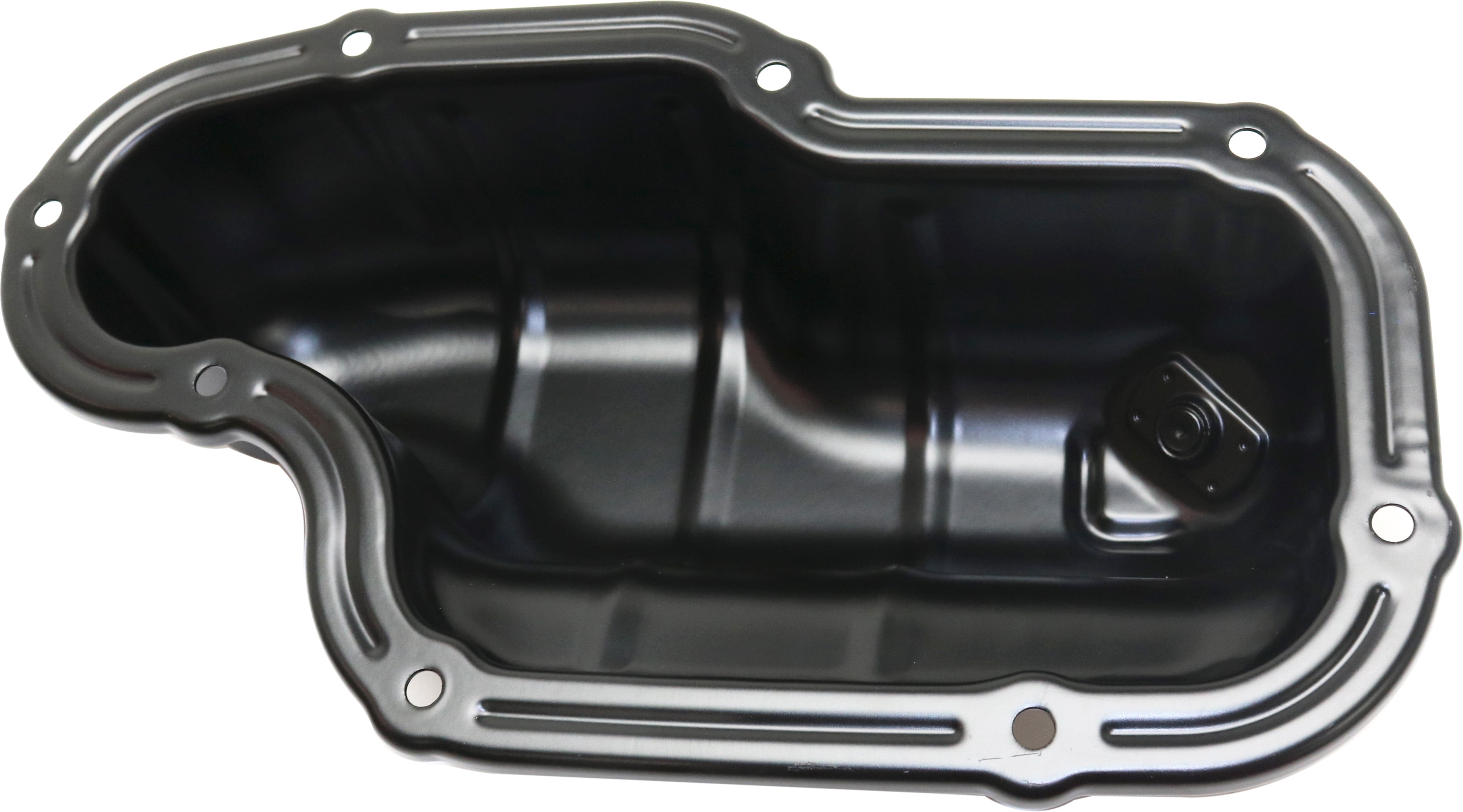
- Drain the old oil completely by removing the oil pan drain plug.
- Replace the oil filter.
- Add approximately 4.5 quarts, start the engine briefly to fill the new filter, shut it down, and check the dipstick.
- Top off gradually until the oil level reaches the upper limit mark on the dipstick. Do not overfill beyond the maximum line, as excess oil can cause aeration, pressure spikes, and seal leaks.
Oil Filter Specifications
The VQ40DE engine requires a spin-on type oil filter equipped with an anti-drainback valve. The anti-drainback valve prevents oil from flowing backward out of the filter when the engine is turned off, ensuring quick oil pressure build-up upon startup.
- OEM Part Number: Nissan part number 15208-65F0E (or superseded numbers like 15208-9E00A).
- Aftermarket Equivalents: Reputable brands such as Fram (PH6607 or Extra Guard/Titanium equivalents), Mobil 1 (M1-110 / M1-110A), WIX (51356), or K&N (HP-1010) are widely available and match original equipment flow and pressure specifications.
| Specification Item | Details for 2005 Nissan Pathfinder (4.0L V6) |
|---|---|
| Recommended Viscosity | SAE 5W-30 |
| Oil Capacity (with filter) | 5.0 US Quarts (4.7 Liters) |
| API Performance Level | API SM, SN, or SP |
| Standard Oil Change Interval | 3,750 to 5,000 miles (Conventional) / 7,500 miles (Synthetic) |
| OEM Filter Part Number | Nissan 15208-65F0E |
Seasonal Viscosity Adaptations and Regional Climates
While 5W-30 is the year-round recommendation for the vast majority of climates, vehicle owners operating in extreme environments should consider how ambient temperatures affect oil performance.
Extreme Cold Climates
If your 2005 Nissan Pathfinder is operated in regions where ambient temperatures frequently drop below -22°F (-30°C), ensure you use a high-quality full synthetic 5W-30. The superior cold-flow properties of synthetic base stocks ensure that the oil pump can quickly draw and circulate fluid, preventing startup wear.
Extreme Hot Climates and Heavy Towing
In sustained high-temperature desert environments or for frequent heavy towing (the Pathfinder V6 has a towing capacity of up to 6,000 pounds when properly equipped), maintaining adequate oil film strength is critical. While Nissan's primary manual specification remains 5W-30, some technicians in extreme heat environments opt for a higher-viscosity oil like 10W-30 only if operating strictly in ambient temperatures well above freezing. However, sticking to a robust, high-mileage full synthetic 5W-30 is generally preferred to maintain proper hydraulic pressure in the variable valve timing system.
Maintenance Intervals: When to Change Your Oil
Adhering to a consistent maintenance schedule preserves engine health. Nissan outlined two primary service schedules in the 2005 owner's manual:
Severe Operating Conditions Schedule
Change the oil every 3,750 miles or 3 months, whichever comes first, if your Pathfinder experiences any of the following severe conditions:
- Frequent short trips of less than 5 miles in normal temperatures, or less than 10 miles in freezing temperatures.
- Driving in dusty areas or areas with high ambient pollution.
- Frequent idling or stop-and-go driving in heavy city traffic.
- Towing a trailer, using a car-top carrier, or driving on muddy/mountainous roads.
Normal Operating Conditions Schedule
If your driving habits do not meet the severe criteria (e.g., primarily highway commuting with moderate climates), the oil change interval can be extended to 7,500 miles or 6 months when using a certified full synthetic oil. However, given the age of a 2005 vehicle, many experienced technicians recommend a conservative interval of 5,000 miles regardless of oil type to account for potential engine wear and blow-by accumulation.
Step-by-Step Oil Change Procedure
Performing an oil change on a 2005 Nissan Pathfinder is straightforward due to the vehicle's generous ground clearance and accessible oil filter location.
Tools and Supplies Needed
- 5 quarts of SAE 5W-30 synthetic or conventional motor oil
- New oil filter (e.g., Nissan OEM or WIX 51356)
- New crush washer for the drain plug (aluminum or copper)
- 14mm socket and ratchet
- Oil filter wrench (if the old filter is overtightened)
- Drain pan and funnel
- Rags and protective gloves
- Jack and sturdy jack stands (or service ramps)
Execution Steps
- Warm up the engine: Run the engine for 3 to 5 minutes to warm the oil, making it less viscous so it drains completely and carries away suspended contaminants. Shut off the engine.
- Elevate the vehicle: Safely raise the front of the Pathfinder using a hydraulic floor jack and secure it with certified jack stands. Alternatively, drive the front wheels onto stable service ramps. Engage the parking brake.
- Locate the drain plug and filter: Slide under the front bumper area. The oil pan drain plug faces toward the rear of the vehicle on the oil pan, and the oil filter is mounted vertically on the passenger side lower portion of the engine block.
- Drain the old oil: Place your drain pan beneath the drain plug. Remove the 14mm drain plug counterclockwise. Allow the oil to drain completely into the pan. Inspect the drain plug threads and replace the crush washer.
- Remove the old filter: Position the drain pan under the oil filter. Unscrew the filter counterclockwise. Ensure the old rubber gasket comes off with the filter and does not stick to the engine mounting pad (double-gasketing causes catastrophic oil leaks).
- Install the new filter: Dip a clean finger in fresh engine oil and smear a thin film across the rubber gasket of the new filter. Screw the new filter on clockwise until the gasket contacts the base, then tighten it an additional 3/4 to 1 turn by hand. Do not over-tighten with a wrench.
- Reinstall the drain plug: Clean the area around the drain pan hole and reinstall the drain plug with its new crush washer. Torque it to factory specifications (approximately 25–29 ft-lbs).
- Fill with fresh oil: Remove the oil filler cap on top of the engine valve cover. Insert a clean funnel and pour in 4.5 quarts of 5W-30 oil. Replace the filler cap securely.
- Verify and test: Start the engine and let it idle for 30 seconds while checking underneath for leaks around the filter and drain plug. Turn off the engine, lower the vehicle, wait two minutes for oil to settle, and check the dipstick level. Top off as needed.
Frequently Asked Questions
Can I use 10W-30 in my 2005 Nissan Pathfinder?
While 10W-30 can be used in warmer climates, Nissan specifies 5W-30 as the standard grade for the VQ40DE engine. Using 5W-30 ensures optimal flow during cold startups and maintains proper hydraulic pressure for the variable valve timing system. Avoid heavier weights unless operating in sustained extreme heat.
How much oil does a 2005 Nissan Pathfinder V6 take?
The 4.0L V6 engine in the 2005 Nissan Pathfinder requires exactly 5.0 US quarts (4.7 liters) of oil when replacing the oil and filter simultaneously. Always verify the level using the dipstick after filling.
Is synthetic oil required for a 2005 Nissan Pathfinder?
Synthetic oil is not strictly mandatory, as conventional 5W-30 was standard when the vehicle was manufactured. However, full synthetic oil is strongly recommended because it provides superior thermal stability, reduces varnish buildup on internal timing components, and extends engine longevity.
What happens if I use the wrong oil viscosity?
Using an incorrect viscosity—such as a heavy 20W-50 or a thin 0W-20—can cause several issues. Too thick of an oil can lead to sluggish valve timing response, reduced fuel economy, and poor lubrication during cold starts. Too thin of an oil can cause low oil pressure warnings, increased mechanical noise from the valvetrain, and accelerated wear on engine bearings.
How often should I check my oil level?
Due to the age of a 2005 vehicle, it is best practice to check your engine oil level manually using the dipstick at every second fuel stop (roughly every 600 to 1,000 miles) to catch any consumption or minor leaks before they result in low oil levels.
Image Gallery