New York Workers’ Compensation Attorney for Premises Injuries: Navigating Dual Legal Claims
If you sustain an injury on an unsafe property while performing your job duties in New York, a specialized workers' compensation attorney helps you secure no-fault medical and wage benefits while pursuing potential third-party premises...
If you sustain an injury on an unsafe property while performing your job duties in New York, a specialized workers' compensation attorney helps you secure no-fault medical and wage benefits while pursuing potential third-party premises liability claims. An attorney ensures statutory deadlines are met, protects your financial recovery rights, and manages complex dual-claim litigation against negligent property owners or third parties.
Contents
Legal Disclaimer
The information provided in this guide is for educational and informational purposes only and does not constitute formal legal advice. New York labor laws and workers' compensation regulations are subject to specific statutory deadlines and judicial interpretations. If you have been injured on the job, consult a qualified New York attorney to evaluate your specific case.
Understanding Premises Injuries in the Scope of New York Employment
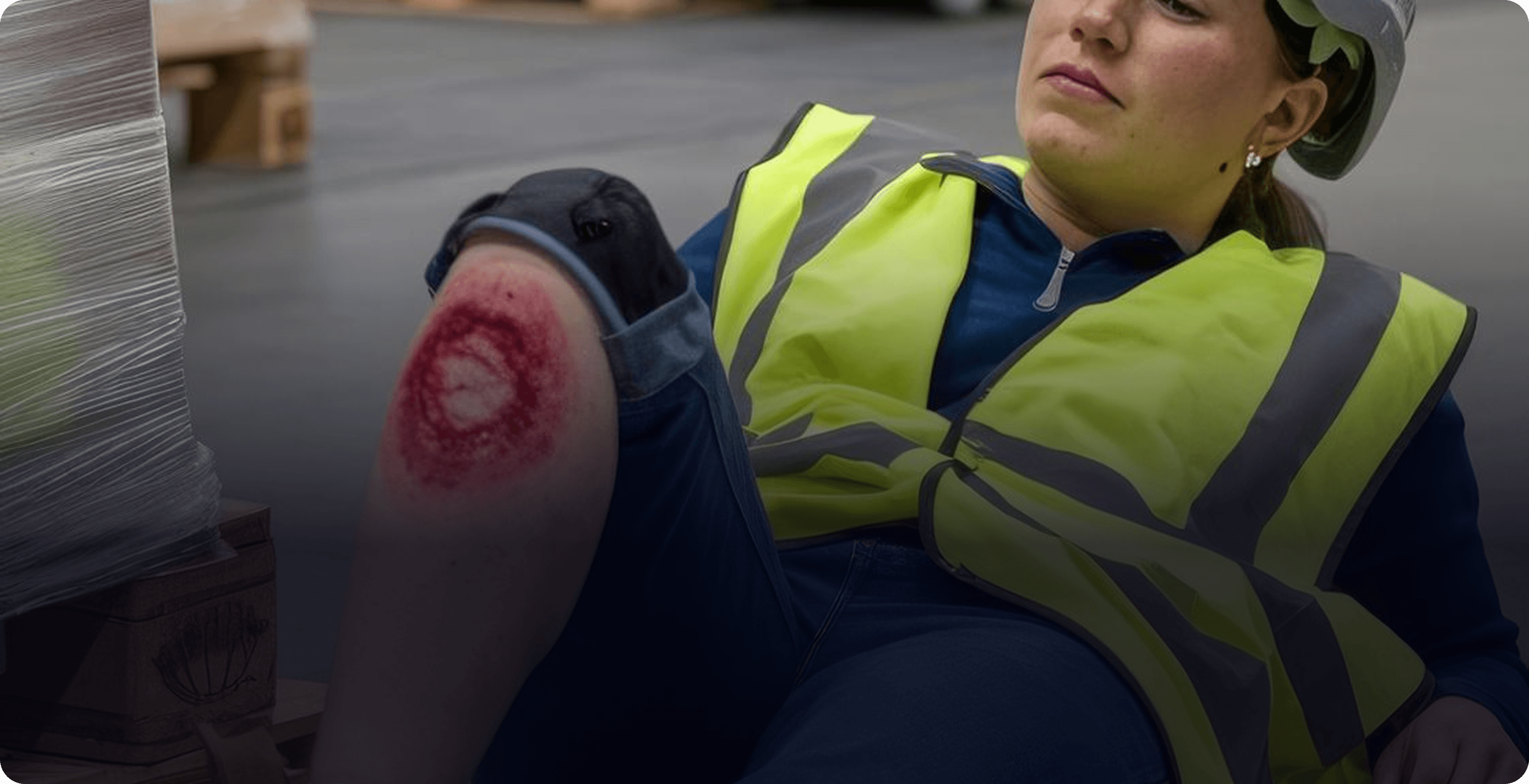
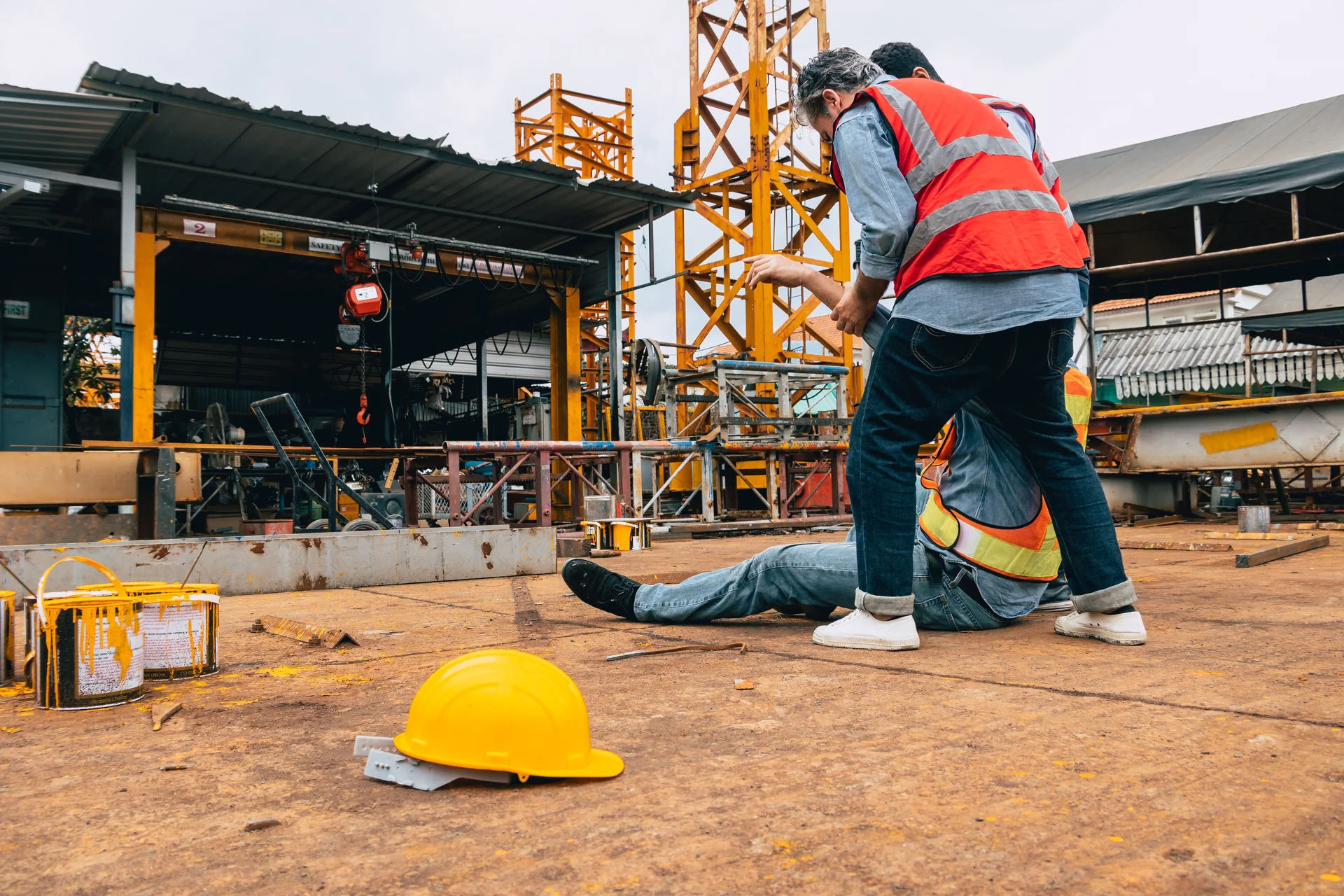
Workplace injuries do not always occur on an employer's private, controlled premises. Delivery personnel, construction workers, field technicians, home healthcare aides, and commercial drivers frequently perform job duties on properties owned, leased, or managed by third parties. When a hazardous condition on someone else's property causes an on-the-job injury, the incident falls at the intersection of New York Workers' Compensation Law and premises liability law.
A premises injury occurs when a hazardous physical condition on a property causes harm. In a workplace context, common premises hazards include:
- Slip, Trip, and Fall Hazards: Uncleared ice and snow on commercial walkways, uncleaned spills in retail stores, torn carpeting, or unlit stairwells.
- Structural and Building Defects: Broken handrails, defective elevators or escalators, collapsed ceilings, or rotting floorboards.
- Construction Site Hazards: Unguarded openings, unstable scaffolding, unsecured ladders, or debris on walkways.
- Environmental and Toxic Exposures: Exposure to toxic chemicals, mold, asbestos, or gas leaks due to improper building maintenance.
When an employee suffers a premises injury during the course and scope of employment, New York law grants the worker automatic rights to workers' compensation benefits. However, depending on who owns or controls the property, the injured worker may also have the legal right to file a personal injury lawsuit against the negligent property owner or management company.
Workers' Compensation vs. Third-Party Premises Liability Claims
Navigating an on-the-job premises injury requires distinguishing between a Workers' Compensation claim and a Third-Party Personal Injury lawsuit.
- Workplace Premises Injury
- Workers' Compensation Claim (No-Fault System)
- Employer / Insurance Provider
- Covers: Medical Care, Lost Wages
- Cannot Sue Employer Directly
- Third-Party Liability Lawsuit (Fault-Based Civil Claim)
- Property Owner, Manager, Vendor
- Covers: Full Wages, Pain/Suffering
- Requires Proof of Negligence
- Workers' Compensation Claim (No-Fault System)
The Exclusive Remedy Rule
Under Section 11 of the New York Workers' Compensation Law, workers' compensation is generally the exclusive remedy an injured employee has against their direct employer or co-workers. This statutory compromise provides employees with guaranteed, no-fault medical coverage and partial wage replacement in exchange for relinquishing their right to sue their employer for ordinary negligence.
Third-Party Premises Claims
The exclusive remedy rule does not protect third parties who do not employ the injured worker. Under Section 29 of the New York Workers' Compensation Law, injured employees retain the right to sue negligent third parties whose wrongdoing contributed to their injuries.
For instance, if a delivery driver slips on an icy, unplowed sidewalk outside a commercial retail store, the driver can collect workers' compensation benefits from their own employer's insurance. Simultaneously, the driver can file a third-party premises liability lawsuit against the commercial property owner or the snow removal contractor responsible for maintaining the walkway.
Key Differences in Available Compensation
A workers' compensation claim provides vital immediate relief, but its benefits are legally capped:
- Medical Benefits: Pays 100% of necessary, authorized medical treatment related to the injury.
- Wage Replacement: Covers two-thirds of the worker’s average weekly wage, subject to a statutory maximum state limit.
- Schedule Loss of Use (SLU): Cash compensation for permanent impairment to specific body parts (e.g., arms, legs, hands).
Conversely, a third-party premises liability lawsuit allows the injured worker to recover financial losses that workers' compensation excludes, such as:
- Full Lost Wages: The remaining one-third of lost income not covered by workers' compensation, as well as future lost earning capacity.
- Pain and Suffering: Non-economic damages for physical pain, emotional distress, loss of enjoyment of life, and physical disfigurement.
- Loss of Consortium: Compensation for the negative impact the injury has on the worker's marital relationship.
Key New York Labor Laws and Premises Liability Statutes
When a premises injury occurs on a construction or renovation site, specific sections of the New York State Labor Law impose heightened legal duties on property owners and general contractors.
New York Labor Law Section 200
Section 200 is a codification of the common-law duty imposed upon property owners and general contractors to provide employees with a safe place to work. To establish liability under Section 200, the injured worker must generally show that the owner or contractor either created the dangerous condition or had actual or constructive notice of the hazard and failed to remedy it within a reasonable timeframe.
New York Labor Law Section 240(1) (The "Scaffold Law")
Known widely as the "Scaffold Law," Section 240(1) protects workers against gravity-related hazards, such as falls from heights (ladders, scaffolding, staging) or being struck by falling objects. Under this statute, property owners and general contractors face absolute liability if they fail to provide adequate safety equipment, regardless of whether the injured worker was partially at fault for the accident.
New York Labor Law Section 241(6)
Section 241(6) requires property owners and contractors to comply with specific safety rules set forth in the New York Industrial Code (12 NYCRR Part 23). If a violation of a concrete, specific Industrial Code safety provision on a job site causes a premises injury—such as tripping over accumulated debris or falling into an unguarded floor opening—the owner or contractor may be held liable for resulting damages.
Comparative Overview: Workers' Compensation vs. Third-Party Premises Lawsuit
Understanding how these two legal avenues interact is vital when structuring a comprehensive recovery strategy.
| Feature | New York Workers' Compensation Claim | Third-Party Premises Liability Lawsuit |
|---|---|---|
| Target Defendant | Employer's Insurance Carrier | Property Owner, Manager, or Contractor |
| Fault Requirement | No-Fault System: Fault does not affect eligibility. | Fault-Based System: Must prove negligence or statutory violation. |
| Pain and Suffering | Not recoverable. | Fully recoverable (no statutory cap). |
| Lost Wage Coverage | Capped at 2/3 of average weekly wage (subject to state max). | 100% of past and future lost earnings and lost earning capacity. |
| Medical Expenses | Covered 100% according to NY WCB fee schedules. | Recoverable as part of past and future economic damages. |
| Statute of Limitations | 2 years from accident date (Form C-3 filing). | 3 years from accident date (1 year 90 days / 90-day Notice of Claim for municipalities). |
| Impact of Worker Fault | Does not reduce benefits (unless intentional or intoxicated). | Comparative Fault: Award reduced proportionally by worker's percentage of fault. |
Crucial Steps to Take Following a Premises Injury at Work
Preserving legal rights after a workplace premises accident requires systematic action across both administrative and civil tracks.
- Seek Immediate Medical Attention
- Inform treating doctor the injury occurred on the job.
- Document the Scene and Hazardous Condition
- Take photos of defective property, missing guards, ice, or hazardous debris.
- Collect names and contact details of non-employer witnesses.
- Provide Written Notice to Employer (Within 30 Days)
- Pursuant to NY Workers' Compensation Law § 18.
- Report Incident to Property Owner or Management
- Ensure an official property incident report is completed, if safe to do so.
- File Form C-3 with the NYS Workers' Compensation Board
- Must be submitted within two years of the injury date.
- Consult an Experienced New York Attorney
- Evaluate third-party liability and manage statutory liens.
1. Seek Immediate Emergency Medical Attention
Prioritize physical health. Inform the emergency room staff or treating physician that the injury occurred during employment. Medical reports must document the causation connection to establish an undisputed claim with the New York State Workers' Compensation Board.
2. Document the Premises Defect Thoroughly
Unlike standard indoor office accidents, conditions on external premises change quickly. Ice melts, property owners repair broken steps after an accident, and contractors clean up dangerous jobsite debris. Take clear photographs and video of the exact hazardous condition immediately. Secure contact details from independent witnesses who saw the incident or knew of the pre-existing hazard.
3. Give Formal Written Notice to Your Employer
Under Section 18 of the New York Workers' Compensation Law, you must notify your employer in writing within 30 days of the accident. Failure to meet this 30-day deadline can result in a complete forfeiture of workers' compensation benefits unless excused by the Board under strict statutory exceptions.
4. Formally File Form C-3
File an official Employee Claim Form (Form C-3) with the Workers' Compensation Board within two years of the accident date, as mandated by Section 28 of the Workers' Compensation Law.
5. Verify Property Ownership and Notice Requirements
If the property where the injury occurred is owned by a government entity (such as the City of New York, a municipal housing authority, or a public transit agency), special rules apply. Under New York General Municipal Law § 50-e, you must file a formal Notice of Claim within 90 days of the incident before filing a lawsuit against a public entity.
How New York Workers' Compensation Liens Impact Personal Injury Settlements
When an injured employee successfully recovers compensation through a third-party premises liability lawsuit, the workers' compensation insurance carrier has a statutory lien against those funds under Section 29 of the New York Workers' Compensation Law.
- Third-Party Recovery Amount
- Attorney Fees/Costs & Injured Worker Net Settlement
- Statutory Comp Lien Reimbursement (NY WCL § 29)
- Carrier's Equitable Share Apportionment (Burns v. Varriale)
Understanding Section 29 Liens
Because the workers' compensation carrier paid medical expenses and disability benefits for an injury caused by a negligent third party, the carrier has the legal right to be reimbursed from the personal injury settlement or verdict. This rule prevents "double recovery" by the worker for the same economic losses.
Consent to Settle Requirements
An injured worker cannot settle a third-party premises lawsuit without either:
- Obtaining the formal written consent of the workers' compensation insurance carrier; OR
- Obtaining a compromise order from a justice of the court in which the third-party action is pending within 3 months of the settlement.
Settling a third-party premises claim without carrier consent or a court order results in the immediate forfeiture of all future workers' compensation benefits, including vital lifelong medical coverage for the industrial injury.
Lien Reduction and Equitable Share
Under New York case law established in Burns v. Varriale, the workers' compensation carrier must contribute its equitable share of the legal fees and litigation costs incurred in obtaining the third-party settlement. Consequently, the insurance carrier's lien reimbursement is typically reduced by approximately one-third to account for the attorney fees paid to secure the recovery.
Frequently Asked Questions
Can I collect workers' compensation if I tripped on a public sidewalk while performing a job errand?
Yes. If you were performing an errand or task within the scope of your employment duties, your injury is covered under New York Workers' Compensation Law regardless of where it took place. Additionally, if the sidewalk was negligently maintained by an adjoining commercial property owner, you may have a third-party premises liability claim against that property owner under municipal codes like New York City Administrative Code § 7-210.
What if I was partially at fault for missing the hazard on the property?
For your workers' compensation claim, fault is irrelevant; you remain eligible for full medical and indemnity benefits even if your own distraction caused the accident. For a third-party premises liability lawsuit, New York follows a pure comparative negligence system (CPLR § 1411). Your financial recovery in court will be reduced by your percentage of fault, but you are not barred from recovering damages unless you were 100% responsible.
Will filing a third-party premises lawsuit slow down my workers' compensation payments?
No. Workers' compensation benefits must be paid promptly by the workers' compensation insurance carrier regardless of whether you file a lawsuit against a third-party property owner. The insurance carrier cannot delay or suspend your statutory medical care or temporary disability checks simply because a civil lawsuit is pending.
What happens if the property owner claims they did not know about the defect?
In New York premises liability litigation, a property owner can be held liable if they had actual notice (they created or were explicitly informed of the hazard) or constructive notice (the hazard existed for a long enough duration that a reasonable inspection would have uncovered it). Experienced attorneys use maintenance logs, security camera footage, building code records, and expert witness testimony to establish constructive notice.
Practical Recommendation for Injured Workers
Handling a workplace premises injury in New York requires managing two parallel legal procedures, each governed by distinct procedural statutes, evidentiary standards, and deadlines. Failing to coordinate these claims properly can cause you to forfeit benefits or lose settlement proceeds to insurance liens.
If you sustain a premises injury on the job:
- Report the Incident Immediately: Ensure your employer receives written notice within 30 days and that medical providers bill your treatment under Workers' Compensation.
- Preserve Evidence: Document the exact site condition, weather, physical defects, lighting, and witness information right away.
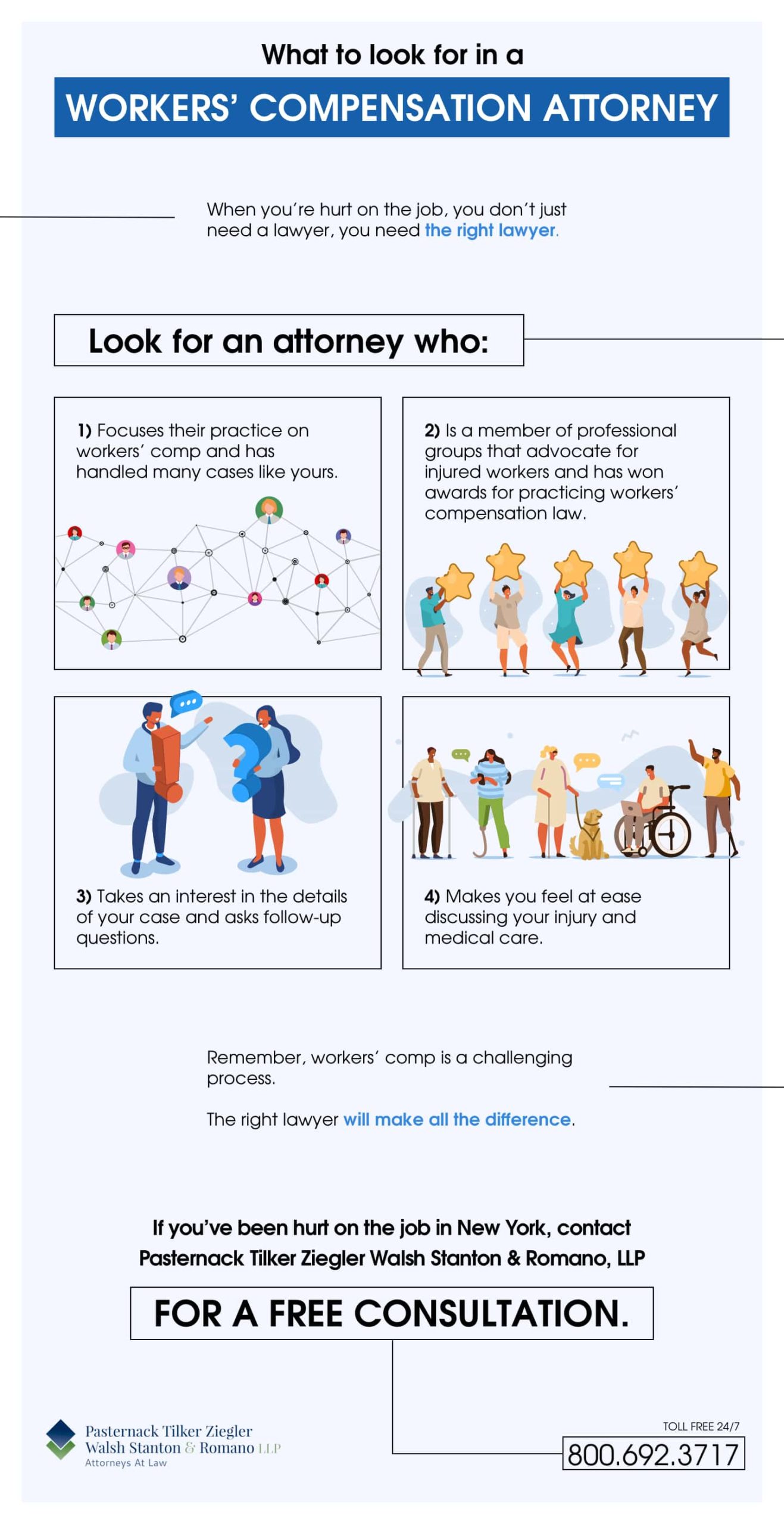
- Engage Experienced Counsel Early: Select a law firm experienced in both New York Workers' Compensation Board proceedings and civil Supreme Court litigation. Coordinated legal representation ensures your third-party settlement is structured correctly, statutory lien waivers are negotiated, and your rights to long-term medical care remain protected.
Image Gallery