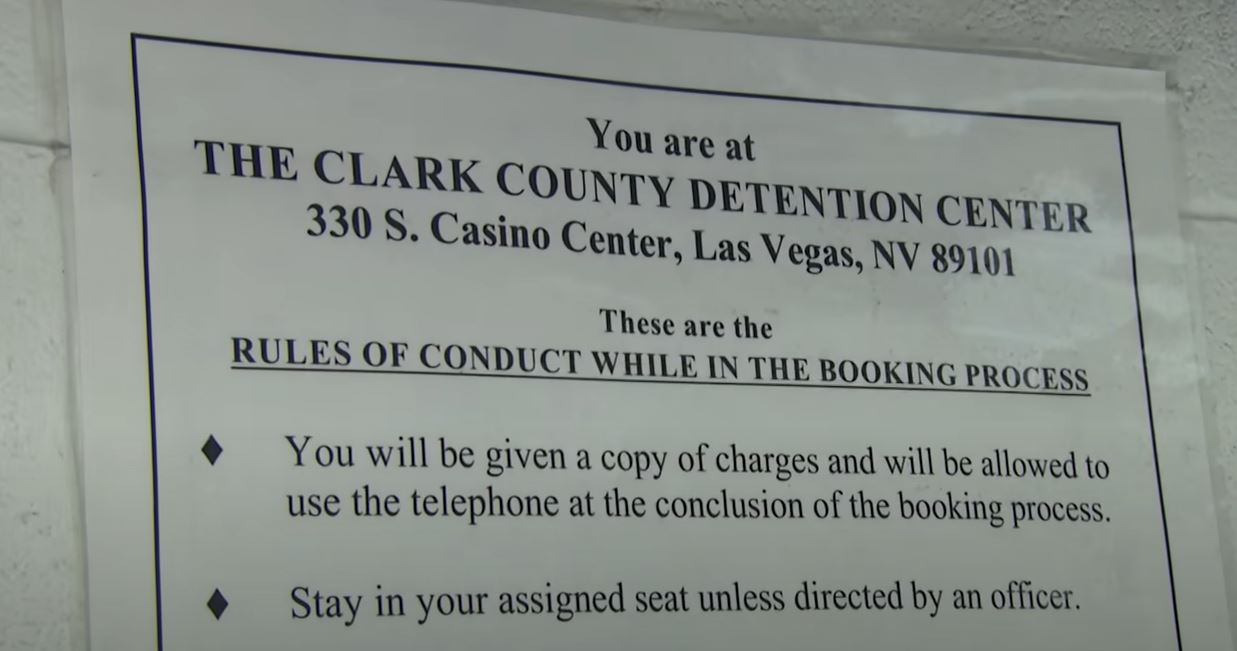
Understanding Clark County Detention Center Capacity and Facility Selection in Nevada
To identify the correct facility in Southern Nevada, you must distinguish between the Clark County Detention Center (CCDC) and various municipal jails. As of 2026, the CCDC remains the primary intake point for felony arrests and county...
To identify the correct facility in Southern Nevada, you must distinguish between the Clark County Detention Center (CCDC) and various municipal jails. As of 2026, the CCDC remains the primary intake point for felony arrests and county-wide offenses, managing a capacity that often exceeds 4,000 inmates through its North and South Tower configurations.
Contents
Navigating the correctional landscape in Southern Nevada can be complex, particularly when attempting to locate an individual or understand the logistical constraints of the region's largest jail. The Clark County Detention Center (CCDC), managed by the Las Vegas Metropolitan Police Department (LVMPD), serves as the central nervous system for the local justice system. However, "choosing the right facility" often refers to the critical task of identifying where a detainee is being held, as the "capacity" of the CCDC frequently dictates whether inmates are transferred to satellite facilities or municipal partner jails.
The Architecture of Capacity: CCDC’s North and South Towers
The Clark County Detention Center is not a single monolithic building but a sophisticated complex designed to manage a diverse population of detainees. Understanding the capacity of this facility requires a look at its two primary structures: the North Tower and the South Tower.
The North Tower is the more modern component of the facility. It was designed with a direct-supervision model, which allows correctional officers to interact more closely with the inmate population, theoretically increasing safety and operational efficiency. In 2026, the North Tower continues to house the bulk of the general population, utilizing modular housing units that can be adjusted based on the security classification of the inmates.
The South Tower remains the older portion of the facility but is essential for administrative functions, intake, and specialized housing. The intake center (booking) is one of the busiest in the United States. Capacity here is measured not just by beds, but by "throughput"—the speed at which individuals are processed, identified, and moved to housing units or released on bail. When the CCDC reaches its functional capacity, the pressure is most visible in the intake area, where overcrowding can lead to delays in the booking process.
Distinguishing CCDC from Municipal Facilities
A common point of confusion for those searching for a detainee is the distinction between the Clark County Detention Center and the various city jails. While the CCDC handles most felony cases and arrests made by the LVMPD in unincorporated Clark County, municipal jails handle city-specific ordinance violations and misdemeanors.
- Las Vegas City Jail: Located on Stewart Avenue, this facility is separate from the CCDC. It houses individuals arrested for misdemeanors within the City of Las Vegas limits.
- Henderson Detention Center: This facility serves the City of Henderson. It often has "contract capacity," meaning it may house federal detainees or inmates from other jurisdictions to help alleviate overcrowding in larger systems.
- North Las Vegas Community Correctional Center: Primarily serving North Las Vegas, this facility manages local offenders and, like Henderson, often participates in inter-local agreements to manage regional capacity.
Choosing the right facility to search depends entirely on the arresting agency and the nature of the charges. If a person is arrested by the Nevada State Police on a highway or by the LVMPD on the Las Vegas Strip, they are almost certainly headed to the CCDC. If they are arrested by a city-specific police department for a minor local offense, they may be held at a municipal jail.
Capacity Management and Inter-local Agreements
In 2026, the concept of "capacity" at the CCDC is managed through a regional strategy. Because the CCDC is frequently at or near its rated capacity, the Clark County government utilizes Inter-local Agreements. These are contracts that allow the county to "rent" beds in municipal jails or even rural facilities in neighboring counties.
When the CCDC capacity is exceeded, the facility may transfer "low-level" or "sentenced" inmates to other locations to make room for new high-security intakes. This is a critical factor for families and legal representatives to understand; an inmate may be booked at the CCDC but moved within 48 hours to a different facility to balance the population density.
Furthermore, capacity is managed through electronic monitoring and house arrest programs. For non-violent offenders, the "facility" chosen may actually be their own home, managed by the CCDC’s Intensive Supervision Clinic (ISC). This evolution in correctional philosophy helps keep the physical jail beds available for those who pose a higher risk to the community.
Comparative Overview of Southern Nevada Correctional Facilities (2026)
| Facility Name | Primary Jurisdiction | Estimated Capacity | Typical Inmate Type |
|---|---|---|---|
| Clark County Detention Center (CCDC) | Clark County / LVMPD | 4,000+ | Felonies, Gross Misdemeanors, County holds |
| Las Vegas City Jail | City of Las Vegas | 1,000+ | Municipal misdemeanors, City ordinances |
| Henderson Detention Center | City of Henderson | 500+ | Local arrests, Federal contract inmates |
| North Las Vegas CCC | City of North Las Vegas | 400+ | Local misdemeanors, Contract housing |
| Nevada State Prisons | State of Nevada | Varies | Post-conviction (Sentences > 1 year) |
The Impact of Capacity on Visitation and Legal Access
The capacity of the CCDC directly impacts the quality of life for inmates and the ease of access for their families. When the facility is operating at maximum capacity, several logistical challenges arise:
- Video Visitation Scheduling: In 2026, most visitation at the CCDC is conducted via video. High capacity means higher demand for these kiosks, leading to longer wait times for scheduling a session.
- Legal Consultation: Attorneys may face delays in meeting with clients if the "professional visit" rooms are full or if the facility is under a "movement freeze" due to overcrowding issues.
- Medical Services: A larger inmate population puts a significant strain on the jail’s medical and psychiatric wards. The CCDC provides comprehensive care, but the ratio of providers to inmates is a constant concern for facility administrators.
When choosing the right facility for a legal defense strategy, or when advocating for a transfer, legal professionals often cite "overcrowding" as a factor in requesting a client's release on their own recognizance (OR) or a reduction in bail.
How to Verify an Inmate's Location and Status
Before visiting or sending funds, it is essential to verify that the individual is still housed at the CCDC. Because of the capacity-shifting mentioned earlier, an inmate's location can change without notice.
The LVMPD provides an online Inmate Search tool. To use this effectively, you generally need the inmate's full legal name or their ID number (often referred to as a "PCN" or "JID"). In 2026, these databases are updated in near real-time, reflecting transfers between the North and South Towers or to outside municipal facilities.
If the search tool indicates an inmate is "In Custody" but does not provide a housing unit, they may be in the middle of the booking process or in transit to a contract facility. In these cases, contacting the CCDC's information line is the next logical step, though phone lines can be busy during peak intake hours.
Technical Considerations for Legal Professionals
For those in the legal field, "choosing the right facility" often involves negotiating where a client will serve their time if a custodial sentence is unavoidable. In Clark County, sentences of 364 days or less are typically served in a local jail (like the CCDC or a municipal facility), whereas sentences of a year or more are served in the Nevada Department of Corrections (NDOC) state prison system.
Capacity issues at the CCDC can sometimes work in a defendant's favor during sentencing. If the jail is overcrowded, judges may be more inclined to approve work release or house arrest, allowing the individual to maintain employment while fulfilling their legal obligations.
FAQs
How do I know if someone is at CCDC or the Las Vegas City Jail?
The easiest way is to use the online inmate search portals for both facilities. If the person was arrested by "Metro" (LVMPD), they are usually at CCDC. If they were arrested by "City Marshals" or "Las Vegas City Police" for a misdemeanor, check the Las Vegas City Jail.
What is the current capacity of the Clark County Detention Center?
As of 2026, the functional capacity is approximately 4,200 inmates. This includes both the North and South Towers. However, the operational capacity—which accounts for staffing levels and safety protocols—may be slightly lower.
Can an inmate be moved because of overcrowding?
Yes. Under inter-local agreements, CCDC may transfer inmates to the Henderson Detention Center or other regional facilities to manage population spikes. This is most common for inmates who have already been sentenced or those with low-security classifications.
Does CCDC house federal inmates?
While CCDC primarily houses local and county inmates, it does have the capacity to hold federal detainees through agreements with the U.S. Marshals Service, particularly those awaiting trial in the federal courthouse located nearby in downtown Las Vegas.
Is video visitation the only option at CCDC?
For the general public, video visitation is the standard in 2026. This can be done remotely for a fee or at the visitation center located at the jail. In-person contact visits are typically reserved for legal counsel and specific circumstances authorized by the facility commander.
How long does the booking process take at CCDC?
Due to the high volume of arrests in Clark County, the booking process can take anywhere from 4 to 12 hours. This involves fingerprinting, medical screening, and classification. High capacity and peak arrest times (such as weekends) can extend this duration.
Final Recommendation for Navigating the System
If you are attempting to locate or support an individual in the Nevada correctional system, your first action should always be to confirm their location through the LVMPD Inmate Search portal. Given the high capacity of the Clark County Detention Center and the frequent transfer of inmates to manage that population, verification is a prerequisite for any further action. If the individual is not found in the county system, immediately check the municipal jail databases for Las Vegas, Henderson, and North Las Vegas. Understanding that "facility selection" is often a matter of jurisdiction and capacity management will save time and ensure that resources—such as bail or legal counsel—are directed to the correct location.
Image Gallery