Safety Realities and Risk Management in Thailand’s Elephant Tourism
While elephant encounters are a highlight for millions of travelers visiting Southeast Asia, incidents where a tourist is killed by an elephant in Thailand serve as a sobering reminder of the power these animals possess. Fatalities typ...
While elephant encounters are a highlight for millions of travelers visiting Southeast Asia, incidents where a tourist is killed by an elephant in Thailand serve as a sobering reminder of the power these animals possess. Fatalities typically occur when tourists get too close to agitated animals, or when bull elephants enter a state of "musth." Ensuring safety requires understanding elephant biology, choosing ethical sanctuaries, and maintaining a respectful distance at all times.
Contents
The Frequency and Nature of Elephant Incidents in Thailand
Elephant-related fatalities involving tourists are statistically rare compared to road accidents or drownings, but they attract global attention due to the nature of the tragedy. In Thailand, elephants are deeply integrated into the cultural and economic fabric, with thousands of captive animals working in the tourism sector. Despite their often-docile appearance in trekking camps or sanctuaries, they remain the world's largest land mammals with unpredictable wild instincts.
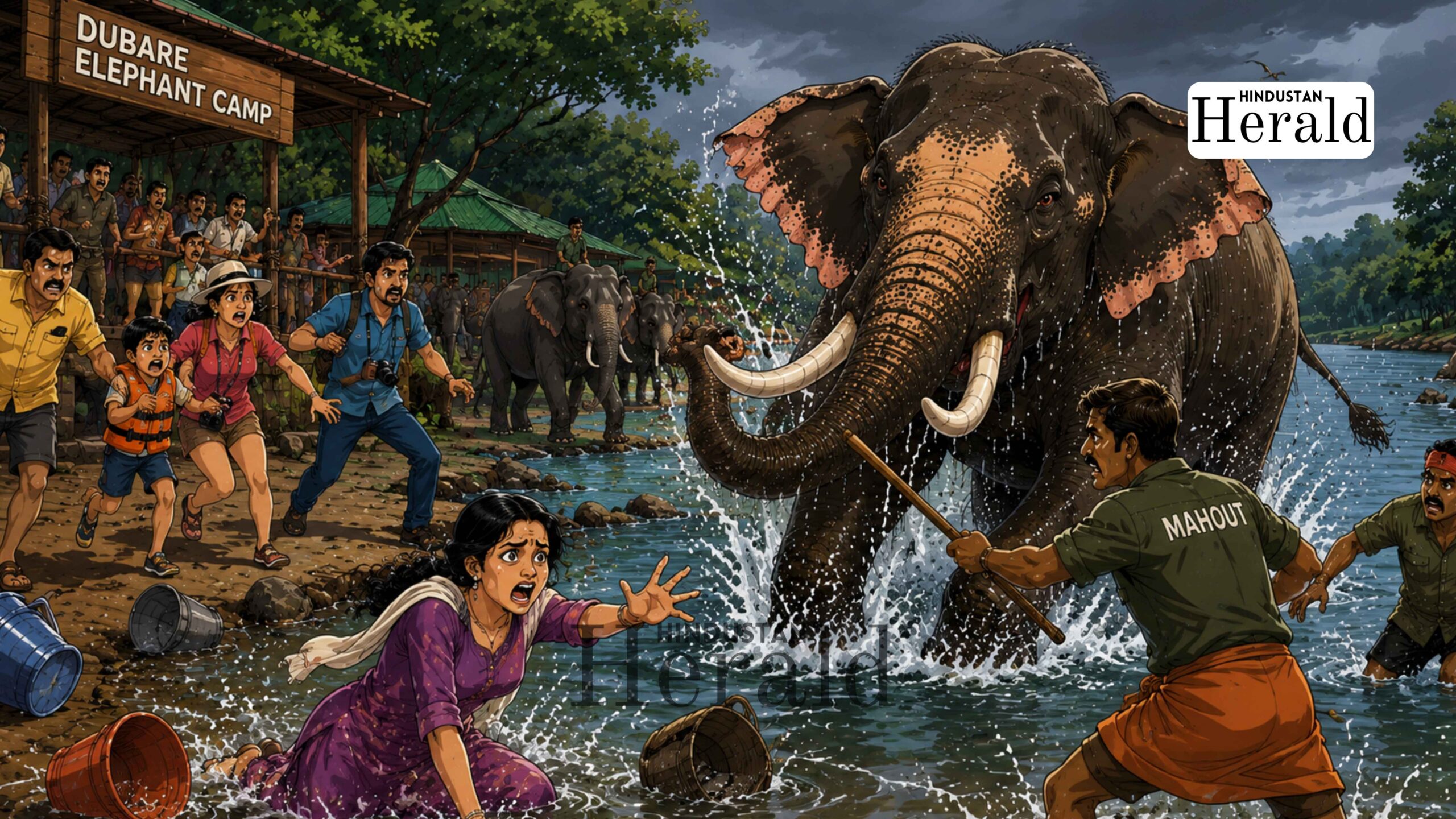
Historically, notable incidents have occurred in major tourist hubs such as Chiang Mai, Phuket, and Koh Samui. For example, a widely reported incident in 2016 involved a Scottish tourist who was gored and trampled by an elephant during a trekking tour in Koh Samui. More recent reports in the 2020s have highlighted the risks associated with "selfie culture," where visitors ignore safety barriers or mahout (handler) instructions to capture photos, leading to defensive or territorial responses from the animals.
As of 2026, the Thai government’s Department of National Parks, Wildlife and Plant Conservation (DNP) has increased oversight of captive elephants. However, the risks remain present in facilities that prioritize profit over animal welfare or visitor safety. Most fatal encounters involve one of three scenarios: a male elephant in musth, an animal stressed by poor living conditions, or a mother protecting her calf.
Understanding the Biological Triggers: The Danger of Musth
One of the most critical factors in elephant-related deaths is a biological state known as musth. This is a periodic condition in bull elephants characterized by a massive surge in testosterone levels—sometimes up to 60 times higher than normal.
Characteristics of Musth
During musth, an elephant becomes highly aggressive and unpredictable. Even a normally "gentle" captive elephant can turn on its mahout or nearby tourists without provocation. Visible signs of musth include:
- Temporal gland secretion: A dark, oily liquid leaking from the sides of the head.
- Constant dribbling of urine: Accompanied by a strong, musky odor.
- Heightened alertness: The elephant may appear restless, with swinging ears and a rigid posture.
In many historical cases of tourist deaths, it was later discovered that the bull elephant involved was showing early signs of musth. Ethical sanctuaries in 2026 are mandated to isolate bulls during this period, but smaller, less regulated operations may occasionally overlook these signs to avoid losing a day’s revenue, placing visitors in extreme danger.
The Role of Animal Welfare in Human Safety
There is a direct correlation between how an elephant is treated and the risk it poses to humans. Elephants that have undergone the "phajaan" (a traditional and often brutal breaking process) or those that are chained for long periods often suffer from post-traumatic stress. This psychological trauma can manifest as sudden outbursts of violence.
The Problem with Trekking and Performance
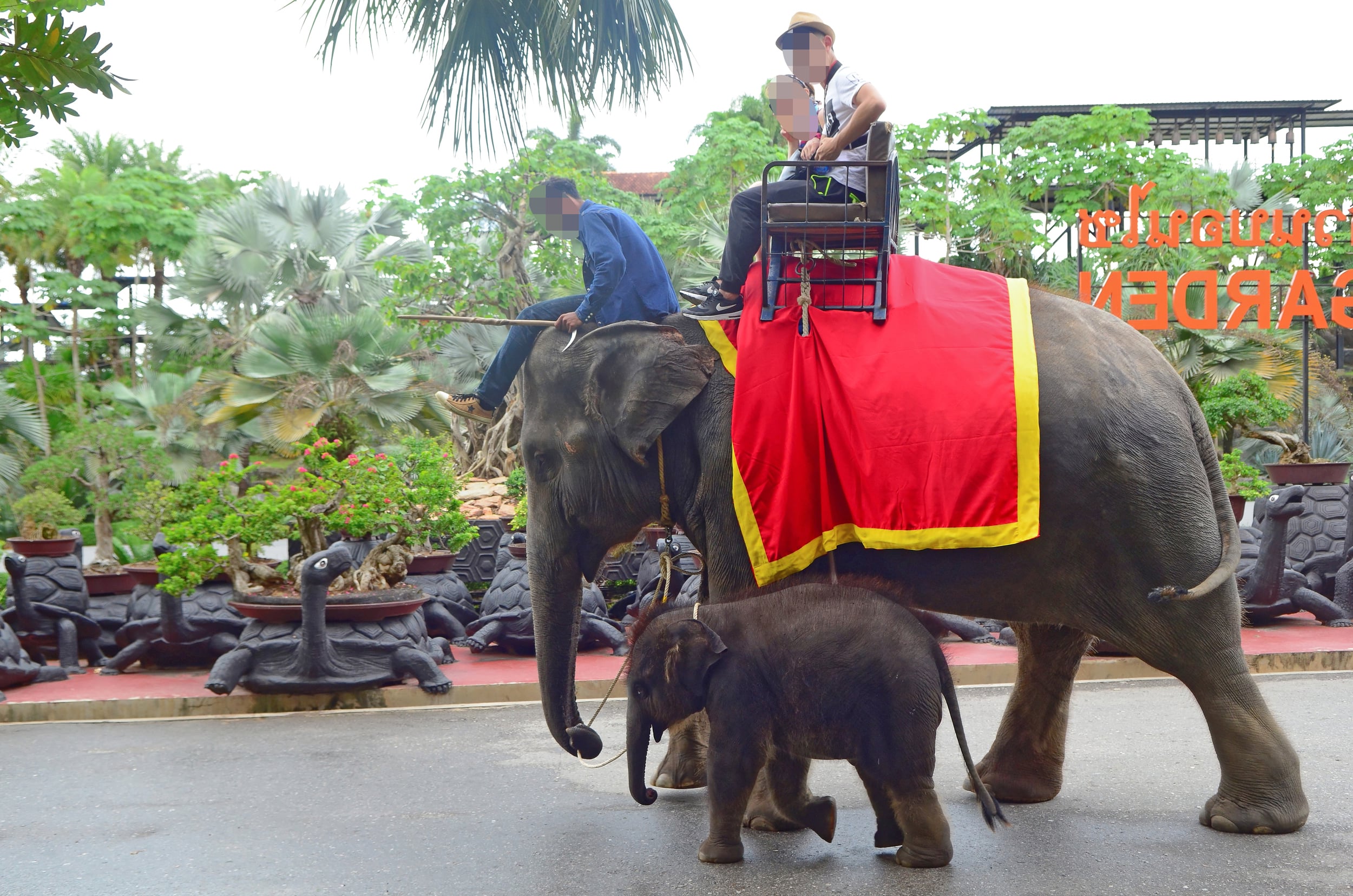
Camps that offer elephant rides (trekking) or circus-style performances often utilize heavy hooks and chains to maintain control. These environments are high-stress for the animals. When an elephant reaches its breaking point, the resulting "rampage" is rarely survivable for anyone in its immediate path.
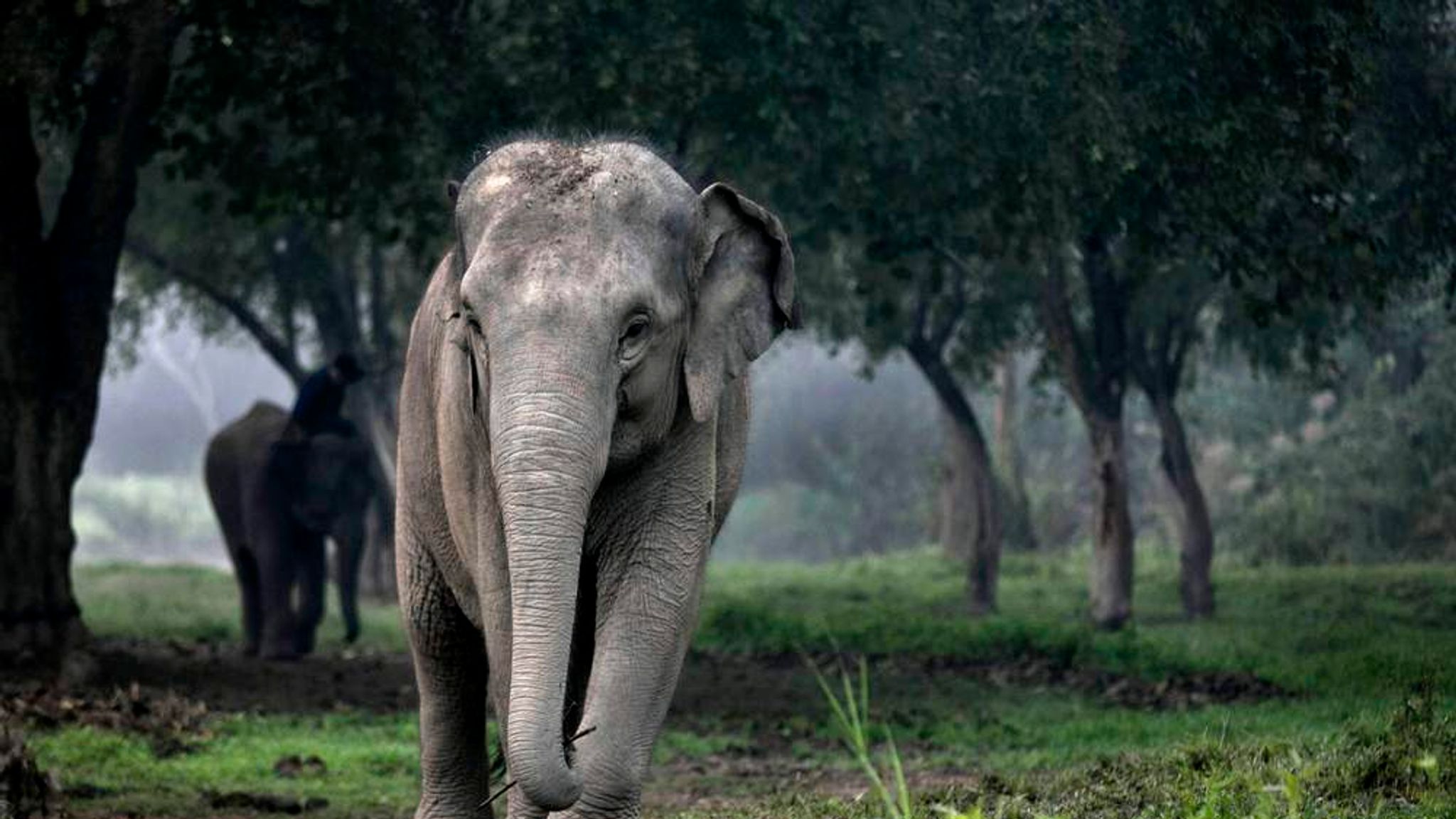
By 2026, the shift toward "observation-only" sanctuaries has significantly reduced the number of interactions that lead to injury. In these facilities, tourists watch elephants from a distance as they bathe or forage, removing the physical proximity that facilitates attacks. However, "sanctuary" is not a protected legal term in Thailand, meaning some exploitative camps use the label to attract tourists while still allowing dangerous hands-on interactions like bathing or feeding.
Comparative Safety Risks by Encounter Type
Navigating the various types of elephant tourism in Thailand requires an understanding of the inherent risks associated with each. The following table compares the safety profiles of common encounter types as of 2026.
| Encounter Type | Interaction Level | Primary Risk Factor | Safety Rating |
|---|---|---|---|
| National Parks (Khao Yai) | Low (Vehicle-based) | Road blockages; charging wild bulls | High (Safe if in vehicle) |
| Observation-only Sanctuaries | Low (Viewing platforms) | Accidental proximity | Very High (Safest) |
| Interactive Sanctuaries | High (Bathing/Feeding) | Crushing; sudden movements | Moderate |
| Trekking Camps (Riding) | Extreme (Physical contact) | Elephant exhaustion; musth; falling | Low (Dangerous) |
| Street Begging (Illegal) | Extreme (Close urban contact) | Noise-induced panic; traffic | Very Low (Extreme Risk) |
Legal and Insurance Implications for Travelers
If a tourist is injured or killed by an elephant in Thailand, the legal and financial ramifications are complex. Understanding these before engaging in animal tourism is essential for risk management.
Travel Insurance Exclusions
Many standard travel insurance policies exclude "high-risk activities." While visiting a zoo or a national park is typically covered, riding an elephant or participating in "adventure" interactions may be classified as a voluntary assumption of risk. In 2026, insurers are increasingly scrutinizing claims related to animal encounters. If the facility is found to be operating illegally or if the tourist ignored safety signs, the policy may be void.
Liability and Compensation
In Thailand, the owner of the elephant is generally liable for damages caused by the animal under the Civil and Commercial Code. However, pursuing a legal claim against a local camp can be a multi-year process involving significant legal fees. Compensation amounts in Thailand are often lower than those in Western jurisdictions, and smaller camps may not have sufficient liability insurance to cover a fatality claim.
Practical Safety Guidelines for Tourists
To minimize the risk of a fatal encounter, tourists should follow these evidence-based safety protocols when around elephants:
- Never Approach Without a Mahout: Even if an elephant looks friendly, never approach one that is not actively supervised by its handler.
- Respect the "Flight or Fight" Zone: Elephants have a personal space of roughly 10 to 20 meters. Crossing this line can trigger a defensive charge.
- Watch for Body Language: A stressed elephant will often swing its trunk rapidly, flap its ears back against its head, or "fiddling" with its trunk in its mouth. If you see these signs, back away slowly.
- Avoid Bull Elephants in Musth: If you see an elephant with wet patches on its temples or a strong odor, leave the area immediately.
- No Flash Photography: Sudden bright flashes can startle an animal, especially in low-light environments, leading to a panic response.
- Don't Corner the Animal: Always ensure the elephant has a clear path to move away from you. An elephant that feels trapped is much more likely to attack.
Frequently Asked Questions
Are wild elephants more dangerous than captive ones?
Both present significant risks, but the contexts differ. Wild elephants, particularly in Khao Yai National Park, may charge vehicles if they feel their path is blocked or if calves are present. Captive elephants are accustomed to humans, which can lead to a dangerous lack of fear. A captive elephant that loses respect for its mahout or is stressed by tourists is often more dangerous because it understands human vulnerability.
What should I do if an elephant charges?
If an elephant charges, do not try to outrun it in a straight line; elephants can reach speeds of 40 km/h (25 mph). Instead, try to get behind a large, sturdy object like a tree, a boulder, or a vehicle. If no cover is available, move downwind so the elephant loses your scent, and try to move up a steep incline, as elephants are slower when climbing.
Why do mahouts use bullhooks (ancus)?
The bullhook is a traditional tool used to guide elephants. While its use is highly controversial and often associated with abuse, some handlers argue it is a necessary safety tool for emergency control. However, modern ethical sanctuaries have replaced bullhooks with Positive Reinforcement Training (PRT), which uses food rewards to encourage behavior, significantly reducing animal stress and the likelihood of aggression.
Is it safe to bathe with elephants?
Bathing with elephants is a popular activity, but it carries hidden risks. Water can make the ground slippery for both humans and elephants. If an elephant slips or decides to lie down, a human in the water can easily be crushed. Furthermore, the close proximity required for bathing gives the elephant ample opportunity to strike or kick if it becomes irritated by the water or the crowd.
Recommendations for Responsible Visitation
For those wishing to see elephants in Thailand in 2026, the safest and most ethical choice is to visit DNP-regulated National Parks or Global Federation of Animal Sanctuaries (GFAS) accredited facilities. These organizations prioritize "hands-off" tourism, which eliminates the primary cause of tourist fatalities: physical proximity.
Before booking any elephant experience, verify the facility’s safety record and welfare standards. Avoid any camp that allows riding, performances, or street begging. By choosing observation-based tourism, you not only protect yourself but also contribute to a market that rewards the humane treatment of these sentient creatures.
Image Gallery