Understanding the Mechanics and Construction of Shelf Bra Shirts
A shelf bra shirt works by integrating an internal fabric lining and an elasticized band into the structure of a garment, typically a camisole, tank top, or dress. This internal "shelf" provides light support and coverage by using comp...
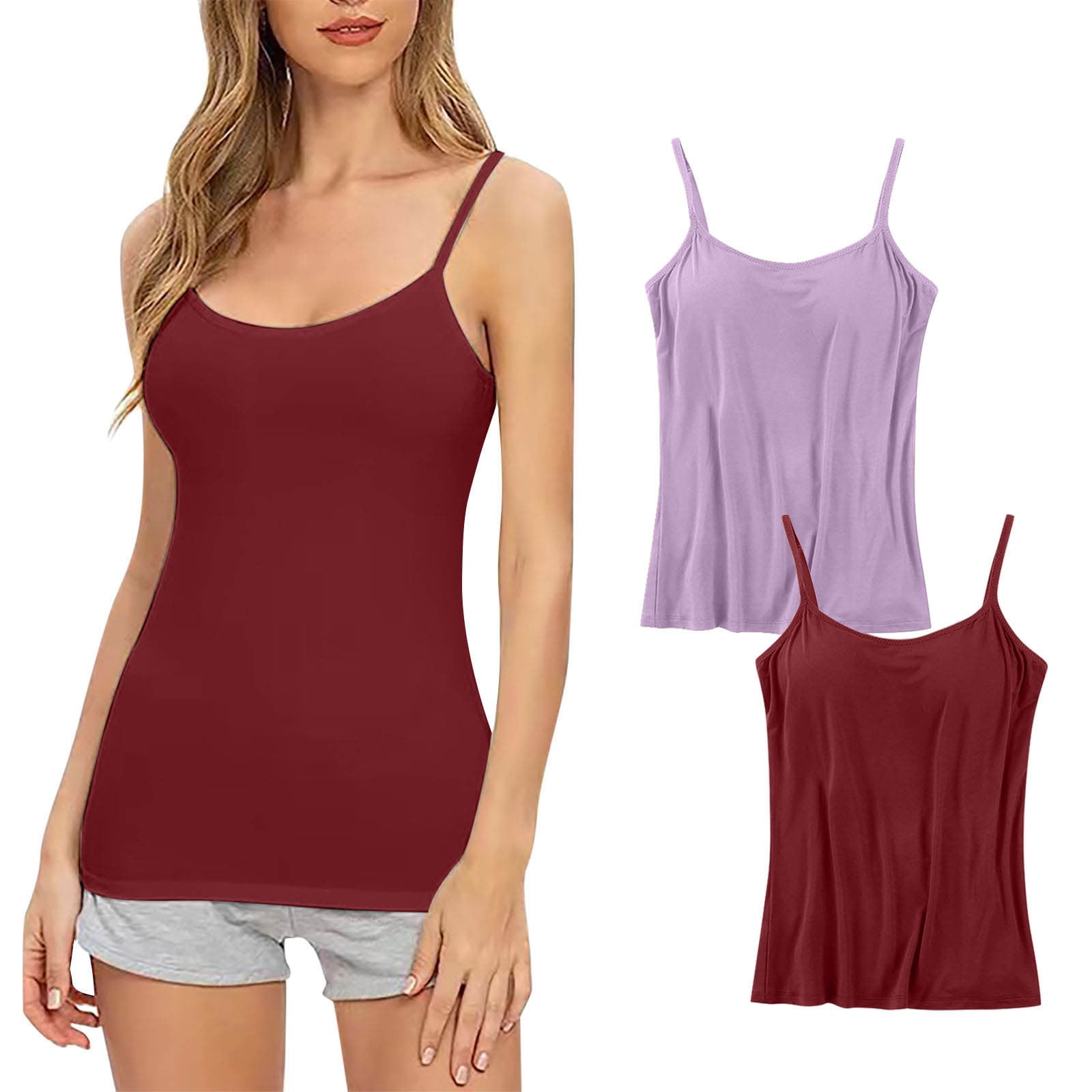
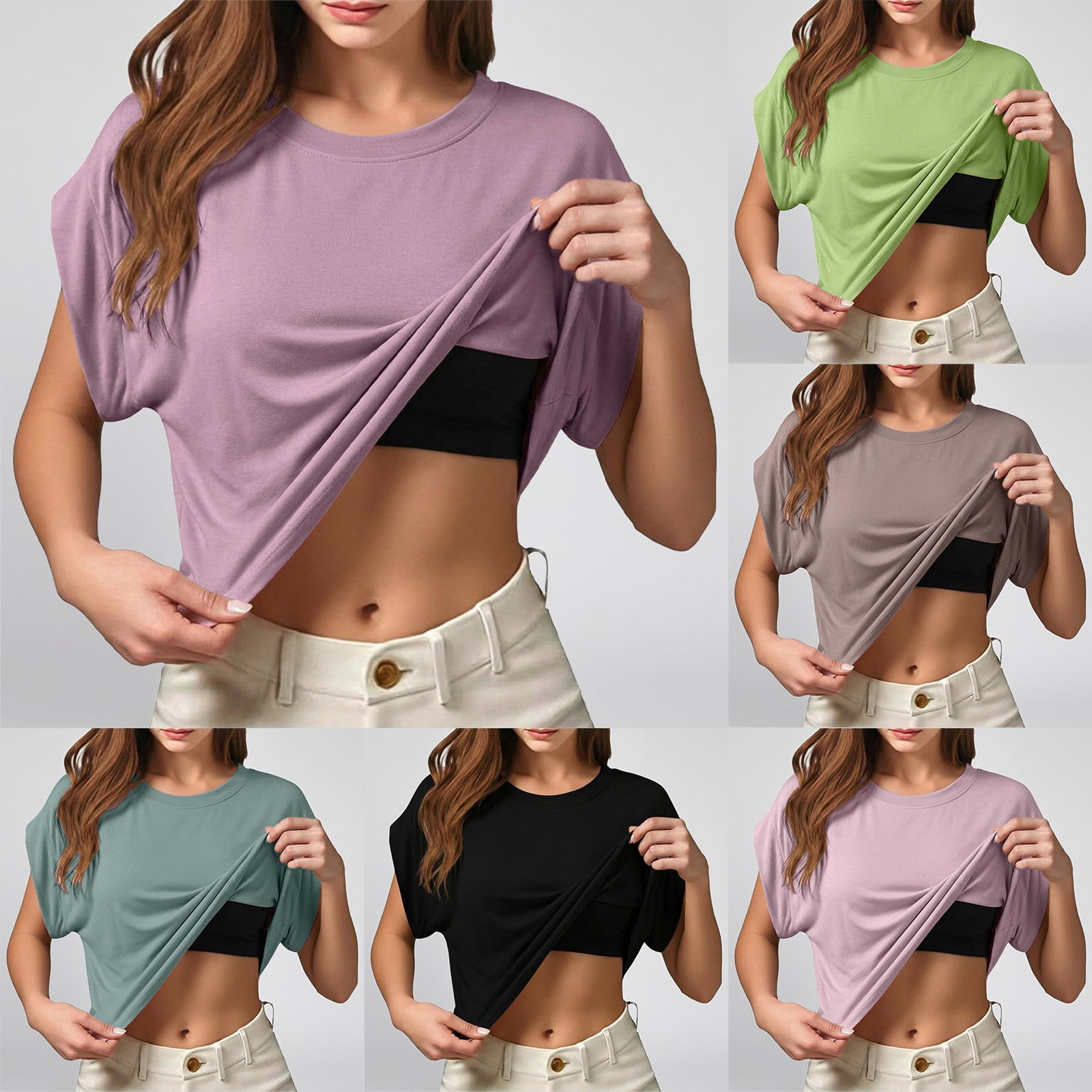
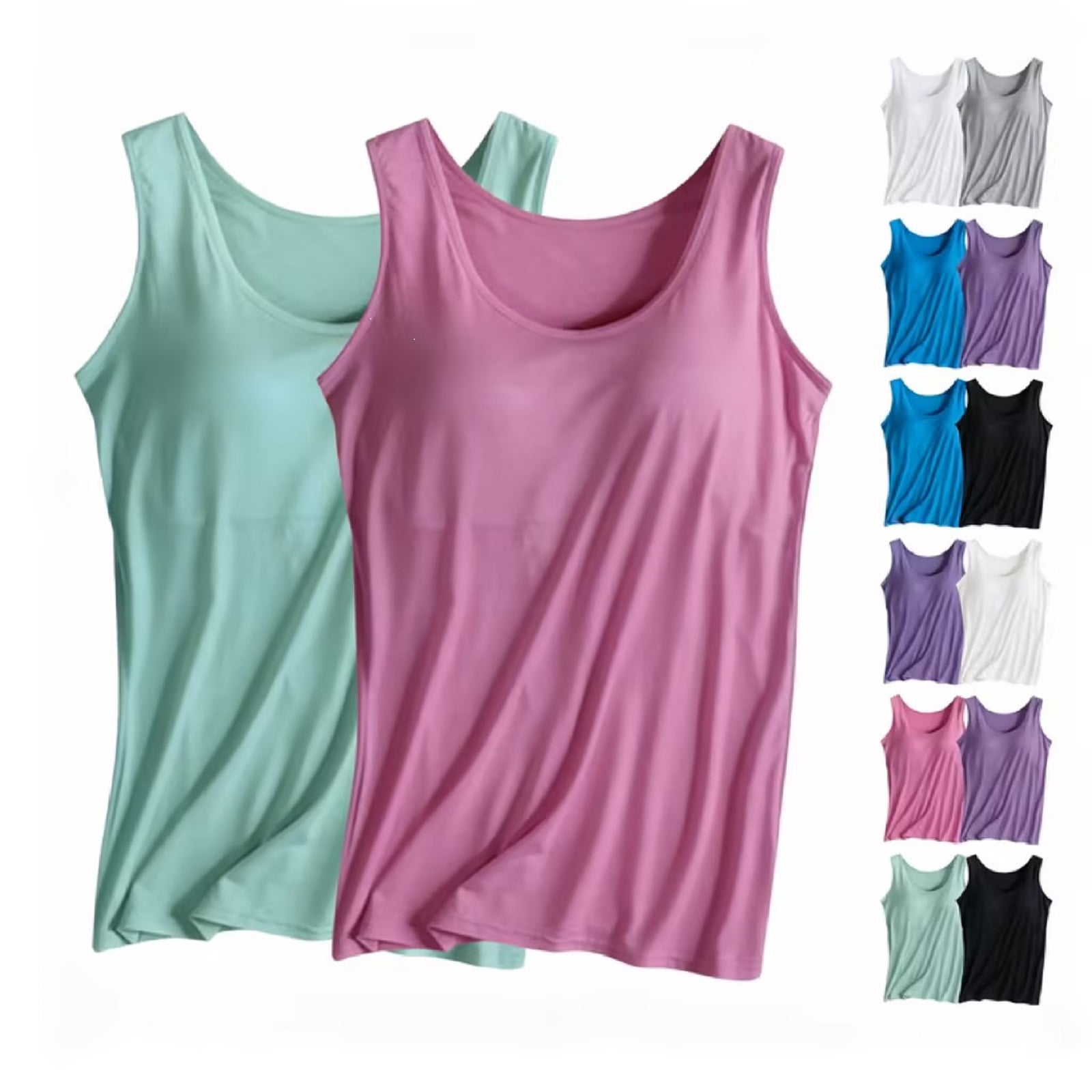
A shelf bra shirt works by integrating an internal fabric lining and an elasticized band into the structure of a garment, typically a camisole, tank top, or dress. This internal "shelf" provides light support and coverage by using compression and tension to hold the bust against the body, eliminating the need for a separate brassiere for low-impact activities.
Contents
The shelf bra is a staple of minimalist and comfortable apparel. While it appears simple from the outside, the engineering of a functional shelf bra involves specific textile choices, seam placements, and elastic tension calculations. As we move through 2026, the technology behind these built-in supports has evolved from basic cotton linings to high-performance moisture-wicking systems that cater to a wider range of body types and activity levels.
The Anatomy of a Shelf Bra
To understand how a shelf bra works, one must look at the garment from the inside out. Unlike a traditional bra, which uses a complex system of straps, underwires, and back closures to create lift through "encapsulation," a shelf bra relies almost entirely on "compression."
The Internal Lining
The "shelf" itself is an extra layer of fabric sewn into the interior of the shirt. This lining typically begins at the shoulder seams or the top hem of the chest and extends downward to just below the bust line. In high-quality garments, this lining is made from a different material than the outer shell. Common choices include power mesh or high-spandex blends that offer greater "modulus"—a technical term for the fabric's resistance to stretching.
The Elastic Anchor
The most critical component of the shelf bra is the bottom elastic band. This band serves as the foundation of the support system. It is sewn into the bottom edge of the internal lining and encircles the ribcage. When the shirt is worn, this band should sit snugly against the skin in the inframammary fold (the crease where the breast meets the chest wall). The tension of this band prevents the bust from shifting downward and provides the "lift" associated with the garment.
Attachment Points
A shelf bra is usually attached to the outer garment at the neckline and the armholes (or straps). This secondary attachment ensures that the lining moves in tandem with the shirt, preventing it from riding up or bunching during movement. Some designs use a "floating" construction where the lining is only attached at the top, allowing for more flexibility but often sacrificing stability.
The Physics of Support: Compression vs. Tension
The functional effectiveness of a shelf bra is governed by two primary physical forces: compression and vertical tension.
Compression Support
Most shelf bras are non-molded, meaning they do not have pre-shaped cups. Instead, they work by pressing the breast tissue against the chest. This reduces the "projection" of the bust and limits movement. This is highly effective for smaller cup sizes (A through B) but can lead to a flattened appearance or the "unibrow" effect in larger cup sizes, where the two breasts are pushed together without separation.
Vertical Tension
The straps of the shirt provide the vertical tension necessary to counteract gravity. In a shelf bra shirt, the straps must support not only the weight of the outer fabric but also the weight of the bust held within the internal lining. This is why shelf bra tanks often feature wider or reinforced straps compared to standard camisoles.
The Role of Fabric Recovery
In 2026, fabric technology has prioritized "recovery"—the ability of a textile to return to its original shape after being stretched. A shelf bra made of 100% cotton will eventually sag as the fibers lose their shape throughout the day. Modern versions utilize elastane (Spandex or Lycra) or specialized polyester blends that maintain consistent tension for 12 to 16 hours of wear.
Materials and Technical Specifications
The choice of material determines whether a shelf bra shirt is suitable for sleeping, daily wear, or light exercise.
| Feature | Low-Impact (Loungewear) | Medium-Impact (Activewear) | Technical/Supportive |
|---|---|---|---|
| Primary Fabric | Cotton or Modal | Polyester/Spandex Blend | Power Mesh or Nylon |
| Elastic Type | Soft-brushed, thin | Firm, wide (1 inch+) | High-tension, silicone-lined |
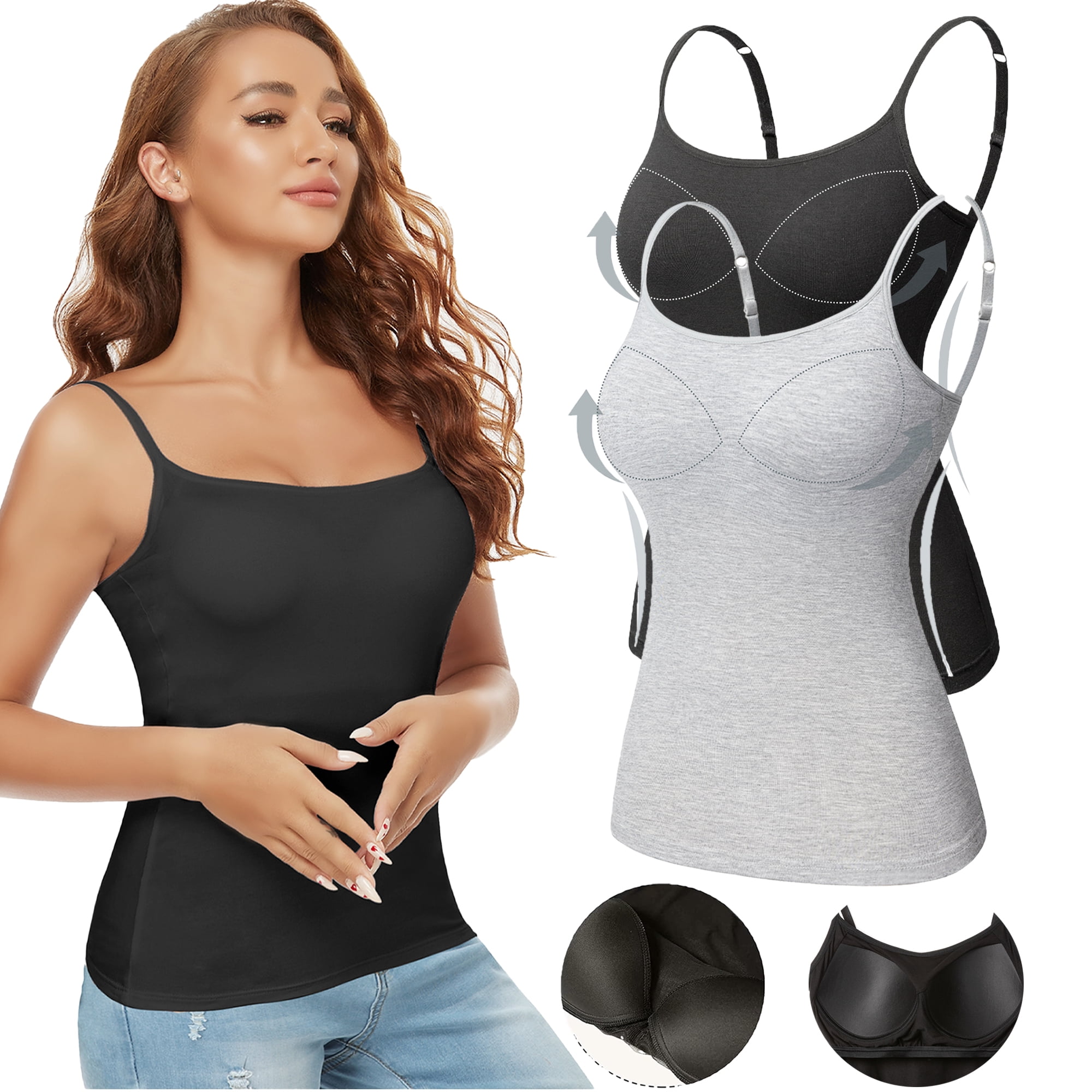
| Lining Style | Single layer | Double layer or Gusseted | Molded cups integrated |
| Breathability | High (Natural fibers) | Medium (Moisture-wicking) | High (Mesh venting) |
| Typical Use | Sleeping, lounging | Yoga, Pilates, Walking | Daily errands, Workwear |
Power Mesh and Modern Linings
Power mesh is a lightweight, breathable fabric with a high spandex content. It is frequently used in the "shelf" portion of premium shirts because it provides significant compression without adding bulk. In the current 2026 market, many manufacturers have moved toward recycled nylon power mesh, which offers a smoother profile under the outer fabric.
Brushed Elastics
To prevent skin irritation, the elastic bands in modern shelf bras are often "brushed" or "plush-back." This creates a soft, felt-like texture on the side of the elastic that touches the skin. Without this feature, the constant tension of the band against the ribcage can lead to chafing, especially during movement.
Advantages and Limitations
Shelf bra shirts offer a specific set of benefits, but they are not a universal replacement for traditional bras.
Benefits of Built-in Support
- Simplicity: They streamline the dressing process by combining two layers into one.
- Comfort: The absence of underwires, hooks, and thin, digging straps makes them a favorite for those with sensory sensitivities or for long periods of wear.
- Aesthetics: They provide a clean look at the back, as there are no visible bra lines or straps peeking out from the shirt.
- Temperature Regulation: By using a single integrated layer, the wearer often feels cooler than they would wearing a separate, multi-layered bra under a shirt.
Limitations and Challenges
The primary drawback is the fixed ratio of the garment. In a traditional bra, you can select a specific band size (e.g., 34) and a specific cup size (e.g., D). In a shelf bra shirt, the manufacturer assumes a "standard" ratio. If a person has a narrow ribcage but a large bust, the shirt may fit the waist but provide zero support, or fit the bust but be dangerously loose at the band.
Furthermore, shelf bras offer very little "encapsulation" or separation. For individuals with larger busts, the weight can cause the elastic band to roll or fold over, which significantly reduces the support level and causes discomfort.
How to Evaluate Shelf Bra Quality
When selecting a shelf bra shirt, certain technical details indicate a higher level of engineering and longevity.
- Band Width: Look for an elastic band that is at least 3/4 of an inch wide. Thinner bands are more likely to twist and provide less surface area for support.
- Stitch Type: High-quality shelf bras use a flatlock stitch or a zigzag stitch to attach the elastic. These stitches allow the seam to stretch along with the fabric without snapping the threads.
- Side Slings: Some advanced 2026 designs include "side slings"—extra panels of non-stretch fabric on the sides of the internal lining. These help push the bust toward the center and prevent "side-spill," which is a common issue with basic shelf designs.
- Opaque Lining: Ensure the internal lining is thick enough to provide "modesty" (coverage of the apex). Many modern shirts use a double-layered lining in the front for this reason.
Maintenance and Care for Longevity
The lifespan of a shelf bra shirt is dictated by the health of its elastic components. Heat is the primary enemy of elastane. To preserve the support of a shelf bra, it is recommended to wash the garment in cold water on a delicate cycle.
Air drying is the most effective way to prevent "elastic fatigue." When a shelf bra is subjected to the high heat of a dryer, the microscopic elastic fibers can become brittle and snap. This leads to "bacon-ing," where the elastic band becomes wavy and loses its ability to grip the ribcage. Once the elastic has failed, the shelf bra can no longer provide functional support.
FAQs
Can a shelf bra replace a regular bra for large busts?
Generally, no. Shelf bras rely on compression rather than structured lift. For cup sizes D and above, a shelf bra usually provides "modesty" (coverage) rather than true structural support. However, some 2026 "engineered" tanks with molded cups and high-tension under-bands are bridging this gap for low-impact use.
Is a shelf bra the same as a sports bra?
While both use compression, they are different. A sports bra is designed to minimize bounce during high-impact movement (like running) and usually features much higher compression levels and thicker fabrics. A shelf bra is designed for low-impact comfort and general daily wear.
Why does the band on my shelf bra keep rolling up?
Band rolling usually occurs because the elastic is too thin or the shirt is too short for the wearer's torso. If the bust volume exceeds the capacity of the internal lining, it creates upward pressure on the band, causing it to flip or roll. Choosing a shirt with a wider, plush-backed band can mitigate this.
Are there shelf bra shirts with padding?
Yes. Many modern shelf bras include small pockets in the lining for removable foam inserts. These provide additional shaping and modesty. In higher-end apparel, these pads are often sewn in (molded) to prevent them from shifting or folding during the wash.
Final Recommendation
When choosing a shelf bra shirt, prioritize the tension and width of the under-bust band above all other features. For the best experience, look for garments that utilize power mesh linings and flatlock stitching, as these provide the most durable and comfortable support. If you are between sizes, it is often better to size down to ensure the elastic band maintains a firm "anchor" against the ribcage, provided the fabric has enough stretch to accommodate the bust.
Image Gallery