What You Need to Know About 3/4 Inch Plywood
3/4 inch plywood is a versatile, heavy-duty building material used for applications requiring high structural integrity, such as cabinetry, subflooring, and furniture. While referred to as 3/4 inch, the actual thickness is typically 23...
3/4 inch plywood is a versatile, heavy-duty building material used for applications requiring high structural integrity, such as cabinetry, subflooring, and furniture. While referred to as 3/4 inch, the actual thickness is typically 23/32 inch to account for mill sanding. It offers the ideal balance of rigidity and weight for professional construction and DIY projects alike.
Contents
Understanding the "3/4 Inch" Measurement: Nominal vs. Actual
When purchasing 3/4 inch plywood in 2026, the first thing any builder must understand is the discrepancy between nominal and actual dimensions. In the timber and sheet goods industry, "3/4 inch" is the nominal name—the size assigned to the product during the initial stages of manufacturing. However, the finished product you pick up from a lumberyard is almost always thinner.
The actual thickness of standard 3/4 inch plywood is 23/32 of an inch. This 1/32-inch difference exists because the manufacturing process involves drying the wood veneers and sanding the outer faces to a smooth finish. If you are building fine furniture or cabinetry where joinery must be precise, failing to account for this 1/32-inch difference can lead to loose-fitting "slop" in your dados and rabbets. Always use a digital caliper to measure your specific sheet before setting your router bits or table saw blades.
Furthermore, some specialty products, such as Baltic Birch, may be sold in metric thicknesses. A "3/4 inch" equivalent in Baltic Birch is often 18mm (approximately 0.708 inches) or 19mm (approximately 0.748 inches). Knowing exactly which version you are purchasing is critical for the structural alignment of your project.
Common Types and Grading Systems
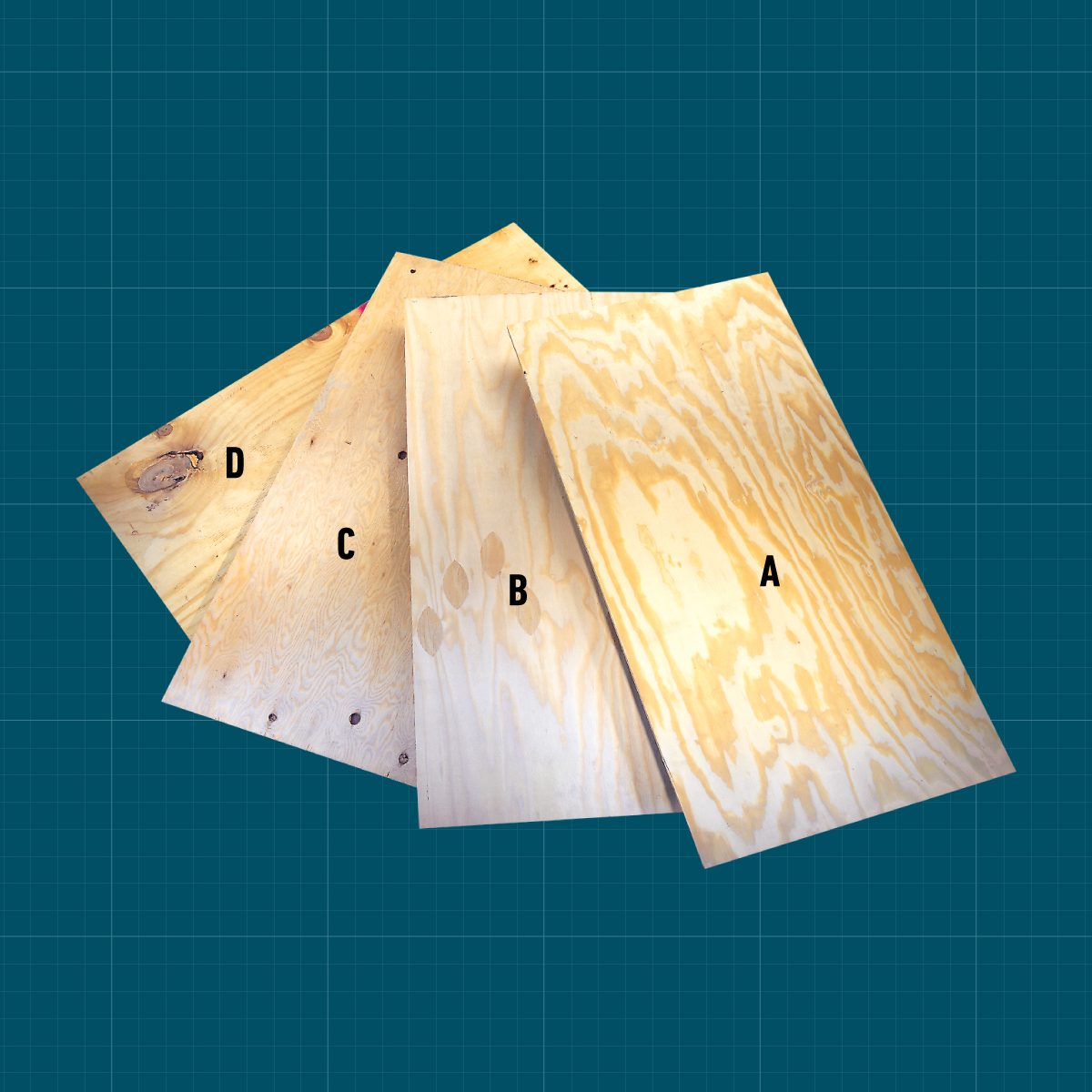
Not all 3/4 inch plywood is created equal. The material is categorized by the species of wood used, the quality of the face veneers, and the type of adhesive used to bond the layers. Understanding these grades prevents you from overpaying for high-end wood for a hidden subfloor or using low-quality wood for a visible kitchen cabinet.
Construction-Grade (CDX)
CDX is the workhorse of the construction industry. The "C" and "D" represent the grades of the front and back veneers—both of which may have visible knots, fills, and imperfections. The "X" stands for exposure, meaning the glue is moisture-resistant (though the wood itself is not waterproof). In 2026, CDX remains the standard for 3/4 inch subflooring and roof sheathing where strength is the priority and aesthetics are irrelevant.
Sanded Softwood (AC or BC)
Sanded plywood features a high-quality "A" or "B" face that has been pre-sanded at the mill. These sheets are typically made from Pine or Fir. They are ideal for shop projects, workbenches, or painted built-ins. Because the face is smooth, it takes paint well and reduces the amount of preparation time required before finishing.
Cabinet-Grade Hardwood
This category includes plywood with face veneers made from Maple, Oak, Walnut, or Birch. These are the most expensive 3/4 inch sheets and are used for fine furniture. The core is often made of softer woods or even Medium Density Overlay (MDO) to ensure the sheet remains perfectly flat. Cabinet-grade plywood is graded using a letter for the face (A-D) and a number for the back (1-4). An "A-1" sheet is the highest quality available.
Baltic Birch (The Gold Standard)
Baltic Birch differs from domestic plywood because it is composed entirely of birch layers (plies) without voids in the center. A 3/4 inch sheet of Baltic Birch typically contains 13 plies, whereas standard construction plywood may only have 5 to 7. This high ply count makes it incredibly stable and provides an attractive "stack" look on the edges that many modern designers leave exposed.
Technical Specifications and Load-Bearing Capacity
One of the primary reasons builders choose 3/4 inch plywood over thinner 1/2 inch or 5/8 inch options is its span rating and load-bearing capacity. At 3/4 inch thickness, plywood is significantly more rigid, making it suitable for floors and heavy shelving.
| Plywood Type | Actual Thickness | Typical Ply Count | Weight (4x8 Sheet) | Primary Use |
|---|---|---|---|---|
| CDX Pine | 23/32" | 5 - 7 | 65 - 72 lbs | Subflooring, Sheds |
| Sanded Pine | 23/32" | 7 | 60 - 68 lbs | Shelving, Shop Jigs |
| Baltic Birch | 18mm / 19mm | 13 | 78 - 82 lbs | Cabinets, Jigs, Furniture |
| Oak/Maple Veneer | 23/32" | 7 - 9 | 65 - 75 lbs | Fine Furniture, Built-ins |
| Marine Grade | 23/32" | 7+ (no voids) | 70 - 75 lbs | Boats, Wet Locations |
The weight of a 3/4 inch sheet is a major logistical consideration. A standard 4x8 sheet of 3/4 inch plywood weighs between 60 and 82 pounds, depending on the wood species and moisture content. If you are working alone, you will likely need a panel carrier or a vacuum-assist lift to move these sheets safely without damaging the corners or straining your back.
When to Choose 3/4 Inch Over Other Thicknesses
Selecting the right thickness is a balance between cost, weight, and structural requirements. While 3/4 inch plywood is more expensive and heavier than 1/2 inch, it is the correct choice for:
- Cabinet Carcasses: Most kitchen and bathroom cabinets are built using 3/4 inch plywood for the sides and bottom. This thickness provides enough "meat" for screws and pocket holes to hold firmly, and it supports the weight of heavy stone countertops without bowing.
- Bookshelves: For any shelf spanning more than 30 inches, 3/4 inch material is mandatory to prevent sagging (the "smile" effect) over time under the weight of books.
- Subflooring: In residential construction, 3/4 inch tongue-and-groove plywood is the standard for floor joists spaced 16 to 24 inches apart. It provides a stiff, bounce-free surface for hardwood or tile installation.
- Workbenches: A shop workbench needs mass and stability. Laminating two sheets of 3/4 inch plywood together creates a 1.5-inch thick top that can withstand heavy hammering and clamping.
Working with 3/4 Inch Plywood: Tips for Success
Working with thick plywood requires specific tools and techniques to ensure clean cuts and lasting joints.
Cutting and Preventing Tear-out
Because plywood consists of layers with alternating grain directions, the outer veneer is prone to splintering (tear-out) when cut with a circular saw or table saw. To achieve a clean edge on 3/4 inch material:
- Use a high-tooth-count carbide blade (60 to 80 teeth for a 10-inch blade).
- Apply a strip of painter's tape over the cut line to hold the wood fibers in place.
- Ensure the "good" face of the plywood is facing the direction where the saw teeth enter the wood. On a table saw, the good face goes up; on a circular saw, the good face goes down.
Fastening and Joinery
3/4 inch plywood is excellent for mechanical fasteners. However, you should always drill pilot holes. Plywood edges can split if a screw is driven in without a path, especially near the ends of a sheet. Pocket hole joinery is the most common method for 3/4 inch cabinet construction, typically using 1-1/4 inch coarse-thread pocket screws.
Edge Treatment
The edges of 3/4 inch plywood reveal the internal layers, which many find unattractive in finished furniture. To hide these layers, you can use edge banding (a thin strip of wood veneer with heat-activated glue) or "breadboard" edges made of solid hardwood. If using edge banding, ensure the plywood edge is sanded perfectly flat and free of dust before applying heat with an iron.
Cost Considerations in 2026
As of 2026, plywood prices have stabilized following the volatility of the early 2020s, but they remain a significant project expense. A standard sheet of 3/4 inch CDX might cost between $45 and $60, while a high-end sheet of A-1 Maple or Baltic Birch can exceed $120 to $150.
When budgeting, factor in a 10-15% waste margin for "cutting diagrams." Because 3/4 inch sheets are large and heavy, planning your cuts using software or graph paper ensures you maximize the yield from every expensive sheet.
Frequently Asked Questions
Is 3/4 inch plywood actually 3/4 of an inch?
No. Standard 3/4 inch plywood is actually 23/32 inch thick. This allows for the material removed during the sanding process at the mill. Always measure your specific sheet with calipers before starting precision joinery to ensure your joints fit correctly.
Can 3/4 inch plywood be used for outdoor projects?
Only if it is specifically labeled as Pressure-Treated or Marine Grade. Standard plywood, even CDX (which uses exterior glue), will delaminate and rot quickly if exposed to direct rain and soil contact. For outdoor furniture, 3/4 inch Marine Grade or MDO (Medium Density Overlay) is the preferred choice due to the lack of internal voids.
How many layers (plies) should 3/4 inch plywood have?
Standard construction plywood usually has 5 to 7 layers. Higher-quality "shop" or "cabinet" grades often have 7 to 9 layers. Premium Baltic Birch typically has 13 layers. Generally, more layers result in a more stable, flatter sheet that is less likely to warp.
What is the best way to finish 3/4 inch plywood?
For hardwood veneers, a clear polyurethane or lacquer is best to showcase the grain. For utility projects, a high-quality oil-based primer followed by latex enamel paint works well. Always sand the surface lightly with 220-grit sandpaper between coats to achieve a professional-grade smoothness.
Does 3/4 inch plywood warp?
Yes, plywood can warp or "cup," especially if stored improperly. To prevent warping, store your 3/4 inch sheets flat on a level surface in a climate-controlled environment. If you must lean them against a wall, keep them as vertical as possible and support them across their entire length to prevent a permanent bow.
Summary Recommendation
If you are embarking on a project that requires structural stability—such as built-in wardrobes, kitchen cabinets, or a sturdy workbench—3/4 inch plywood is the industry standard for a reason. While it is heavier and more expensive than thinner alternatives, its resistance to sagging and its ability to hold fasteners make it the most reliable choice. For the best results, always verify the actual thickness (23/32") before cutting and opt for a higher ply count if your budget allows for the added stability.
Image Gallery