Ben Kusin Net Worth Explained: Career, Shark Tank Deal, and Wealth Breakdown
Ben Kusin has an estimated net worth between $3 million and $5 million. His wealth stems from a combination of successful entrepreneurial ventures—most notably co-founding the odor-neutralizing brand Reviver—executive career earnings i...
Ben Kusin has an estimated net worth between $3 million and $5 million. His wealth stems from a combination of successful entrepreneurial ventures—most notably co-founding the odor-neutralizing brand Reviver—executive career earnings in the video game and entertainment industries, strategic advisory roles, and investments built upon an established family business legacy.
Contents
Understanding Ben Kusin’s Financial Landscape
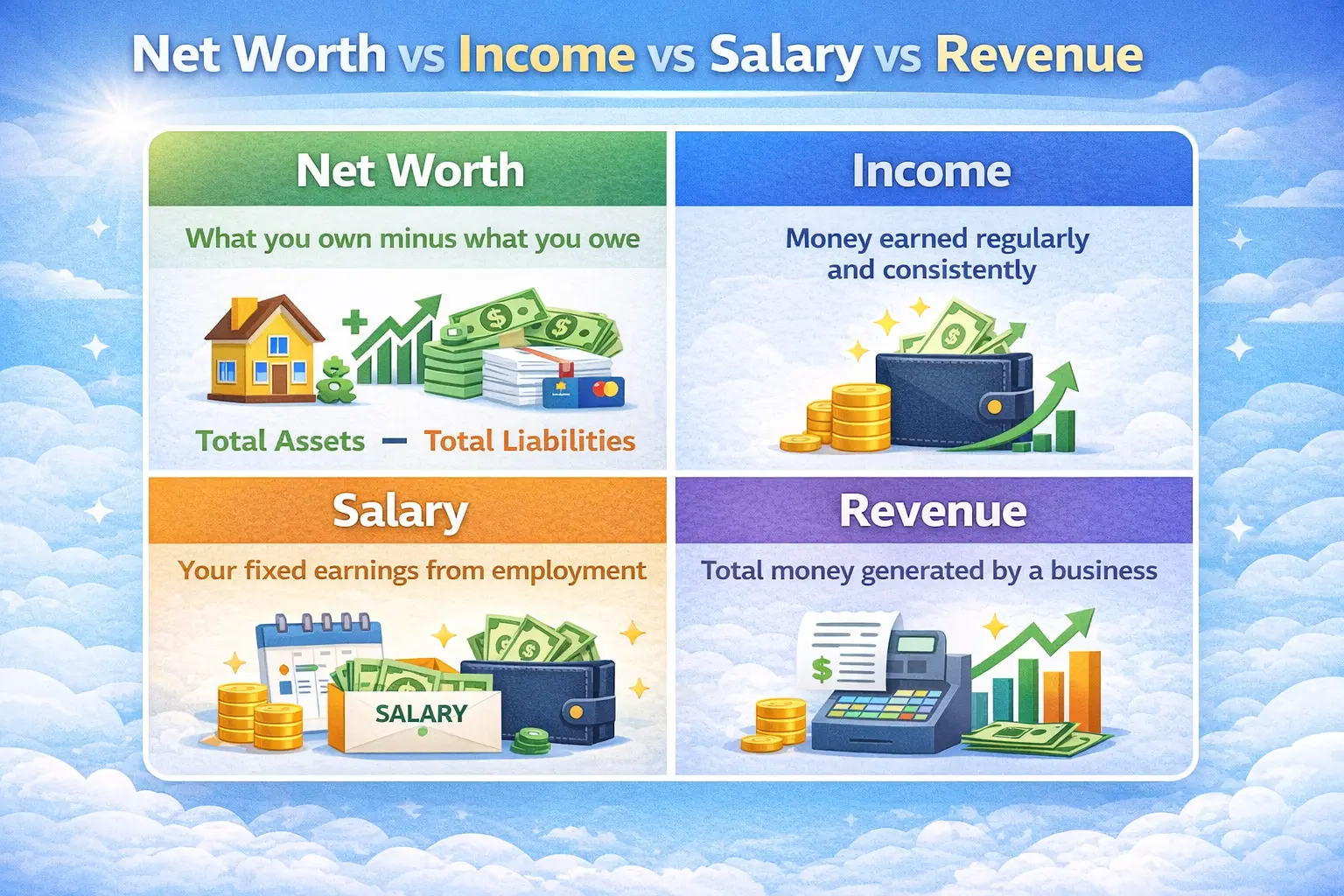
Evaluating private net worth requires analyzing multiple asset streams, including equity in private enterprises, career compensation, royalties, and capital appreciation from private investments. Unlike public company executives whose wealth is tied to filings with securities regulators, private entrepreneurs like Ben Kusin maintain financial portfolios that blend operating revenues, investment returns, and corporate earnings.
Kusin's financial trajectory reflects a hybrid business model: leveraging high-level corporate experience at major media companies alongside high-visibility venture entrepreneurship. His public profile surged following his appearance on ABC's reality television show Shark Tank, but his foundational wealth was built over years of executive management in the digital entertainment sector and strategic product commercialization.
| Wealth Factor / Milestone | Details & Impact | Estimated Financial Contribution |
|---|---|---|
| Reviver (Startup Co-Founder) | Odor-neutralizing apparel wipe brand launched with brother Eric Kusin | Retail distribution, direct-to-consumer sales, and brand license revenues |
| Shark Tank Investment | Secured deal with Lori Greiner ($150,000 for 15% equity) | Significant brand exposure, expanded retail placement, and strategic retail scaling |
| Entertainment & Gaming Careers | Senior marketing and strategy roles at Electronic Arts (EA) and Vivendi Games | High-level executive salary, performance bonuses, and stock options |
| Corporate Advisory & Tech Ventures | E-commerce strategy, startup advisory, and digital transformation consulting | Equity stakes, retainer fees, and consulting compensation |
| Family Entrepreneurial Legacy | Son of Gary Kusin (Co-founder of Babbage's/GameStop, former CEO of FedEx Kinko's) | Access to private investment networks, business mentorship, and family capital structures |
Disclaimer: Estimated financial figures are derived from public reporting, historical deal terms, industry benchmarks, and institutional knowledge of corporate compensation structures. Private equity holdings and personal balance sheets remain non-public.
The Shark Tank Breakout: Reviver Swipes
The most visible catalyst in Ben Kusin’s public career occurred in 2014 when he appeared on Season 6 of ABC’s Shark Tank alongside his brother, Eric Kusin. The duo pitched Reviver, an innovative consumer product line featuring reusable, dry odor-eliminating wipes for clothing, hair, and pet fabrics.
- Reviver Product Concept
- Shark Tank Appearance (Season 6, Episode 8)
- Lori Greiner Strategic Deal ($150,000 for 15% Equity)
- Mass Retail Scaling & Distribution (Bed Bath & Beyond, Petco, Amazon, QVC)
The Pitch and Deal Dynamics
Entering the Tank, the Kusin brothers sought $150,000 in exchange for a 5% equity stake in Reviver, valuing the young company at $3 million. At the time of filming, Reviver had already demonstrated early commercial traction, generating roughly $475,000 in sales over the preceding 10 months through regional retail tests and direct online sales.
The presentation sparked competitive interest among the panelists. While several investors expressed concern regarding product defenseability and consumer education costs, Lori Greiner recognized the immediate television and mass-retail appeal of the impulse buy item. Following negotiations, the brothers accepted an offer from Greiner for $150,000 in exchange for 15% equity, effectively placing a post-deal valuation of $1 million on the business while securing Greiner’s key distribution networks.
Financial and Retail Impact of the Deal
Securing Lori Greiner as a strategic equity partner unlocked significant commercial channels that typically require years and substantial marketing capital to access:
- Retail Placement: Reviver gained access to shelf space in major retail chains, including Bed Bath & Beyond, Petco, and select grocery networks.
- Television Shopping (QVC): Greiner leveraged her established presence on QVC to sell tens of thousands of units within short broadcast segments, generating rapid cash flow and inventory turnover.
- Direct-to-Consumer (DTC) Growth: The national television exposure triggered an immediate surge in site traffic and e-commerce sales, reducing customer acquisition costs during peak promotional windows.
While Reviver experienced typical supply-chain and market-saturation challenges common to single-utility consumer products over time, the company yielded substantial gross revenue during its growth peak, contributing significantly to Kusin's overall capital base.
Executive Career in Gaming and Entertainment
Long before launching Reviver, Ben Kusin established a lucrative corporate career within the interactive entertainment and digital media sectors. Professional executive earnings form a foundational layer of his net worth, providing stability and investment capital independent of startup outcomes.
Corporate Roles and Major Employers
Kusin earned his undergraduate degree at the University of Texas at Austin and later completed an MBA at Columbia Business School. His academic background facilitated executive entry into top-tier media and technology organizations:
- Electronic Arts (EA): Kusin served in strategic marketing roles within EA’s global publishing apparatus. During his tenure, EA was expanding its dominant footprint in sports and action franchises, yielding executive compensation structures that included base salaries, performance bonuses, and stock options.
- Vivendi Games: At Vivendi, Kusin managed brand strategy and product marketing initiatives. Working within a conglomerate that oversaw high-grossing gaming intellectual properties provided senior-level leadership experience and competitive corporate compensation.
- Digital Strategy and Media Consulting: Following his corporate tenure, Kusin operated as an independent strategy consultant, advising early-stage tech ventures on go-to-market strategies, user acquisition model design, and digital content monetization.
Executive earnings in the gaming sector for senior marketing managers and strategists routinely reach mid-to-high six-figure annual compensation packages when factoring in equity grants and performance bonuses. Kusin’s sustained presence in this high-growth sector allowed him to accumulate liquid capital prior to undertaking entrepreneurial risks.
Family Business Background and Entrepreneurial Heritage
A crucial element in understanding Ben Kusin's career and financial context is his family’s prominent business background in retail and corporate turnarounds.
The Influence of Gary Kusin
Ben Kusin is the son of Gary Kusin, one of America’s premier retail executives and venture entrepreneurs:
- Babbage’s (GameStop): In 1984, Gary Kusin co-founded Babbage’s, a software and video game retail company that later merged with Software Etc. and eventually transformed into GameStop, the world's largest video game retailer.
- Kinko’s / FedEx Kinko’s: Gary Kusin served as the President and Chief Executive Officer of Kinko’s, leading the company through a massive digital transformation and ultimate acquisition by FedEx in 2004 for $2.4 billion.
- Laura Ashley and Corporate Boards: He served as CEO of Laura Ashley Mother & Child and sat on multiple institutional corporate boards, including Electronic Arts and Sabre Corporation.
Economic and Strategic Advantages
Growing up in an environment shaped by large-scale enterprise creation provided distinct advantages that directly influenced Ben Kusin's financial success:
- Capital Allocation Insight: Direct exposure to high-level corporate governance, venture debt financing, private equity, and retail supply chain management from an early age.
- Professional Networking: Seamless access to institutional capital networks, corporate legal advisors, and high-level retail buyers.
- Risk Tolerance: Family financial stability creates a safety net that permits entrepreneurs to pursue high-risk, high-reward startup ventures without sacrificing long-term personal solvency.
While Ben Kusin’s individual financial holdings are distinct from his father’s wealth, this legacy provided both structural stability and practical venture mentorship.
Portfolio Breakdown: How Ben Kusin’s Wealth Is Structured
A comprehensive financial breakdown shows how different activities contribute to Ben Kusin’s overall estimated net worth of $3M to $5M:
- Total Net Worth: $3M - $5M
- Business Equity
- Reviver Royalties
- Startup Advisory
- Brand Licensing
- Executive Earnings
- EA / Vivendi Salary
- Advisory Retainers
- Performance Bonuses
- Real Estate & Liquid
- Private Investments
- Real Estate Assets
- Equities & Index Funds
- Business Equity
1. Business Equity and Brand Royalties
Although single-product consumer goods face natural demand cycles, product licensing, residual inventory liquidation, and underlying intellectual property assets continue to generate passive revenue or asset values.
2. Executive and Advisory Compensation
Continued involvement in executive advisory roles, digital transformation projects, and technology consultancies yields steady retainer revenue. Highly qualified advisors often take a combination of cash compensation and advisory equity shares in emerging startups.
3. Investment and Asset Allocation
High-net-worth individuals typically allocate liquid capital into diversified equity portfolios, broad market index funds, venture seed funds, and real estate assets. Conservative investment management of earnings accumulated during executive years and peak startup sales ensures capital preservation and steady compound growth.
Key Business Takeaways from Ben Kusin’s Career
Entrepreneurs and investors can draw several practical lessons from analyzing Ben Kusin’s career trajectory and business decisions:
- Solve Everyday Micro-Problems: Reviver succeeded in gaining early traction because it tackled a clear, understandable problem—removing lingering odors from clothes without laundry—in a simple, portable format.
- Leverage National Platforms for Acceleration: Appearing on platforms like Shark Tank offers value beyond immediate capital investments. The real asset is zero-cost national television reach and structural access to retail powerhouses like Lori Greiner.
- Combine Corporate Rigor with Startup Risk: Kusin did not jump into venture entrepreneurship unprepared. Building foundational skills and liquidity in established corporate environments (such as EA and Vivendi) prepares founders to navigate cash flow, marketing, and vendor challenges.
- Diversify Beyond a Single Product Line: Sustainable long-term wealth depends on reinvesting early startup returns into broad asset classes, advisory equity, and secondary ventures rather than relying on a single consumer product indefinitely.
Frequently Asked Questions
What is Ben Kusin’s estimated net worth?
Ben Kusin’s net worth is estimated to be between $3 million and $5 million. This balance sheet is supported by his career as a media industry executive, profits and licensing from Reviver, private technology investments, and ongoing advisory retainers.
What deal did Ben Kusin make on Shark Tank?
On Shark Tank Season 6, Ben Kusin and his brother Eric Kusin secured an investment deal with Lori Greiner for $150,000 in exchange for 15% equity in their company, Reviver.
What product did Ben Kusin pitch on Shark Tank?
Kusin pitched Reviver, a line of dry, reusable odor-eliminating wipes designed to remove unpleasant smells (such as smoke, food odors, or sweat) instantly from clothing, hair, and linens without requiring water or washing.
Who is Ben Kusin’s father?
Ben Kusin’s father is Gary Kusin, a prominent business executive who co-founded Babbage’s (which became GameStop) and served as CEO of Kinko’s (leading to its $2.4 billion acquisition by FedEx) as well as CEO of Laura Ashley.
Is Reviver still in business?
Reviver expanded significantly into national retail chains and QVC following its Shark Tank appearance. Over time, the product shifted toward direct online fulfillment and licensing channels rather than maintaining aggressive mass-market physical retail store presence.
Summary and Practical Next Steps
Ben Kusin's financial journey illustrates how targeted entrepreneurship, corporate executive experience, and strategic risk-taking construct multi-million-dollar wealth. By pairing a simple consumer product innovation with high-impact media exposure and leveraging a background in entertainment management, Kusin built a stable multi-stream financial profile.
For entrepreneurs looking to follow a similar path:
- Validate Product-Market Fit Early: Secure real sales metrics before pitching institutional investors or appearing on public fundraising platforms.
- Value Distribution Over Valuation: Accepting a lower valuation from a strategic partner with existing retail connections (like Lori Greiner) often generates far greater net return than holding higher equity in a business without distribution power.
- Maintain Multi-Stream Career Trajectories: Balance startup risks with high-value executive skill building to protect personal net worth across shifting economic cycles.
Image Gallery